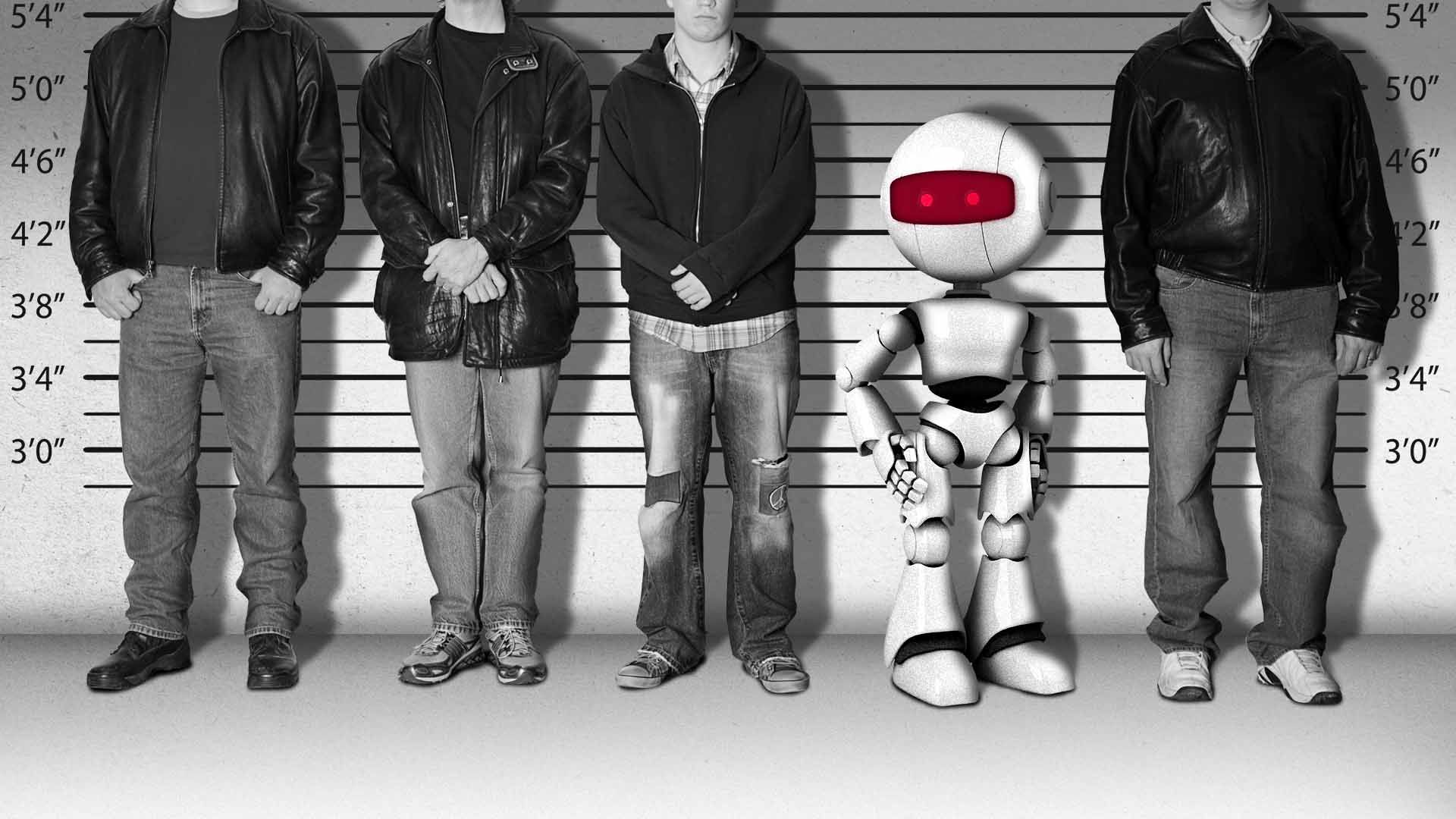
Artificial intelligence is rewriting the playbook for crime, from cheap deepfake scams and AI-written ransomware to mass identity hijacks and critical-infrastructure hacks.
Why it matters: This new class of AI-supercharged crime is putting lives and financial systems at risk. But police training, laws and cross-border tools aren't keeping up, futurists tell Axios.
LISBON — AI amplifies human creativity, but what makes brands and people successful will never be replicated by AI, Hootsuite CEO Irina Novoselsky and Bluesky COO Rose Wang said in an interview with Axios this week at Web Summit in Portugal.
Why it matters: Leaders of social media companies are embracing AI, but aiming to preserve what made their platforms successful: people's authentic voices and creativity.
Maryland Gov. Wes Moore (D) is partnering with AI companies Anthropic and Percepta to try to improve access togovernment benefits and housing, according to an announcement shared first with Axios.
Why it matters: Applying for government assistance or housing permits, as well as processing those services, can be difficult and time-consuming.
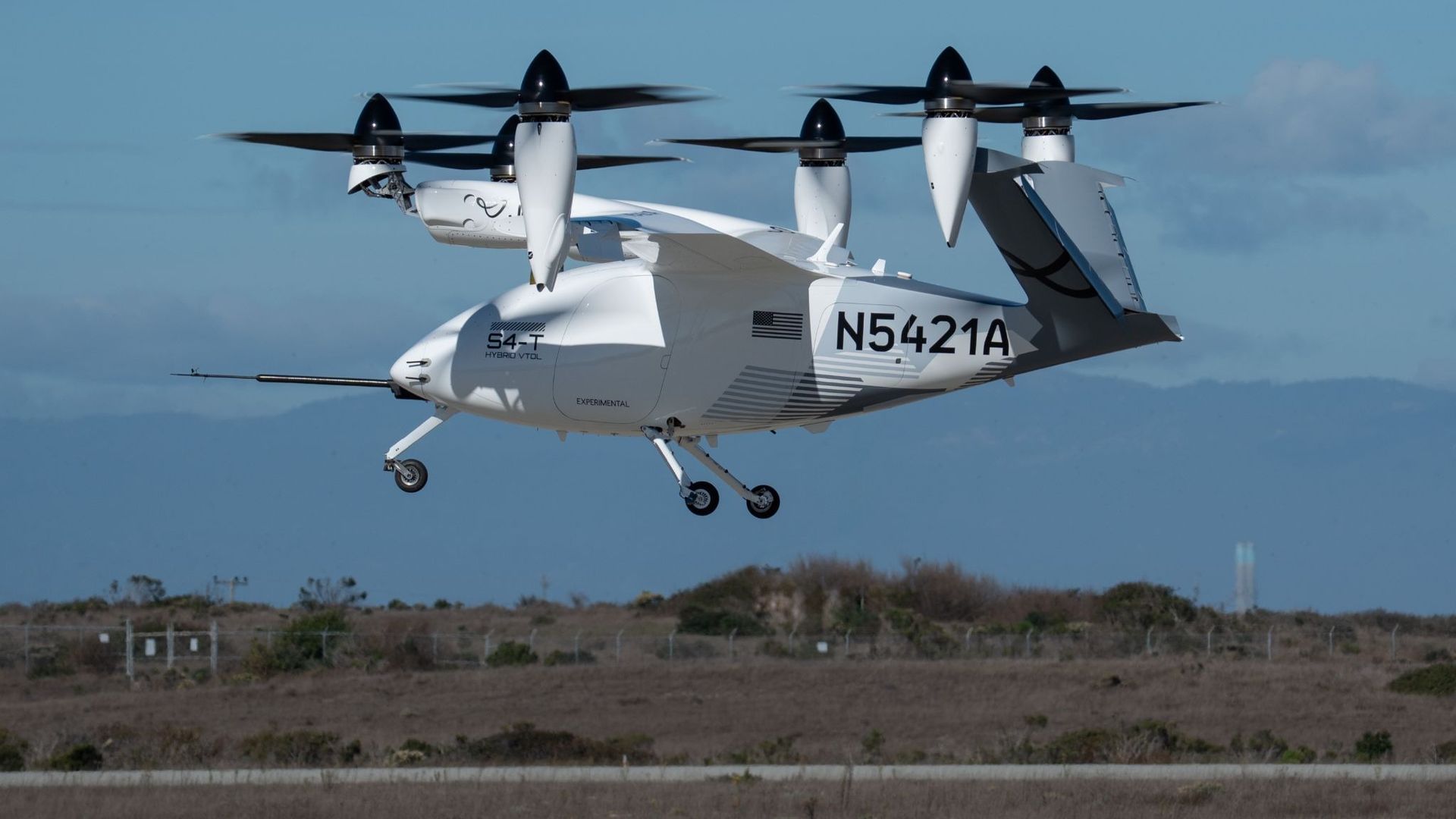
Joby Aviation this month flew for the first time an autonomous vertical-takeoff-and-landing aircraft it and L3Harris Technologies are developing for defense applications.
Why it matters: It's a major milestone for the project — one that opens the door for additional internal testing this year as well as military demonstrations next year.
The latest AI models powering ChatGPT just learned to be friendlier, improving the experience for people who use chatbots responsibly.
It could be a problem for those who don't or can't.
Why it matters: As chatbots become more humanlike in their behavior, it could increase the risks of unhealthy attachments, or a kind of trust that goes beyond what the products are built to handle.
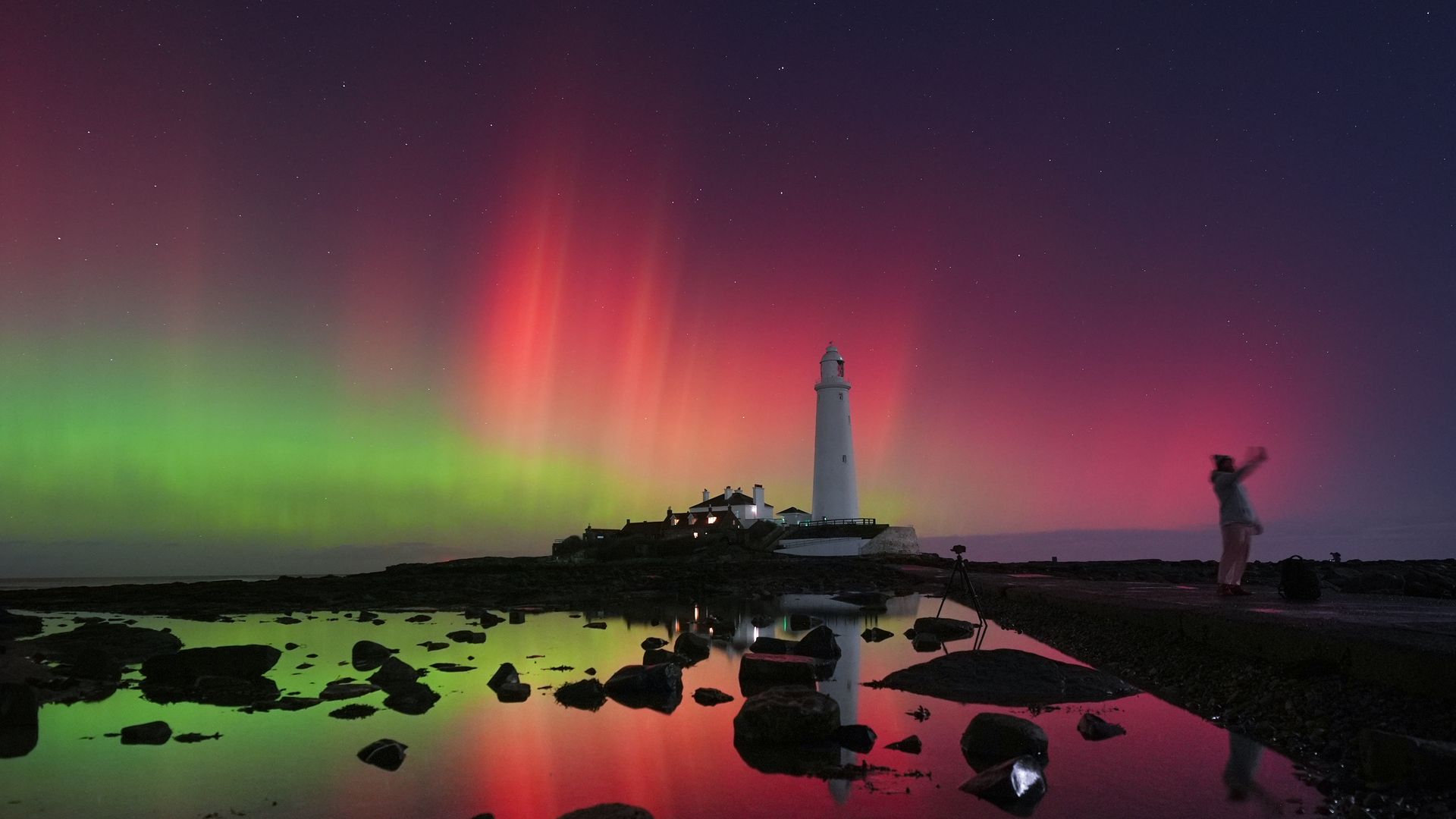
The Northern Lights have been illuminating skies across the U.S. this week, and some lucky spectators may get another chance to see the aurora borealis into Thursday.
The big picture: Intense G4 geomagnetic conditions, the second-highest on the National Oceanic and Atmospheric Administration's five-step scale, produced magnetic conditions that were "eight times stronger than what's normal" on Tuesday night, NOAA's Space Weather Prediction Center forecaster Shawn Dahl said in a video on X.