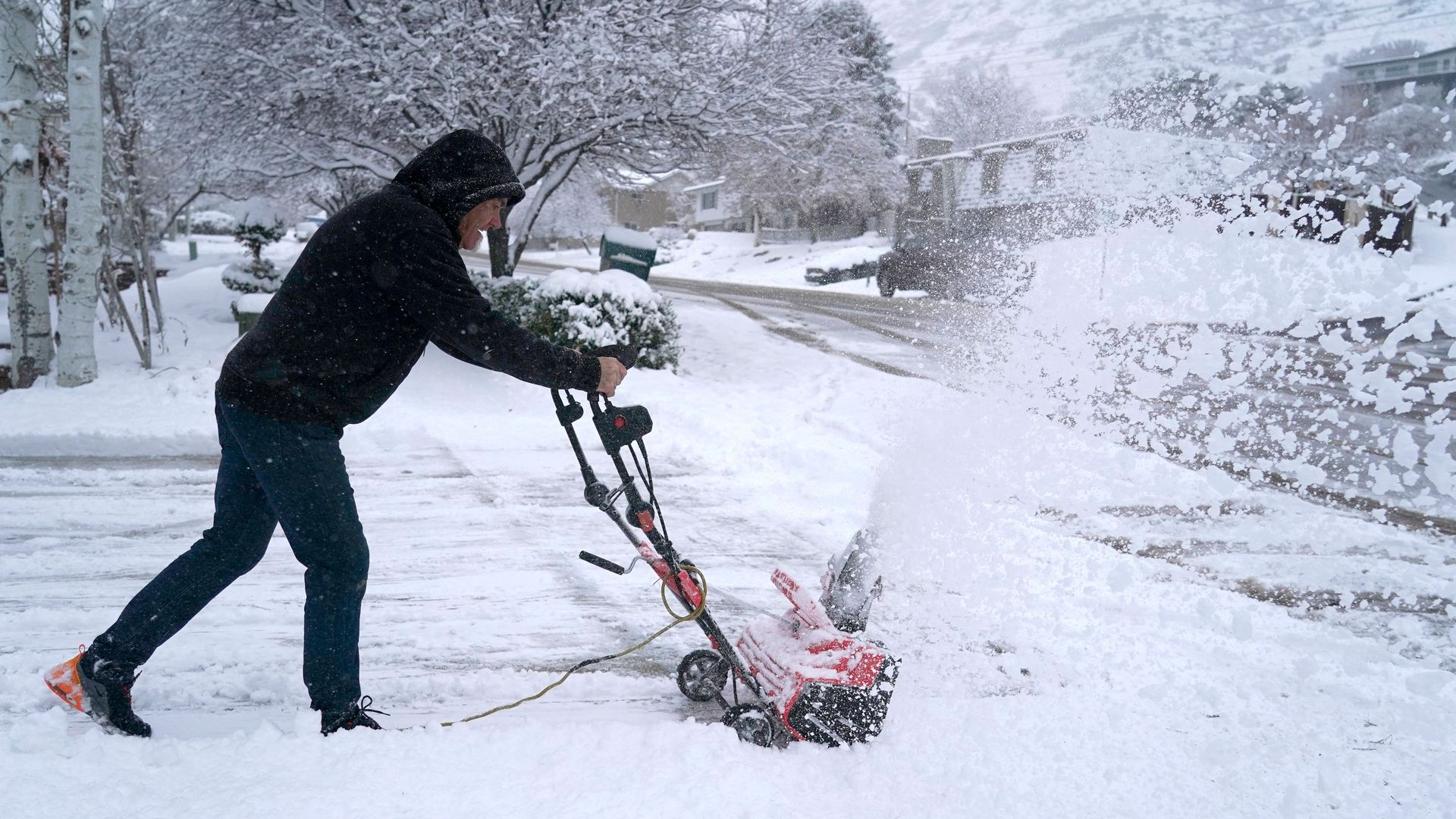
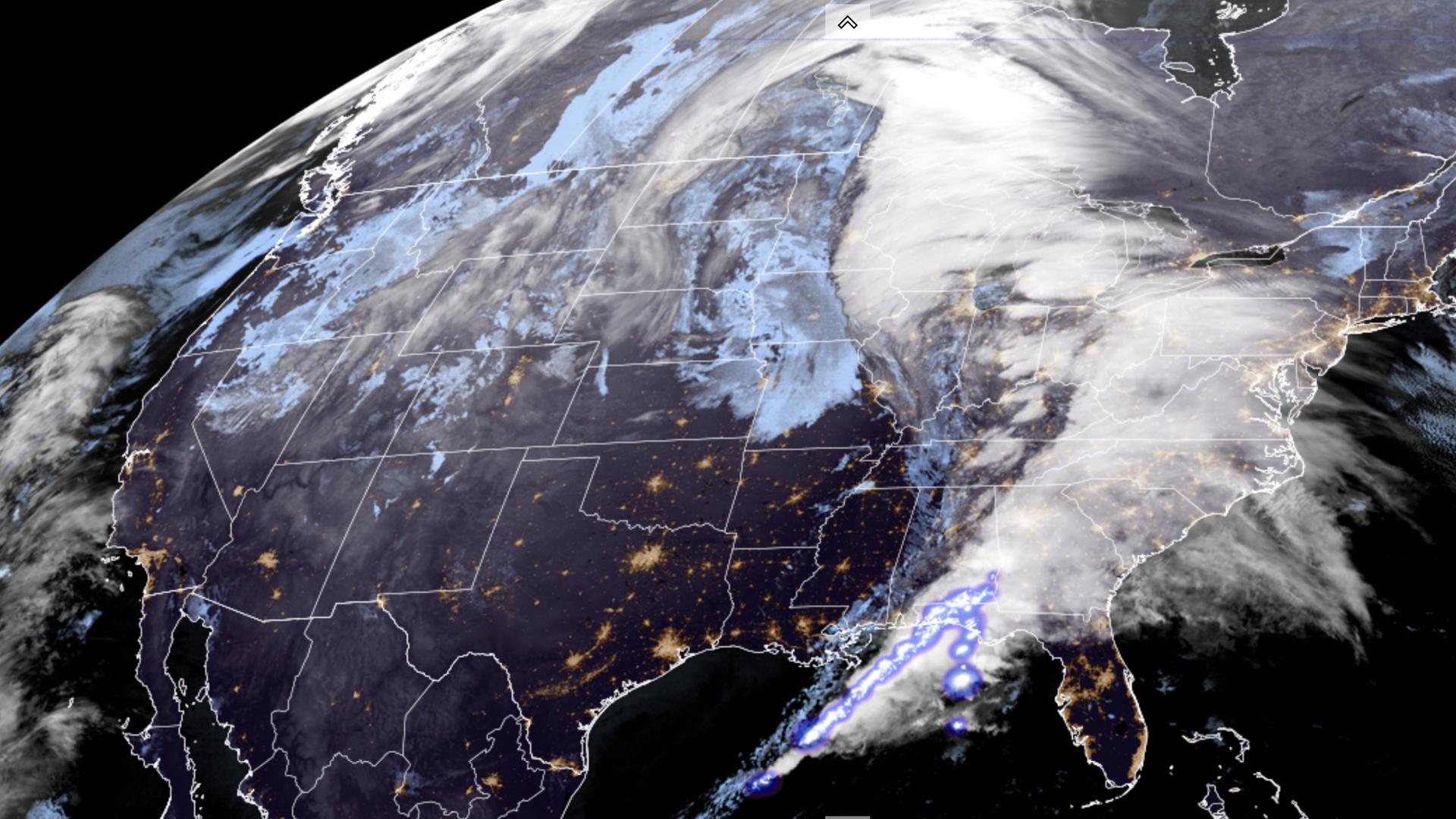
A destructive winter storm that's unleashed blizzard conditions and freezing rain on much of the country while spawning deadly tornadoes in the U.S. South began impacting the Northeast on Thursday night.
The big picture: More than 40 million people across the U.S. were under winter storm warnings or advisories Thursday, as the severe storm caused widespread power outages and travel chaos across several states.
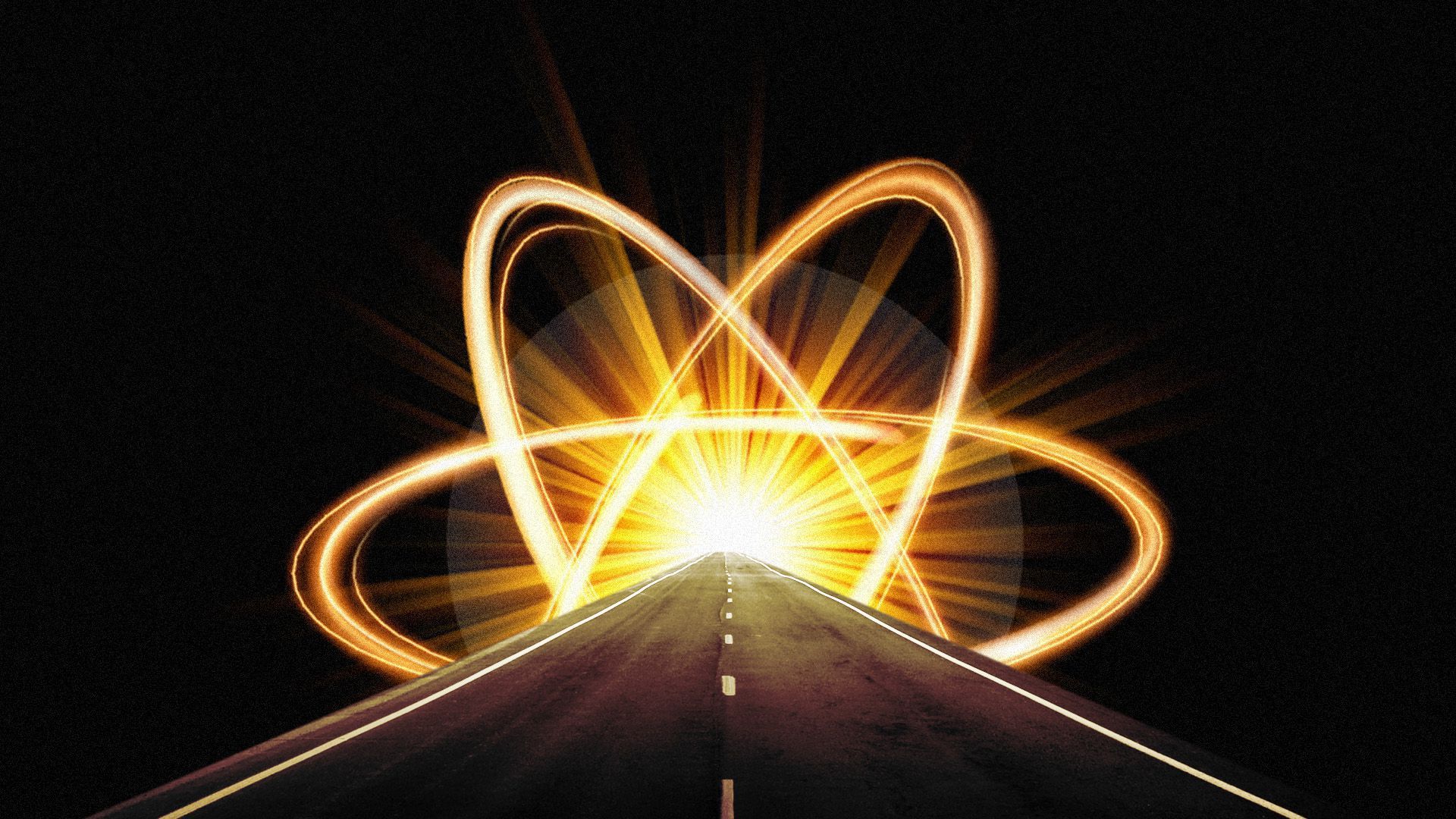
The path to powering the world with nuclear fusion energy involves solving key materials science and technology problems.
The big picture: This week's announcement of a major fusion reaction advance was a demonstration of the physics at the heart of a clean energy source scientists have pursued for decades. But scientific and engineering challenges remain, particularly the development of new materials.
A severe winter storm is closing in on the East Coast as it finishes sweeping through the Midwest and the Plains with blizzard conditions and freezing rain while spawning tornadoes in the southeast.
State of play: More than 40 million people across the U.S. were under winter storm warnings or advisories on Thursday morning.
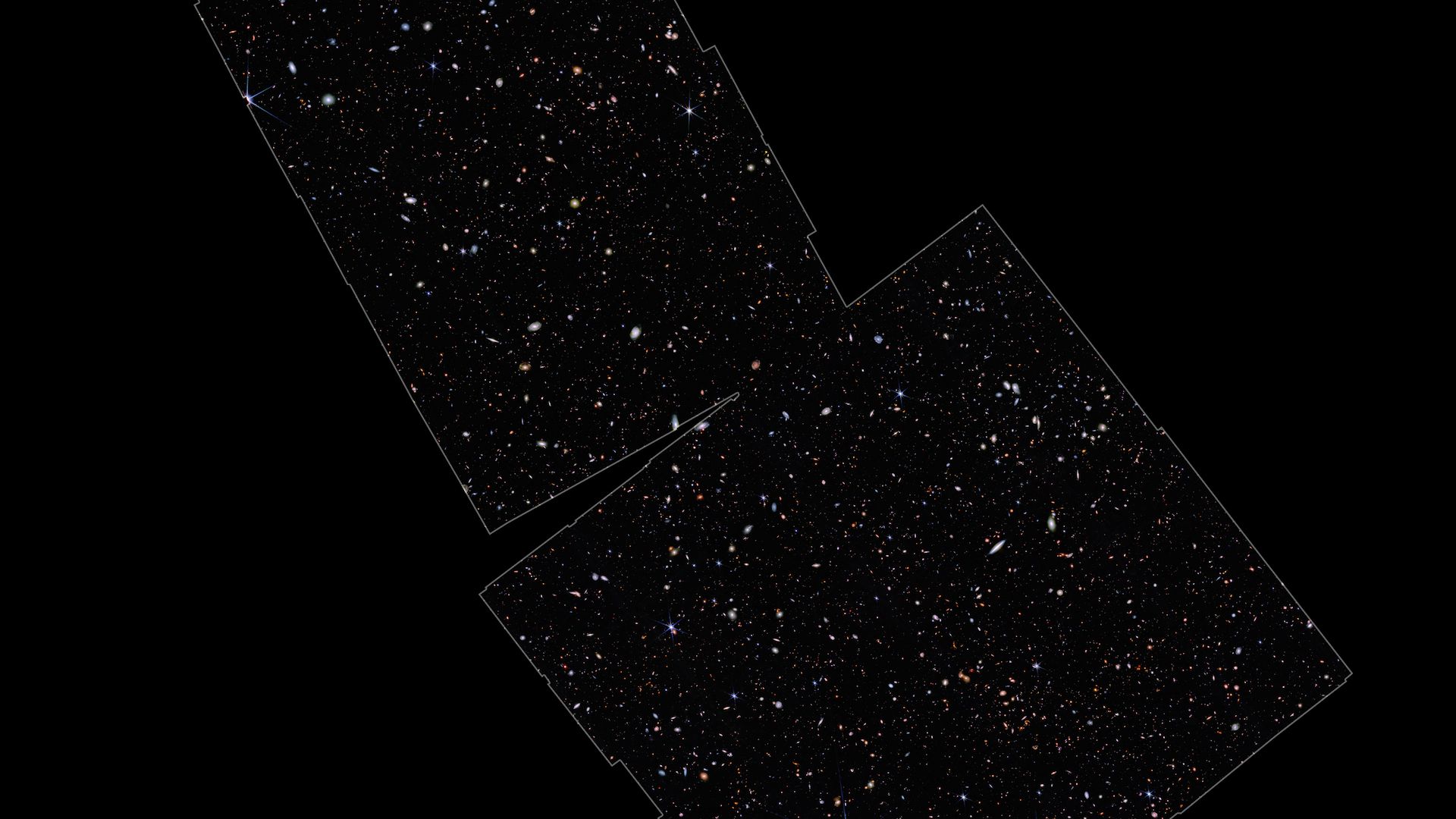
The James Webb Space Telescope has discovered the earliest galaxies yet seen, scientists confirmed last week.
Why it matters: One of the JWST's main tasks is to gather data about the earliest galaxies that formed in the universe, shedding light on how the cosmos came to be.
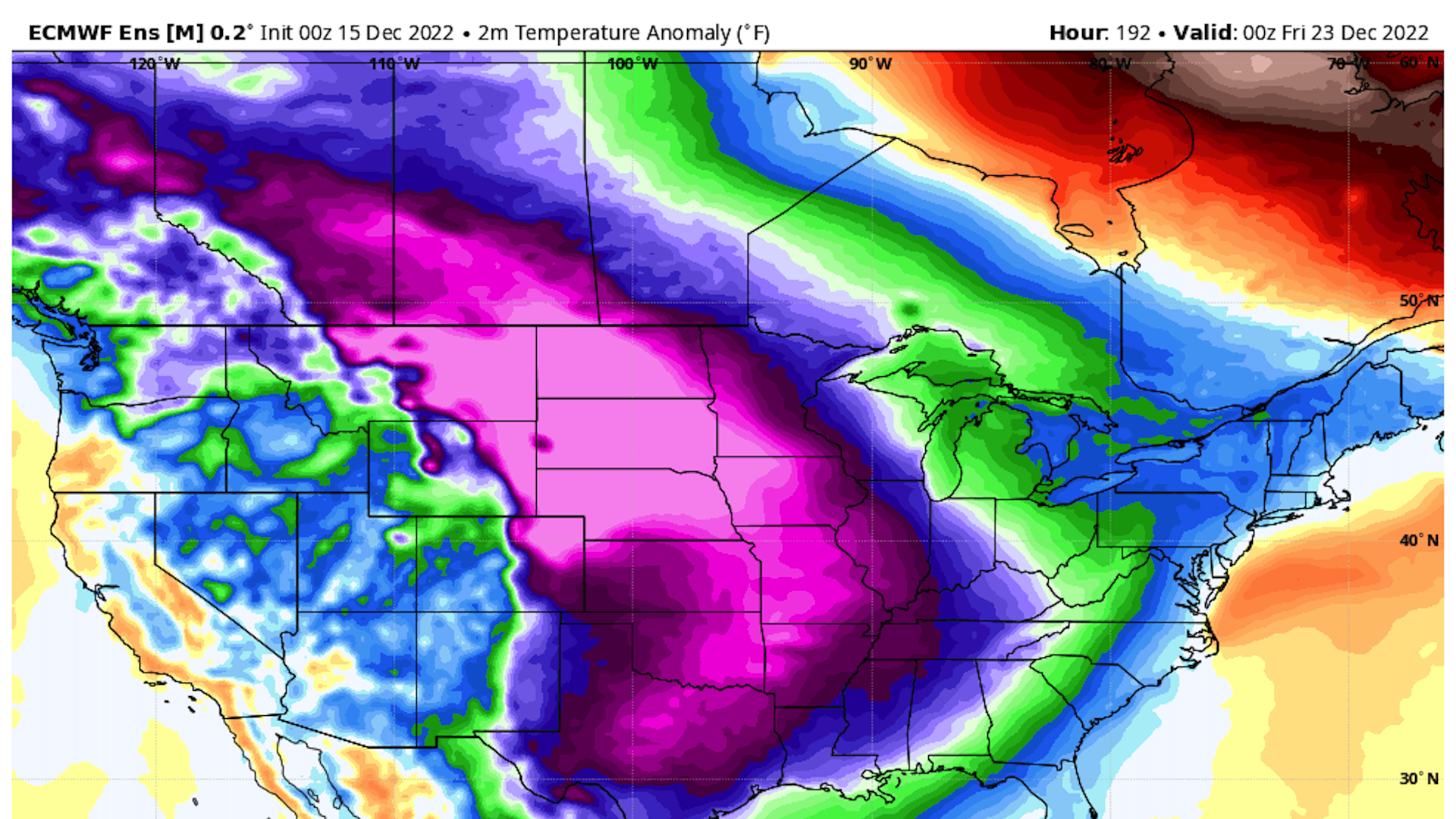
A blast of Arctic air straight from Siberia is poised to spread across the continental U.S. around Christmas, shattering records and potentially spinning up major storms.
Why it matters: Meteorologists tell Axios this may be the most extreme cold air mass to affect the U.S. during December in many years, with computer model data showing temperatures running 30 degrees below average by Dec. 23.
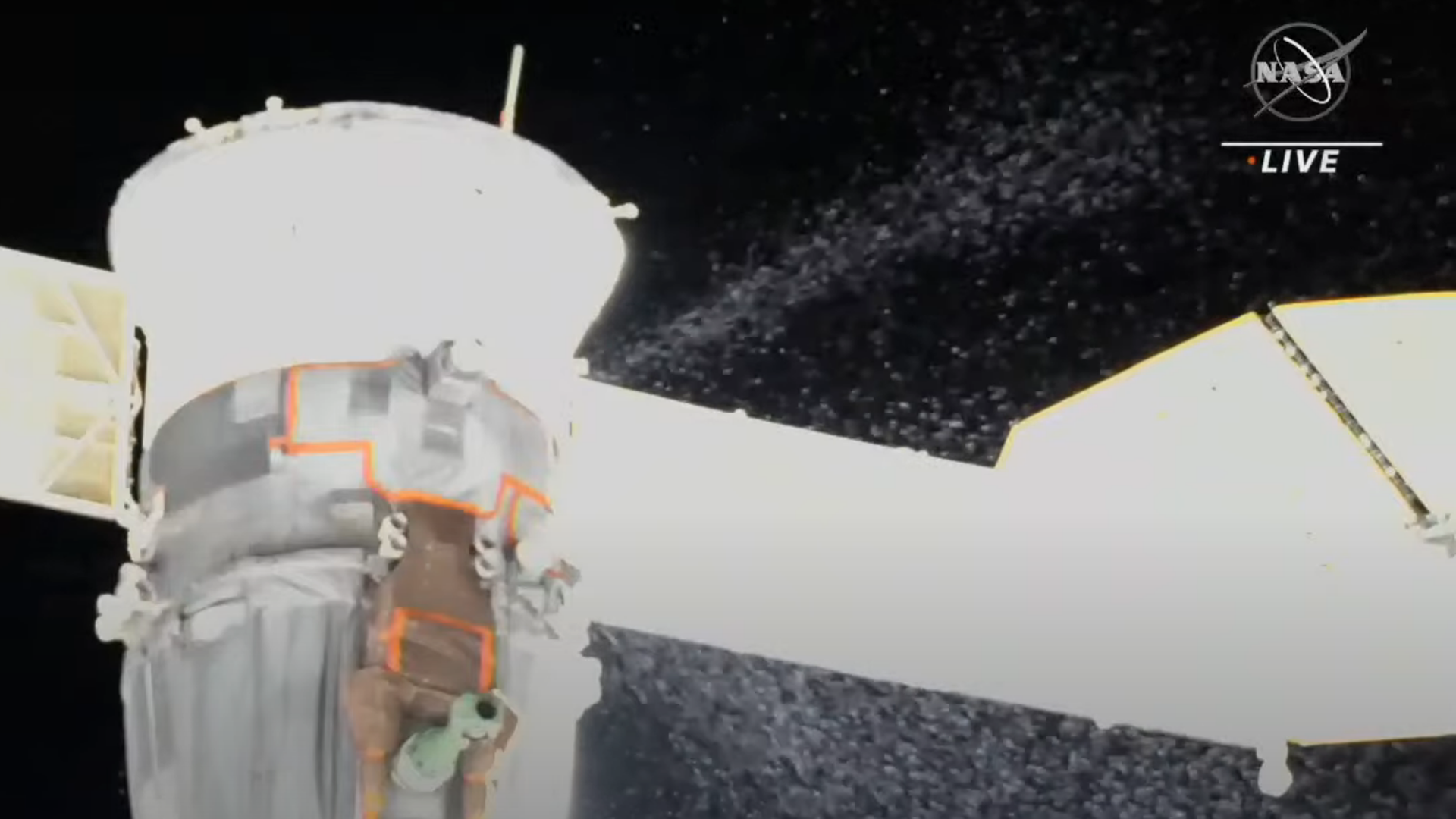
A spacewalk from the International Space Station by two Russian cosmonauts was canceled Thursday after U.S. and Russian flight controllers noticed a stream of particles exiting a docked Soyuz spacecraft, NASA said.
Why it matters: The leak occurred as cosmonauts Sergey Prokopyev and Dmitri Petelin were suiting up to venture outside the station and move a radiator from one module to another on the Russian portion of the ISS.