Thousands of people evacuated their homes as a fire at the Winston Weaver Company fertilizer plant in Winston-Salem, North Carolina, that began Monday night, continues to burn uncontrollably.
Why it matters: Dangerous chemicals at the plant could cause a large explosion if the fire continues to burn, AP notes.
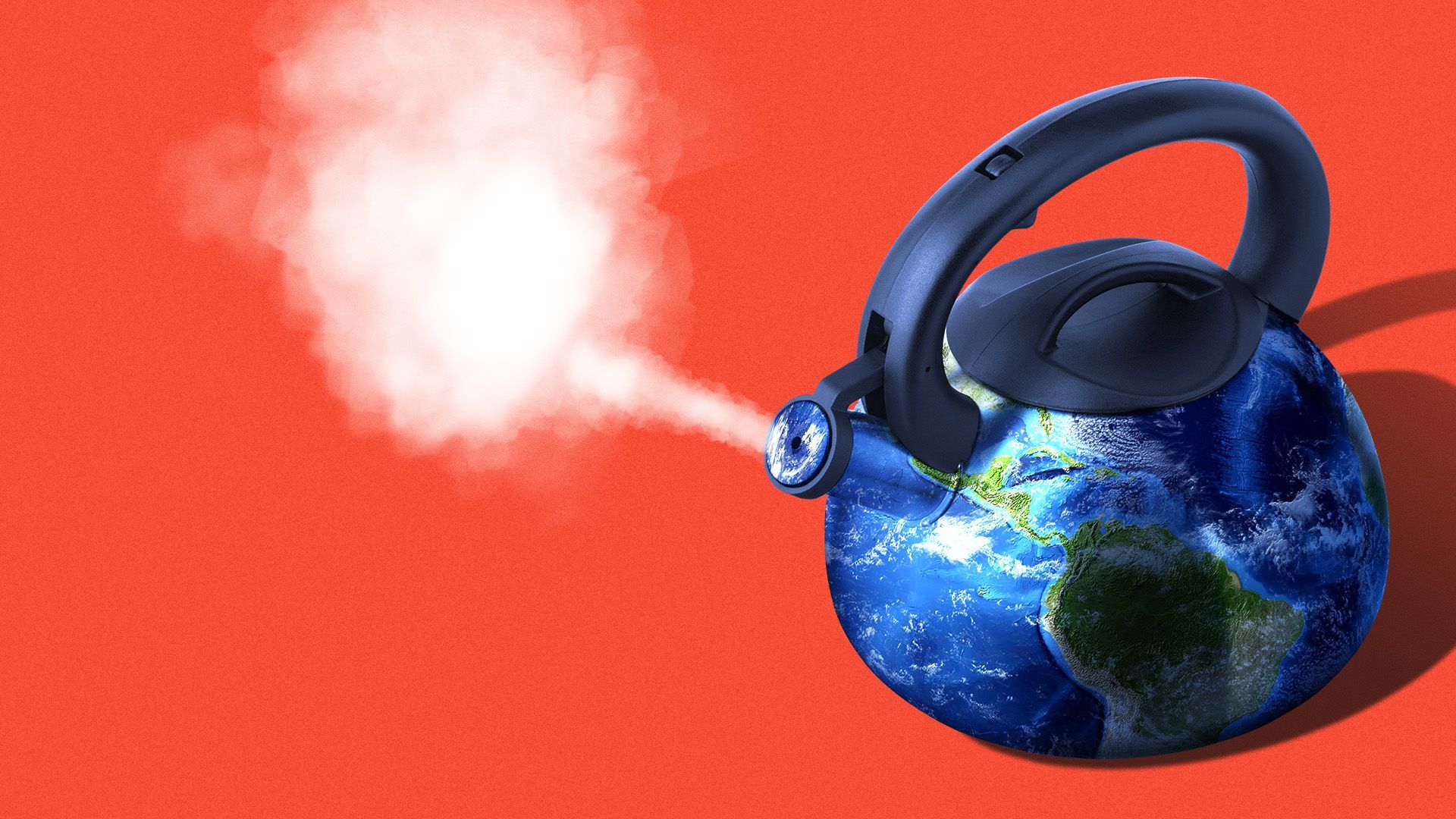
By taking into account how increasing surface temperatures will alter both humidity and a measure of the energy contained in the atmosphere, a new study finds the world is at a growing risk of extreme weather events.
Driving the news: The study, published Monday in Proceedings of the National Academy of Sciences, focuses on an integrated temperature and humidity metric.
Scientists recorded a single lightning flash lasting 17.1 seconds in June of 2020 over Uruguay and northern Argentina, becoming the longest lasting lightning flash ever recorded, the World Meteorological Organization (WMO) announced.
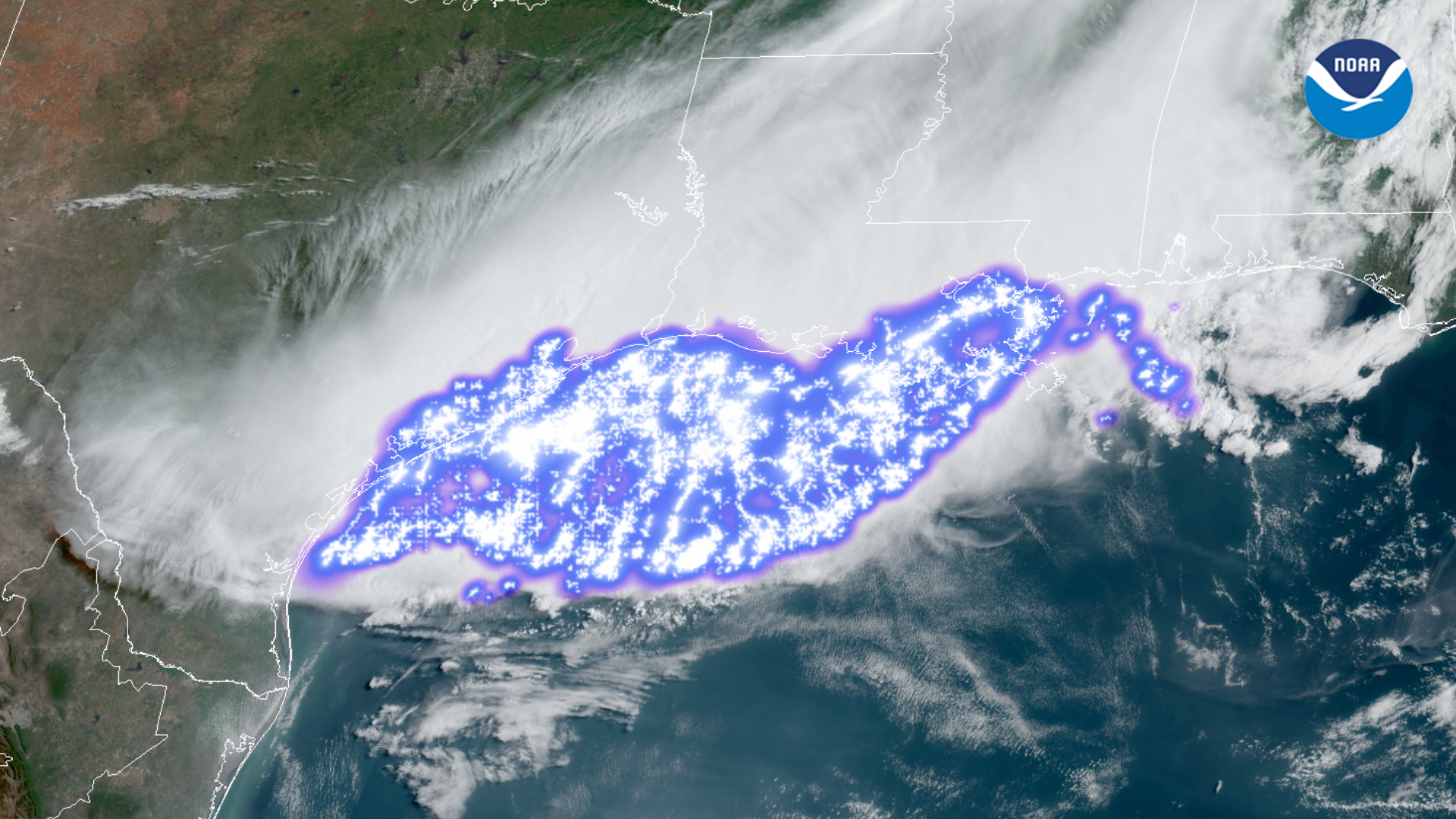
Why it matters: The strike was one of two new new lightning-related world records established by the WMO on Monday, the other being a lightning strike that covered around 477 miles in the southern U.S. on April 29, 2020.
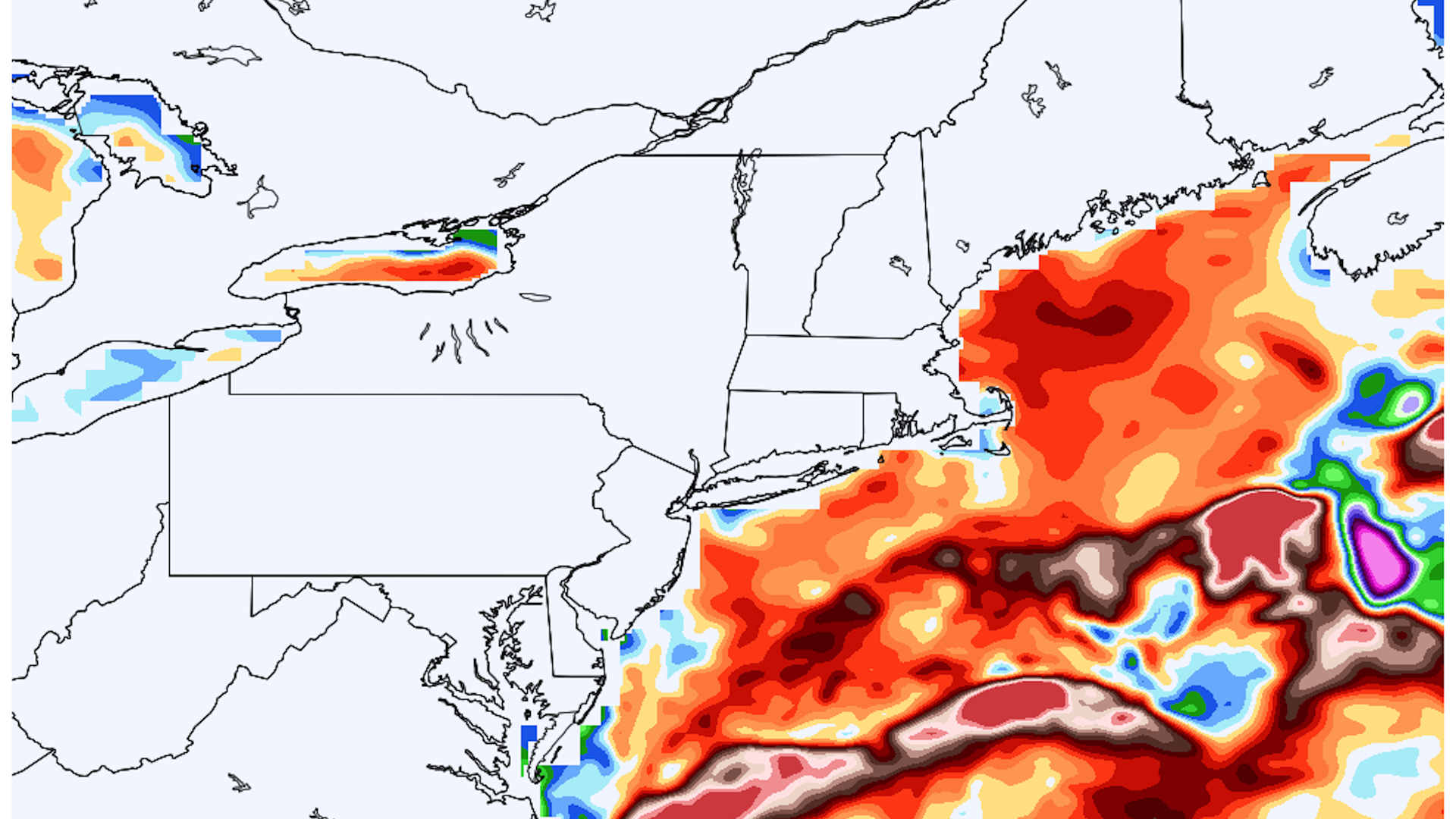
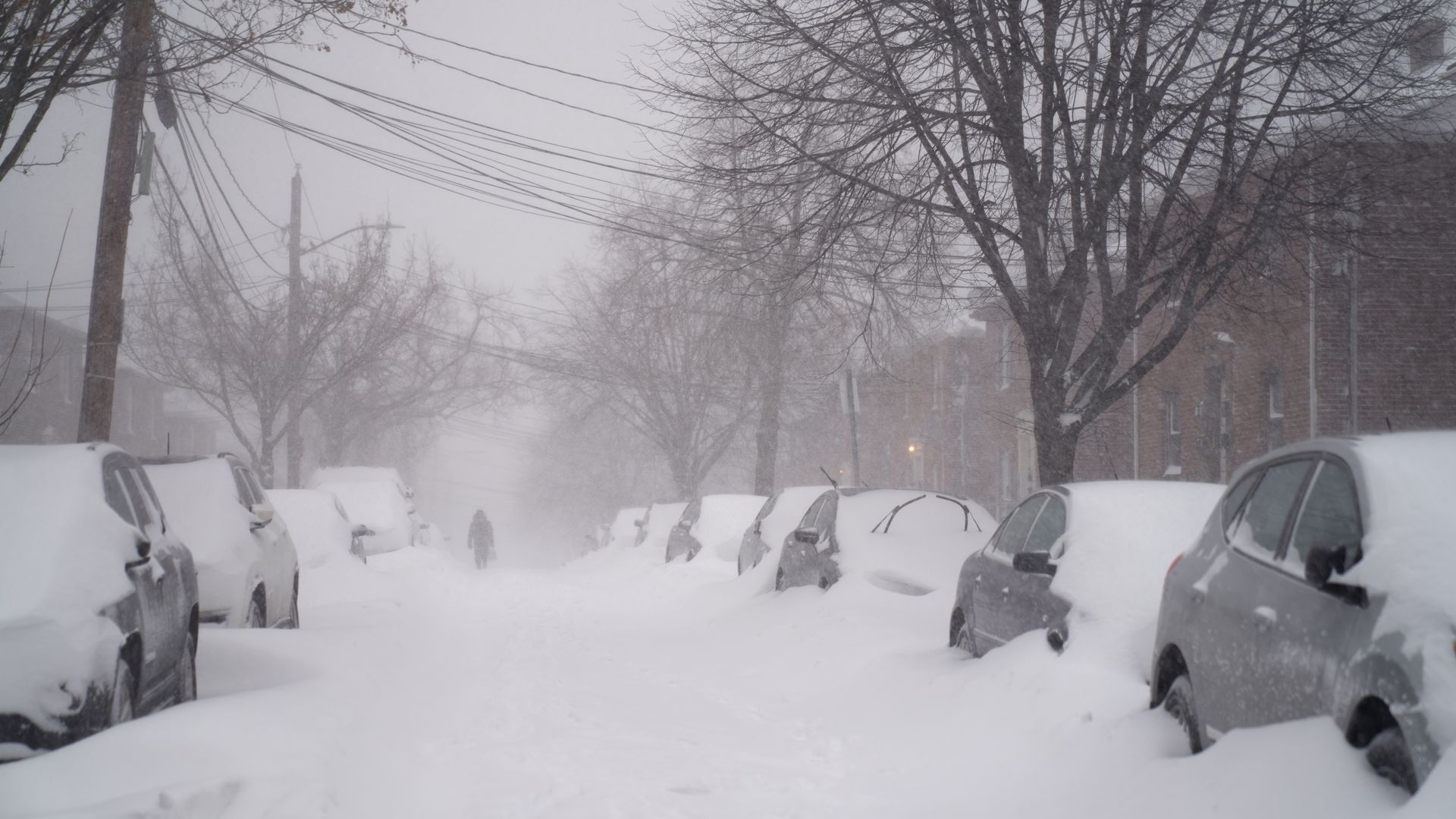
The weekend blizzard that slammed coastal Mid-Atlantic and New England with up to 30.9 inches of snow and howling winds is consistent with climate science research showing how the characteristics of these winter storms are changing.
Why it matters: Nor'easters have been affecting New England for generations, and they are deadly and costly. Climate change may be making these weather systems more potent.
Thousands of customers were without power in Massachusetts after a historic blizzard hit the region on Saturday, with Boston tying its record for the most snow to fall in one day, at 23.6 inches, and recording its sixth-largest snowstorm of all time.
The latest: Authorities in New York's Long Island have confirmed four storm-related deaths over the weekend, including two men who died shoveling snow in separate incidents in the town of Syosset.