A trend toward rapidly intensifying, powerful hurricanes in recent years is spurring experts to examine more closely how to prepare communities to better withstand such violent weather.
Driving the news: The U.S. National Science Foundation (NSF) recently awarded about $13 million over four years to Florida International University's (FIU) Extreme Events Institute to support the design of what is essentially a "Category 6" storm simulator.
Thousands of people evacuated their homes as a fire at the Winston Weaver Company fertilizer plant in Winston-Salem, North Carolina, that began Monday night, continues to burn uncontrollably.
Why it matters: Dangerous chemicals at the plant could cause a large explosion if the fire continues to burn, AP notes.
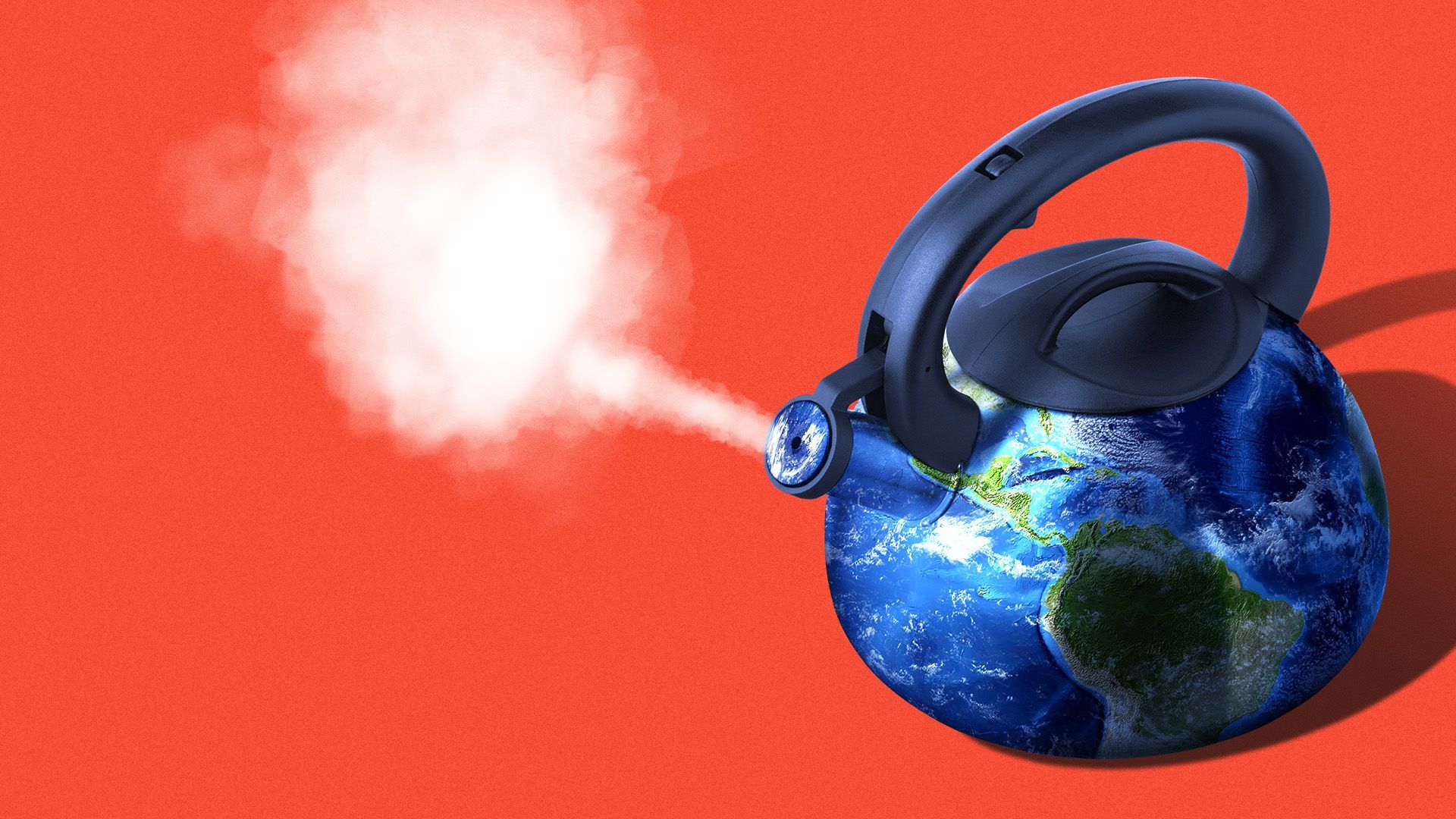
By taking into account how increasing surface temperatures will alter both humidity and a measure of the energy contained in the atmosphere, a new study finds the world is at a growing risk of extreme weather events.
Driving the news: The study, published Monday in Proceedings of the National Academy of Sciences, focuses on an integrated temperature and humidity metric.
Scientists recorded a single lightning flash lasting 17.1 seconds in June of 2020 over Uruguay and northern Argentina, becoming the longest lasting lightning flash ever recorded, the World Meteorological Organization (WMO) announced.
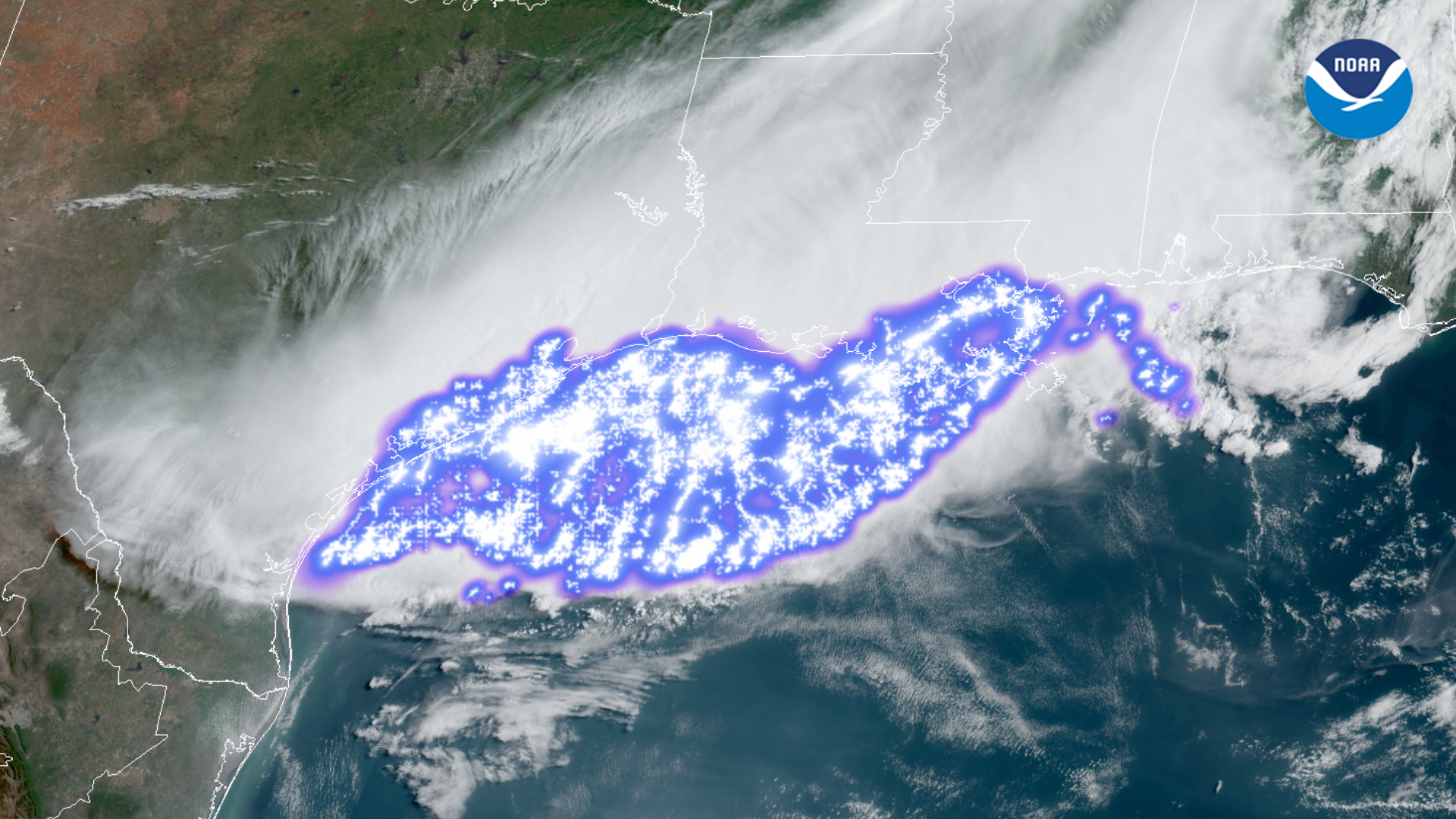
Why it matters: The strike was one of two new new lightning-related world records established by the WMO on Monday, the other being a lightning strike that covered around 477 miles in the southern U.S. on April 29, 2020.