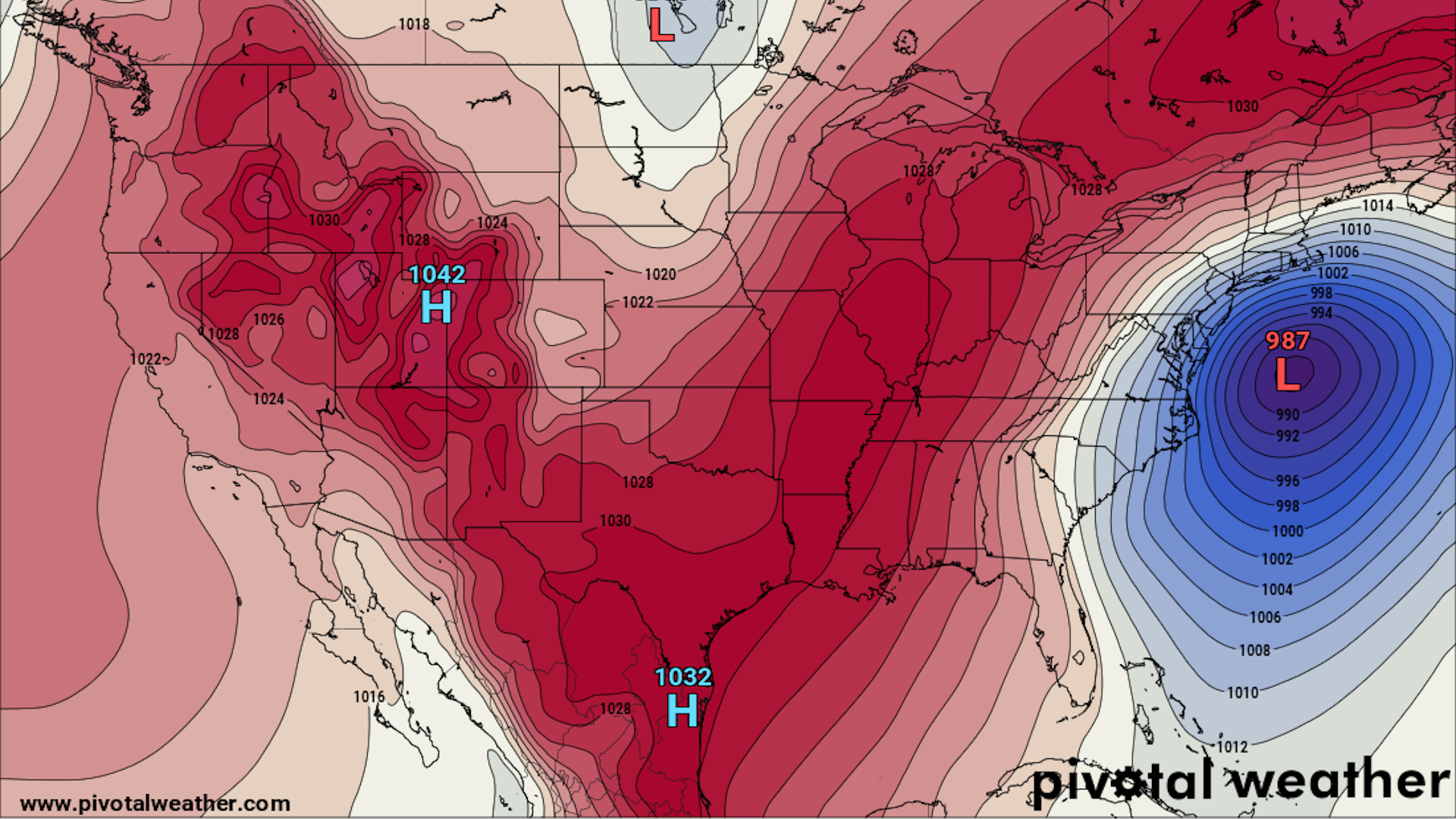
A high-impact, powerful winter storm is becoming more likely to affect parts of New England and potentially the Mid-Atlantic states this weekend.
Threat level: The storm, now simulated by most of the reliable computer models used as weather forecasting tools, could bring upwards of a foot of snow, blizzard conditions due to high winds and heavy snow and coastal flooding from Long Island to Maine.
Providing cash aid to poor mothers during the first year of their babies' lives helped improve the infants' brain activity, according to a new study published Monday in the Proceedings of the National Academies of Sciences journal.
Why it matters: The findings of the study underscore the role that financial aid can play in children's early development and could potentially have social policy implications.
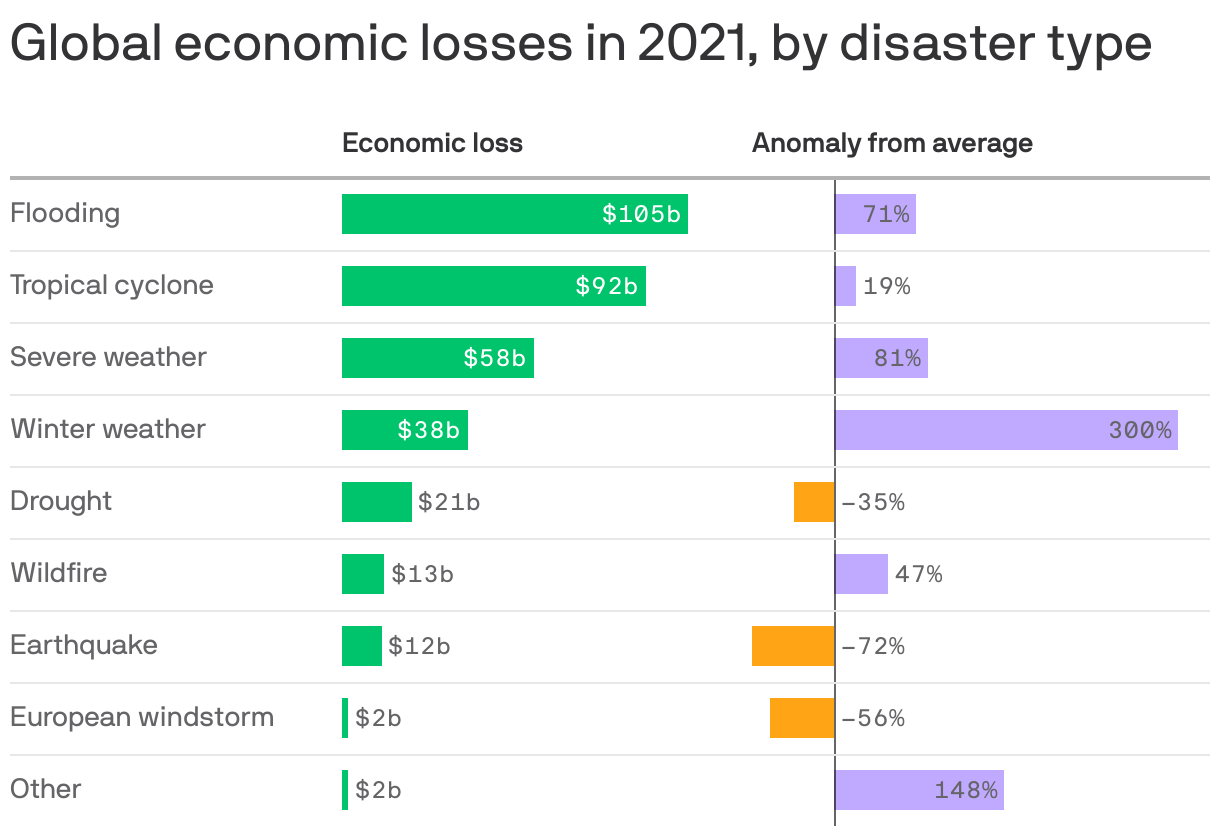
The consulting firm Aon is out Tuesday with its summary of natural disasters report from 2021, which has a heavy emphasis on economic losses from climate and extreme weather events.
Why it matters: As the world warms, certain extreme events are becoming more severe and frequent, although climate trends may not be easy to discern in the aggregate statistics.
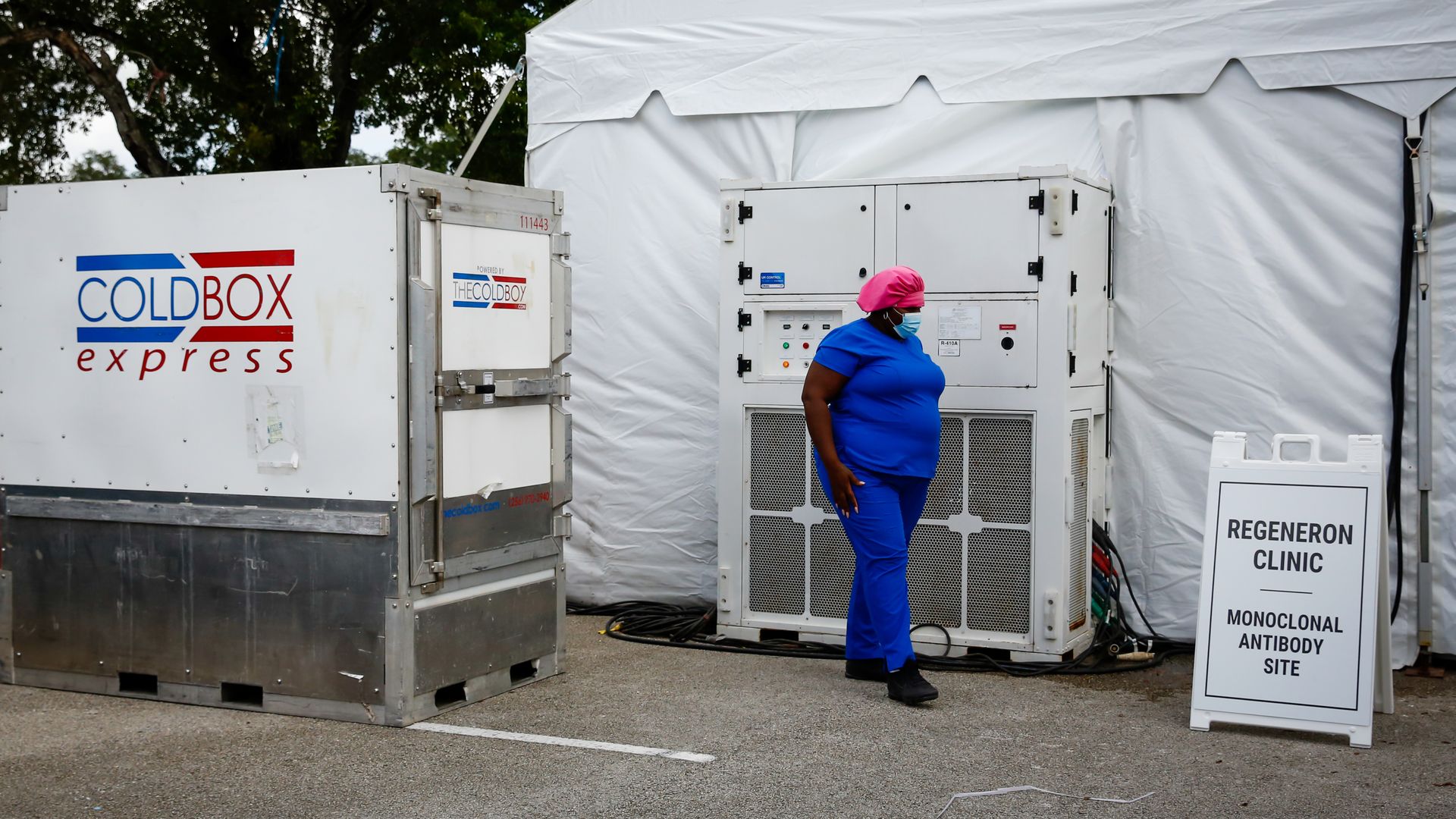
The FDA said Monday it's limiting the use of two monoclonal antibody therapies as COVID-19 treatments because data indicates they're "highly unlikely" to be effective against the dominant Omicron variant.
Driving the news: The FDA revised the authorizations for Regeneron and Eli Lilly "to limit their use to only when the patient is likely to have been infected with or exposed to a variant that is susceptible to these treatments," per a statement from the agency.
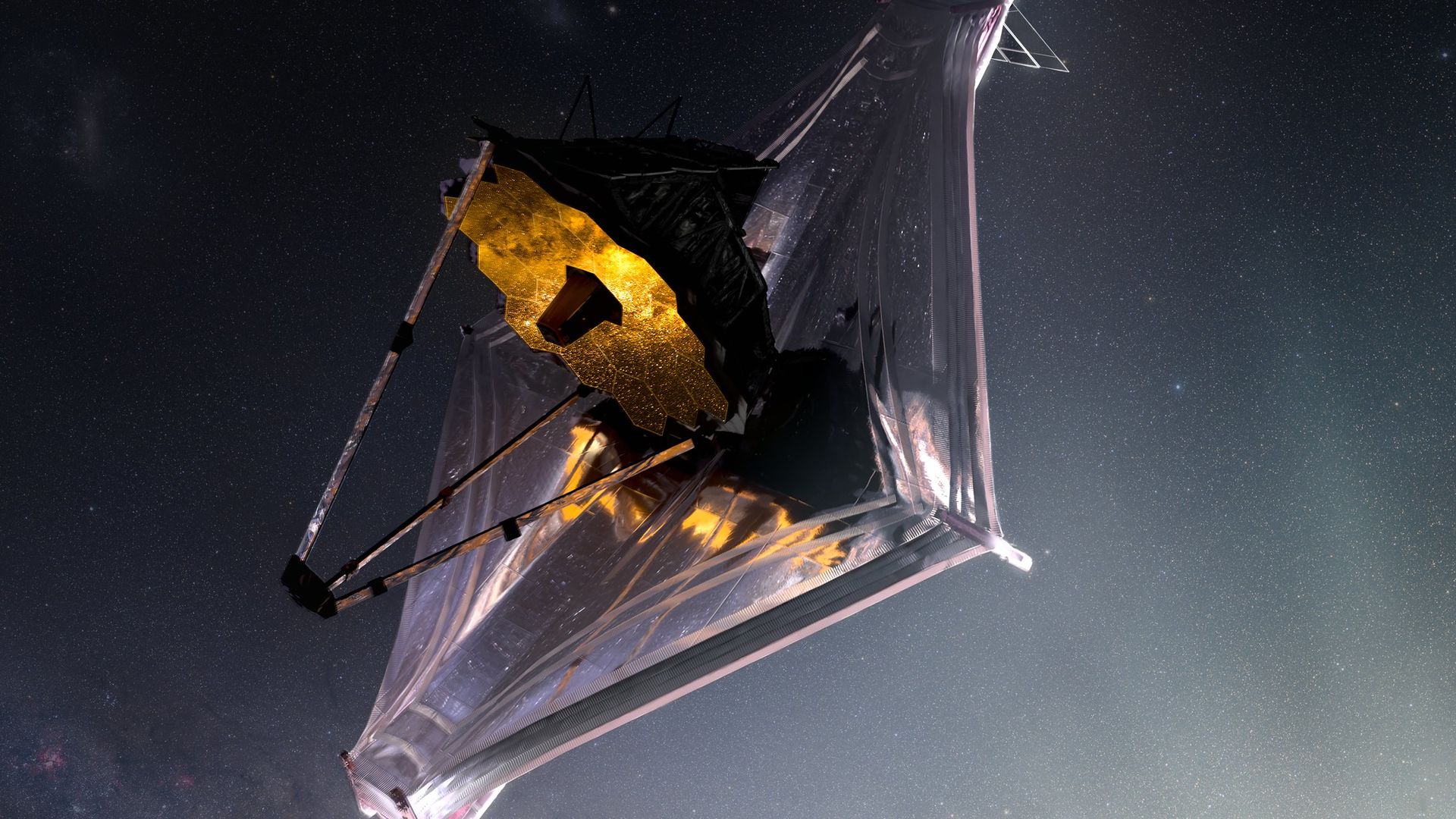
NASA's James Webb Space Telescope has officially reached its destination about 1 million miles from Earth, bringing it closer to science operations later this year.
Why it matters: The $10 billion space telescope is designed to change the way scientists understand how the universe formed not long after the Big Bang.