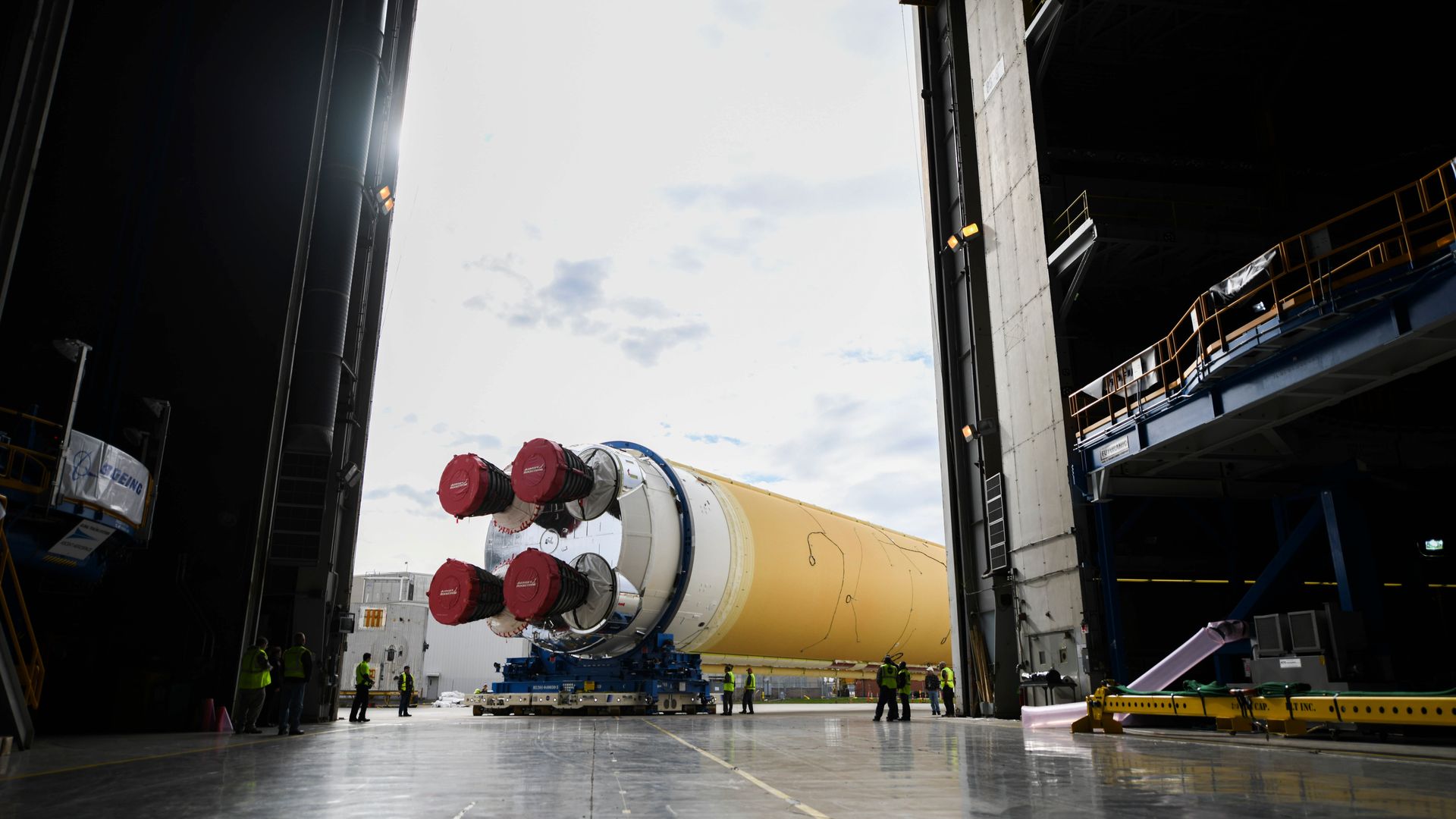
NASA officials announced Tuesday that they have delayed plans for an astronaut mission to land on the Moon to 2025 at the earliest.
Why it matters: The Trump administration had previously moved up the deadline for a new landing from 2028 to 2024 but experts cast doubt on the idea that NASA could land humans back on the Moon in that timeframe, per Axios' Miriam Kramer.
Researchers detected 35 new gravitational wave signals sent out by some of the most extreme crashes between massive objects in the universe over the course of four months.
Why it matters: These gravitational wave signals allow scientists to learn more about how massive objects like black holes and neutron stars that warp the fabric of the universe work and interact with one another.
Astronomers are now at a point where they can test theories, settle debates and answer age-old questions about our universe that weren't possible even a decade ago.
Driving the news: An influential report published last week puts forward ambitious plans to develop technologies over the next 10 years that will fuel new discoveries about life in the universe.
A billion people will endure extreme heat stress if global temperatures were to increase by 2°C (3.6°F), research announced Tuesday by the U.K.'s Met Office at the COP26 climate summit warns.
Why it matters: Current targets being discussed at COP26 in Glasgow, Scotland, would see global average temperatures overshoot the Paris Agreement's most ambitious target of 1.5ºC of warming, compared to preindustrial levels, per Axios' Andrew Freedman.
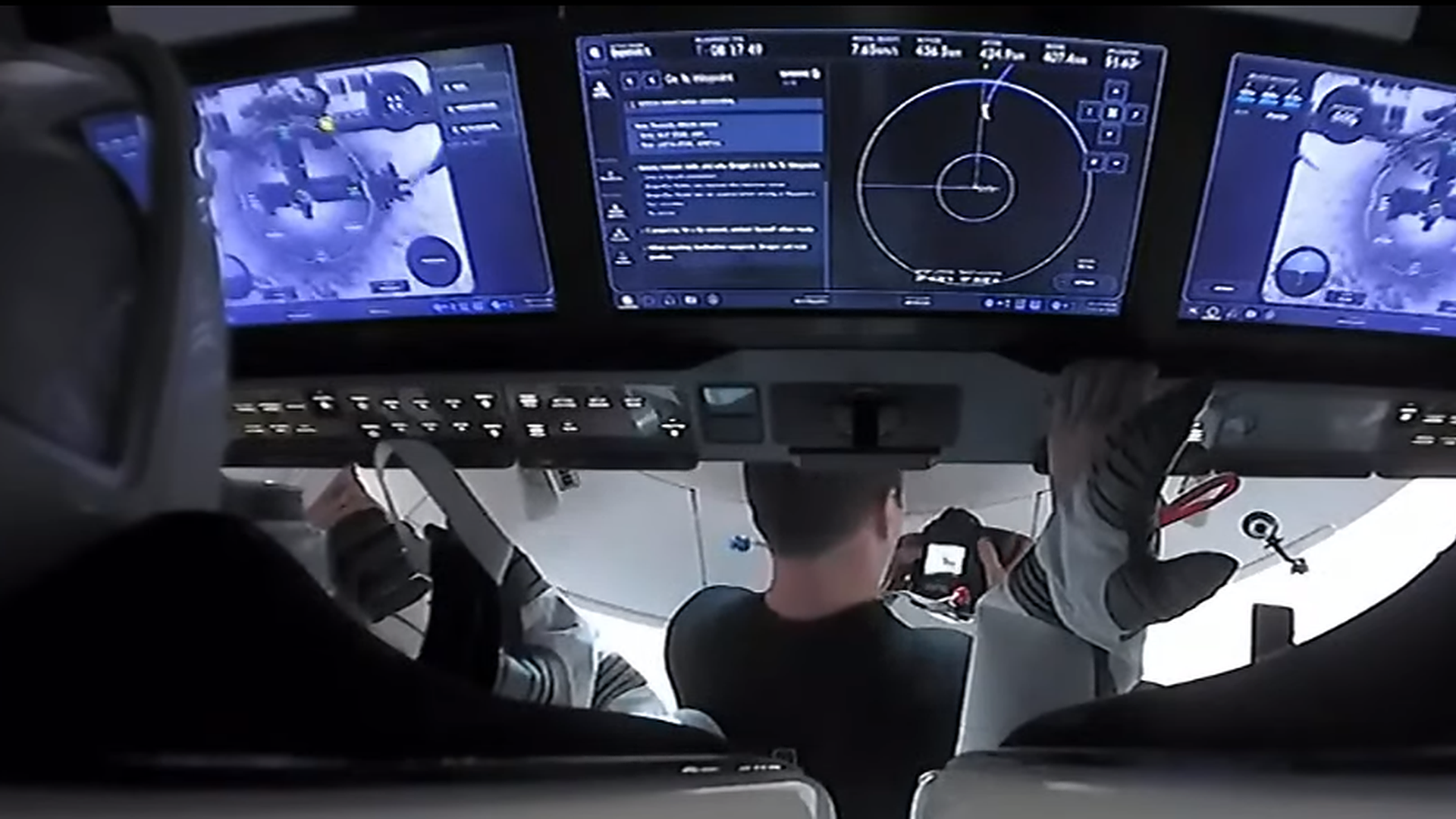
Four astronauts on the SpaceX Crew-2 mission splashed down in the Gulf of Mexico near Pensacola, Florida, Monday night after a six-month stay on the International Space Station.
The big picture: The return of NASA's Shane Kimbrough and Megan McArthur, Japanese astronaut Akihiko Hoshide and the European Space Agency's Thomas Pesquet comes ahead of another SpaceX launch to the ISS of four more crew members that's scheduled for Wednesday.


/2021/11/09/1636475743499.gif?w=3840)