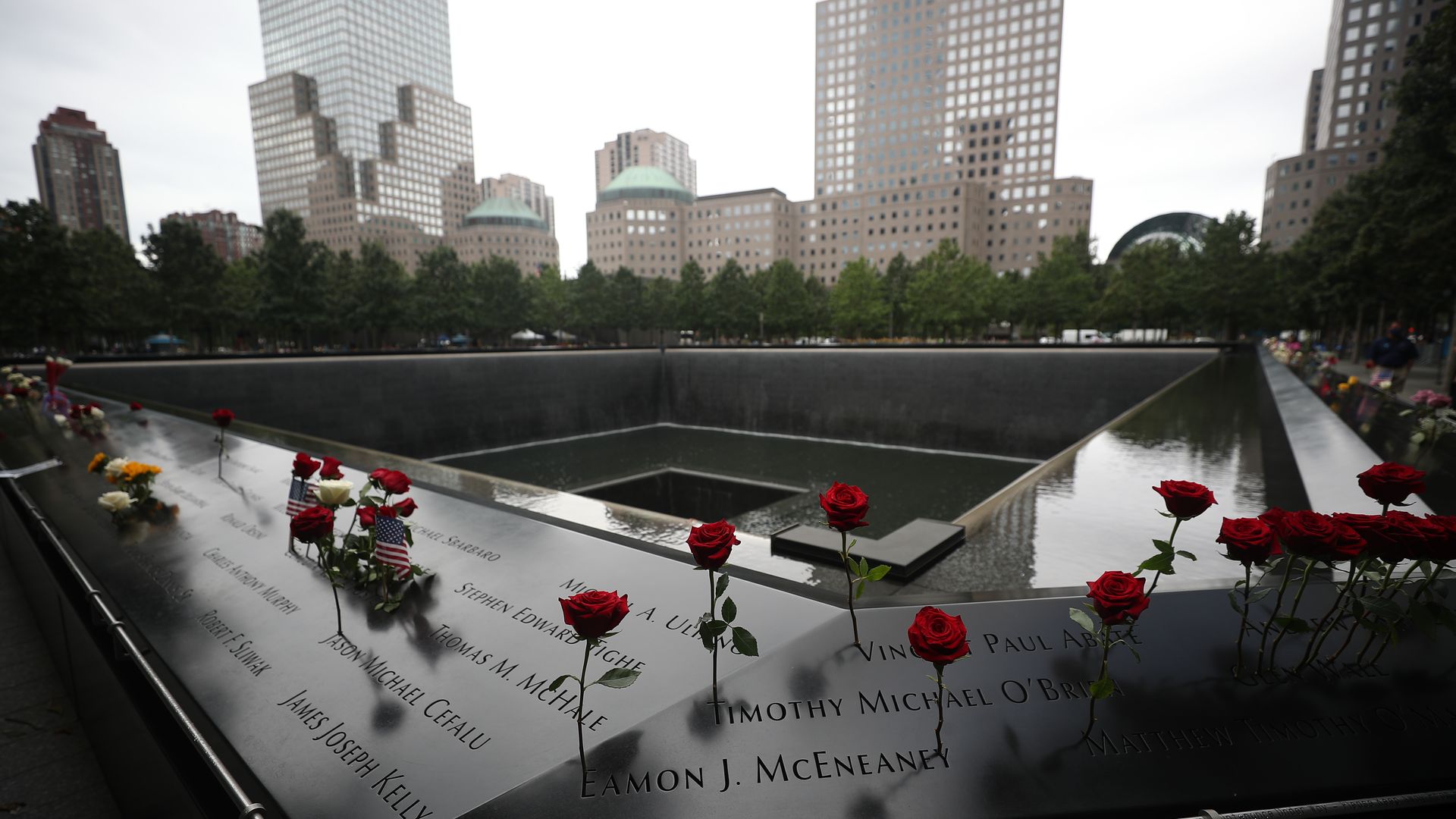
New York City's chief medical examiner has identified two more 9/11 victims, just days before the country prepares to commemorate the 20th anniversary of the terror attacks.
Why it matters: 40% of those who died in New York, or 1,106 victims, remain unidentified, per NBC New York. Identifications are still being made thanks to advances in DNA testing.
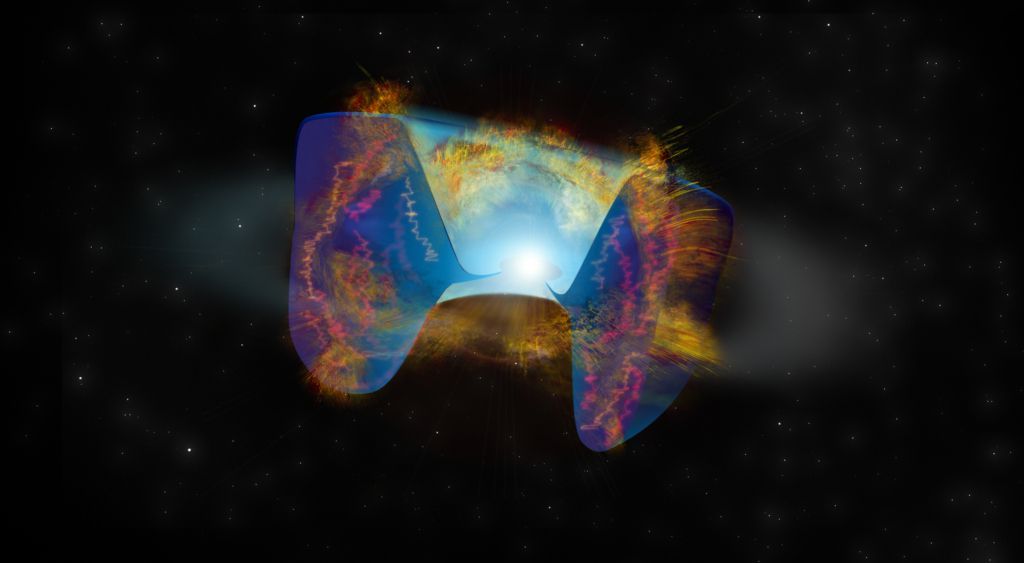
Artist's illustration of the aftermath of the supernova. Credit: Bill Saxton, NRAO/AUI/NSF
Scientists think they may have found a type of supernova never before seen.
Why it matters: Typically, massive stars explode as supernovas when they run out of fuel, but researchers have been on the lookout for other kinds of stellar explosions that might help them better understand the strangeness of our universe.
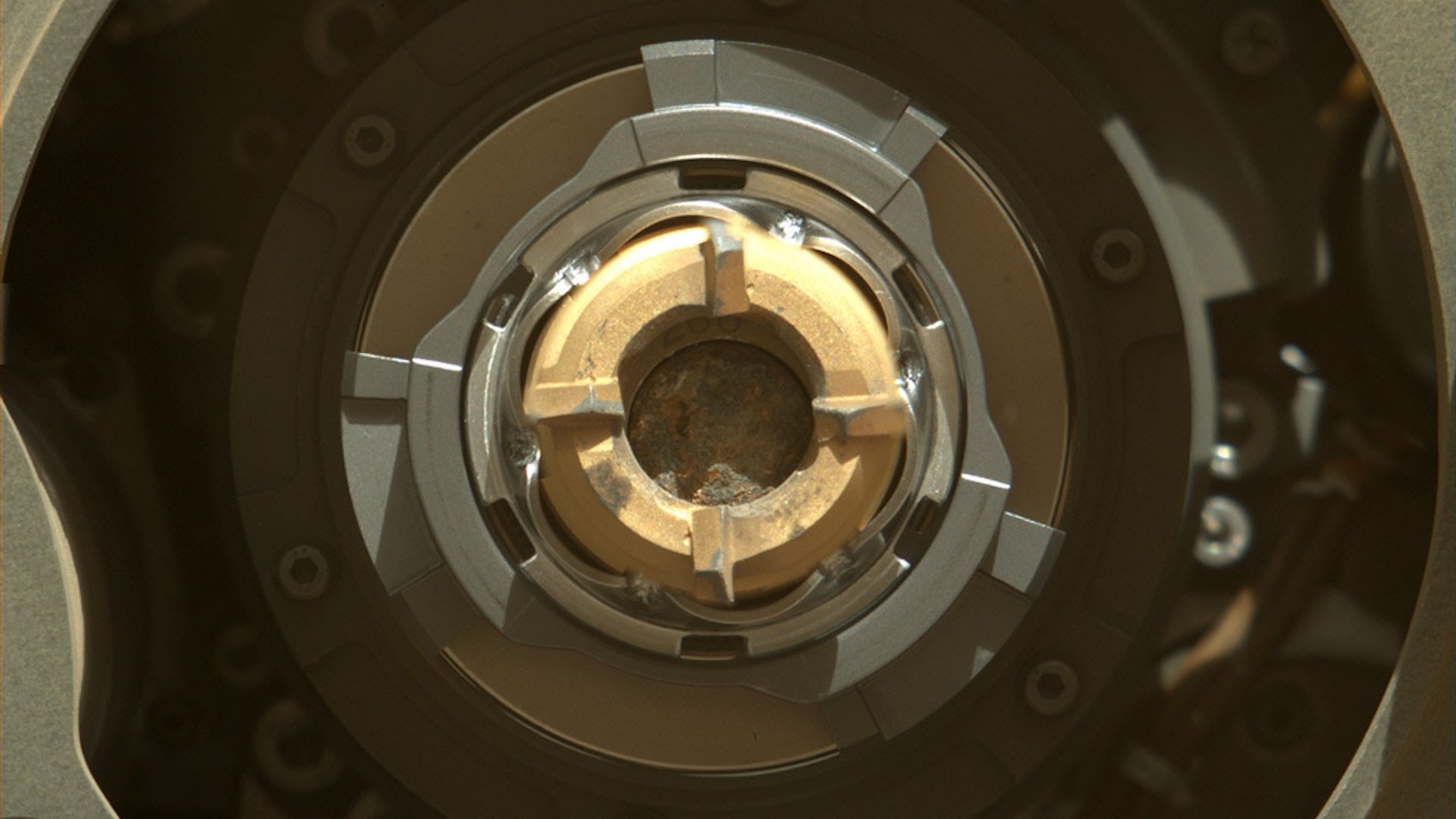
NASA's Perseverance rover collected its first sample of a rock on Mars.
Why it matters: This sample and others in the future are expected to help scientists figure out whether the Red Planet once played host to life in its habitable environments billions of years ago.
The all-civilian Inspiration4 crew's training program to prepare them for their trip to orbit is a reality check on the space industry's goal to send many more ordinary people to space.
Why it matters: One day SpaceX, which is operating the upcoming mission, hopes to help establish a settlement on Mars and other companies like Blue Origin are working to build futures where millions of people live and work in space. In order to do that, more people need to fly to space — with far less preparation and more ease.
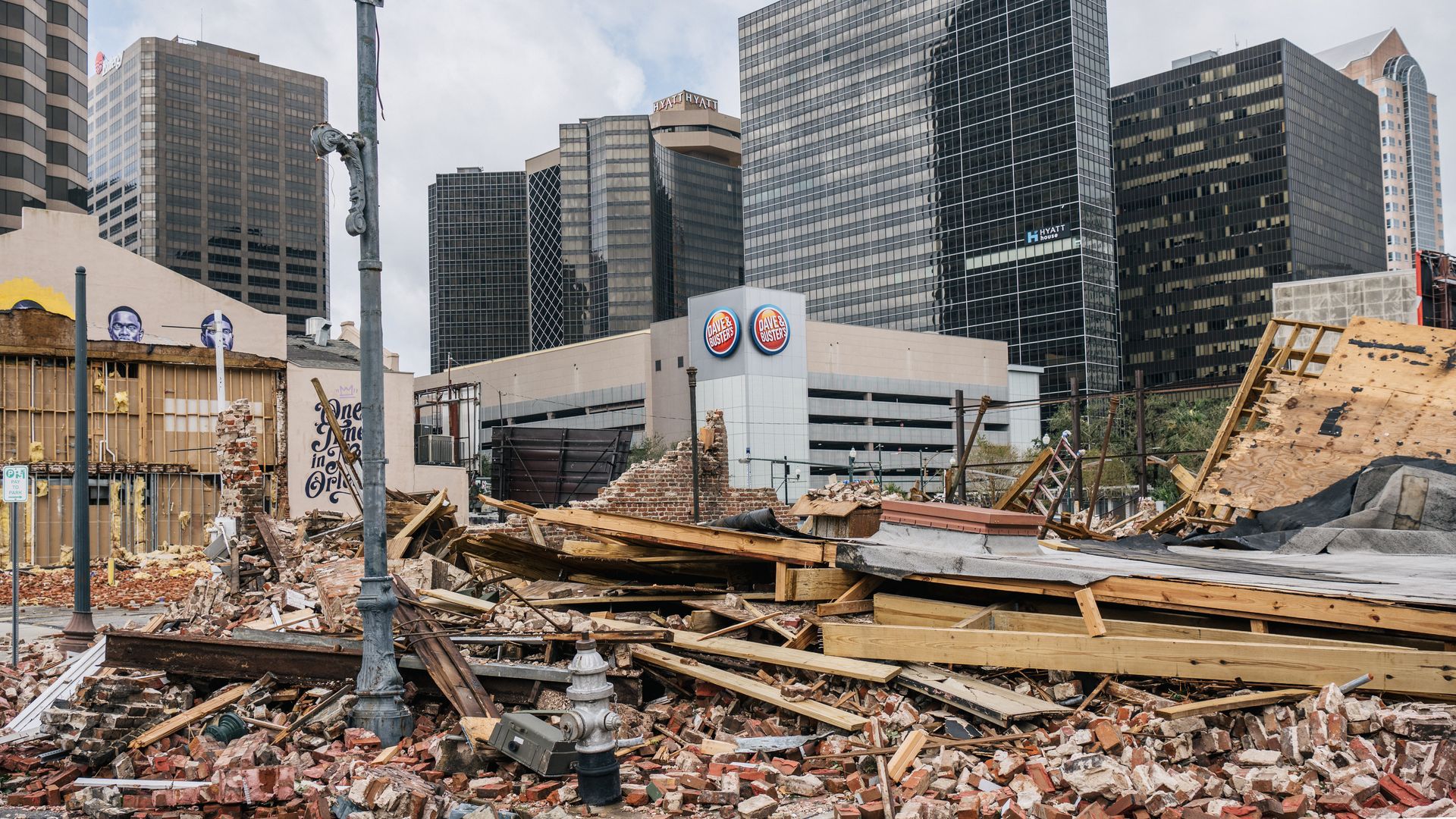
New Orleans officials are investigating what Mayor LaToya Cantrell on Monday called "unacceptable" conditions in several senior apartments, after five people were found dead in the complexes in the wake of Hurricane Ida.
Driving the news: New Orleans Health Department teams discovered the bodies during wellness checks at senior apartment complexes, which found eight facilities unfit for occupancy, per a City of New Orleans statement Sunday.
Southern state residents still hit by widespread power outages and repairing homes in the wake of the deadly Hurricane Ida faced a fresh threat of flash flooding from another storm system Monday.
Driving the news: The National Weather Service said the region was facing the threat of thunderstorms, "locally heavy rains, isolated flash flooding and the risk of severe weather from the Upper Mississippi Valley through the Great Lakes from Monday night into Tuesday."
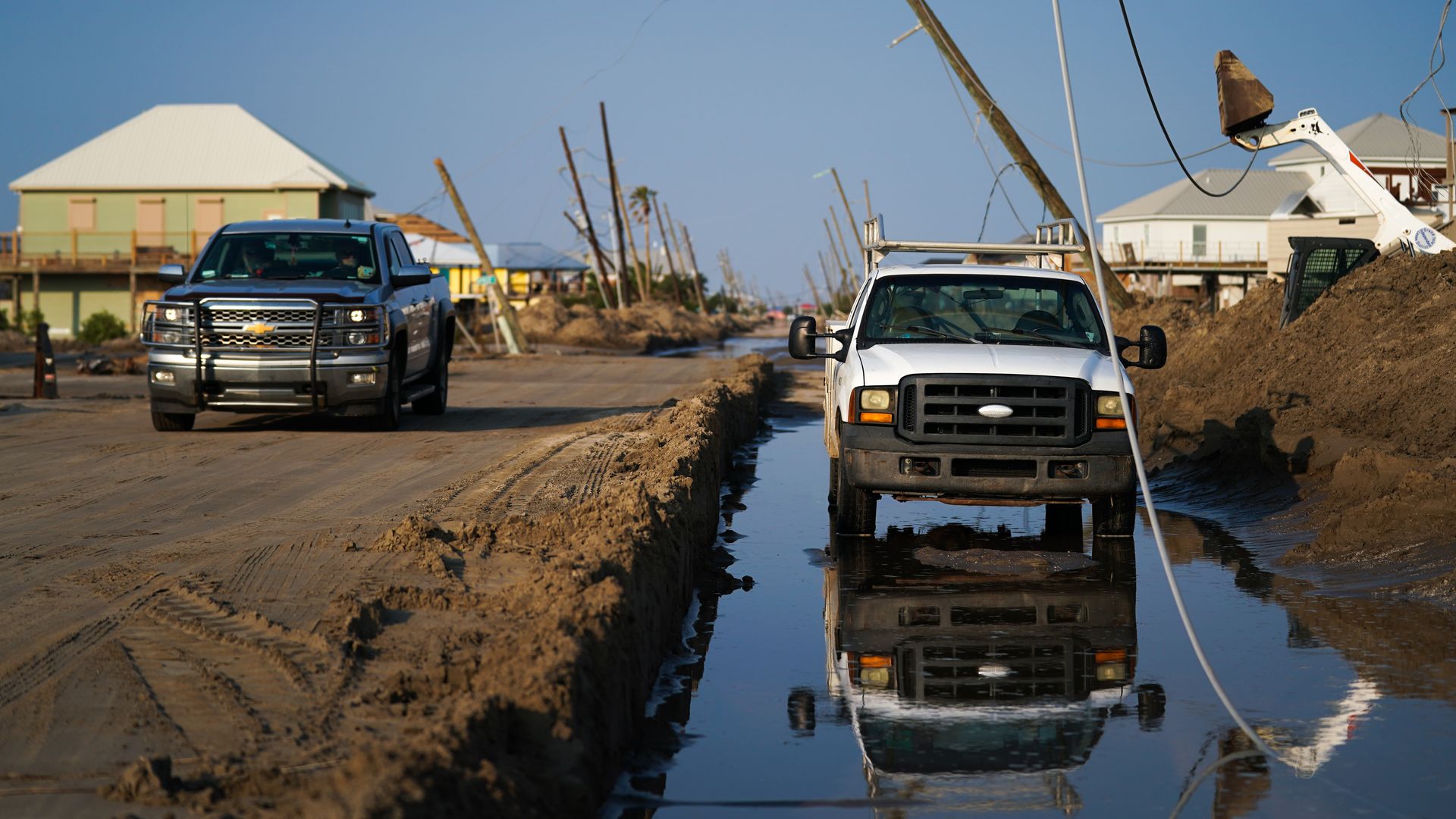
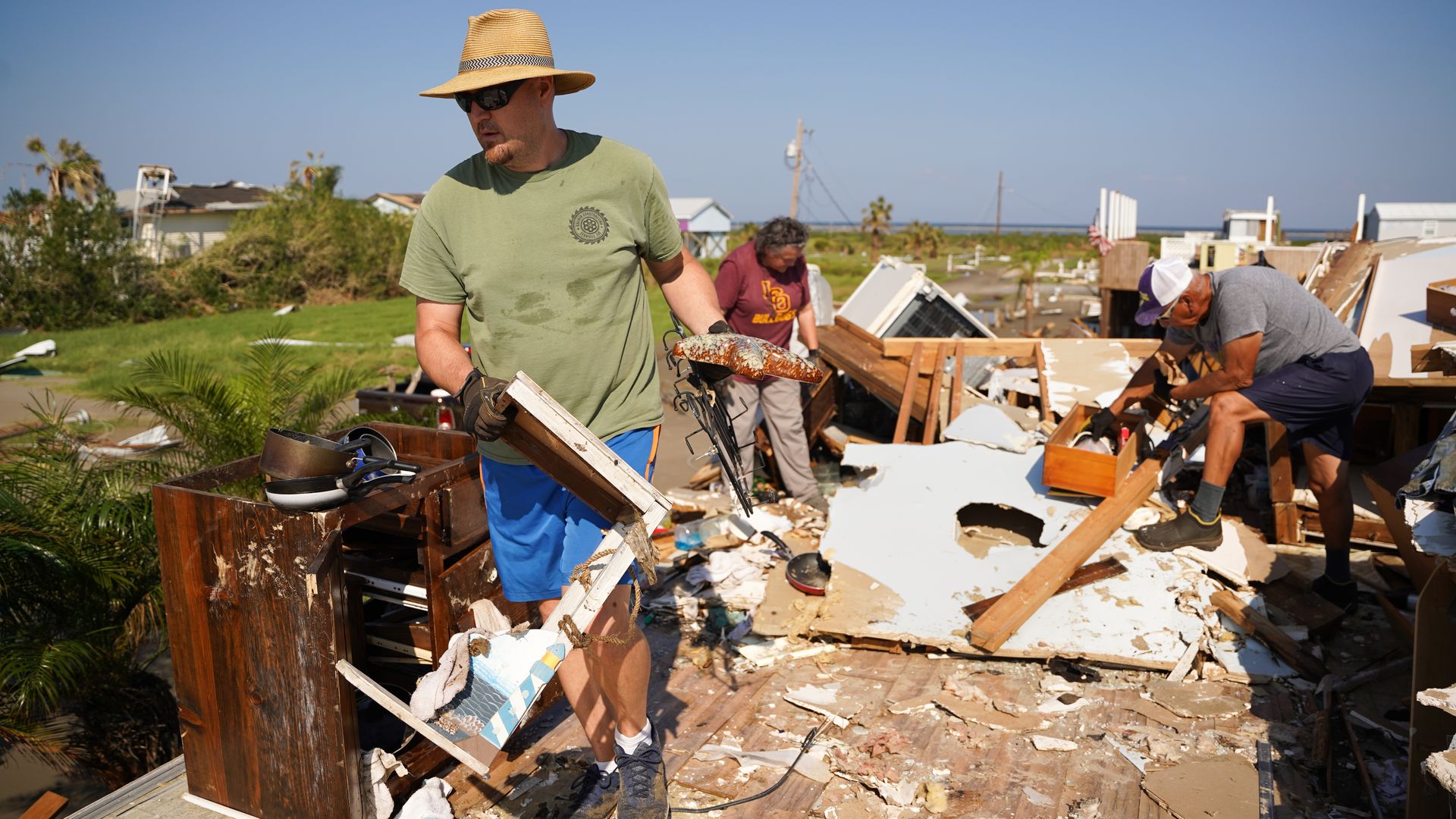
The number of reported U.S. deaths linked to Hurricane Ida has now exceeded 60 as recovery efforts continue — and over 550,000 people in Louisiana remained without power overnight.
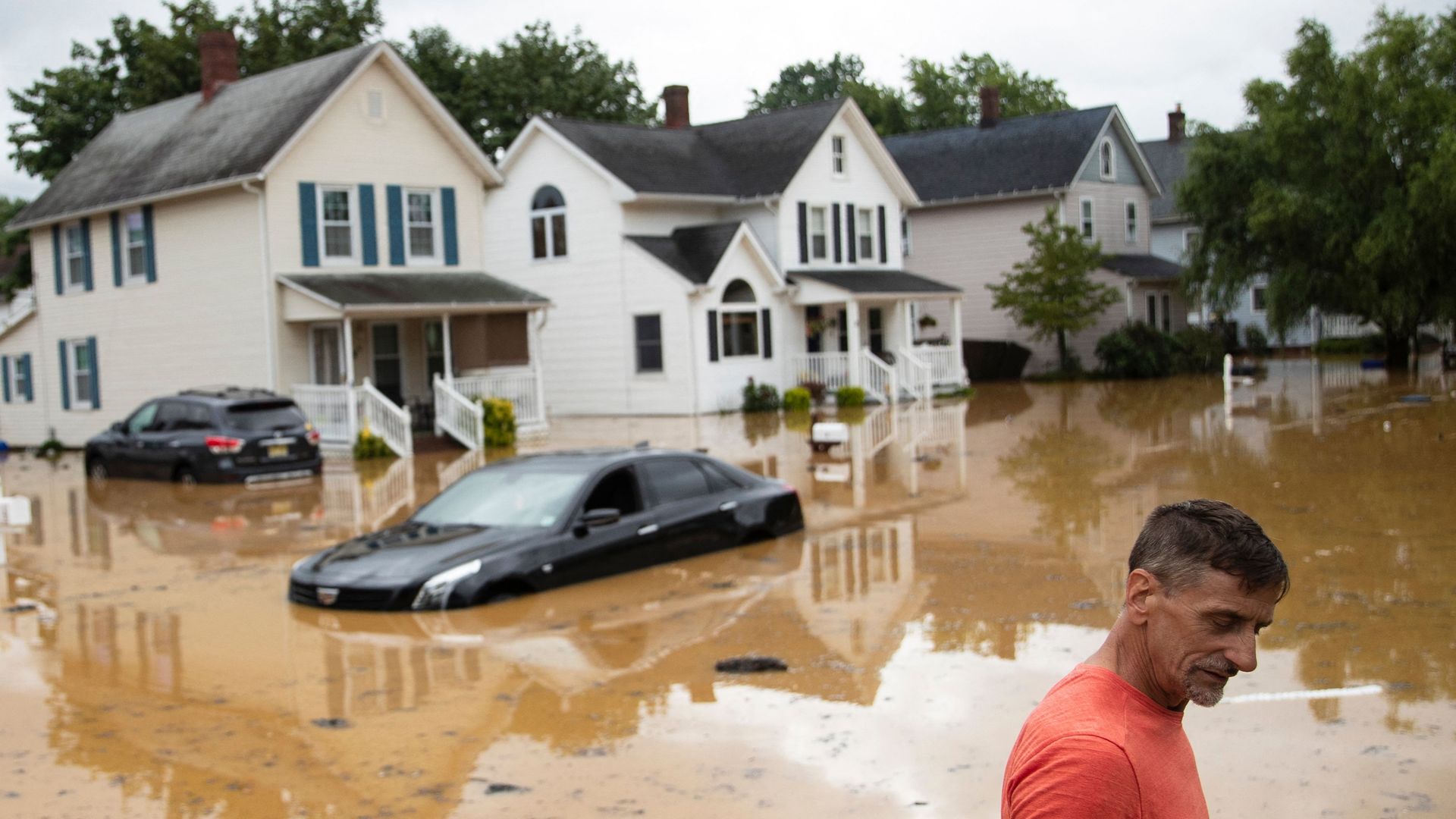
The big picture: The death toll in Louisiana rose to 13 Sunday, a week after the storm slammed the state as a Category 4 hurricane. Ida's remnants later combined with other storm systems to lash the Northeastern U.S. with historic rainfall, triggering flash-flooding.
Global warming is affecting people's health — and world leaders need to address the climate crisis now as it can't wait until the COVID-19 pandemic is over, editors of over 230 medical journals warned Sunday evening.
Why it matters: This is the first time so many publications have come together to issue such a joint statement to world leaders, underscoring the severity of the situation — with the Lancet and the British Medical Journal among those issuing the warning.