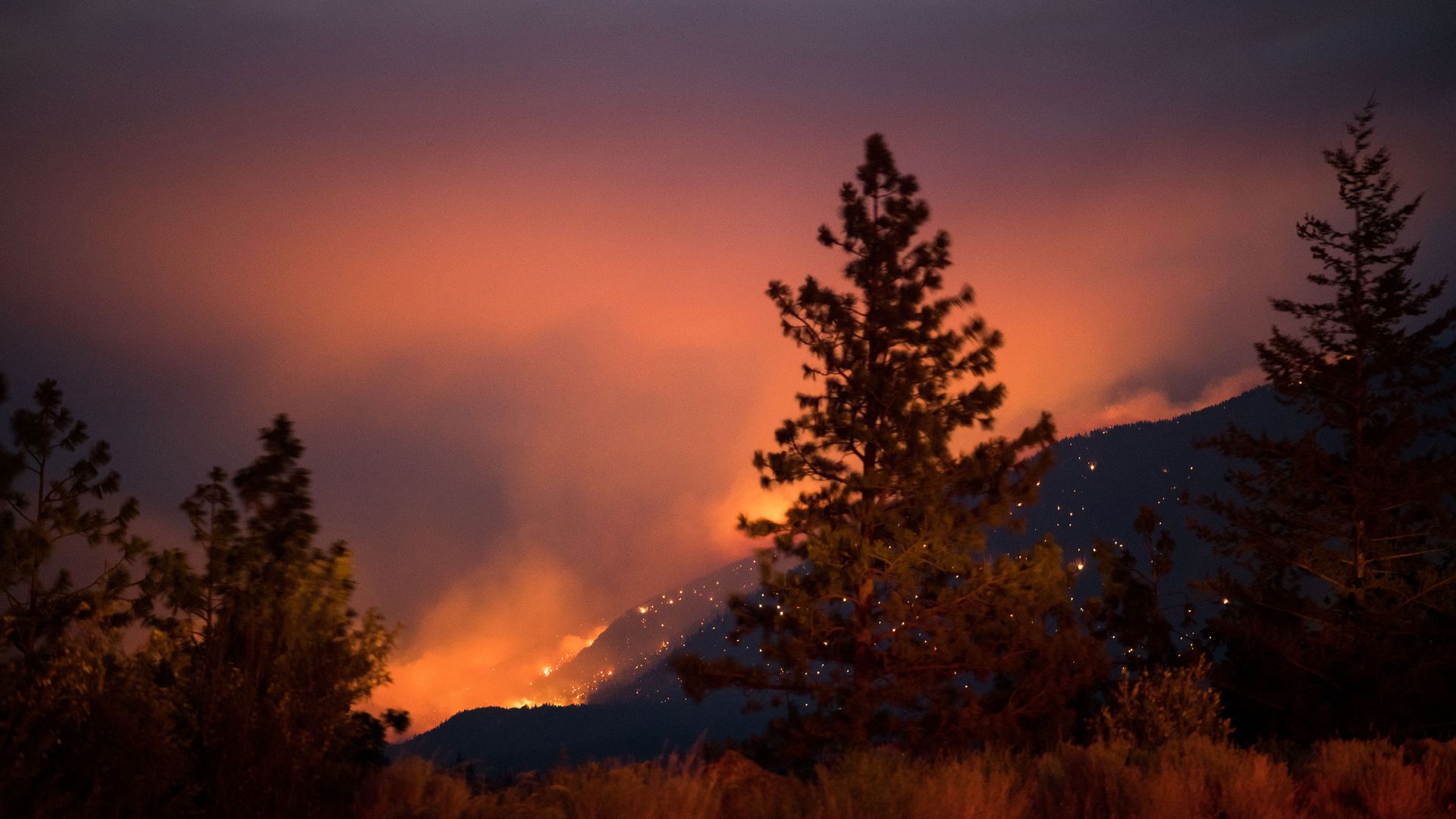
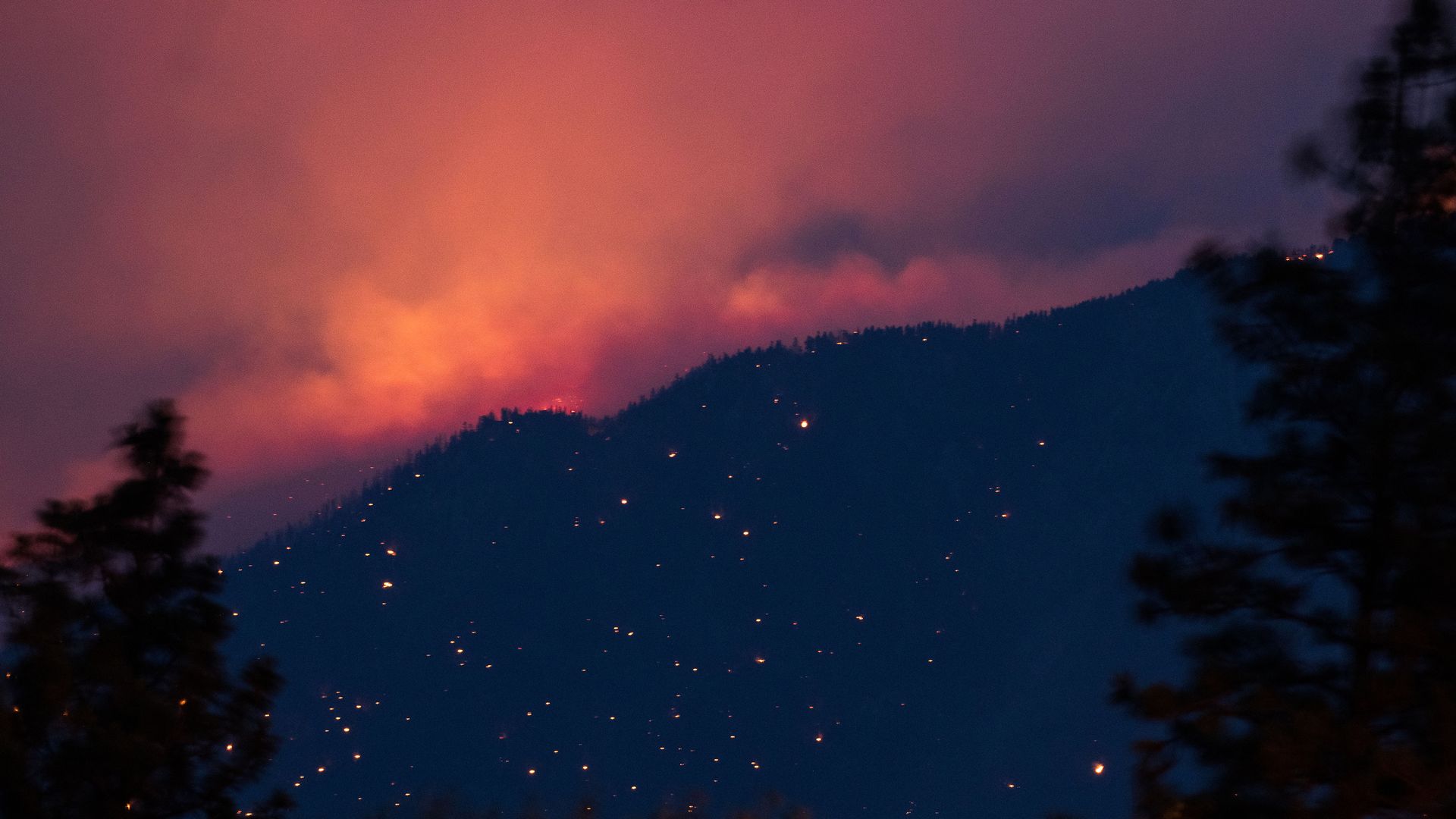
Lightning strikes in Western Canada have surged over the past few days, triggered in part by an unprecedented heatwave that also induced wildfires, Reuters reports.
The big picture: British Columbia, which usually accounts for about 5% of Canada's yearly lightning strike total, reported its annual number in less than 48 hours.
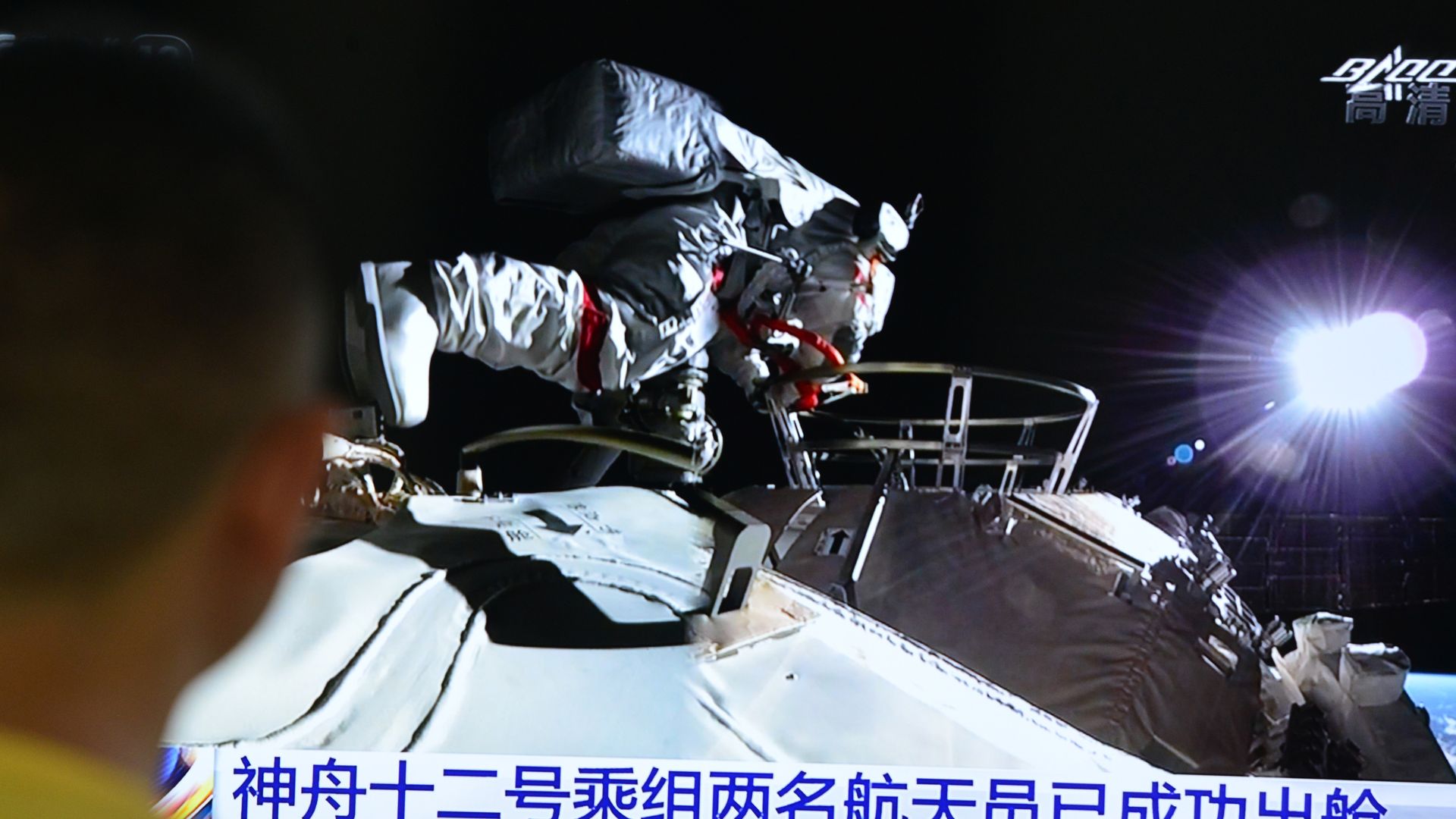
Two Chinese astronauts on Sunday made the first spacewalk outside China's new space station core module Tianhe to set up equipment on a 15-meter robotic arm.
State of play: Astronauts Liu Boming's and Tang Hongbo's spacewalk was streamed on local media. They were supported by a third crew member, Nie Haisheng, who stayed inside the cabin.
Americans looking to enjoy their summer outside after a pandemic year now have other threats to worry about.
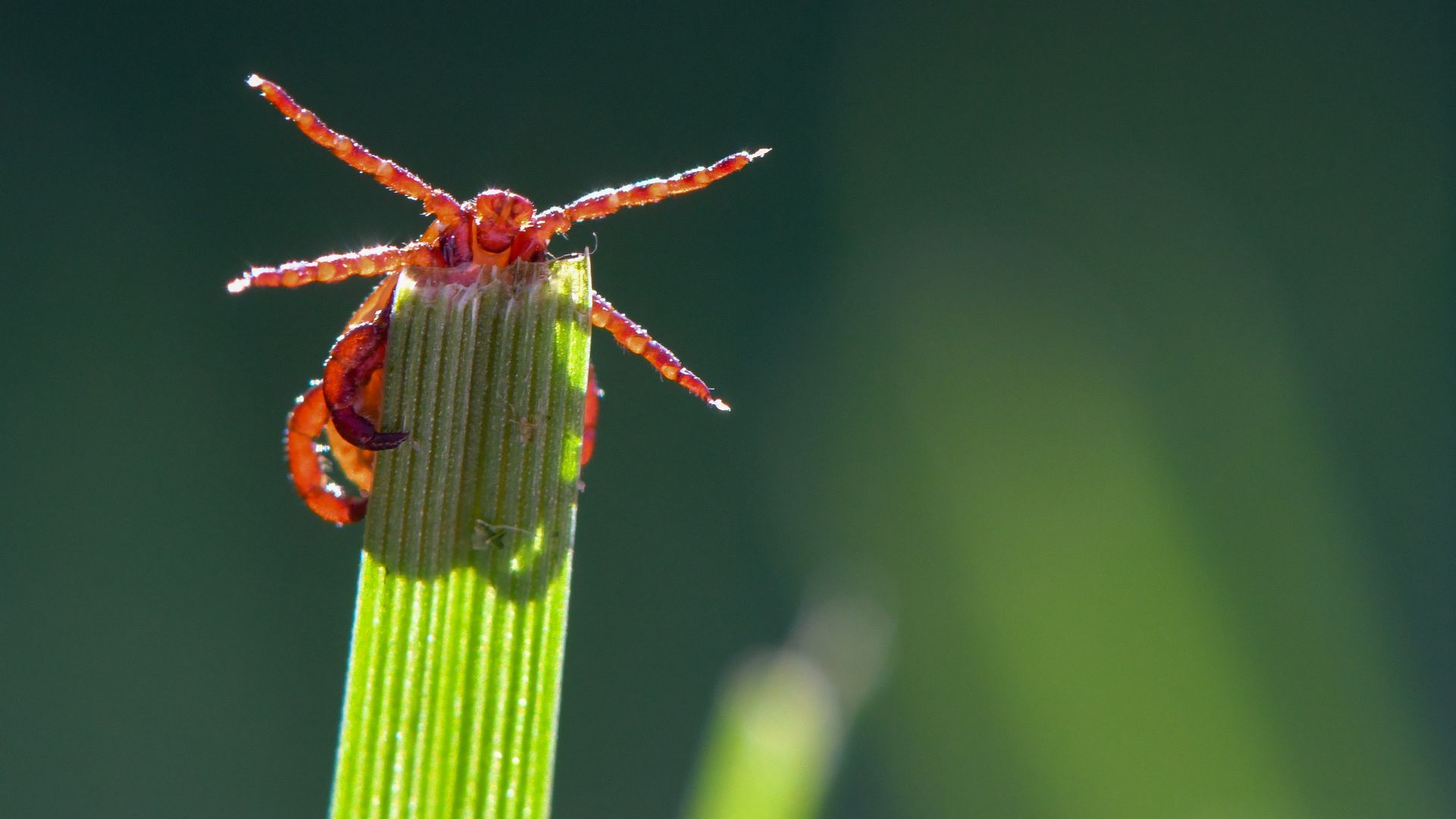
The big picture: Experts are warning that ticks are on the rise and poison ivy may be more abundant this year. That means hikers, campers and anyone else excited to get outside after months of pandemic confinement should take extra precautions to avoid both.
The Canadian Armed Forces are being called in to help combat dozens of wildfires in western Canada that have sparked evacuation orders and caused the deaths of at least two people, per CTV News.
What's happening: 172 wildfires are burning across British Columbia following the Pacific Northwest's record heat wave, per the BC Wildfire Service.
The World Meteorological Organization confirmed this week that temperatures in Antarctica reached a new record high in 2020.
By the numbers: The continent reached 64.94 degrees Fahrenheit (18.3 Celsius) in February of last year, compared to the previous record of 63.5 degrees (17.5 Celsius) recorded in 2015. Both temperatures were recorded at the Argentine Esperanza Research Station.