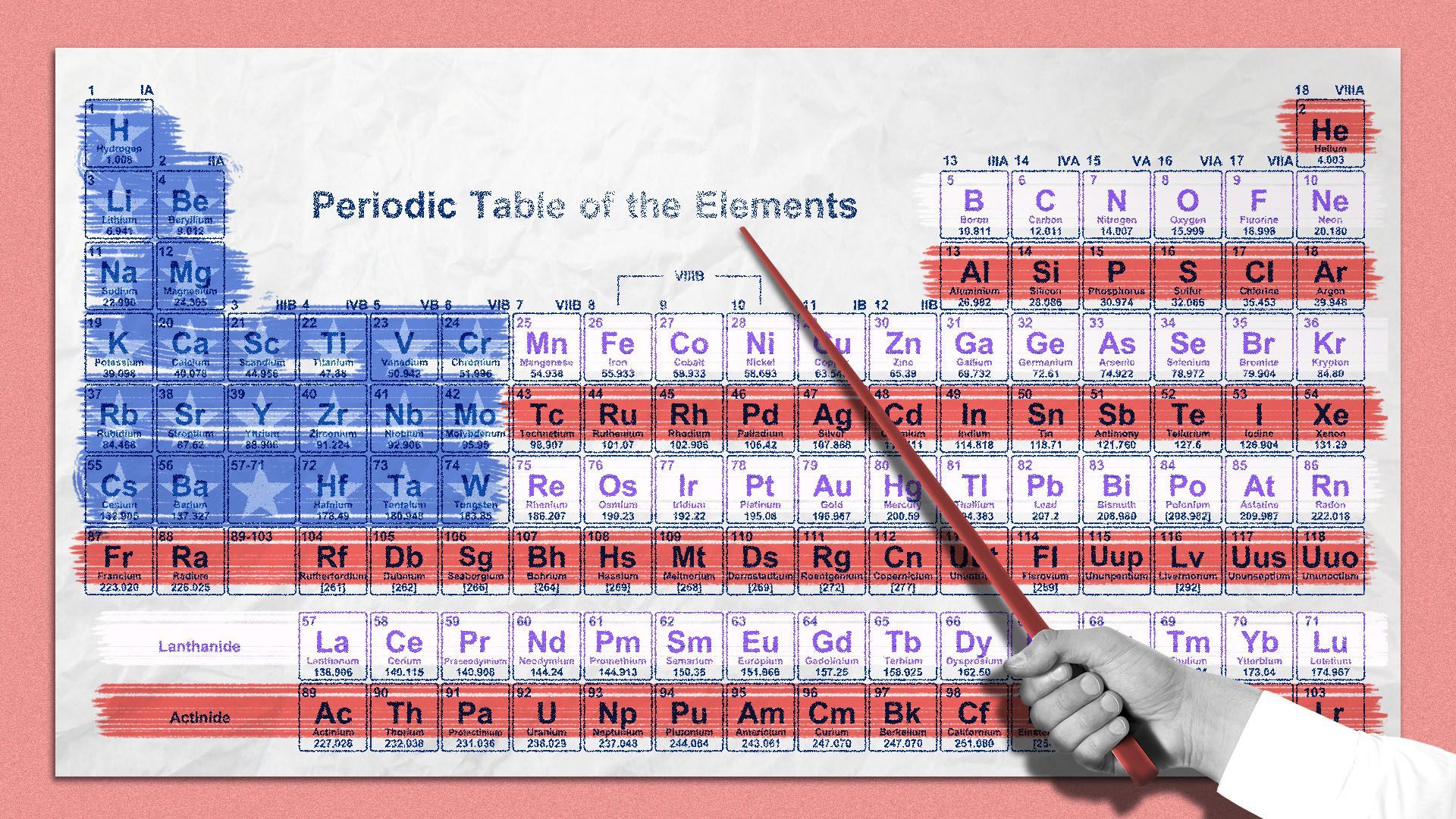
President Biden is tasking his new science adviser with examining the long-term U.S. strategy for science and technology amid competition from China and deepening inequality at home.
The big picture: The post-World War II framework for scientific research in the U.S. drove decades of prosperity for the country. But the U.S., the world and the practice of science have all changed dramatically since then, prompting calls to adjust the model.
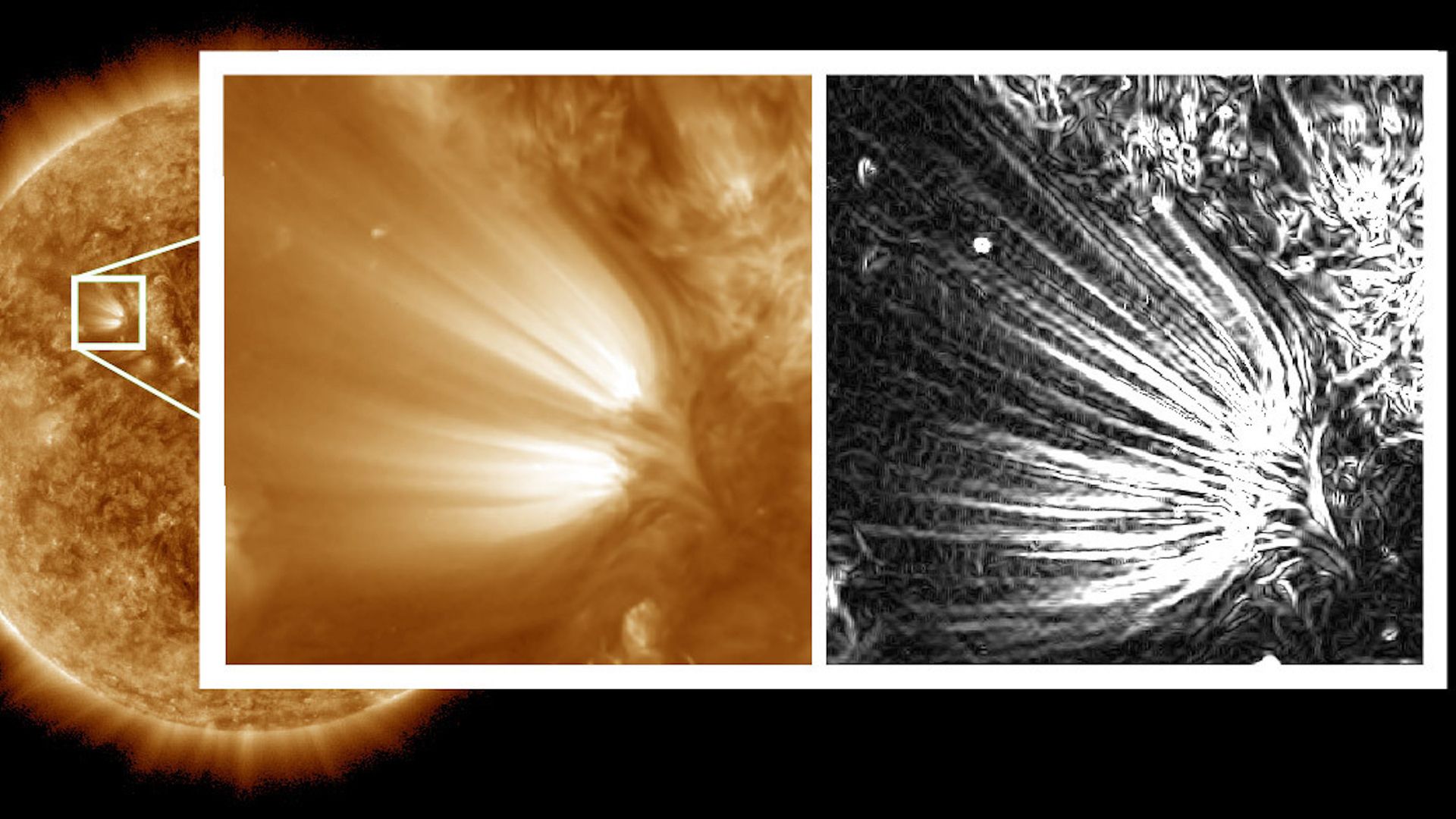
Relatively small structures on the Sun could help govern the solar wind.
Why it matters: Solar wind batters the Earth's magnetic field, and strong solar storms can disrupt satellites and even power grids on the planet. Learning more about how they work will help researchers forecast it in the future.
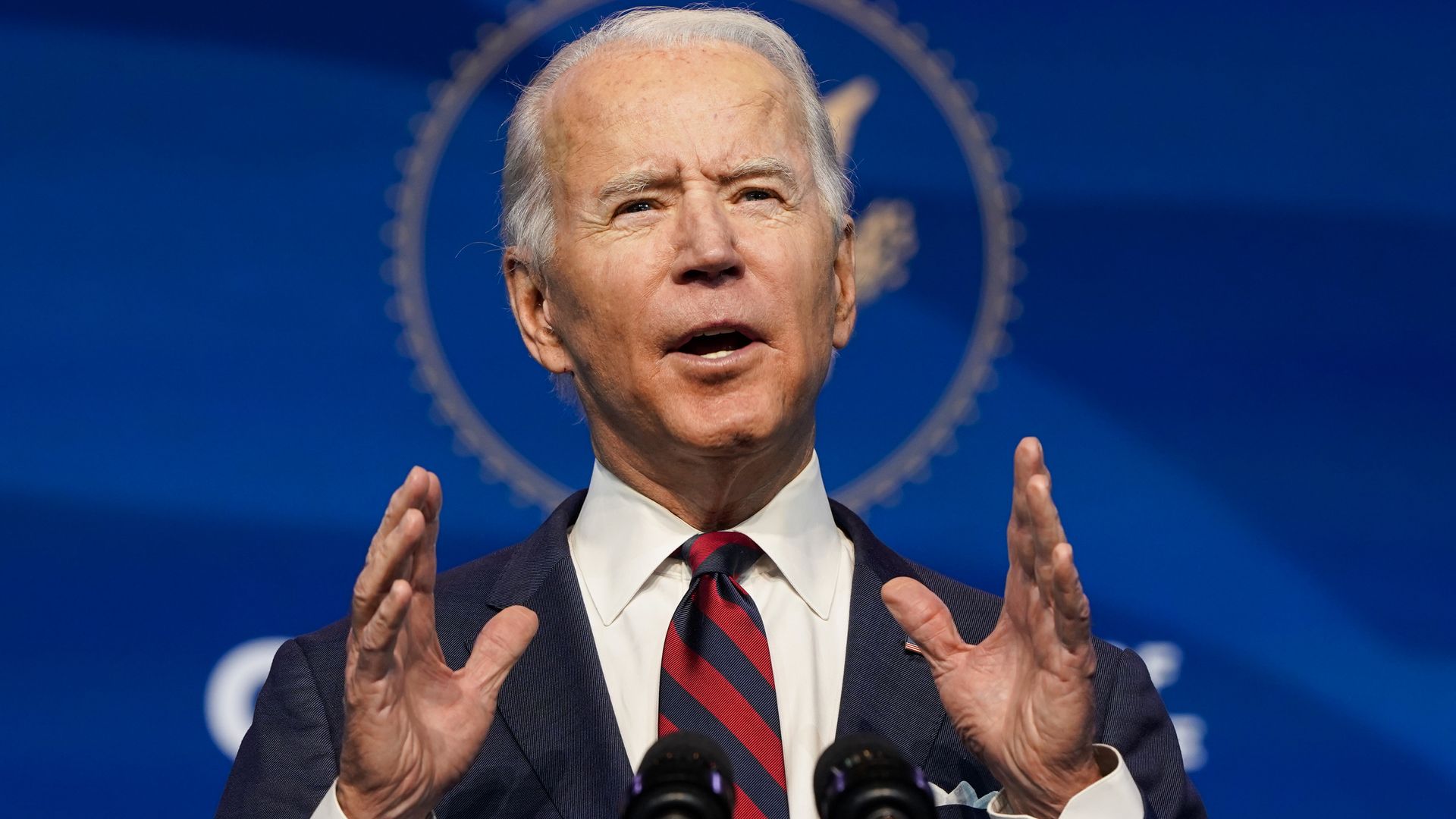
President-elect Biden on day one will begin his attempts to close off the prospect of oil drilling in the Arctic National Wildlife Refuge with an executive order that places a temporary moratorium on all oil and natural gas leasing activities.
Driving the news: ANWR is an ecologically rich part of Alaska, whose oil resources are unknown but could be vast. Republicans and oil companies have tried to drill there for decades.
President-elect Biden on Wednesday will begin the formal process for the U.S. to rejoin the Paris Climate Agreement, making good on a highly touted campaign promise.
Catch up fast: President Trump first announced his intention to abandon the accord in June 2017, angering countries worldwide. The U.S. became the only country to pull out of the pact on Nov. 4, 2020, the day after the election and the first possible day for the country to withdraw under the agreement's terms.