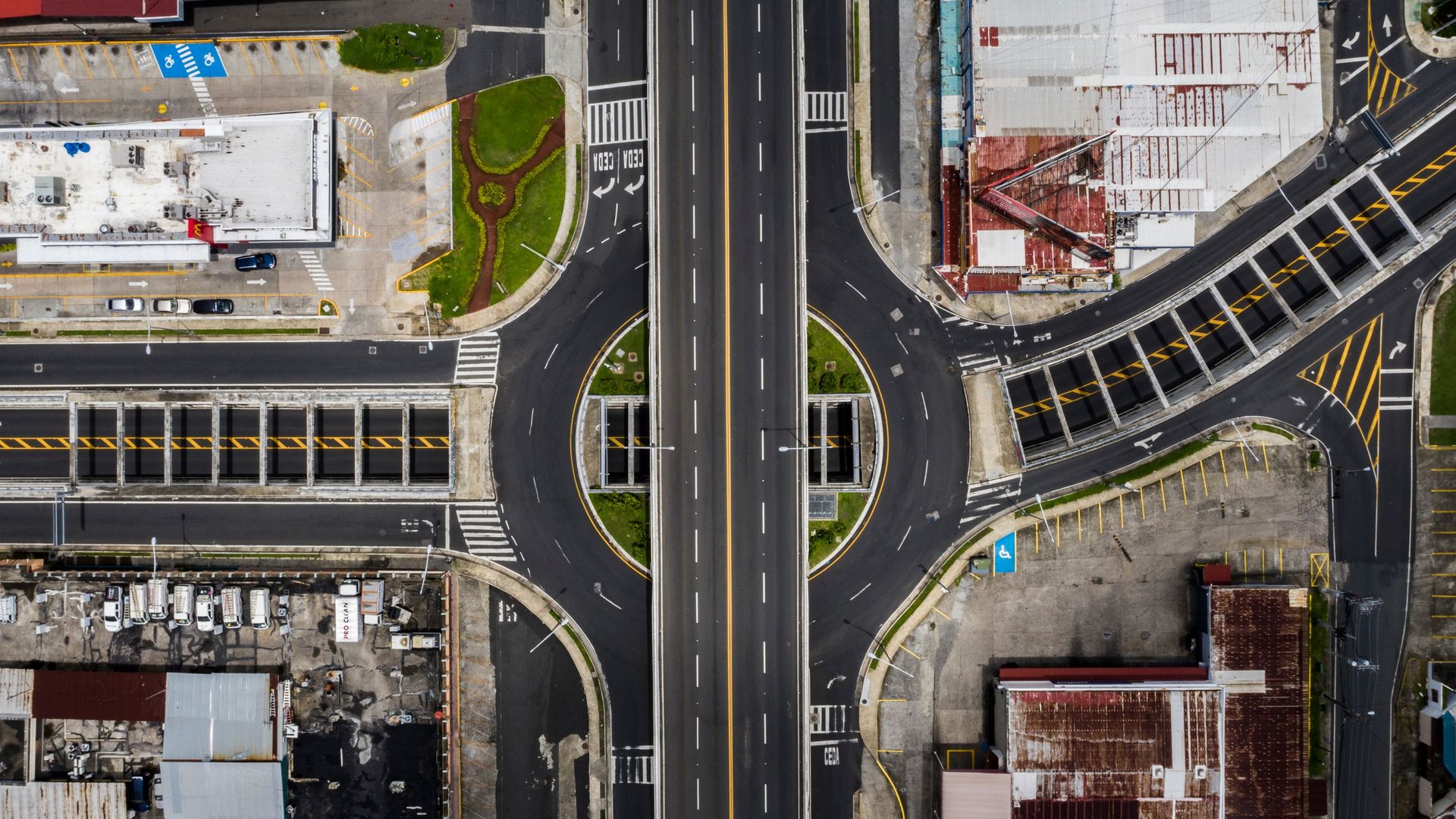
During lockdowns and other measures to control the spread of the novel coronavirus there was as much as a 50% drop globally in the seismic vibrations humans normally generate, according to new research.
Why it matters: Human seismic noise can drown out signals from earthquakes, volcanic eruptions and other geological hazards and natural sources. The "quiet period" of 2020 may help to improve warning systems by offering an opportunity to separate natural sounds from those generated by human activity.
The wide-ranging symptoms and many manifestations of COVID-19 are complicating efforts to treat the disease and stop its spread.
The big picture: There are very few diseases that everyone experiences the same. But the patterns of disease with COVID-19 are unusual compared to other recent pandemics, and it could usher in a new framework for thinking about disease.
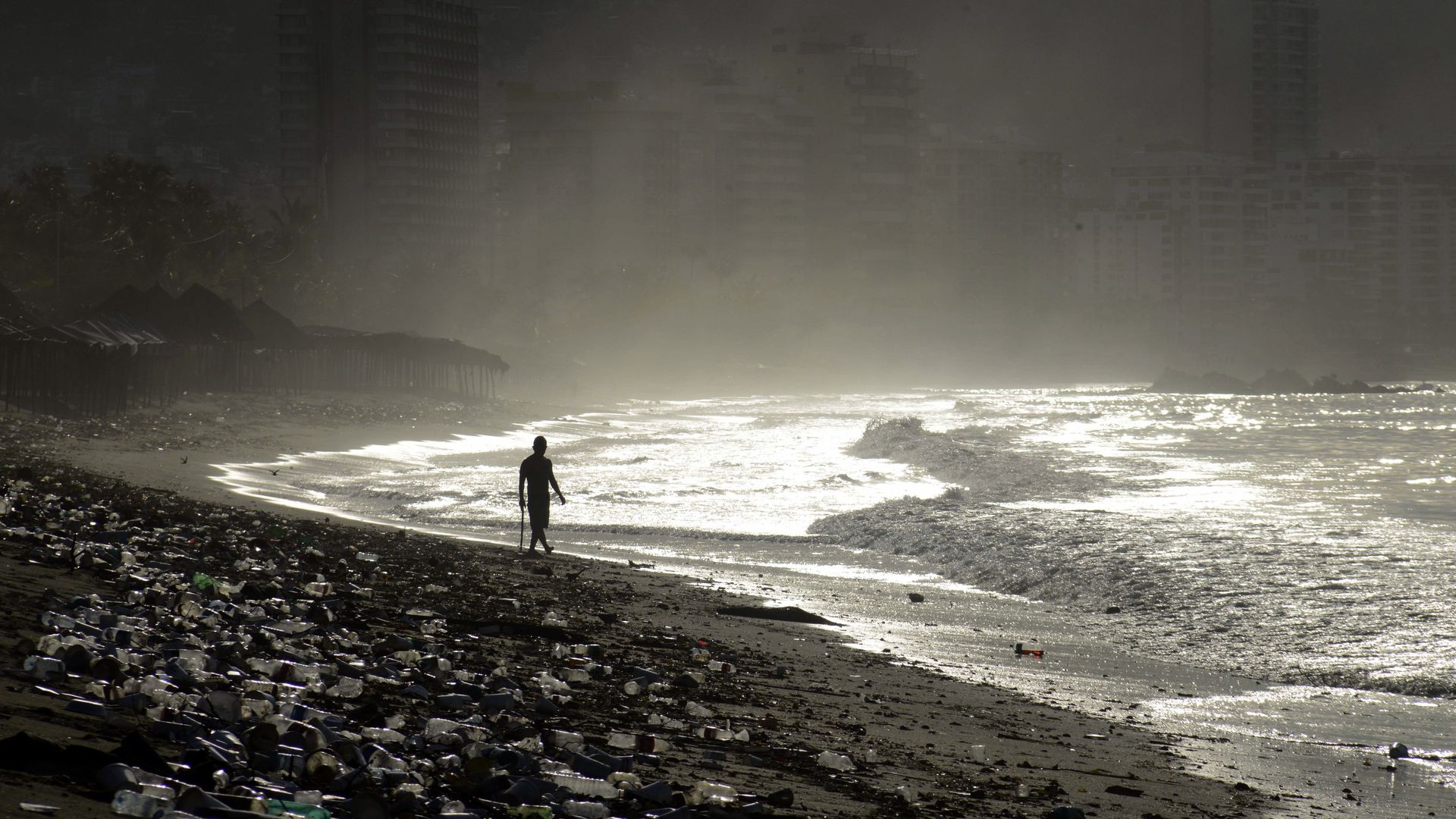
Currently available solutions could halt up to 80% of plastic pollution flowing into the ocean and the ground annually within 20 years, per a new analysis published in Science Thursday.
Threat level: Without urgent action, the yearly flow of plastics into the ocean globally is expected to nearly triple to 29 million tons by 2040 — and remain at that levelfor hundreds of years. Even under the best-case of curbing pollution, plastic's long degradation timemeans there'll still be a large amount, or roughly 710 million metric tons, of cumulative plastic pollution, researchers warn.
Russia conducted a test of an in-space anti-satellite weapon last week, according to U.S. Space Command statement released Thursday.
Why it matters: The test didn't destroy asatellite, but the Pentagon is pointing to it as evidence of a troubling trend by Russia that has escalated tensions in orbit.