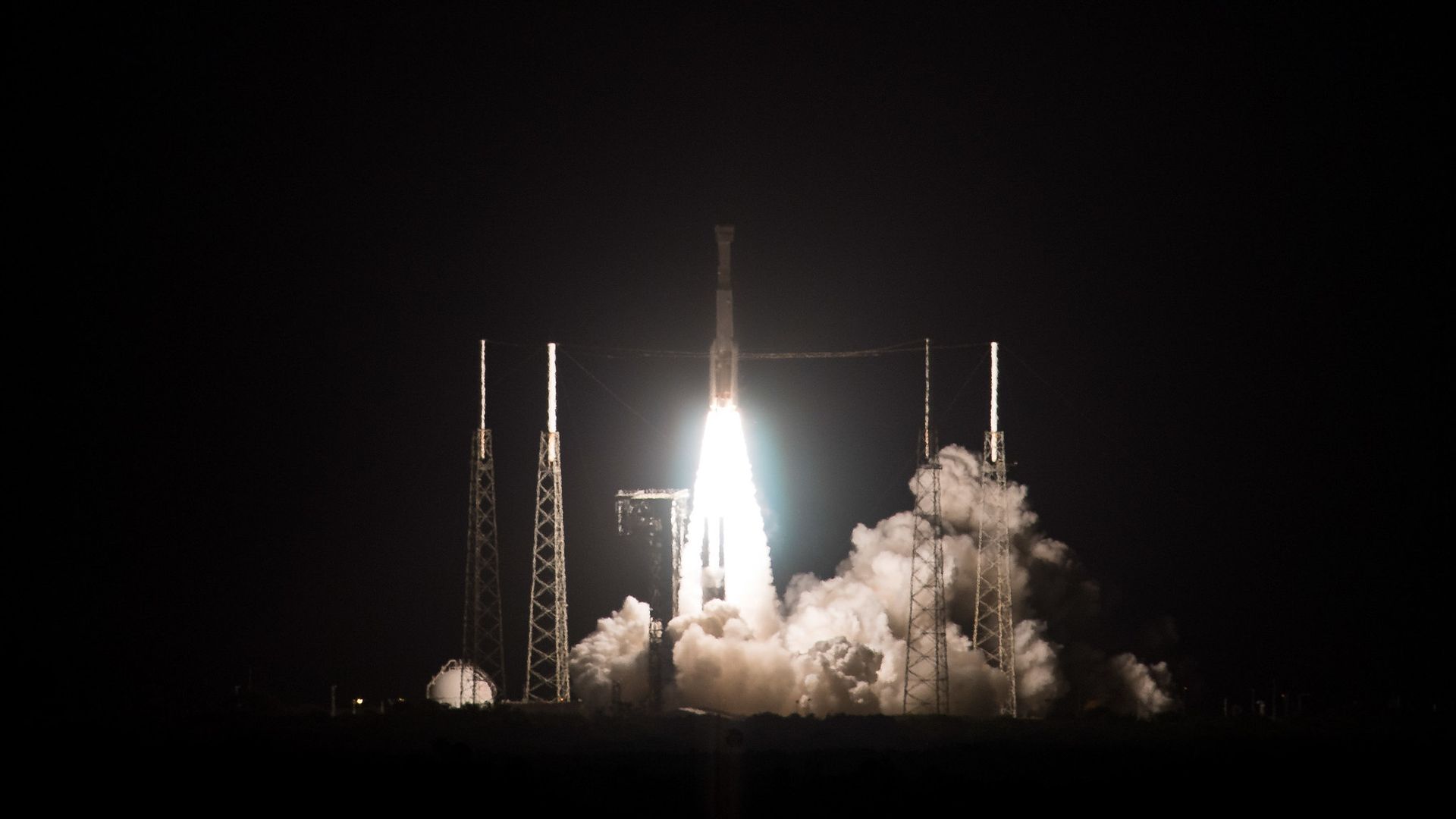
Boeing's uncrewed CST-100 Starliner will not make it to the International Space Station after a serious, post-launch malfunction on Friday.
Why it matters: Boeing was initially expected to launch its first crewed mission to the station in early 2020, but Friday's technical issues may call that already nebulous timeline into question.
Since 2009, more than $3 billion has been invested in companies building rockets to deliver small satellites to space, according to data provided to Axios by Space Angels.
The big picture: At the moment, most small satellites are delivered to orbit by hitching rides on larger rockets carrying other, bigger payloads as their primary missions.
Companies are trying to capitalize on the threat of space junk with new technology to clean it up, but it's not clear who will pay for the service.
Why it matters: Today, thousands of pieces of space junk — ranging from tiny fragments of destroyed satellites to spent rocket bodies and defunct spacecraft — orbit around Earth, threatening operational satellites and astronauts.
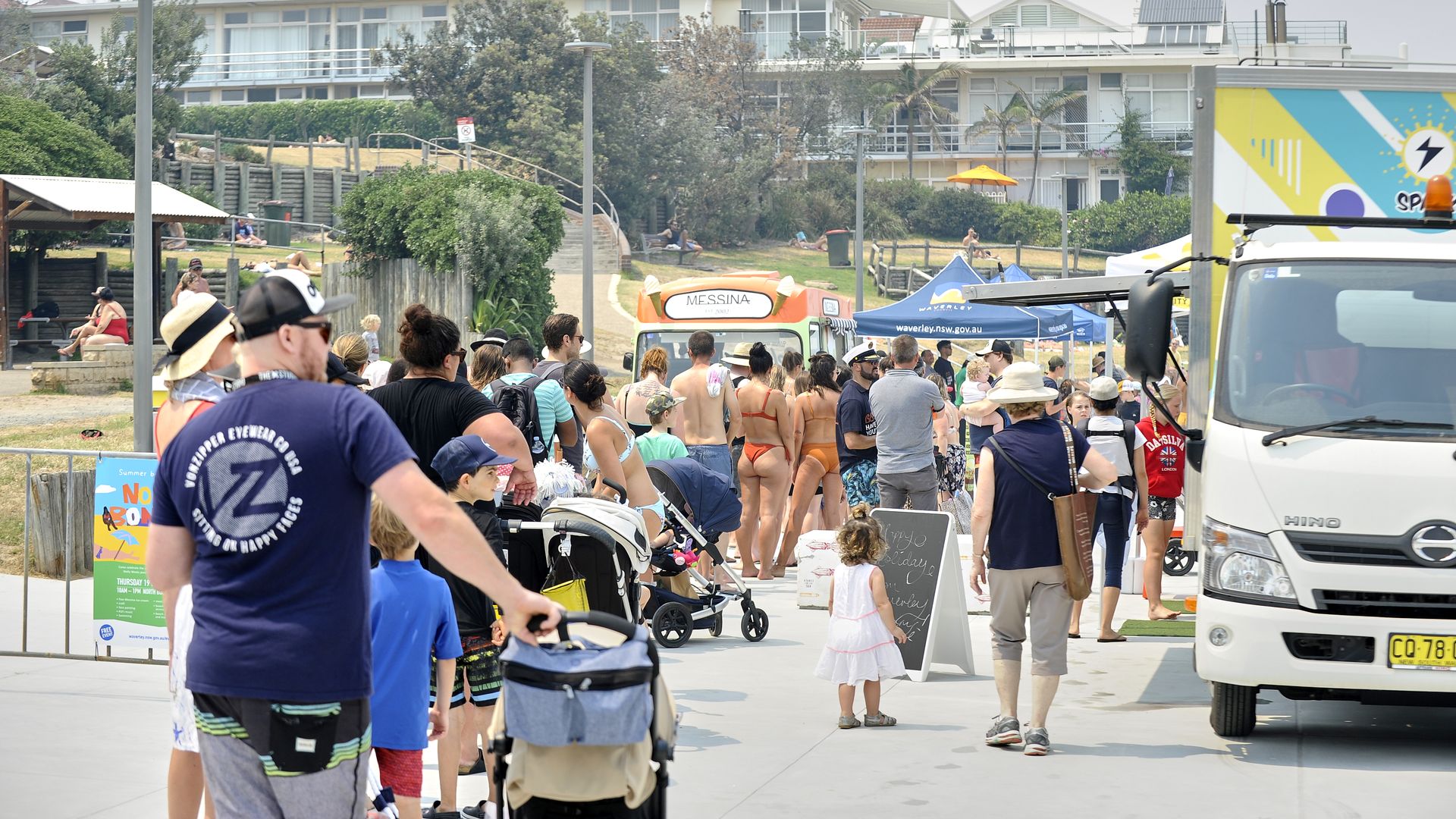
Australia smashed its hottest day record just one day after it was set, preliminary findings from the Bureau of Meteorology (BOM) released Thursday show.
The big picture: The country has also experienced its worst ever spring for wildfire danger, the BOM said in a climate statement Wednesday.
The driest spring on record has left more than 95% of Australia experiencing dangerous fire weather that has been above average, and much of the country is in severe drought.
The historic heat wave comes as firefighters continue to fight wildfires across the country. The Australian state of New South Wales declared a seven-day state of emergency Thursday.
What they're saying: Blair Trewin, a senior climatologist with the BOM, said in a video posted to the agency's website that many areas would shatter hottest December records and perhaps even the hottest temperature for any time of the year, with Saturday forecast to be a particularly searing day.