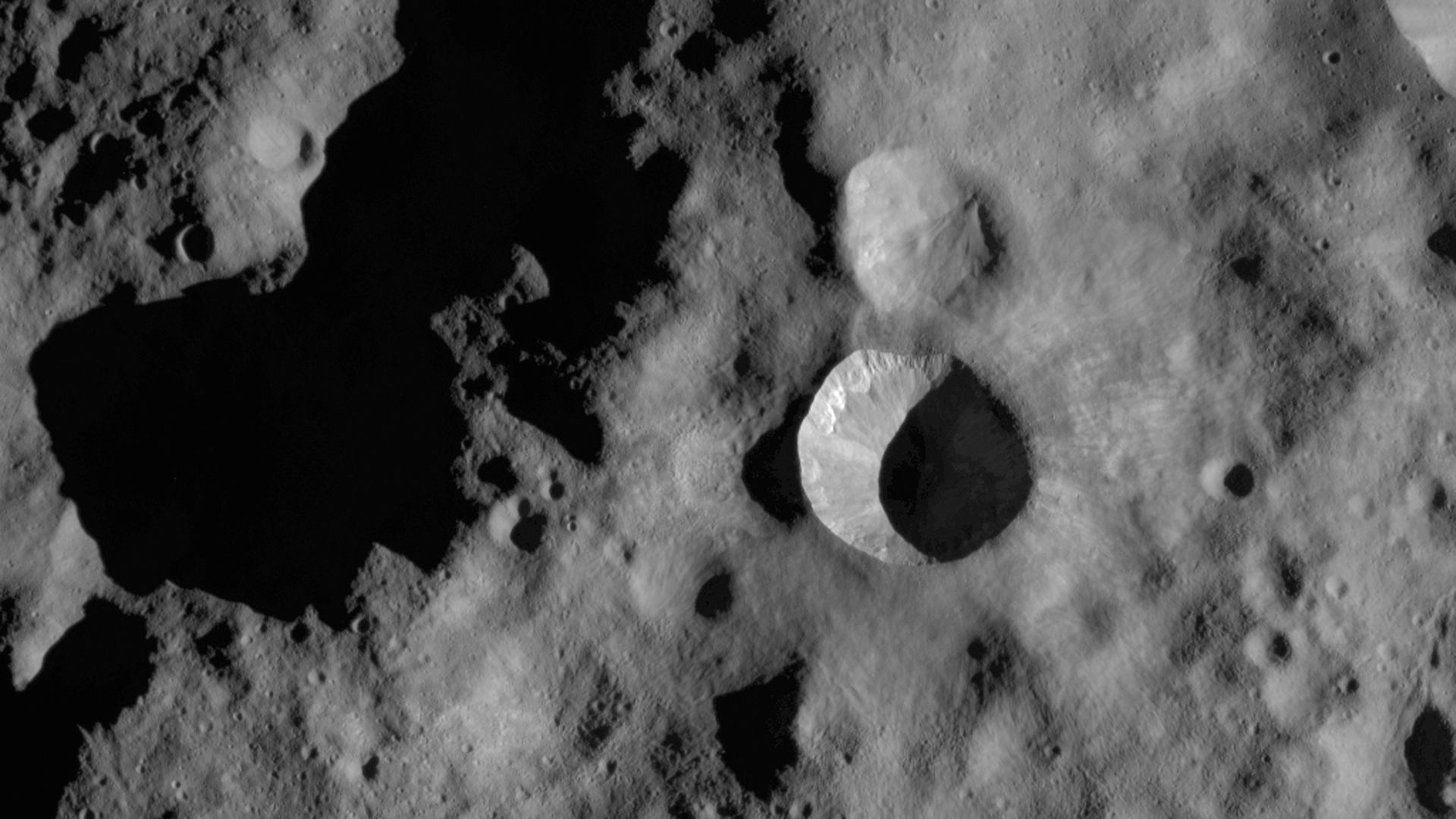
Next week, NASA's Planetary Defense Coordination Office (PDCO), FEMA and other U.S. agencies will play out their strategies for a fictional — but ultimately realistic — scenario of an asteroid on a collision course with Earth.
Why it matters: The world’s first collision experiment with an asteroid took place earlier this month, when Japan sent a bomb down to the surface of Asteroid Ryugu. Axios found in 2018 that Americans rank monitoring Earth's climate and detecting asteroids and other objects that could hit the planet as top priorities for NASA.
Almost 2 months after President Trump formalized the creation of the Space Force, the U.S. Navy announced there has been an increase in reports of UFO sightings, reports Politico.
Why it matters: While the Navy isn't saying aliens are out there, it is concerned about the increasing number of reports alleging highly advanced aircraft flying near sensitive military facilities and in military-controlled ranges, per Politico. These reports have been happening consistently since 2014, Luis Elizondo, a former senior intelligence officer, told the Washington Post. Elizondo explained that new Navy guidelines formalized the reporting process, allowing for data-driven analysis of the reports. He called it "the single greatest decision the Navy has made in decades," per the Post.
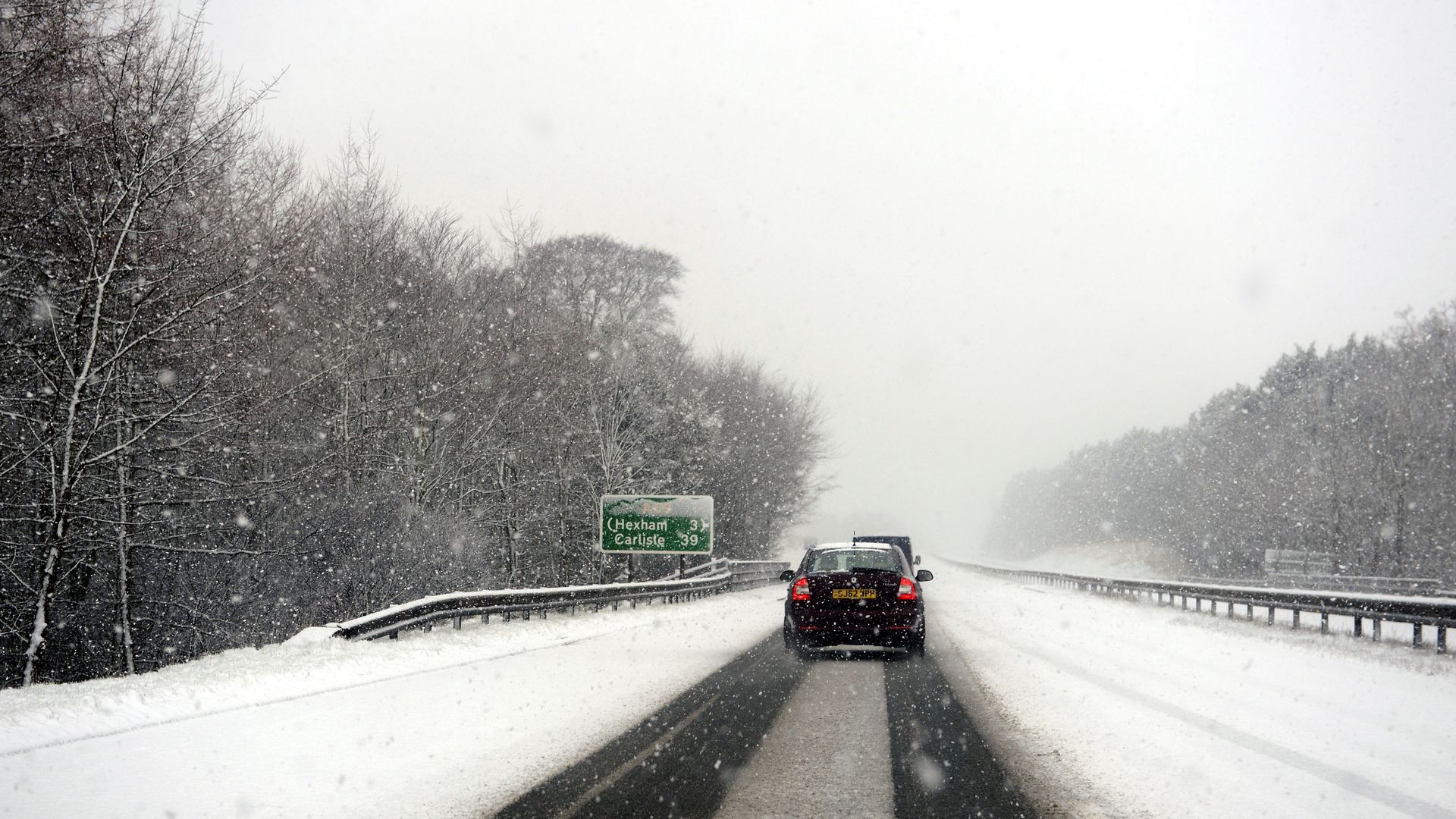
Winter weather isn't giving up even as May peeks around the corner, with another batch of below-average temperatures and snow — up to 10 inches in spots — set to paste the Plains, Midwest and parts of the Northeast this weekend.
Details: Winter storm watches have been posted for parts of Montana, southeastern Minnesota, northern Iowa and southern Wisconsin, in advance of a stretch of heavy snow that could lead to challenging travel conditions. The storm system is expected to move through the region on Friday into the weekend, which, combined with a change in the jet stream, per the Weather Channel, will allow colder-than-average temperatures to strafe much of the northern portion of the country.
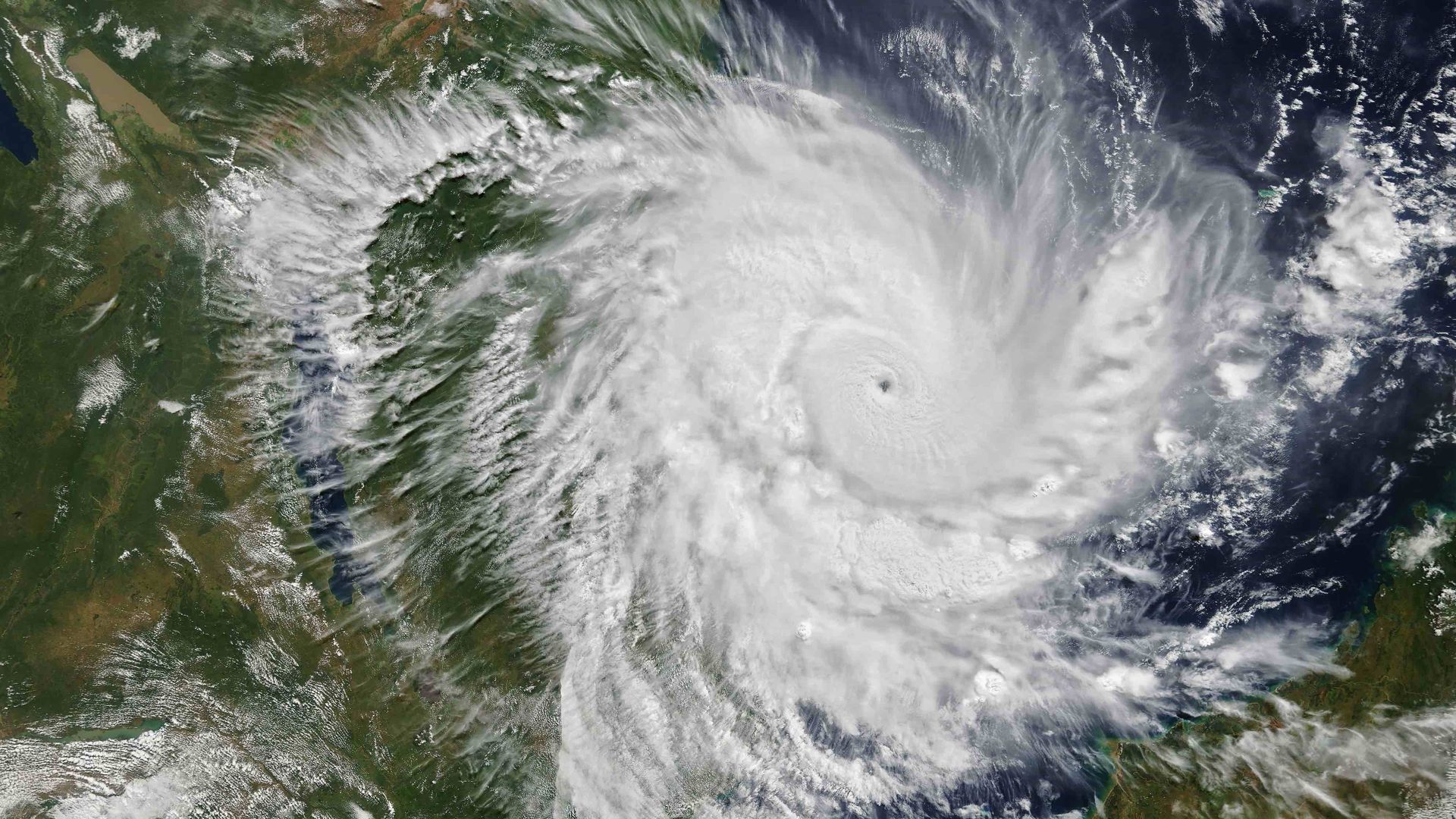
The toll from Cyclone Kenneth is beginning to emerge across northern Mozambique, one day after the Category 4 storm struck as an unprecedented event for this region, and one of the strongest cyclones to hit Africa since modern record-keeping began.
Why it matters: Mozambique is already reeling after a deadly hit from Cyclone Idai on March 14. That storm destroyed much of the city of Beira, and flooded such a vast area that it was described as having created a new "inland ocean." The international community still hasn't fully stepped up to respond to that crisis, and the UN is warning that Kenneth may necessitate "a major new humanitarian operation."