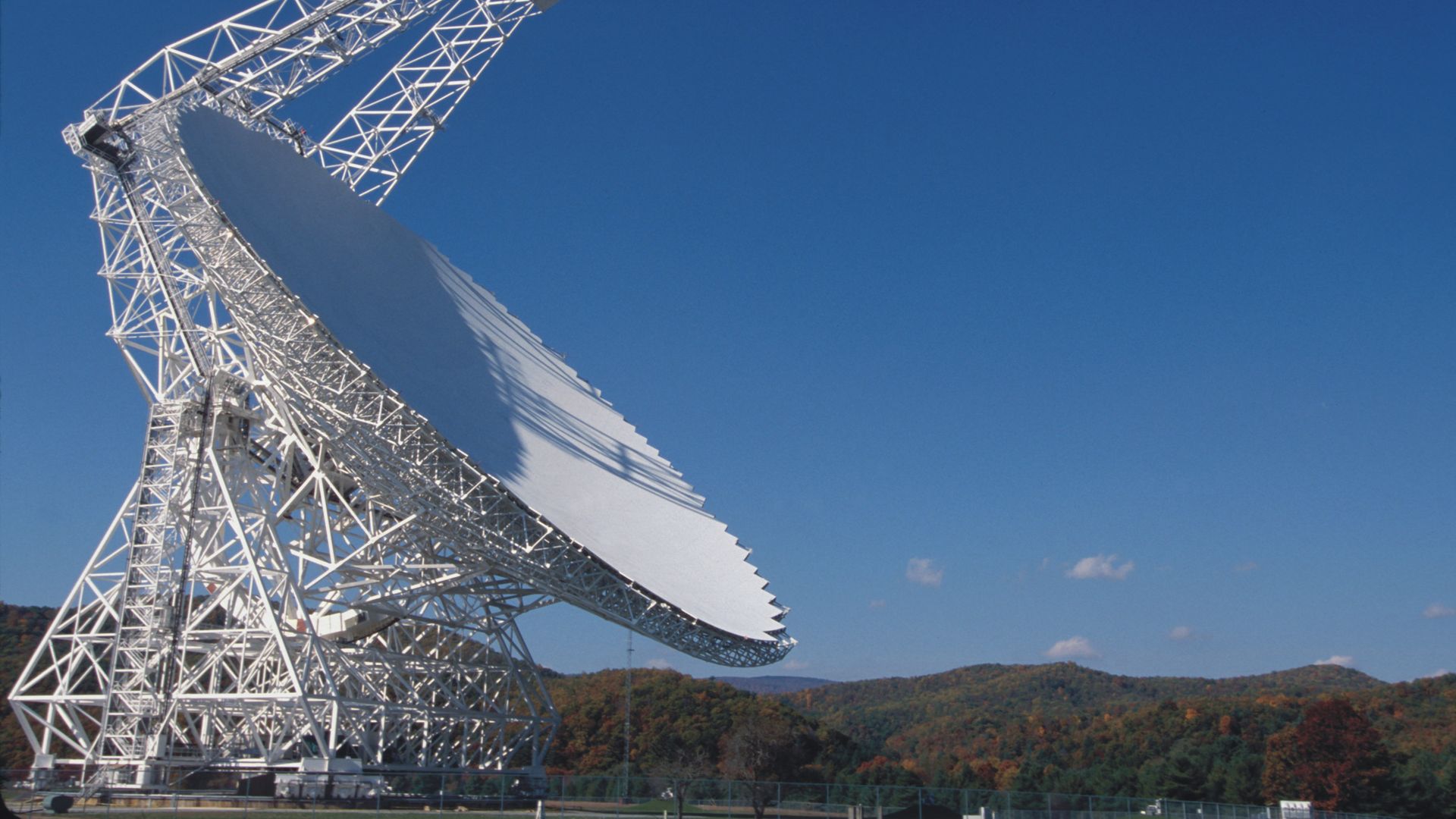
For the first time, scientists have identified a complex molecule in a distant part of the solar system, according to research published Thursday in the journal Science. The find brings scientists closer to solving a 30 year old astronomical mystery.
Why it matters: The researchers identified benzonitrile, a molecule made of carbon, hydrogen and nitrogen, which is thought to be a building block for two other types of molecules that are possible precursors for life on Earth. By finding it — and developing a technique precise enough to identify specific molecules in distant space — scientists are closer to understanding the types of material that may form planets and the composition of our universe.
The next generation of powerful telescopes will scan millions of stars and generate massive amounts of data that astronomers will be tasked with analyzing. That's way too much data for people to sift through and model themselves — so astronomers are turning to AI to help them do it.
The bottom line: Algorithms have helped astronomers for a while, but recent advances in AI — especially image recognition and faster, more inexpensive computing power —mean the techniques can be used by more researchers. “The mode of operation has to change because there is no way we can handle those data flows,” says astronomer Derek Buzasi from Florida Gulf Coast University.
Scientists honed in on the galaxy where mysterious fast radio bursts (FRB) seem to be originating. In just a few milliseconds, FRBs give off roughly the same amount of energy as the Sun does in a day, according to a New York Times report.
Why it matters: At least 30 FRBs have been found since 2007, per the Times, and scientists don't know what causes them. But, they've gotten more information about the environment around them after tracing a particularly repetitive burster called FRB121102 to a galaxy that's 3 billion light years away.
Almost 4,000 planets have been discovered outside of our solar system — some of which might be habitable. A series of upcoming missions could add tens of thousands more planets to that list, starting “a whole new era of exoplanet opportunities,” according to MIT astronomer Sara Seagar, who spoke on the topic at the winter meeting of the American Astronomical Society.
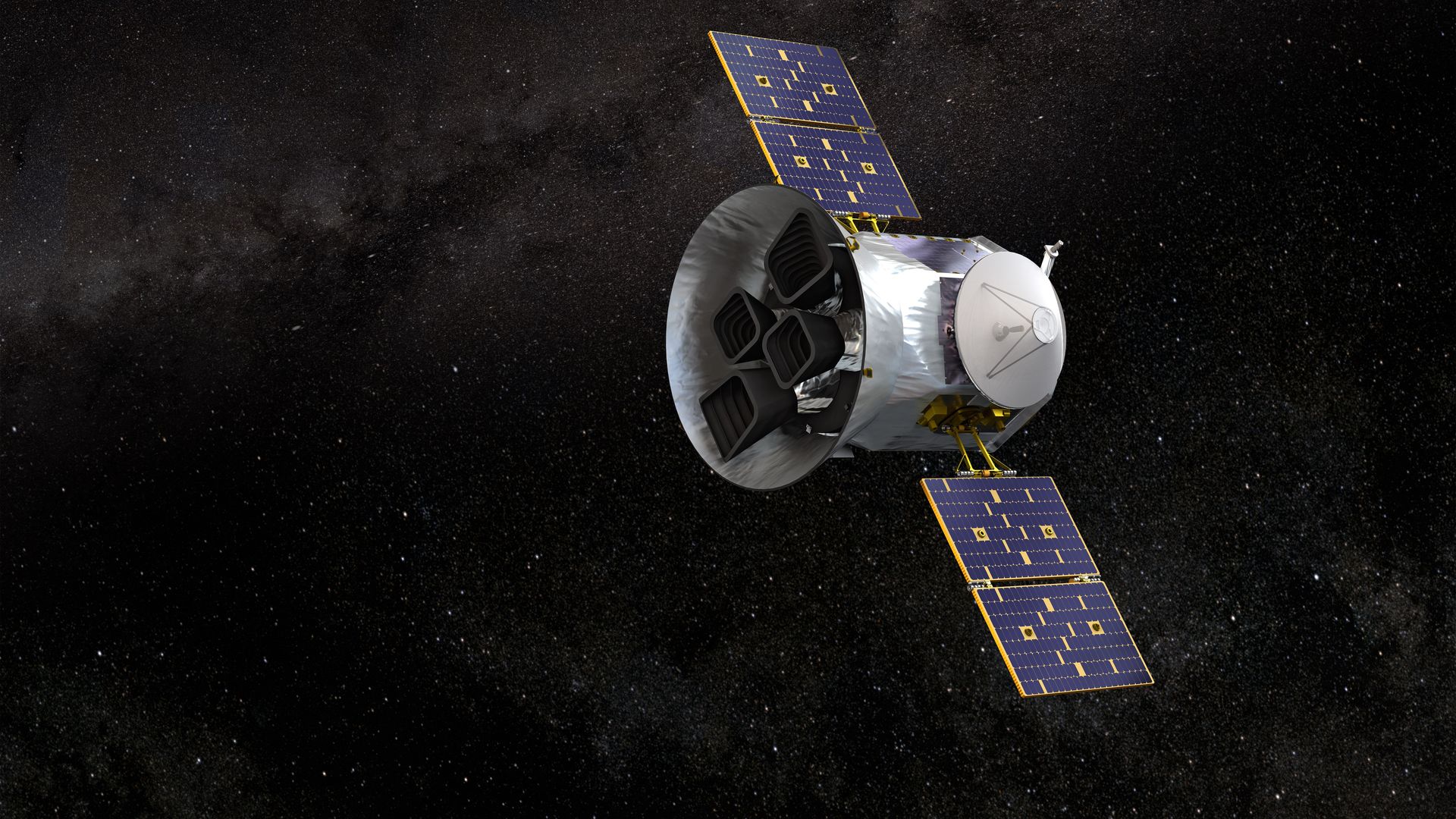
The mission: The Transiting Exoplanet Survey Satellite, or TESS, is set to launch into orbit around Earth in March. Its wide-angle cameras will, over the course of two years, photograph almost 85% of the sky in order to detect the brief dips of light caused by a planet passing in front of a star. The database it creates will guide missions for decades to come.