Wednesday's science stories

Scientists trace the journey of mysterious radio bursts
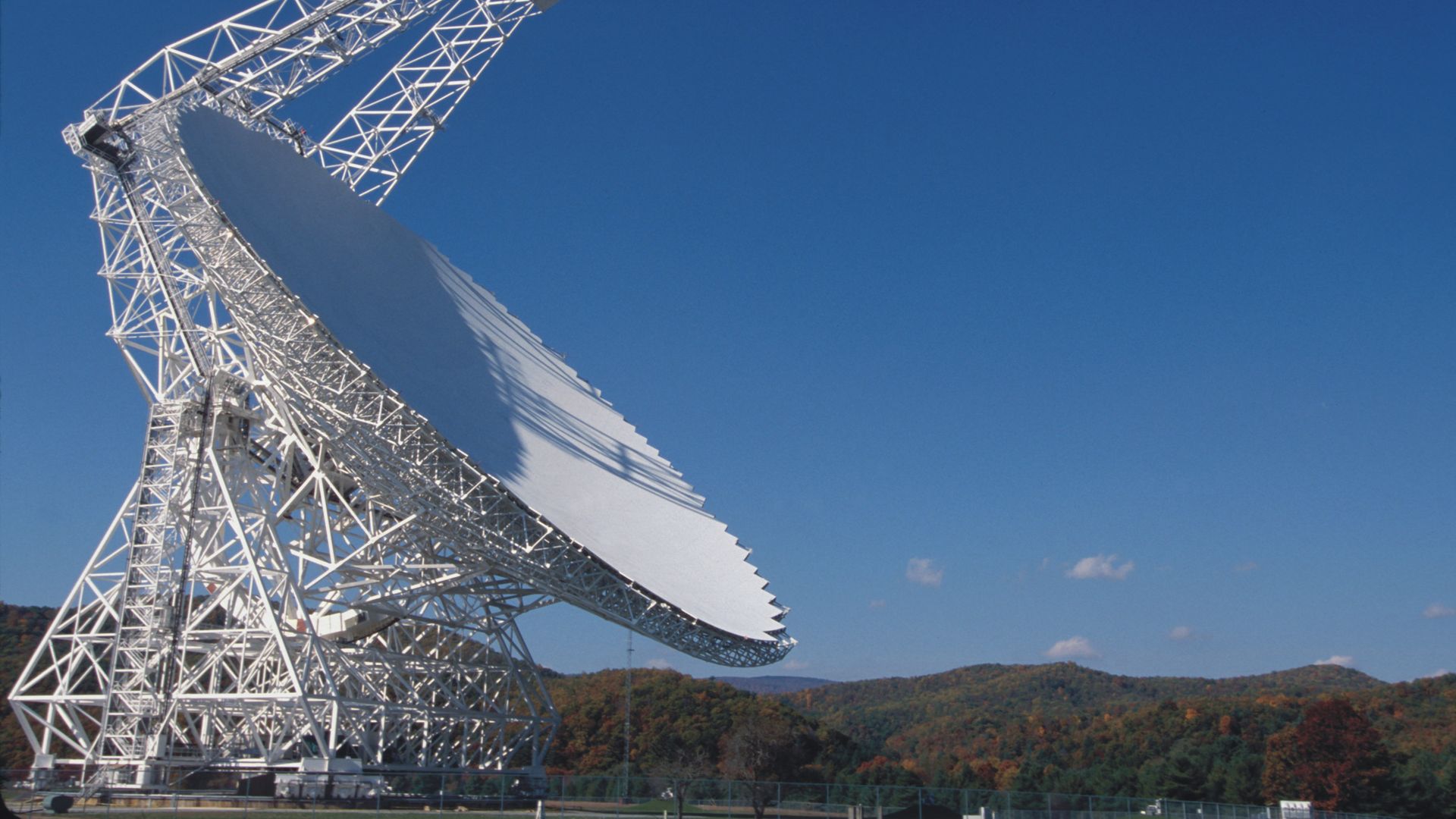
Scientists honed in on the galaxy where mysterious fast radio bursts (FRB) seem to be originating. In just a few milliseconds, FRBs give off roughly the same amount of energy as the Sun does in a day, according to a New York Times report.
Why it matters: At least 30 FRBs have been found since 2007, per the Times, and scientists don't know what causes them. But, they've gotten more information about the environment around them after tracing a particularly repetitive burster called FRB121102 to a galaxy that's 3 billion light years away.

NASA's next exoplanet hunting mission
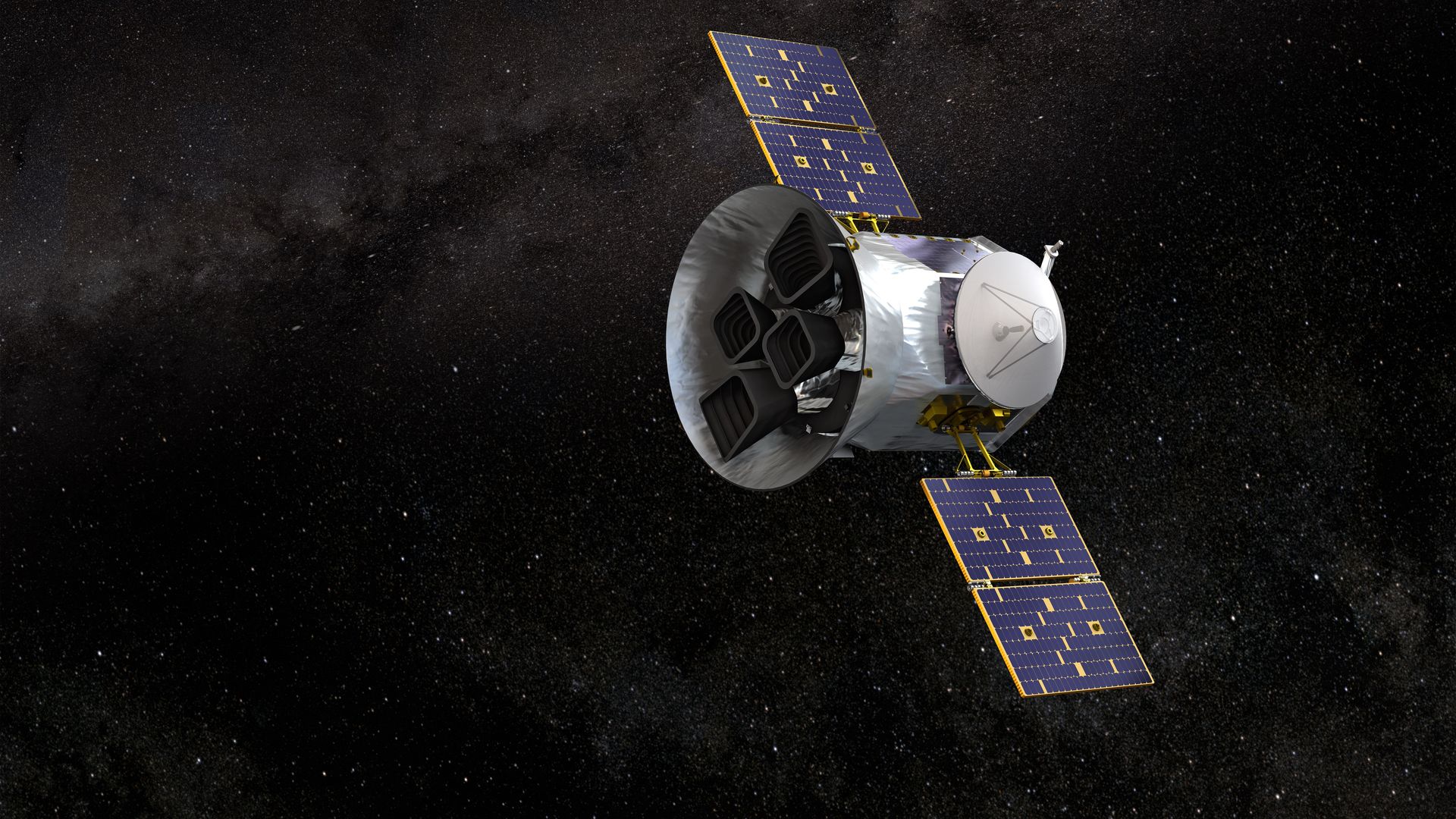
Almost 4,000 planets have been discovered outside of our solar system — some of which might be habitable. A series of upcoming missions could add tens of thousands more planets to that list, starting “a whole new era of exoplanet opportunities,” according to MIT astronomer Sara Seagar, who spoke on the topic at the winter meeting of the American Astronomical Society.
The mission: The Transiting Exoplanet Survey Satellite, or TESS, is set to launch into orbit around Earth in March. Its wide-angle cameras will, over the course of two years, photograph almost 85% of the sky in order to detect the brief dips of light caused by a planet passing in front of a star. The database it creates will guide missions for decades to come.

Satellite launched by SpaceX may be destroyed
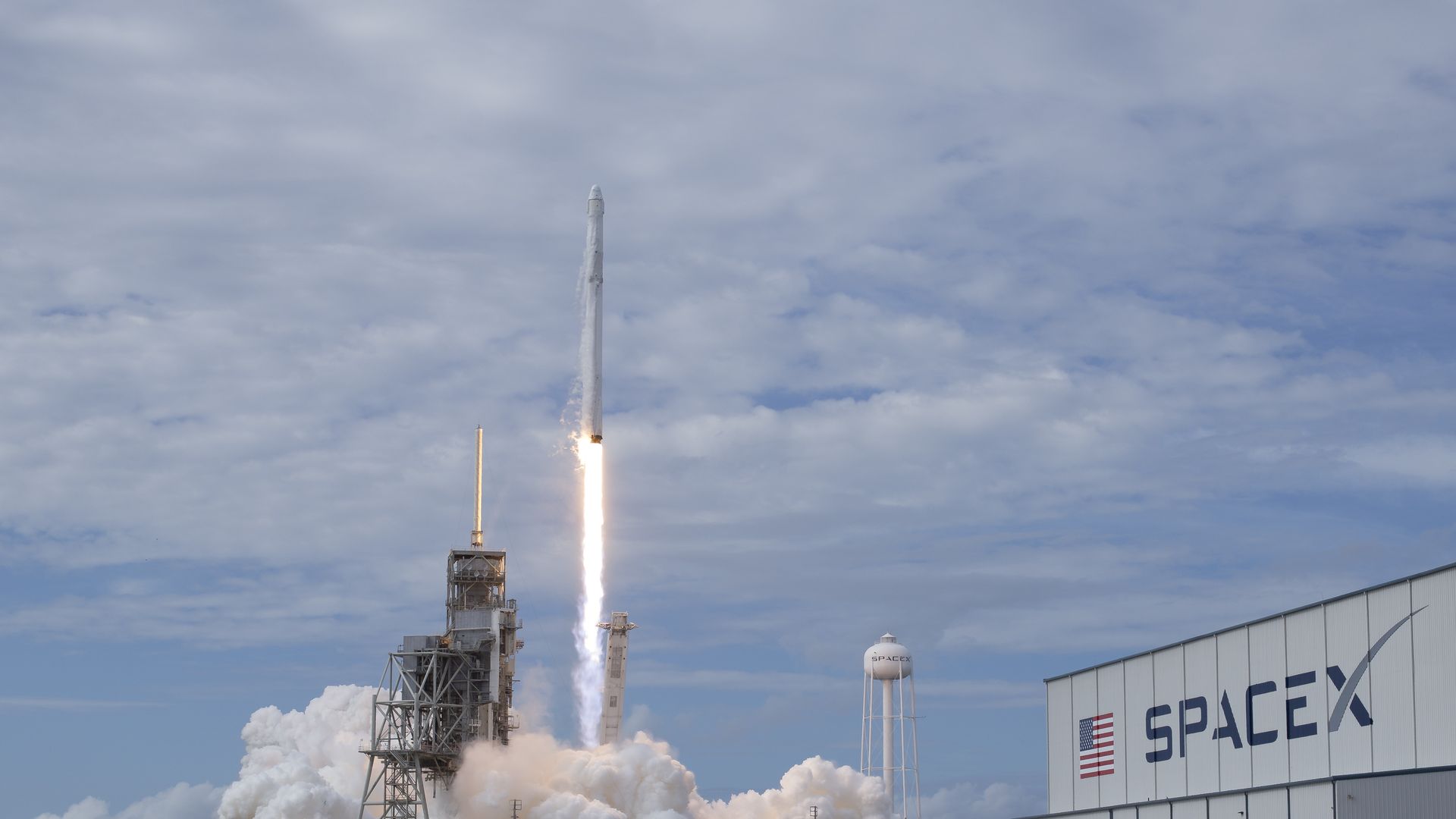
A classified spy satellite launched by SpaceX yesterday may have been destroyed after failing to reach orbit, the Wall Street Journal reports, citing unidentified industry and government officials. Members of Congress and staff have been briefed on the mission, which destroyed a secret satellite that may have cost "billions of dollars" according to the paper.
Why it matters: SpaceX has been trying to become a "reliable, low-cost launch provider" for the military, the paper says, competing against a more established competitor run by Boeing and Lockheed Martin. The company had planned more than 25 launches this year, including its first with astronauts. SpaceX said its rocket "performed nominally" but didn't provide additional information.