Wednesday's science stories

Humanity might soon get its first look at a black hole
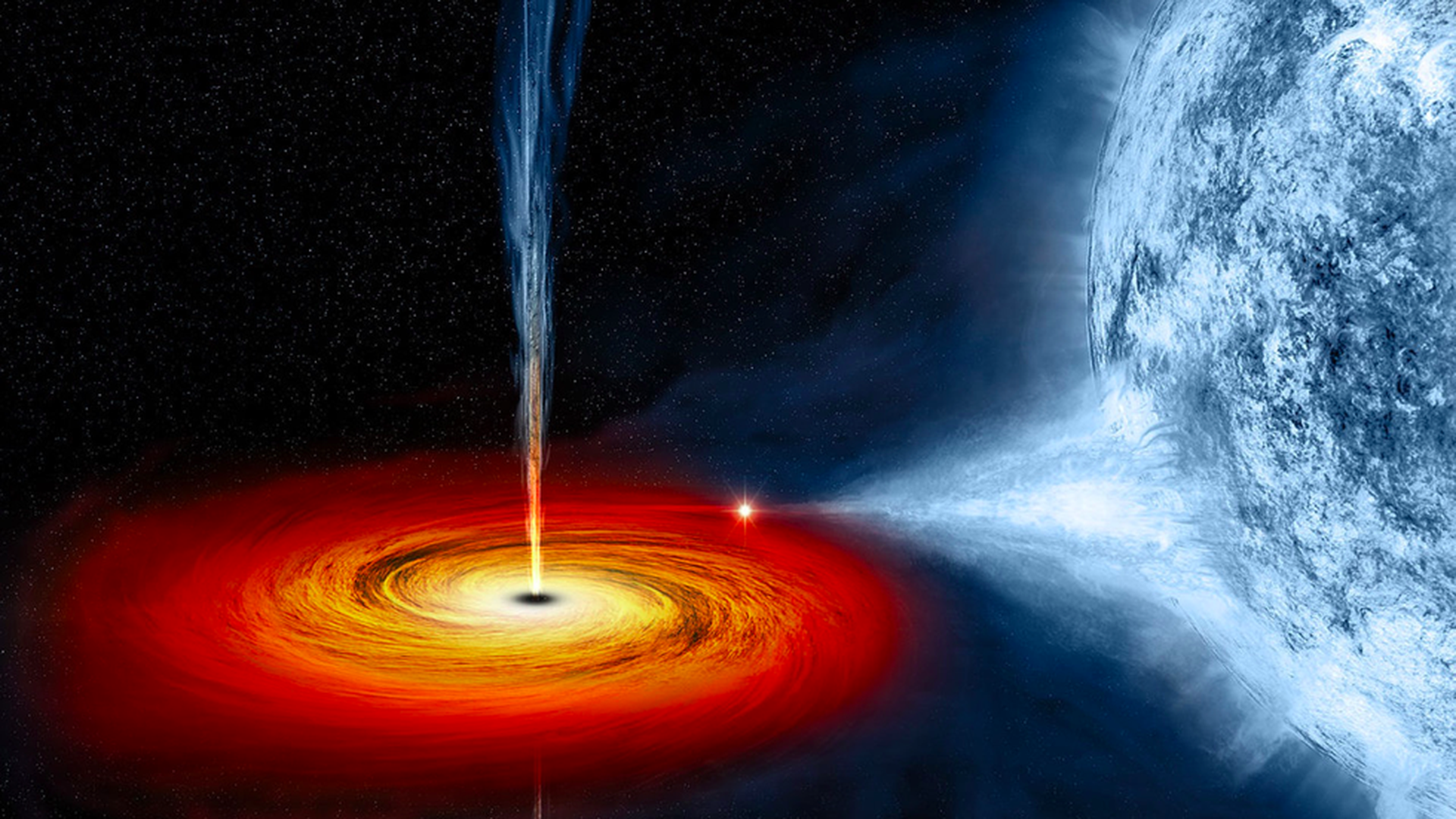
We've all heard about black holes, but no one has actually captured an image of one, including the event horizon — the edge of a black hole from which light can't escape. For the first time, scientists have put together a worldwide project called the Event Horizon Telescope in an attempt to finally get a look at a black hole, per Vox.
- The target: Sagittarius A, the presumed supermassive black hole that sits at the center of our galaxy, located about 26,000 light years away. For a sense of scale, trying to capture an image of Sagittarius A is like trying to snap a picture of a DVD on the moon, a University of Arizona astrophysicist told Vox.
- The plan: Point 8 giant radio telescopes located around the world at Sagittarius A for 10 straight days — in effect, creating a virtual Earth-sized telescope — in an attempt to generate enough data to get a look.
- The benefits: It could provide our best confirmation yet of Einstein's theory of relativity, and scientists might finally be able to test Stephen Hawking's theory that black holes lose mass over time.

NASA will take a 4th shot at finding dark matter
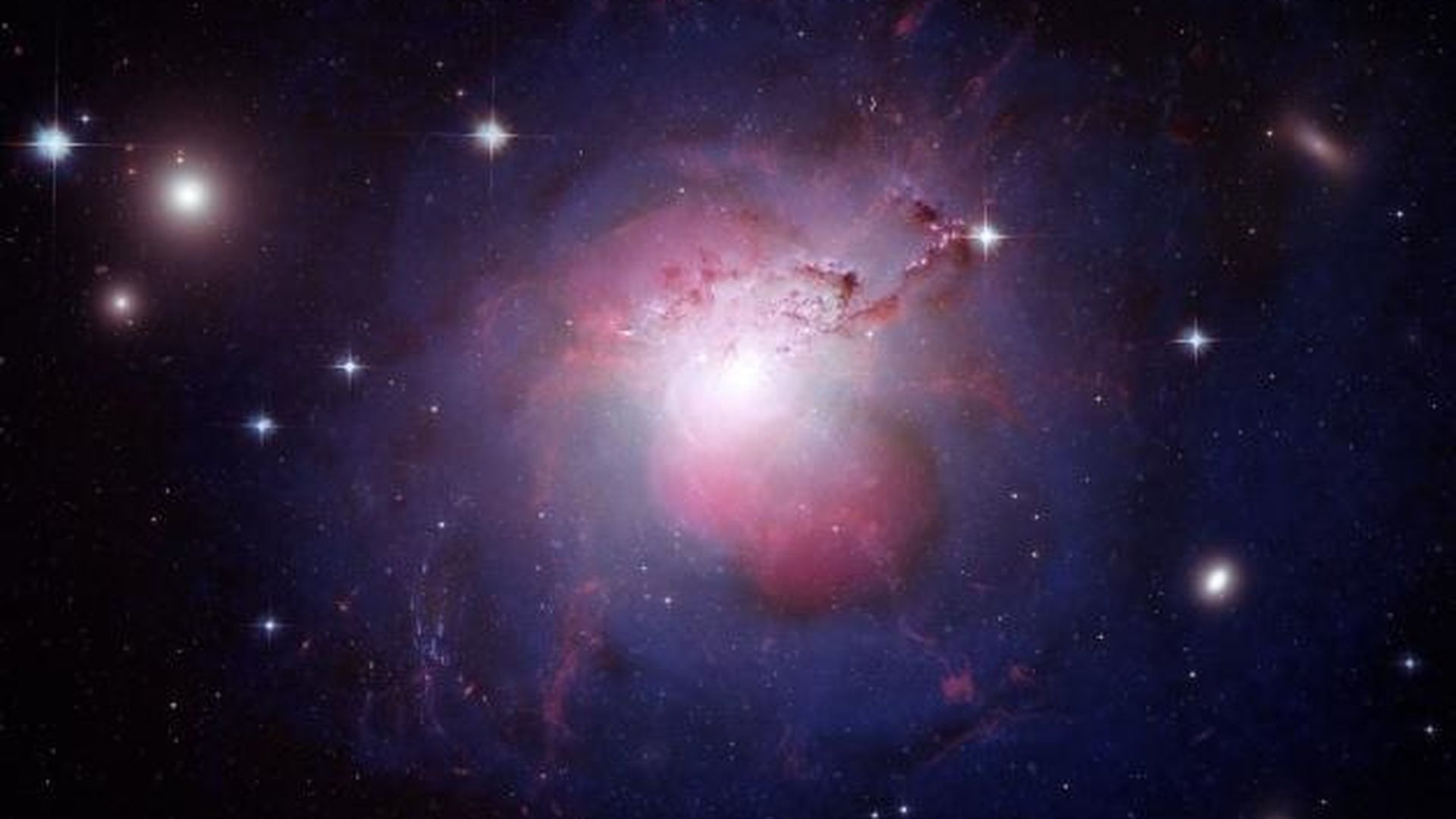
NASA and the Japanese space agency JAXA are moving ahead with building a new orbiting X-ray telescope to find evidence of dark matter, which is believed to make up 80% of all the mass in the universe. Dark matter doesn't emit or absorb light, and is instead detected via X-rays from the decay or annihilation of dark matter particles.
Previous joint missions were ill-fated:
- Take 1: In 2000, the first version of the telescope was lost in a launch failure.
- Take 2: X-ray detecting instruments made it into orbit in 2005 but a helium leak caused the primary one to malfunction.
- Take 3: A month after its launch in February 2016, the $273 million Hitomi telescope lost contact when the control system that stabilized it repeatedly failed, causing the satellite to spin uncontrollably and fly apart.
Why it matters: For years, scientists have been scouring the center of galaxy clusters for proof of dark matter. Several satellites have provided conflicting data about telltale X-ray signals. With resolution 20 times better than that of previous missions, the X-ray Astronomy Recovery Mission (XARM) may finally shed light on one of science's biggest questions.