Tuesday's politics & policy stories

CNN: Trump & Obama briefed on Russian leverage campaign
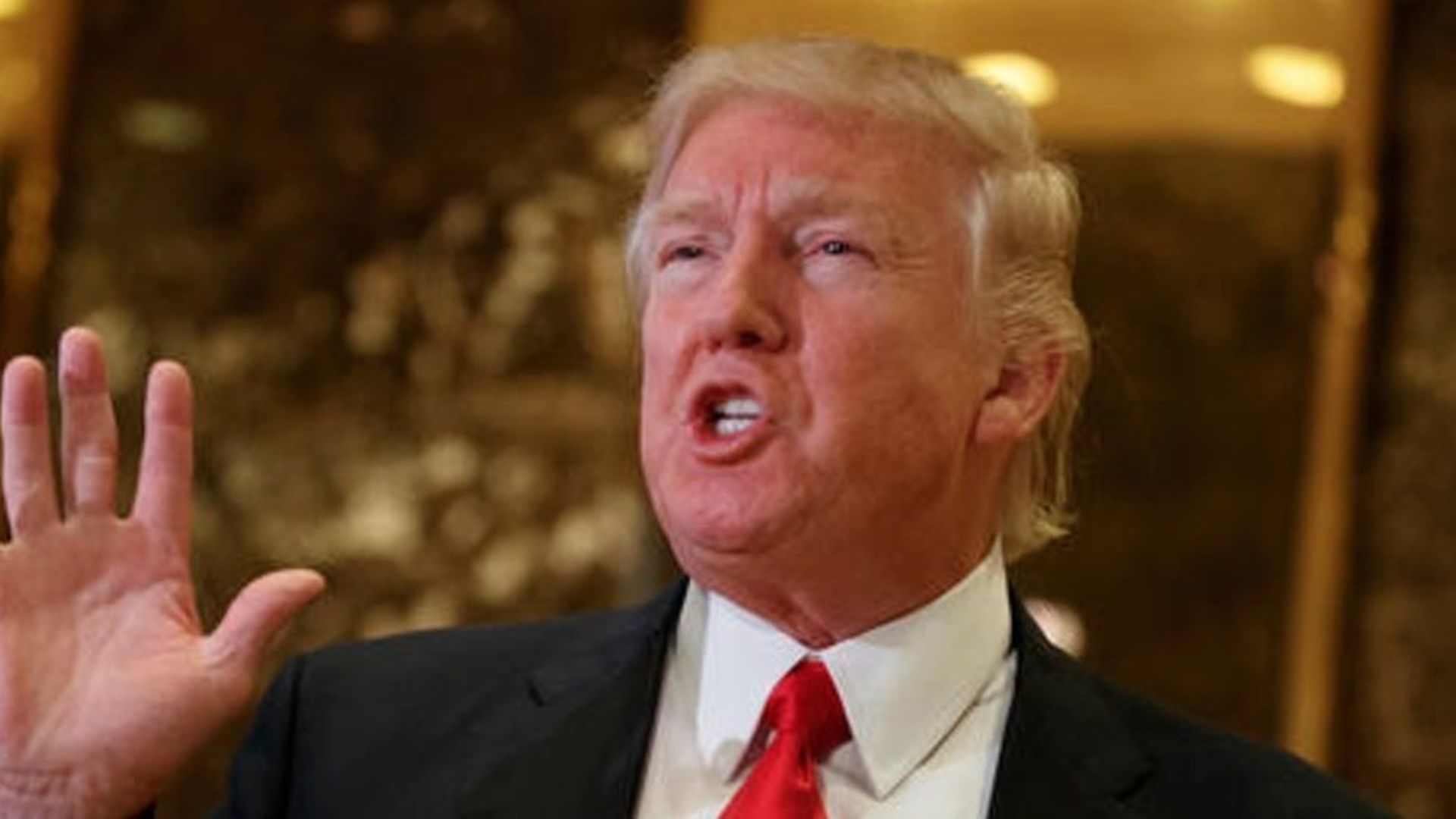
CNN has a lengthy new report by a group of reporters — including Jake Tapper, Evan Perez, Carl Bernstein and Jim Sciutto — claiming that U.S. intelligence officials have warned Trump that Russia is trying to compromise him.
What's new:
- Trump and Obama were briefed last week on a two-page synopsis of a report compiled by a former British spy at the behest of opposition researchers.
- The briefers were the heads of the four main intelligence agencies: The FBI, CIA, NSA and Director of National Intelligence.
- The briefing was on "allegations that Russian operatives claim to have compromising personal and financial information about Mr. Trump..."

What tech should watch at the Sessions hearing
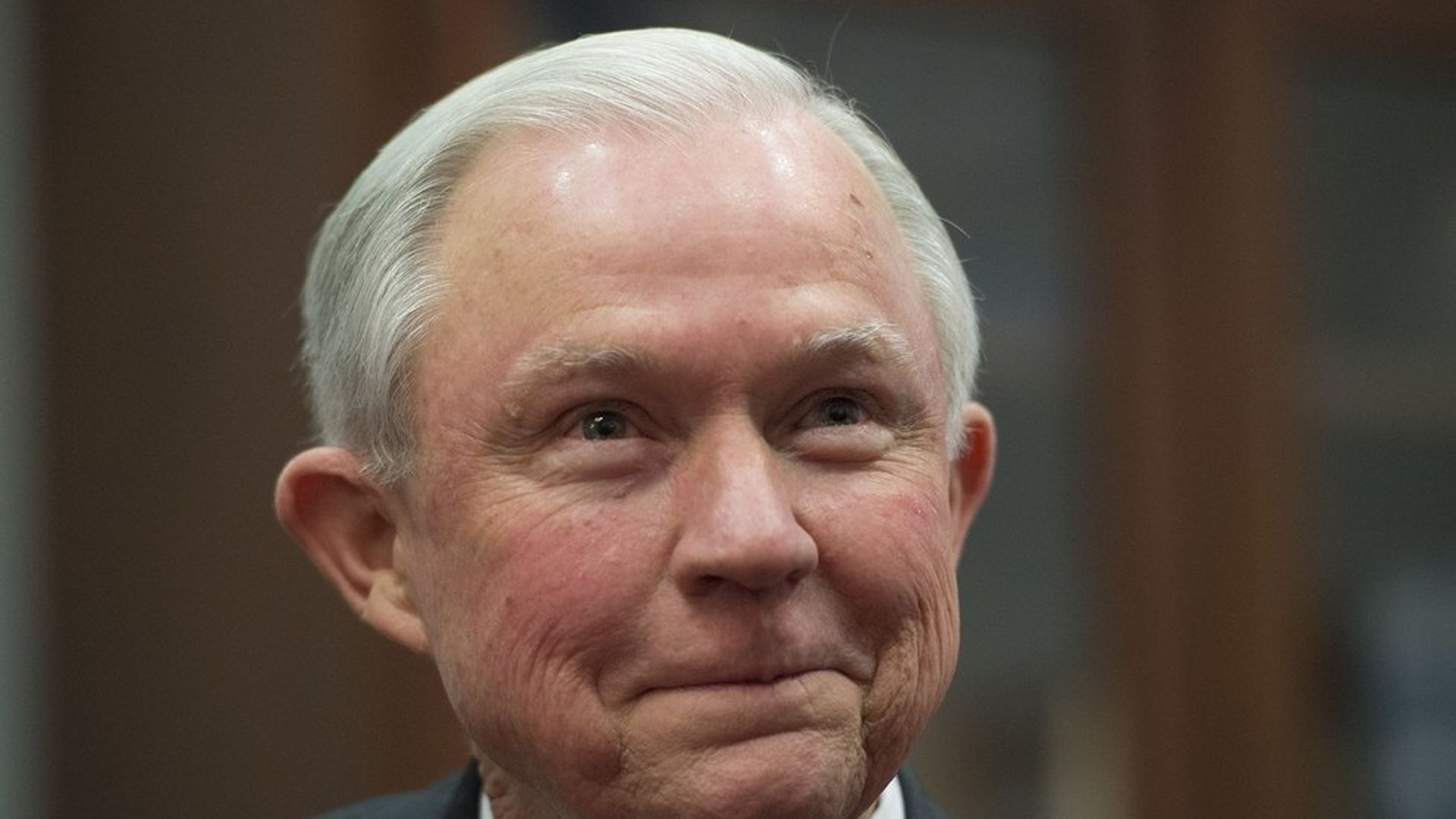
- Encryption and surveillance: Sessions wants to expand the government's surveillance apparatus, an unpopular position in Silicon Valley. He criticized Apple during the company's scuffle with the FBI last year and has worked in Congress to expand law enforcement access to digital data.
- Antitrust: Donald Trump has pledged to kill AT&T's mammoth purchase of Time Warner. Justice's role as the main agency looking at the deal will put Sessions' views on antitrust law in the spotlight. They are all the more significant with buzz around a possible merger of Sprint and T-Mobile.
- Immigration: Sessions, as Politico noted in November, doesn't have a problem criticizing Silicon Valley darlings for their use of the H1-B visa program for high-skilled workers.
The bigger picture: Don't expect tech's concerns to be front and center at this one. Sessions' record on issues related to race is going to be the major theme of the hearing. The immigration discussion will more likely focus on undocumented immigrants living in the United States than the H1-B program, which Justice doesn't administer.
What's next: Transportation Secretary nominee Elaine Chao has her hearing Wednesday. Commerce nominee Wilbur Ross goes on Thursday.
Senate plows ahead on Russia sanctions
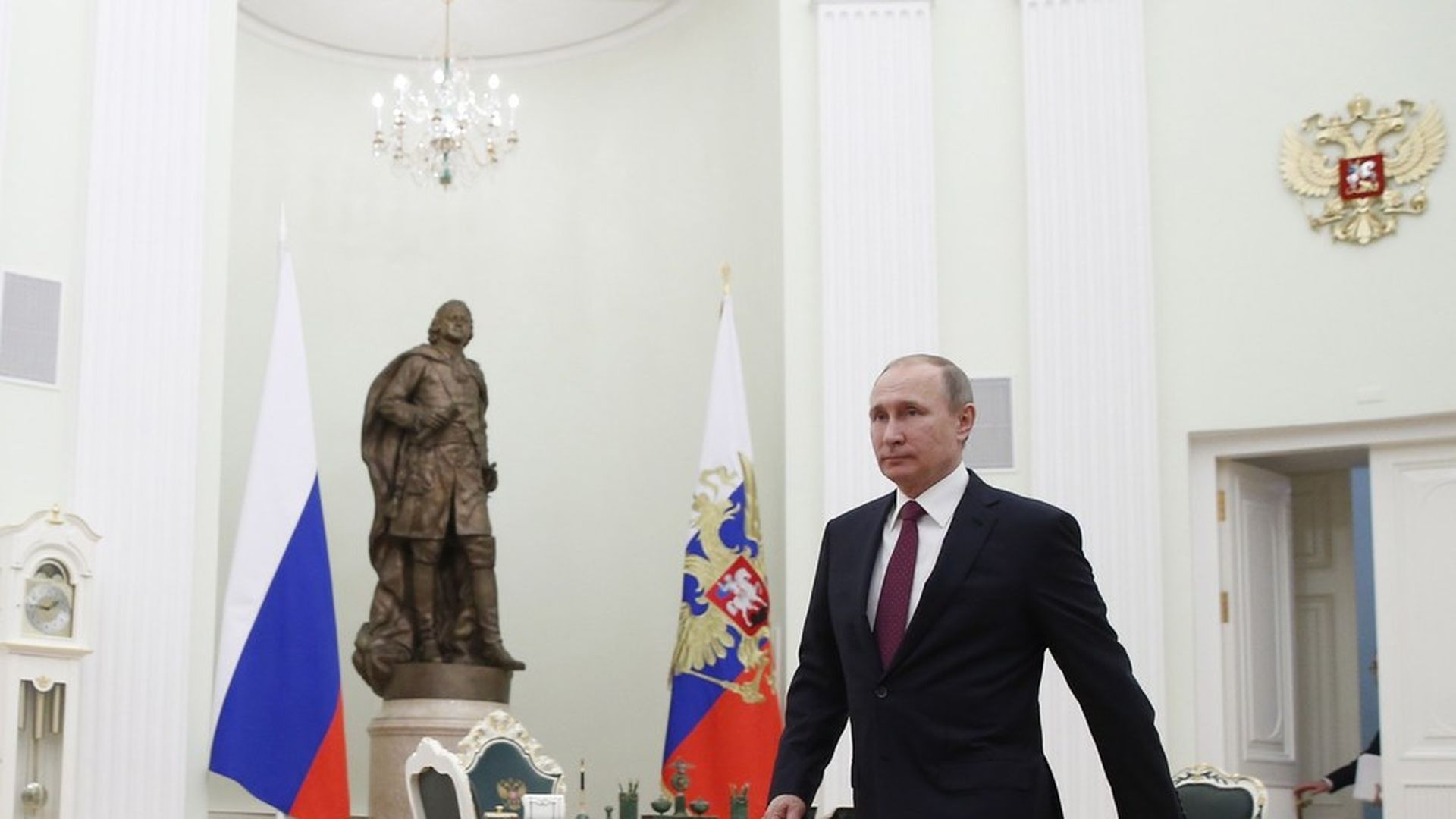
A bipartisan Senate group is prepping a fresh new round of Russia sanctions, per Politico. There are 10 co-sponsors, including Lindsey Graham, Marco Rubio, John McCain, Ben Cardin, Ben Sasse and Rob Portman.
The new sanctions would:
- Freeze assets and impose visa bans on hackers and those deemed to be tied to hackers
- Impose sanctions on bank transactions with the Russian defense and intelligence sectors.
- Put Obama's 2014 Russia sanctions into formal law.
- Ban any recognition of Russian sovereignty over Crimea.
- Authorize $100 million for the U.S. government to counter "fake news," among other provisions.
Why it matters: Trump and his Secretary of State nominee, Rex Tillerson, have signaled they'll be friendlier to Russia than the Obama administration. This is a sign that Trump will have to battle Congress to make that happen.

This is what happens when developers take over the White House
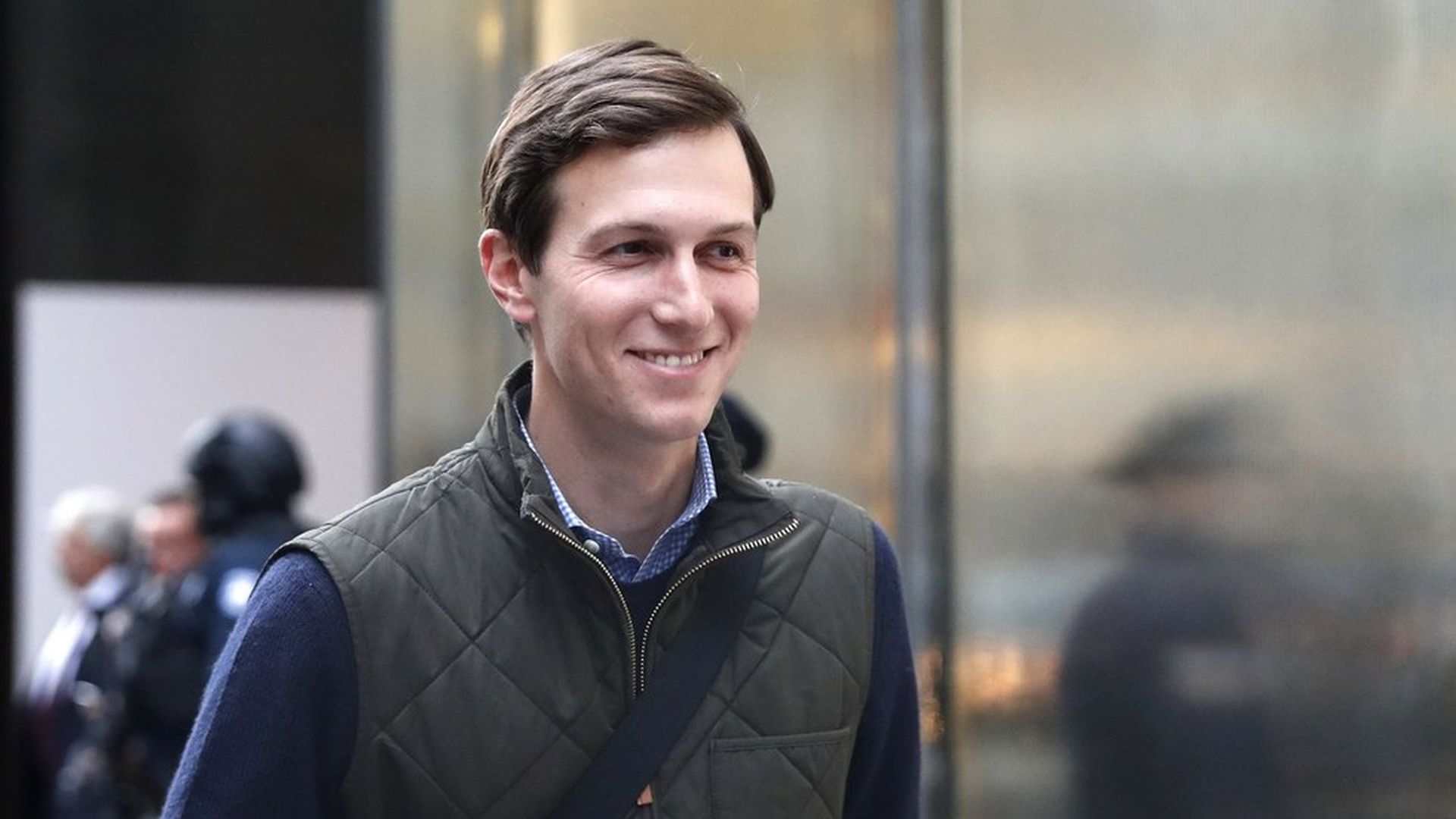
Before making it big in Manhattan, both the Trumps and the Kushners made their money by serving middle-class homeowners elsewhere in New York City. As one real-estate colleague of the Kushners told New York Magazine: "You cater to the masses, you eat with the classes."
That could just as easily explain the appeal of Trump's presidential campaign to the parts of America that helped propel him to the White House. (And as Mike Allen reported this morning, will send Kushner to the White House too as an adviser.)
The entire story underscores Trump's and Kushner's instincts for marketing to the average American, but also the real estate business' essential quid-pro-quo relationship with government. Few big-city development projects are realized without changes to zoning laws that are won by developers agreeing to concessions to the public interest like affordable housing quotas. This means cozying up to folks in power, whatever the party, and using those levers to get things done.
Our take: Don't expect the president to ease up on his demands on domestic employers — for developers the line between the public and private sectors is not so clear-cut.