Axios Sports
March 11, 2021

1 big thing: 📆 One year later...
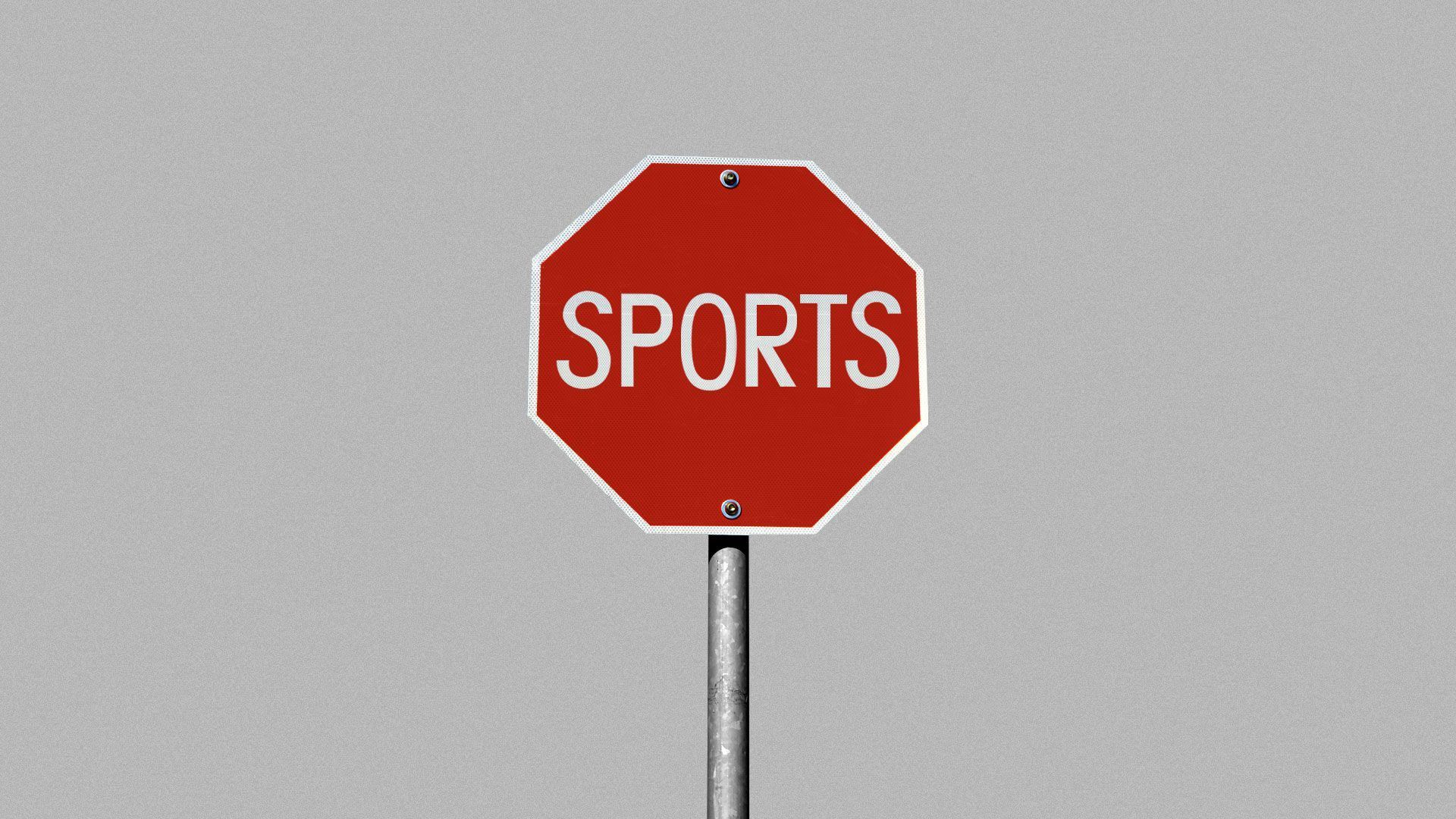
Illustration: Eniola Odetunde/Axios
A year ago today, Rudy Gobert returned a positive COVID-19 test, triggering the sports shutdown of 2020, Axios' Jeff Tracy and I write.
The backdrop: During the week prior, the U.S. had surpassed 100 cases (March 2), the world had surpassed 100,000 (March 6) and sports leagues had closed their locker rooms to media members.
- On March 11, the World Health Organization declared a pandemic, and by the end of the night the NBA had suspended play indefinitely.
- By March's end every major sporting event — including the Tokyo Olympics — had been either postponed or canceled, and nothing but uncertainty lay ahead.
Timeline:
- April: The NFL and WNBA held virtual drafts, the XFL filed for bankruptcy, and Professional Bull Riding beat everyone to the punch with a 140-person bubble event.
- May: Starved for sports, this was the month the faucet really turned back on. UFC and NASCAR resumed, "The Last Dance" entertained, and a charity golf event provided a welcome reprieve.
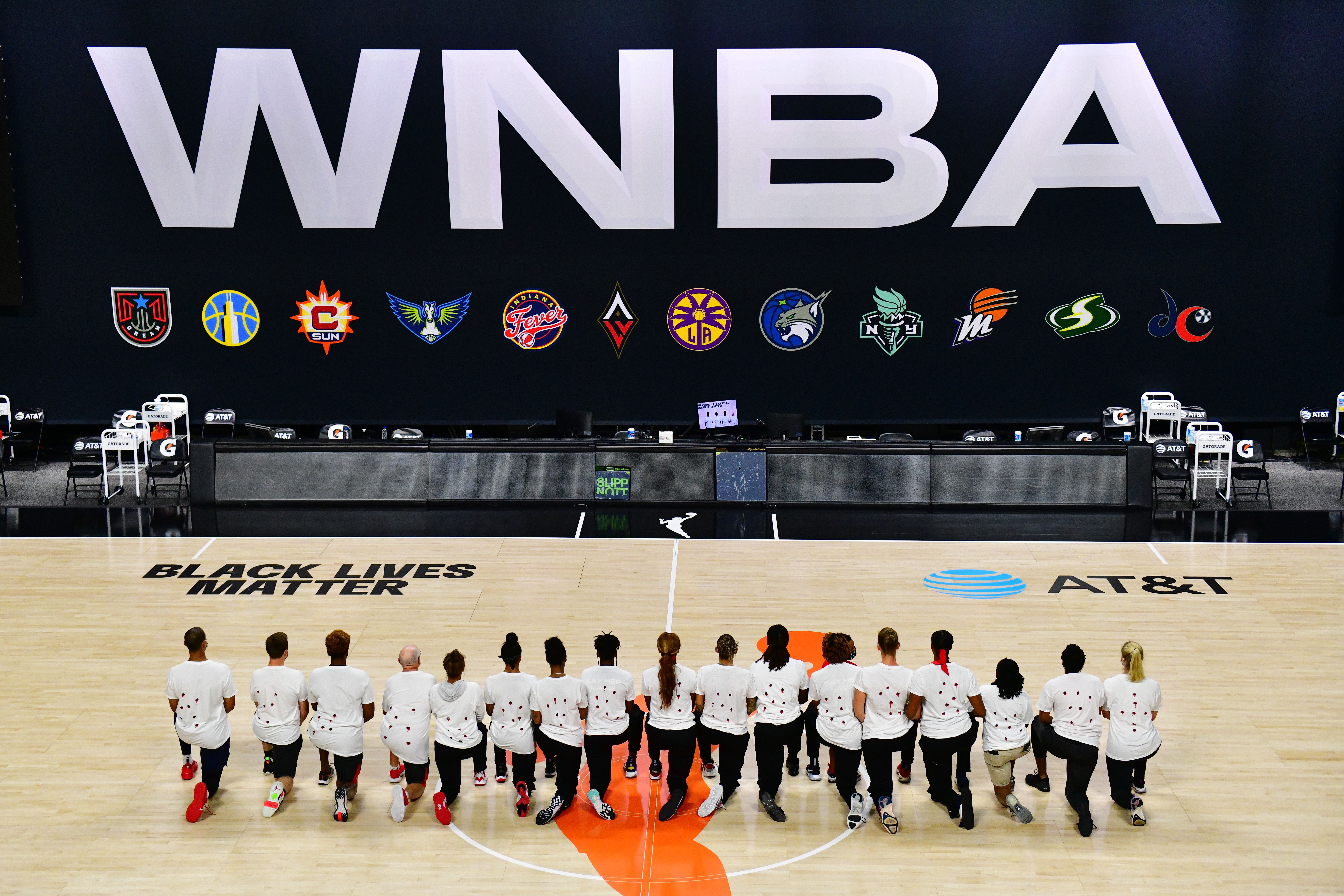
- June: Athletes spoke out following George Floyd's death, NASCAR drivers stood in solidarity with Bubba Wallace, the PGA Tour returned in Texas and the NWSL Challenge Cup kicked off in Utah.
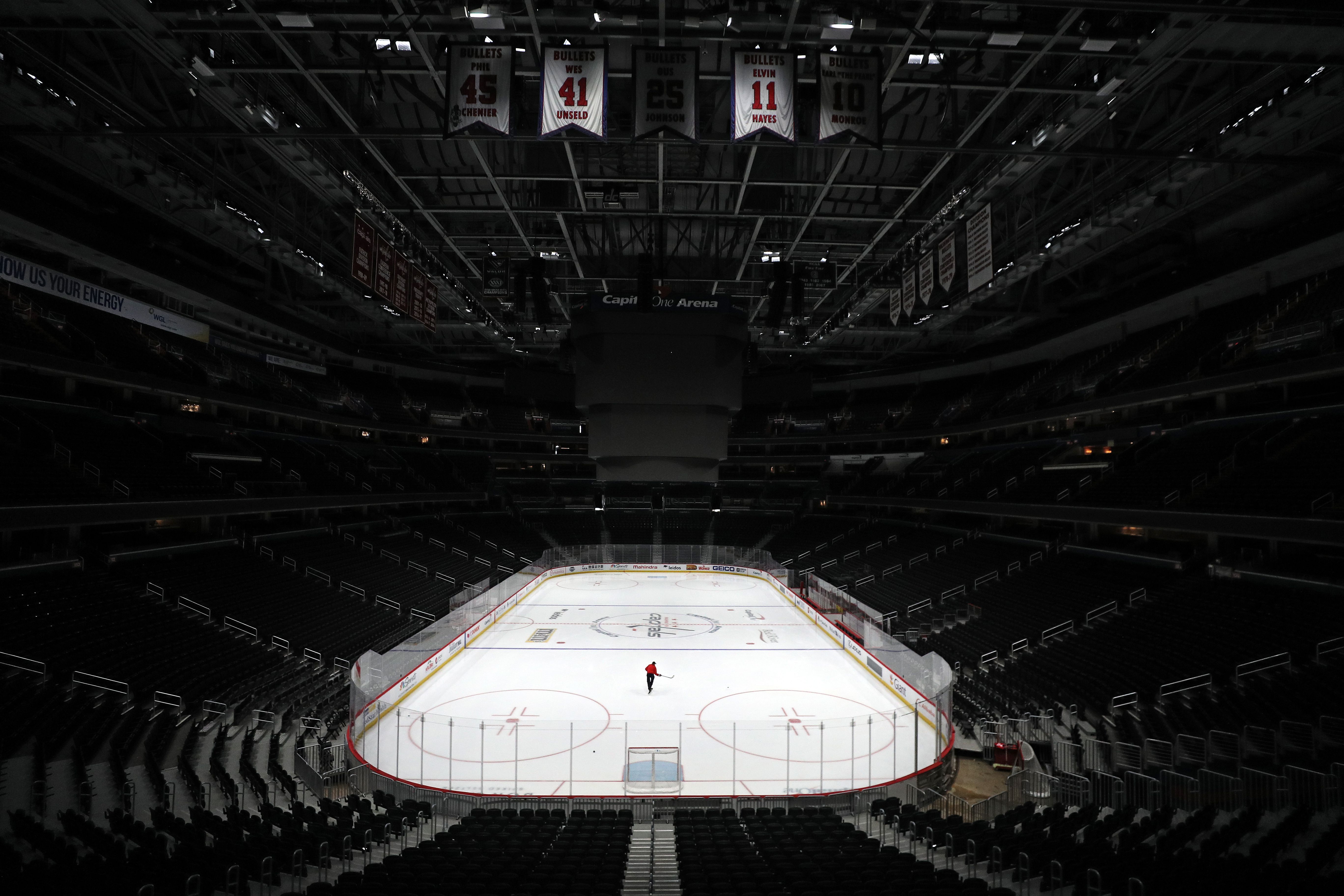
- July: The NBA, WNBA, MLS and MLB all began or resumed their seasons, as we transitioned from the "No Sports Era" to the "No Fans Era."
- August: The NHL returned with a Canadian "double-bubble," while Big Ten parents protested the postponement of fall sports. On Aug. 26, sports came to a halt, marking a monumental day in American history.
- September: The NFL kicked off its season, the Stanley Cup champion Lightning kicked off Tampa Bay-St. Petersburg's epic run of success, and Naomi Osaka won her second U.S. Open.
- October: The West Coast completed the October sweep, with the Lakers winning the NBA title, the Dodgers winning the World Series and the Storm winning the WNBA title.
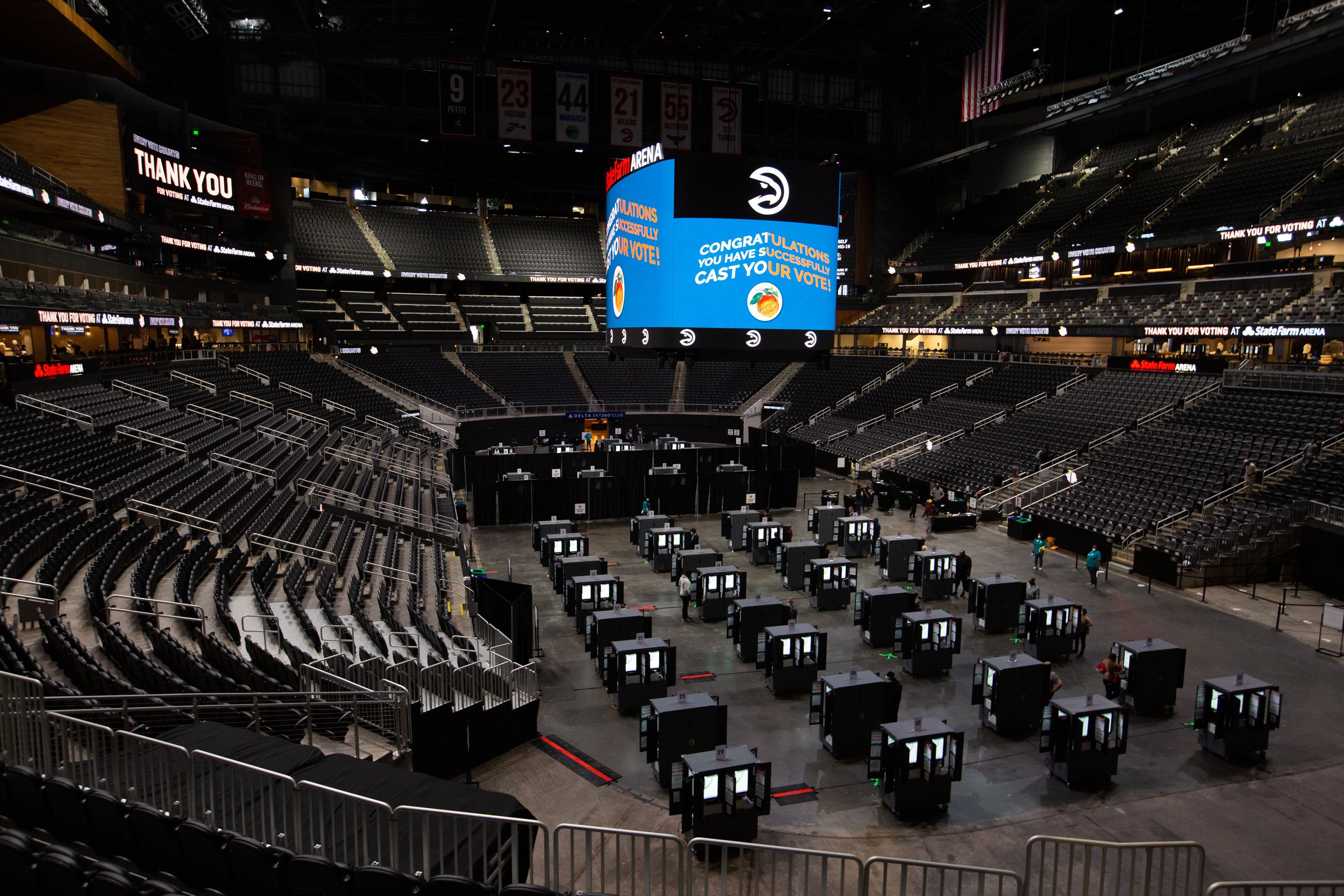
- November: Sports venues became polling centers, Dustin Johnson won a Masters unlike any other, and college hoops tipped off.
- December: The NBA returned, and the Ravens and Steelers played on a Wednesday — the seventh and final day of the week to feature an NFL game in 2020.
- January: Nick Saban and Alabama won another national title, the NHL returned, and the NCAA announced plans for an Indiana bubble.
- February: Tom Brady won another battle with time, Tiger Woods crashed his car, and the Australian Open provided a glimpse of normalcy.
Go deeper:
Bonus: 🏀 Adam Silver interview
Photo illustration: Eniola Odetunde/Axios. Photo: Franck Fife/Getty Images
2. 😷 The pandemic's toll on teens
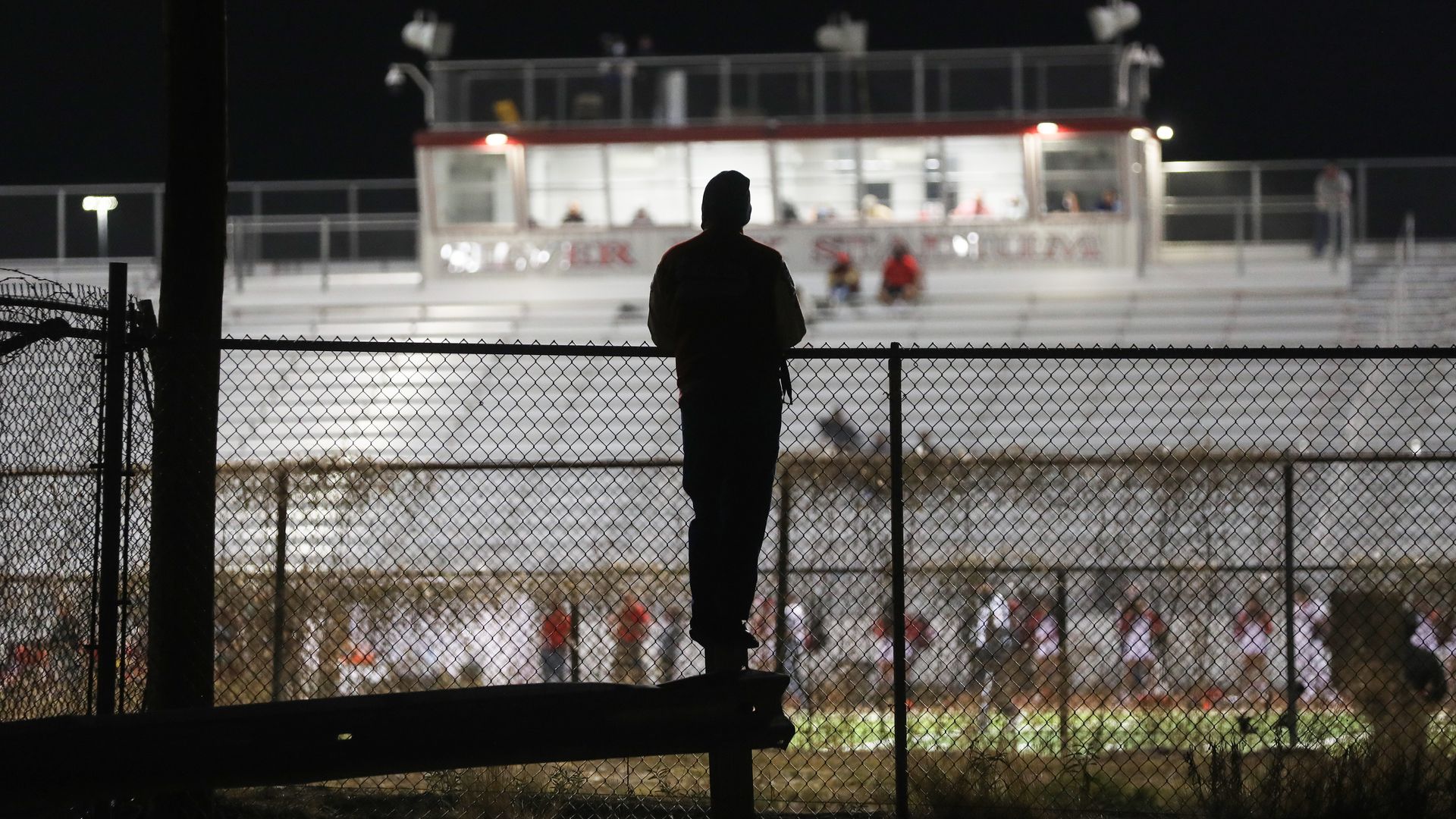
Photo: Mario Tama/Getty Images
The pandemic has been hard on everyone, but the impact on teenagers has been uniquely profound, Jeff writes.
Why it matters: High schoolers spent much of the past year isolated and on the sidelines, and that lack of human connection — combined with shortened or canceled sports seasons — has taken a devastating toll.
- A coordinated, national response would have allowed teens to at least take solace in being alone together. Instead, state-by-state protocols meant they all had different experiences.
- Some kids played sports and attended in-person classes. Others learned virtually and saw sports seasons canceled, robbing them of lifelong memories and, in some cases, the chance to get recruited.
The tale of two towns...
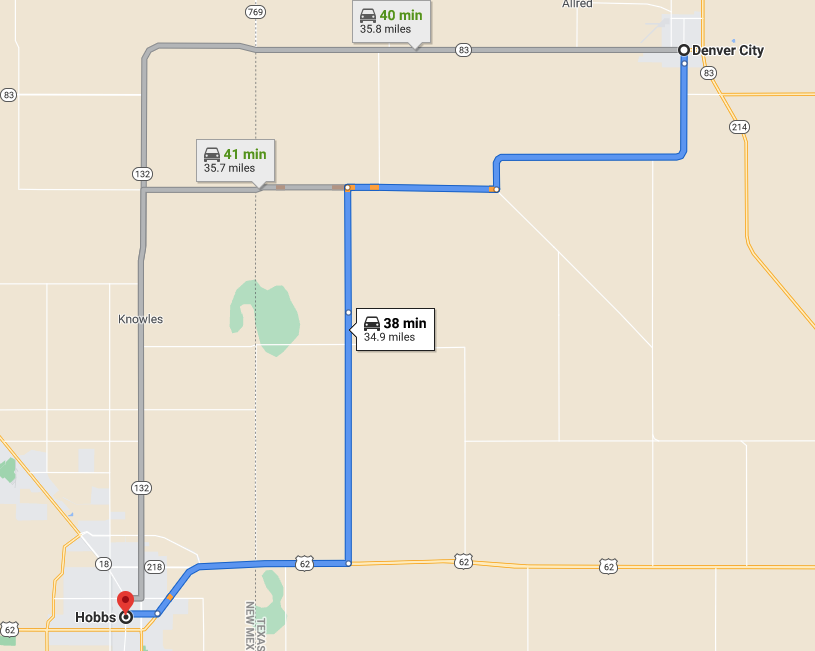
Denver City, Texas, and Hobbs, New Mexico, are separated by just 35 miles, but their states responded to the coronavirus in drastically different ways. Texas was freewheeling; New Mexico was the opposite.
- Denver City: After the initial lockdown, the town of 5,000 reopened its schools with baseline safety measures (masks, social distancing, contact tracing) and ran a cancellation-free football season.
- Hobbs: The slightly larger town (population 40,000) across the border continued with remote or hybrid learning throughout the year. Athletes could practice in small pods, but there were no actual games.
What they're saying: For some, like Hobbs junior football star Kooper Davis, the time away from the field and friends was unbearable, as depicted in a must-read story from ProPublica's Alec MacGillis.
"I play football and basketball and those sports make up a big part of my life, and when I'm not here every day doing something with those sports, honestly, I feel really lost in life."— Davis, during an October demonstration to reopen schools
In December, Davis took his own life; the third Hobbs teen to do so in the last three months of 2020 alone. "No doubt, if my son had been in school on Monday this wouldn't have happened," said his father.
3. 🇺🇸 America's nightmare is finally ending


One year after the WHO declared COVID-19 a pandemic, the end of that pandemic is within reach, Axios' Sam Baker writes.
The big picture: The death and suffering caused by the coronavirus have been much worse than many people expected a year ago — but the vaccines have been much better.
Go deeper: U.S. averages 50,000 new daily cases for first time since October (Axios)
4. ⛳️ The Players Championship is back
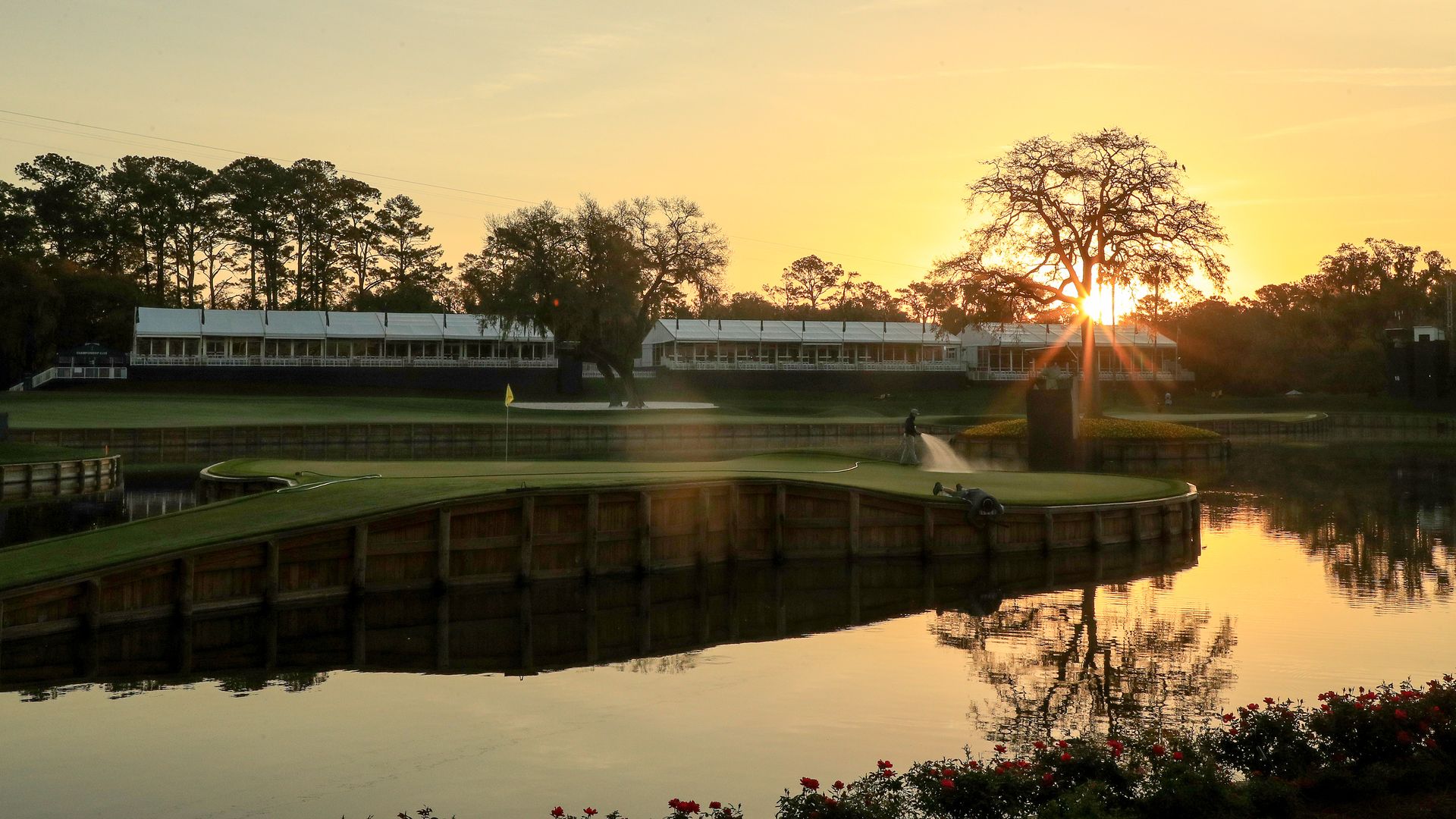
TPC Sawgrass, the morning after last year's tournament was canceled. Photo: Mike Ehrmann/Getty Images
5. 📸 Pic du jour: Roger's return
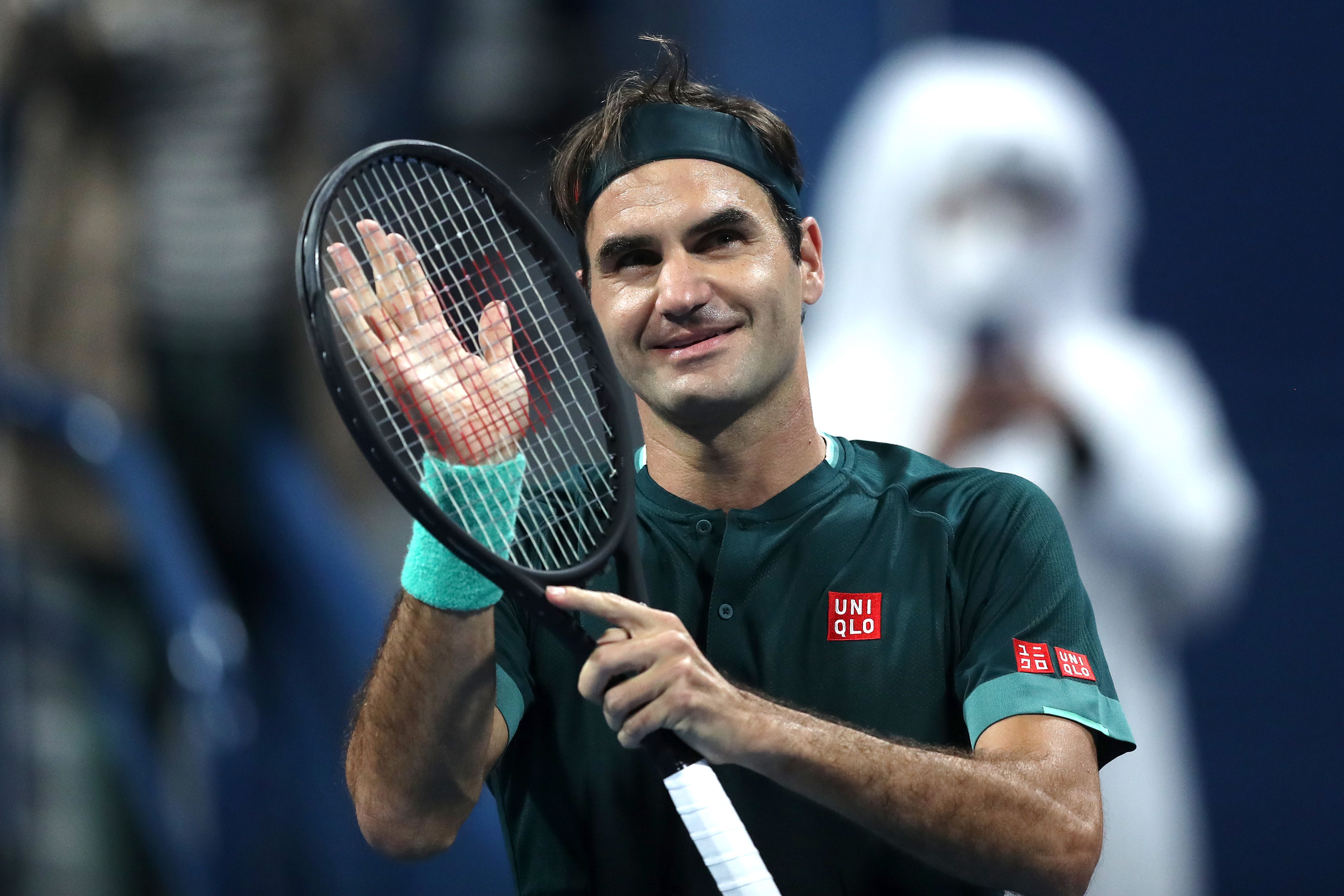
After 405 days away from tennis, Roger Federer began his 24th season on tour with a win, beating Dan Evans on Wednesday to advance to the Qatar Open quarterfinals.
The backdrop: Federer, 39, hadn't played a competitive match since injuring his right knee and undergoing two operations in 2020.
🎥 Watch: Highlights (YouTube)
6. ⚡️ Lightning round
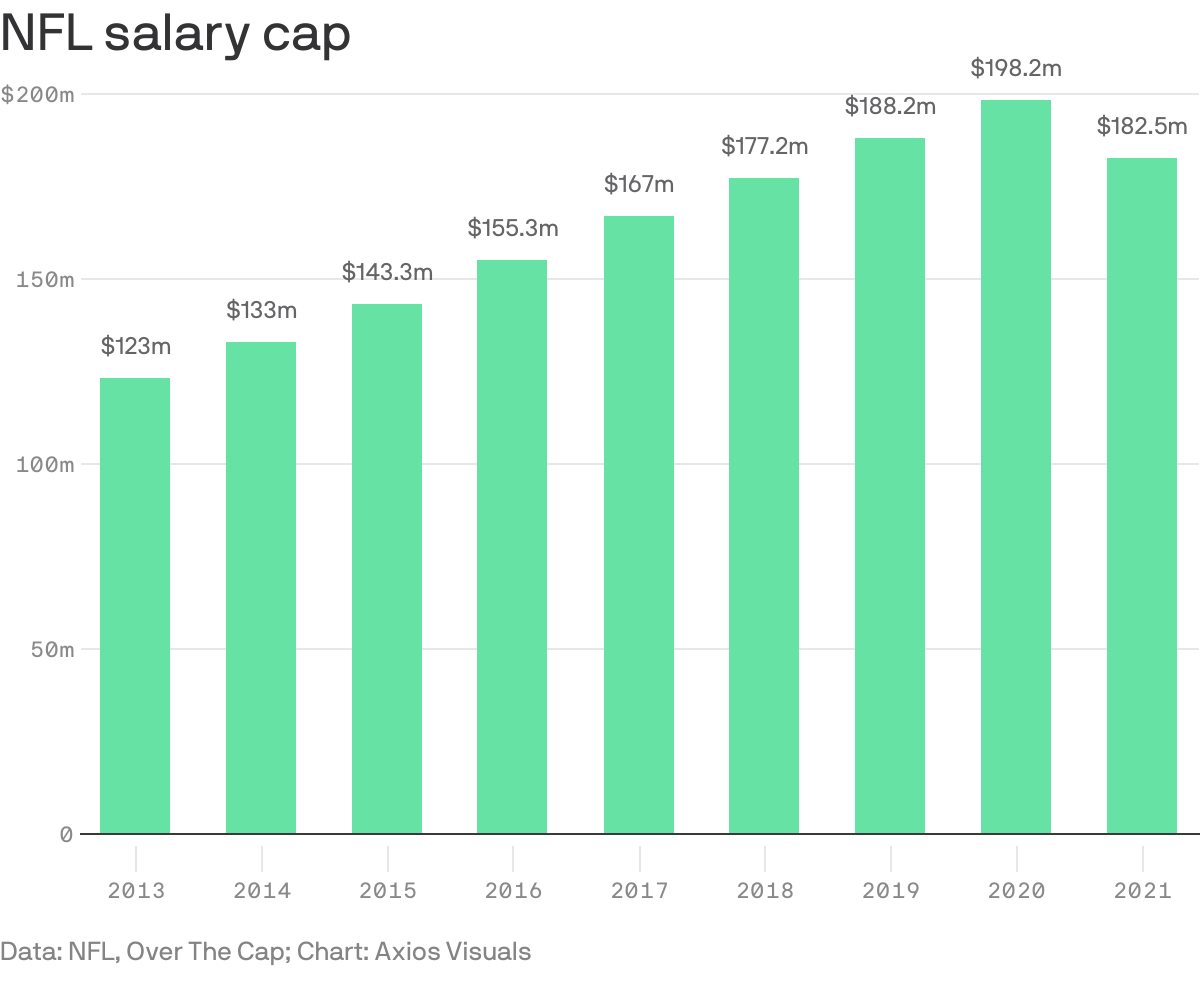
🏈 The NFL and NFLPA have agreed to a salary cap of $182.5 million for 2021, an 8% decrease from last season. Teams knew this was coming, but they'll still have to get creative as free agency looms.
⚾️ The Rangers will allow 40,518 fans (full capacity) at Globe Life Field on Opening Day.
⚽️ 16 years: For the first time since 2005, the Champions League quarterfinals will not feature Lionel Messi or Cristiano Ronaldo.
🎓 Jeff Long has been fired as Kansas' athletic director two days after the school parted ways with football coach Les Miles.
🏀 Look: Nike and the NBA released a set of new "Earned Edition" jerseys for the 16 teams that reached the 2020 playoffs. All 16 jerseys, ranked.
7. 📆 March 11, 1892: First public basketball game
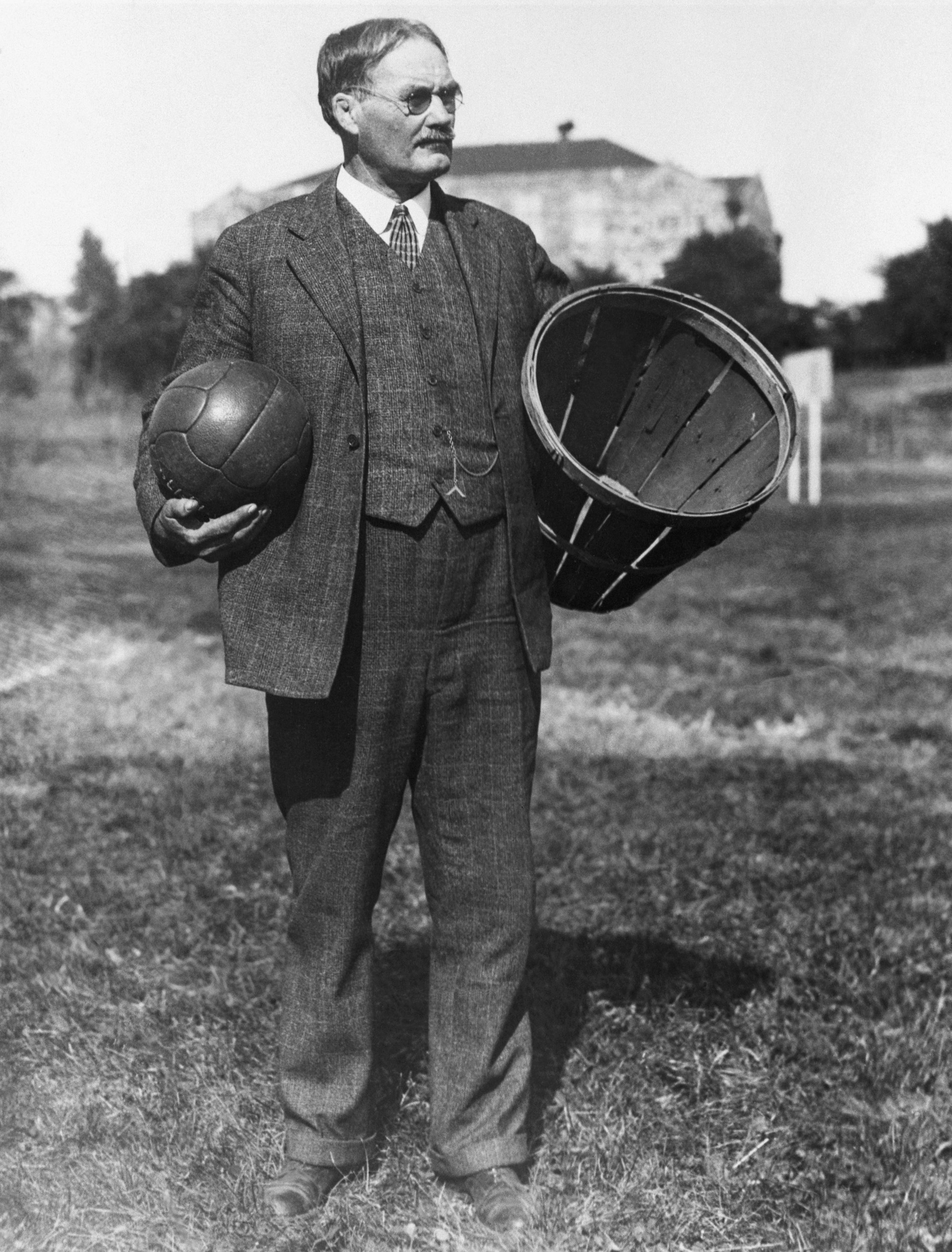
129 years ago today, the first public basketball game was played between the students and faculty of Springfield (Mass.) College, where the sports' inventor, James Naismith, taught at the time.
- Final score: The students handled the teachers with ease, winning 5-1 in front of a crowd of 200.
- Fun fact: The faculty's only basket was scored by Amos Alonzo Stagg, who had been selected to the first College Football All-America Team three years earlier at Yale.
The rules: They used a soccer ball and nailed two vegetable baskets to the railing of an elevated running track. Holes were cut in the baskets for easier ball retrieval.
- Players could throw or bat the ball in any direction, but couldn't run with it.
- Fouls included pushing, shouldering, and tripping. Three consecutive fouls by one team resulted in a basket for the opponents.
- Halves were 15 minutes, with a five minute break in between.
8. 🏁 The Ocho: Tape measure racing
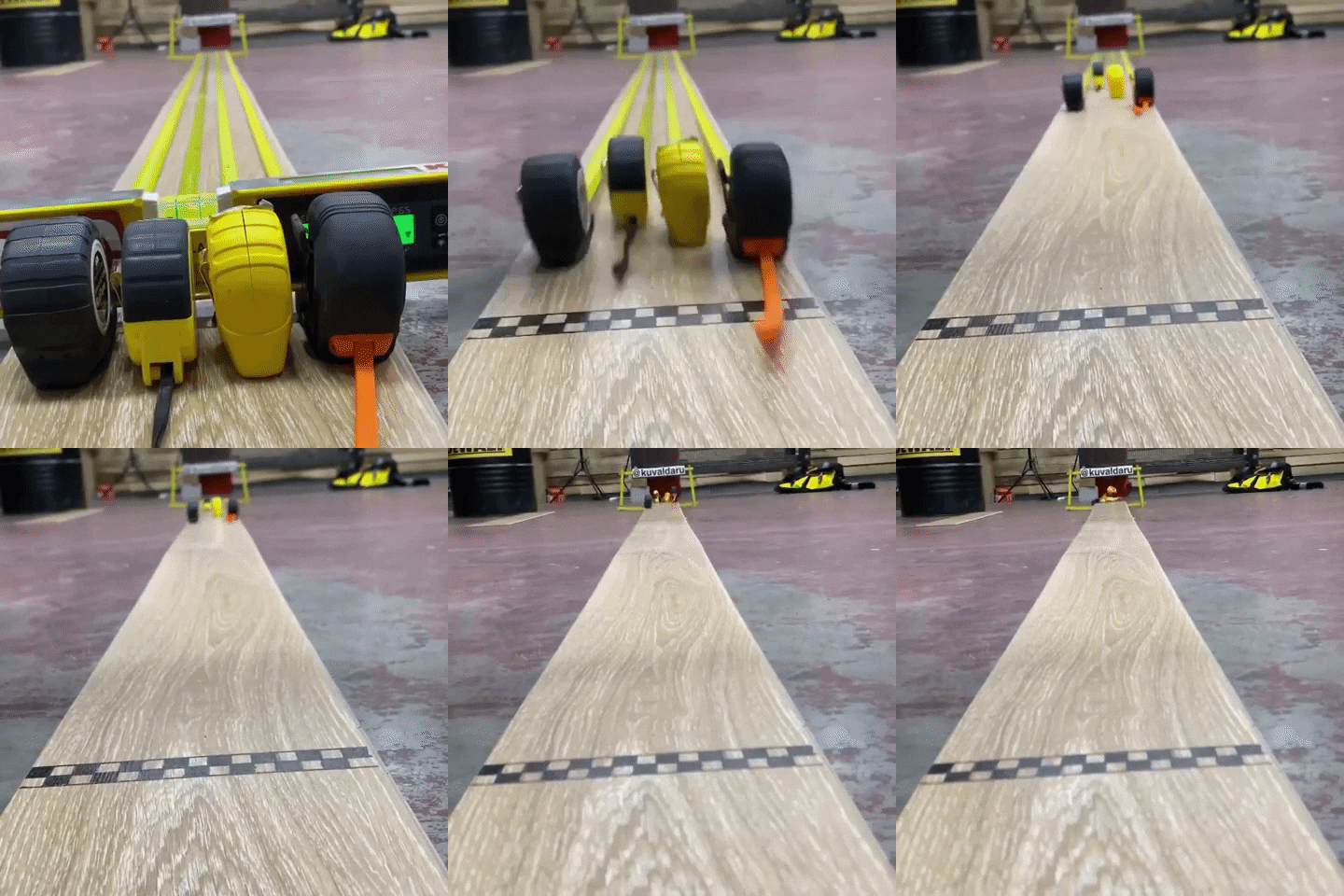
My Black & Decker would dust your DeWalt, bro. 0 to 60 (inches) in 2.5 seconds.
9. ⚾️ MLB trivia
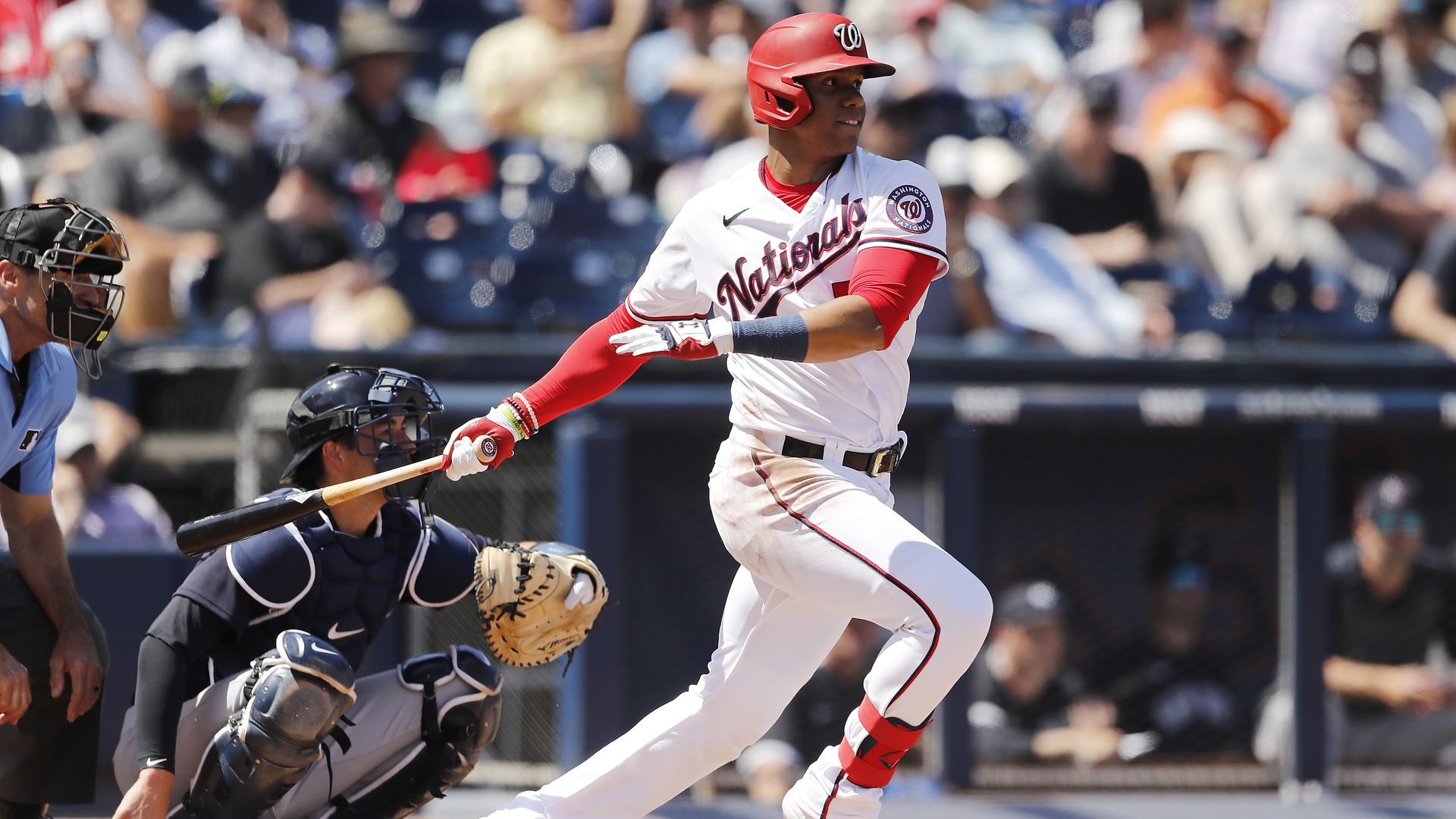
Juan Soto, the NL's 2020 batting champion. Photo: Michael Reaves/Getty Images
10. 💬 Jeff's year in review
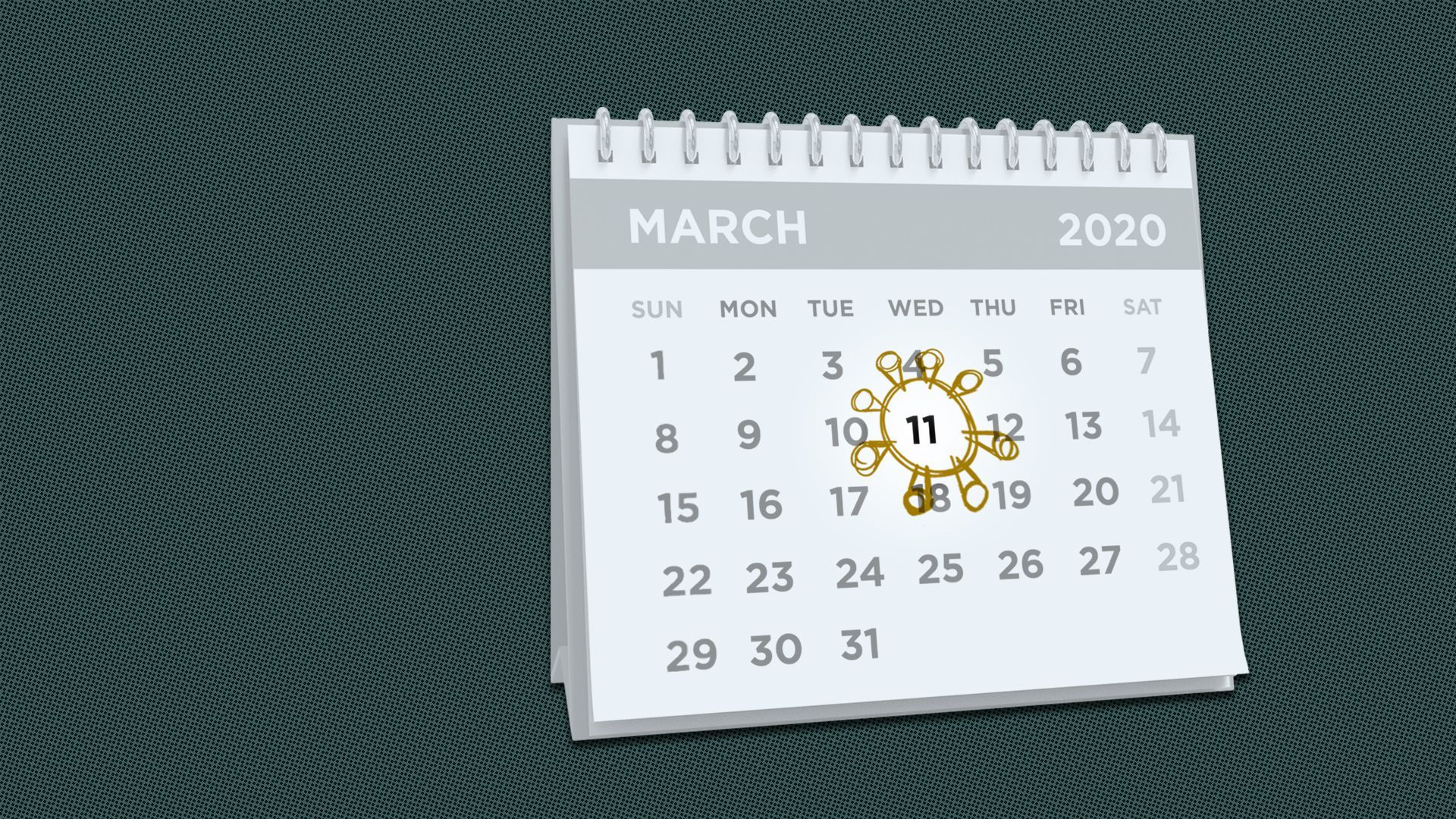
Illustration: Brendan Lynch/Axios