Axios San Diego

June 22, 2026

🔥 Welcome to a special edition where Axios reporters from across the West are diving into peak wildfire season, one marked this year by particularly dry conditions and new firefighting challenges.
🌤️ Today's weather: Coast — Cloudy, then mostly sunny High 68 Inland — Cloudy morning, then sunny. High 75
🎂 Happy birthday to our members David Nokes, Hank Chambers, and Kerry King!
Today's newsletter is 1,108 words — a 4-minute read.
1 big thing: ✂️ Federal cuts could hamper forecasting

More cuts to federal science programs could threaten weather forecasts crucial to predicting wildfire behavior.
Why it matters: Much of the West saw a dry, warm winter, an early sign that fire risk could be elevated throughout the region this summer.
Zoom in: Cal Fire has warned that the state is facing an early and prolonged peak fire season, spurred by the unusual March heat wave.
- Fire crews have battled eight wildfires in San Diego County alone since May. The blazes forced evacuations and burned thousands of acres, from the rugged terrain near the border to residential and business areas in Sorrento Valley.
Between the lines: Much of that forecasting work depends on federal labs like National Oceanic and Atmospheric Administration (NOAA) and CIRES, which have already faced Trump administration funding cuts and proposed reductions.
- Researchers operate as an "ecosystem," CIRES associate director Jen Kay tells us. Losing tools like NCAR's supercomputing center would affect projects at multiple labs, she says.
What they're saying: "You check your phone [for the forecast], that came from a computer model that someone ran on a supercomputer … all of that infrastructure comes from the federal government," Kay says.
- "If you cut NOAA by 50%, you cut the quality of the forecast you get on your phone by 50%."
Reality check: One or two fires often account for roughly 90% of the acreage burned in a season, according to Janice Coen of the National Center for Atmospheric Research (NCAR).
What's next: Uncertainty is already affecting researchers' work. "You don't know what projects will continue, you don't know what people will be there," Kay says.
2. 👀 How AI helps spot fires
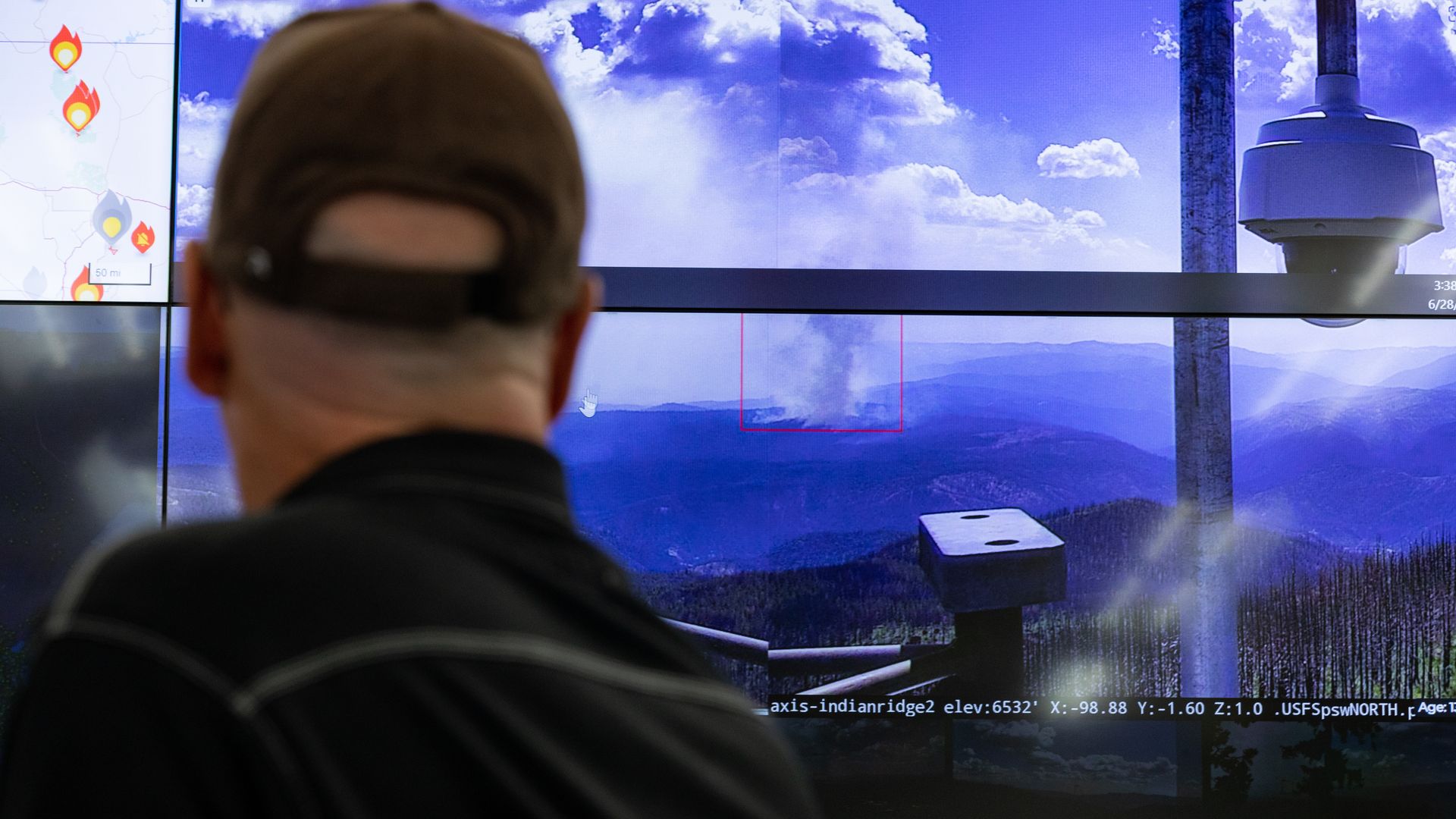
As wildfires become faster-moving and more destructive, agencies across the West are adopting AI-powered cameras, satellites and other detection tools.
Why it matters: The technology is designed to buy firefighters time — often their most valuable resource.
- "Even two seconds makes a difference in detection and response," Leland O'Driscoll, director of Oregon Hazards Lab, tells Axios.
Zoom in: UC San Diego, Qualcomm and SDG&E are deploying AI to analyze conditions in real time to speed up utility and emergency responses during wildfires.
- Cal Fire was the first fire agency to use AI to spot wildfires and directly alert dispatch centers starting in 2023 using UCSD's ALERTCalifornia network of cameras.
State of play: Millions of acres across the West are now monitored by networks of AI-equipped cameras that scan for smoke and other anomalies.
- Alert West's network of roughly 1,800 cameras alerted fire officials to more than 900 California ignitions last year before they were reported through 911 calls or other public channels.
🛰️ Zoom out: NOAA recently debuted its AI-powered satellite imagery system to identify hotspots from space and track a fire's spread and intensity.
- The Bezos Earth Fund is helping Earth Fire Alliance launch three satellites for wildfire monitoring and detection this summer.
Yes, but: "There's still a vast wildland area that's uncovered [and] needs monitoring, full stop," O'Driscoll says.
3. 🏠 Home insurance crisis spreads
The share of California homes insured through the state's FAIR Plan — the pricey insurer of last resort — has surged to roughly 5%, up from less than 2% in 2020, per a new Stanford study released last week.
Why it matters: The jump suggests California's insurance crisis is spreading well beyond wildfire-prone communities as private insurers continue to pull back coverage and raise costs across the state.
State of play: Average homeowners insurance premiums in California have risen 84% since 2020. Deductibles are also rising, leaving homeowners with greater out-of-pocket costs when disaster strikes.
- Rising climate risks, mounting wildfire losses and higher rebuilding costs are making coverage more expensive, per the study.
"More than one in 17 new California home loans is now being written with the most limited, most expensive coverage option as the only available choice," co-author Michael Wara said.
4. The Current: 🏁 NASCAR race backup

🏎️ NASCAR race traffic to and from Coronado lived up to the expectation as drivers "crawled across the bridge at a snail's pace" and waited in unusually long ferry lines before and after the races during the weekend. (CBS8)
📉 A watchdog report warns San Diego County could soon face a structural budget deficit driven by a 28% increase in employees over 15 years, plus higher public health and social services costs. (Union-Tribune)
🐾 San Diego City Council is considering banning monthly "pet rent" fees, which could lower costs for renters and the strain on crowded shelters. (10News)
🚓 The sheriff is advocating for county supervisors to spend $1 billion to replace the Vista jail, the oldest and one of the largest in the county, with a new facility better equipped for mental health and drug-treatment programs. (U-T)
5. 🧑🏻🚒 Season starts amid firefighting shakeup

California heads into peak wildfire season as the federal firefighting force undergoes an historic reorganization.
Why it matters: The shakeup has some Western lawmakers questioning whether federal response systems are prepared for a severe wildfire season.
Catch up quick: Federal wildfire resources are now overseen by the Interior Department after President Trump signed an executive order last year to consolidate operations previously spread across multiple agencies.
What they're saying: "I'm extremely concerned that we're not ready," U.S. Sen. Jeff Merkley (D-Ore.) tells Axios, noting the consolidation happened without Congressional consultation or expert analysis.
The other side: Firefighting operations will be "largely unchanged" from previous years, Interior spokesperson Elizabeth Peace tells Axios.
- Hiring remains on track, she added, and the department expects to employ roughly the same number of firefighters — about 5,700 — as last year.
Yes, but: Two fire lookout towers in San Diego County are closed this season because they don't have the federal funds for needed repairs, Fox5 reported.
- They're typically staffed by volunteers and federal employees who help spot fires and direct emergency responders.
The bottom line: "All of this is amounting to a hold-your-breath summer," Merkley says.
News for your community
Every day, we work to bring you the local stories, insights and updates that help you stay connected to your community.
📍 Become a member today. Your support helps us continue delivering trusted local reporting and keeps our newsroom focused on the stories that matter most.
Help keep local journalism strong where you live.
6. Photos to go: 🛩️ California's firefighting fleet
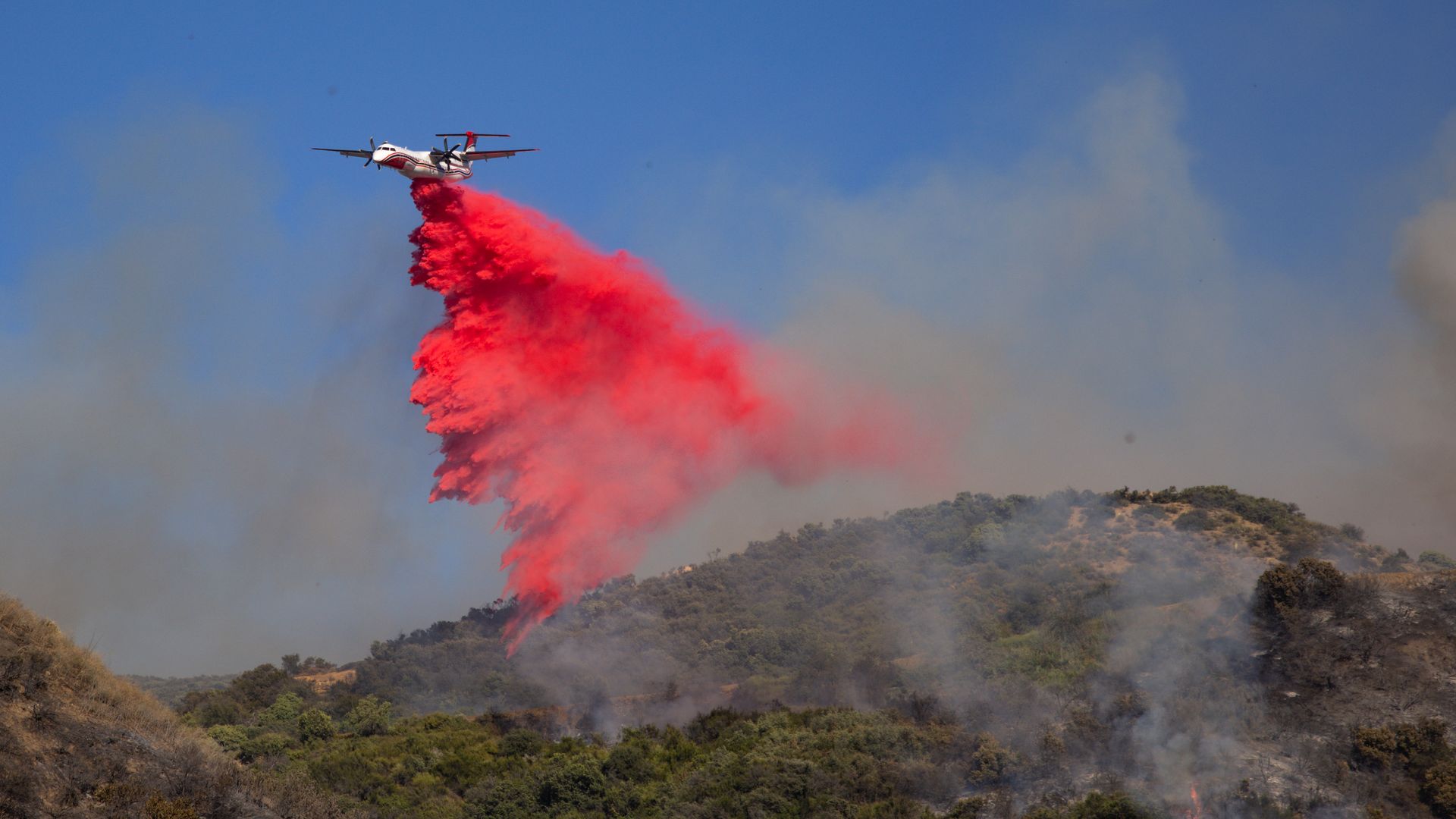
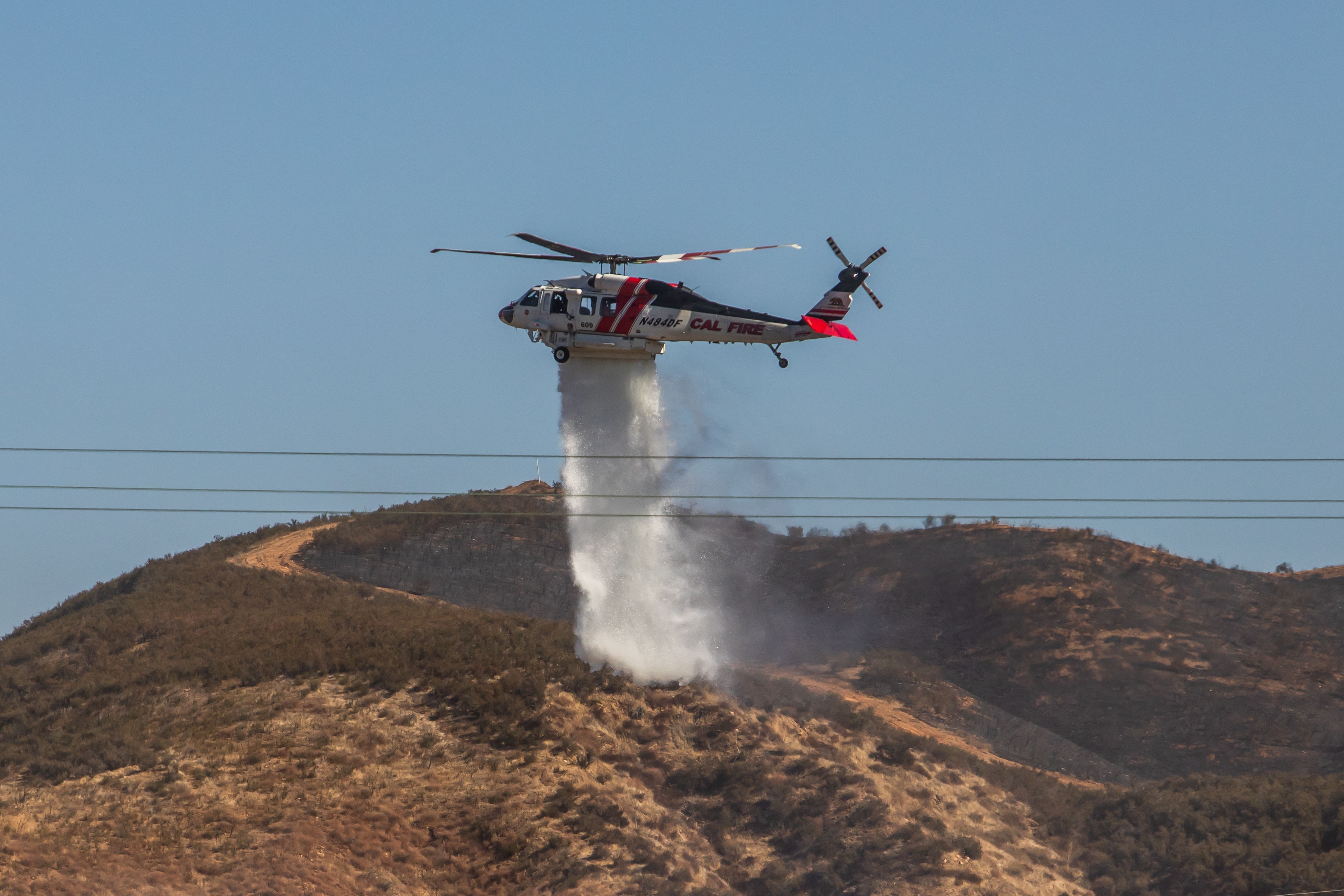
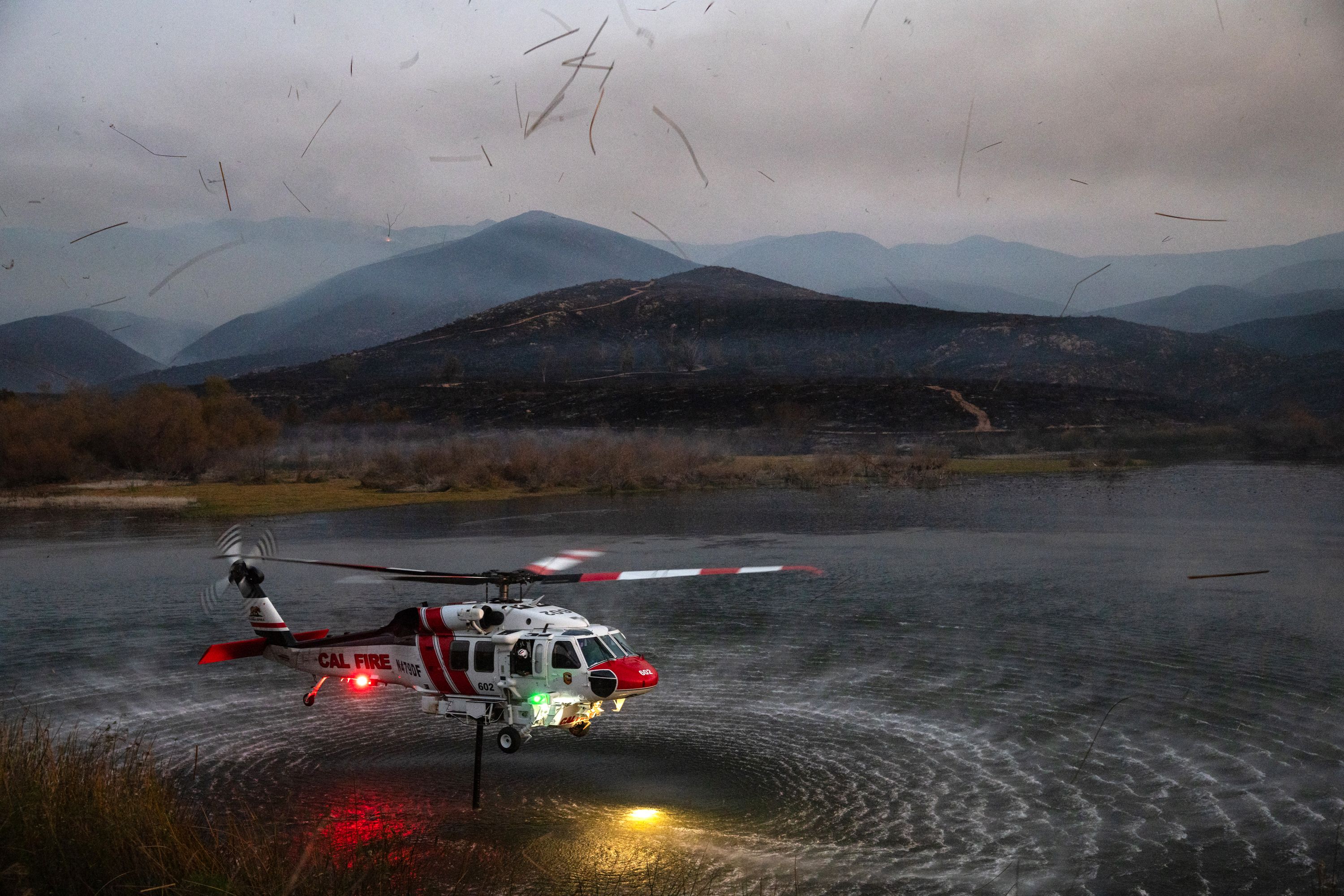
Cal Fire operates the largest civil aerial firefighting fleet in the world, with nearly 70 airtankers, helicopters, and other aircraft.
- They're strategically stationed at bases across the state and capable of reaching remote fires within 20 minutes.
🚁 Meet the fleet with these interactive 3D models.
🍪 Kate is making too many ice cream sandwiches with these chewy copycat Mrs. Fields cookies.
🌴 Claire is happy to be back on the best coast.
This newsletter was edited by Gigi Sukin and Geoff Ziezulewicz.
Sign up for Axios San Diego