Axios Markets

April 28, 2023
πFriday! And we're here to tell you things are looking OK. Weird, right? Let's get into it. Today's newsletter is 1,082 words, 4.5 minutes.
1 big thing: So far, everything is fine
Illustration: Allie Carl/Axios
Neither corporate earnings nor the latest GDP numbers imply we're careening toward an economic contraction, Matt writes.
Why it matters: Last year, as the Fed tightened rates at the most rapid clip since the early 1980s β and stocks fell about 20% β obsession with the possibility of a downturn overtook both executives and the business press.
The big picture: To paraphrase the economist Robert Solow, the downturn has been everywhere, but in the economic statistics.
- Solid corporate profits, low unemployment, and yesterday's sturdy GDP data suggest the U.S. economy is more or less fine.
- Sure, it's slowed down β which is necessary to lower inflation β but there's scant evidence the economy is wobbling on the cliff's edge.
The latest: New numbers showed Q1 GDP grew at an annualized rate of just 1.1%, less than the 1.9% expected.
- But the undershoot was driven largely by notoriously noisy inventory numbers, which fell sharply β and this doesn't tend to signal much about the actual economy's health, as Axios' Courtenay Brown reported.
On the other hand, consumers seem hale and hearty.
- Real disposable income was up 8% during the quarter β the best gain in a decade aside from when it was juiced by government payouts during the COVID crisis.
- That helped drive consumer spending up 3.7%, the fastest since 2021.
Meanwhile, in the corporate world: Nearly 80% of companies that have released Q1 results have delivered better-than-expected numbers, a higher-than-usual pace of upside surprises.
- As a result, analysts have started raising their earnings forecasts for the coming year, a sign of an increasingly rosy outlook.
What they're saying: CEOs think the American consumer is in good shape.
- "We kind of like the environment we're in right now, where consumers have jobs, they have money, they're visiting restaurants, and the inflation that we're seeing is pretty modest," said Chipotle CFO John Hartung on an earnings call Tuesday.
- "The consumer demand for our brand remains strong. So there's no change from our perspective in terms of how we're feeling about rest of the year," McDonald's CEO Christopher Kempczinski said, also on Tuesday.
- "We have strong demand environment this summer, and we're highly confident that, that will continue going forward," according to Robert Isom, American Airlines CEO, on a Wednesday call.
- "The US consumer, I think, is holding up well," said Andre Schulten, CFO at Procter & Gamble, on Monday.
The bottom line: For sure, there are weak spots, like the housing market. And things could change if the actual impact of the last year of rate hikes, or of the bank panic last month, still haven't fully registered.
- But in an economy that's 70% consumption, the current strength of the consumer is tough to square with the idea of a looming downturn.
2. Charted: Real income growth!


After an awful run, in which high inflation basically devoured wage growth, workers are getting their heads above water again.
- Inflation-adjusted after-tax incomes were up 8% in the first quarter, compared to the last quarter of 2022, per the latest GDP data.
- Aside from a couple of big bumps in personal income driven by pandemic-era social spending, that's the biggest quarterly jump of the last decade.
4. Coming up: The post-mortems
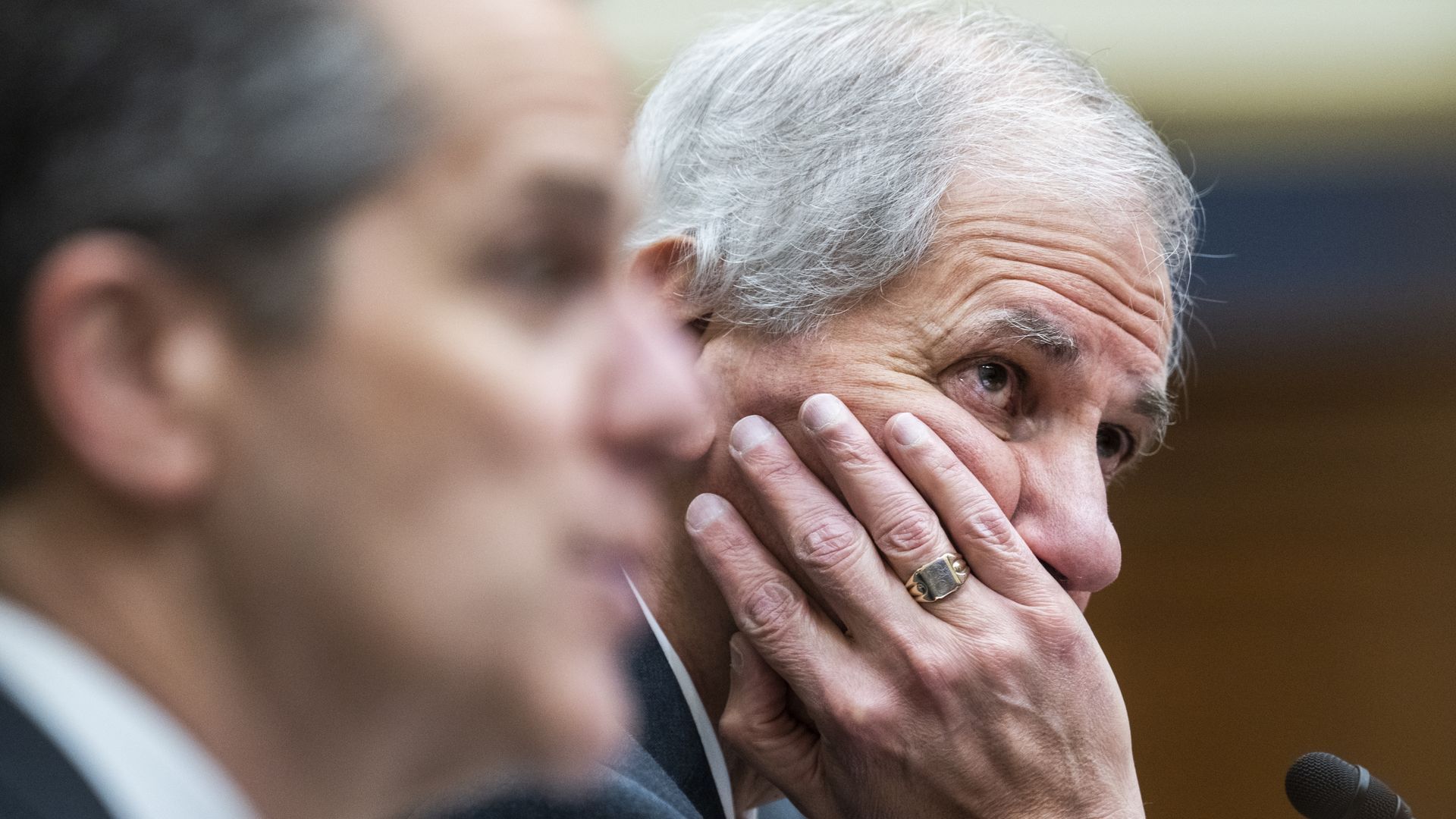
FDIC chairman Martin Gruenberg (right) and Michael Barr, the Fed's vice chair for supervision, testifying before Congress last month. Photo: Tom Williams/Getty Images
A week that saw renewed fears about the banking system will come to a fitting end today with the release of two reports examining what first sparked last month's crisis, Axios' Courtenay Brown writes.
What's happening: The first report is from the Fed β an internal review of regulatory missteps that led to the failure of Silicon Valley Bank. It's been dubbed the "Barr report" after the Fed's regulatory cop Michael Barr, who led the investigation.
- The second will come from the FDIC on why Signature Bank was seized by the government. It will also evaluate whether the agency's supervision of the firm was adequate.
Why it matters: The reports are expected to be the most comprehensive telling yet of the events that led to extraordinary action to backstop the banking system β and what regulatory actions could have prevented the collapses.
- Yes, but: Neither review is totally independent; the agencies are essentially investigating themselves.
State of play: For SVB, one big question is why Fed supervisors didn't act more aggressively after the bank ignored its repeated warnings about its problems. What could (and should) supervisors have done differently?
- Another is the extent to which firmer regulations, like those rolled back in 2019, could have headed off the bank's failure.
Meanwhile, it's the FDIC report that may be of the most intrigue. That's because so little is known about why Signature Bank failed.
- That's the huge question: Why (and when) exactly did government officials lose confidence in the bank? Was the bank's crypto clientele a factor?
What's next: A separate report from the FDIC on deposit insurance is due on Monday.
5. A long train story

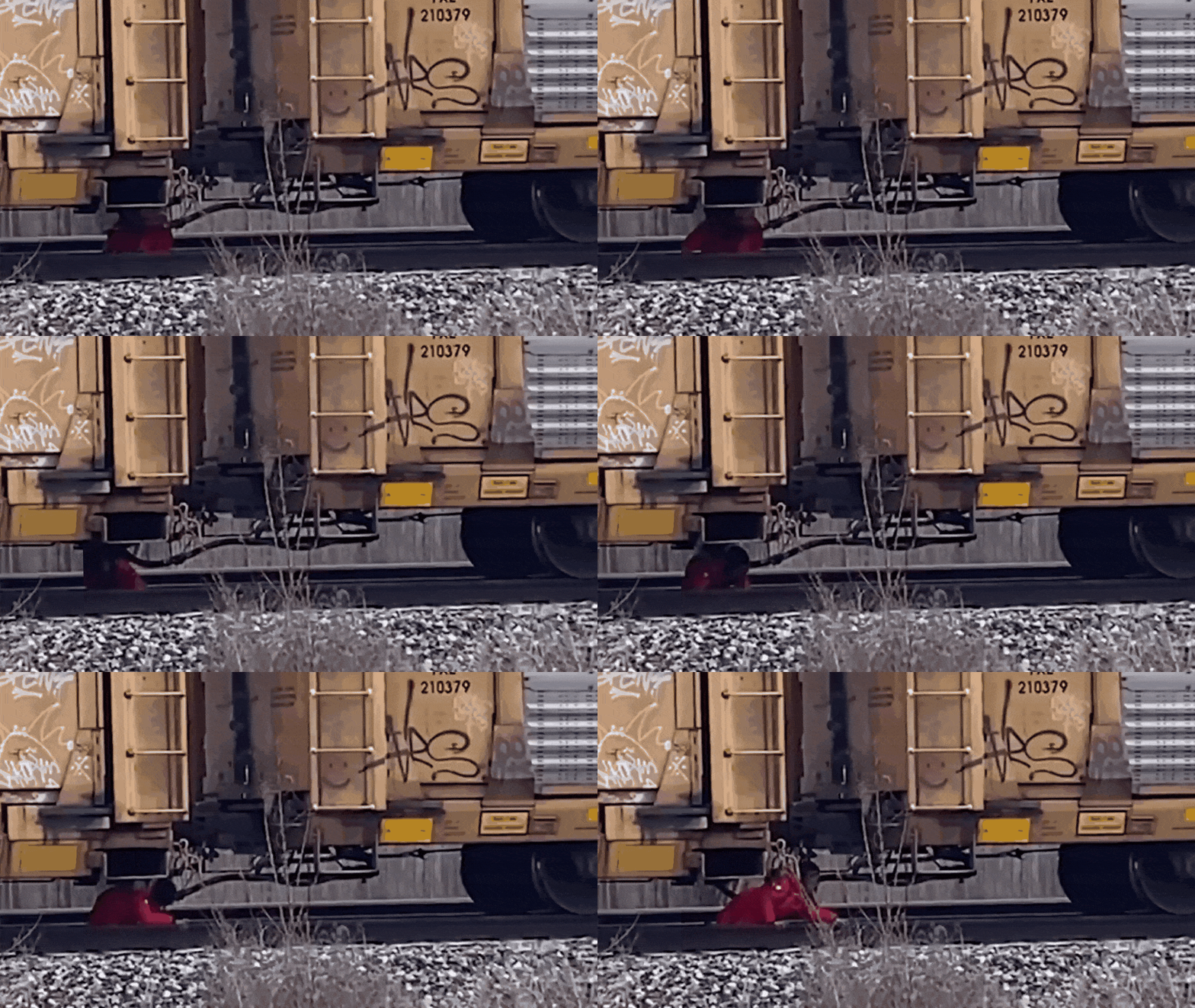
Longer freight trains have been crucial to creating record profits for the big freight rail operators in recent years, but these super-longs pose a huge safety risk to the towns through which they travel, Emily writes.
What's happening: Long freight trains are blocking traffic crossings around the country, forcing school children to risk their lives to get to school and slowing down first responders, a new ProPublica investigation finds.
- Reporters witnessed "dozens" of children crawl under and between train cars in Hammond, Indiana β where Norfolk Southern trains frequently block traffic.
- The report didn't name other rail companies but noted there were more than 28,000 reports, from 44 states, of stopped trains to federal regulators in the last year alone.
The big picture: There's a heightened focus on the safety risks around rail operators now, in the wake of the derailment earlier this year in East Palestine, Ohio.
State of play: Norfolk Southern executives talked quite a bit about safety on the company's Q1 earnings call with investors Wednesday morning before the ProPublica investigation was published β but the issue of long trains and blocked crossings didn't come up.
- In its earnings report, the company estimates the derailment in February will cost it $387 million.
For the record: "It is never safe for members of the public to try to cross the cars,β Norfolk Southern spokesperson Connor Spielmaker told the news outlet. βWe understand that a stopped train is frustrating, but trains can move at any time and with little warning." (The company's full response.)
Go deeper: ProPublica's full investigation
Was this email forwarded to you? Subscribe here.
Axios Markets is edited by Kate Marino and copy edited by Mickey Meece.
Sign up for Axios Markets

Stay on top of the latest market trends and economic insights