Axios Latino

October 04, 2022

🌺 Hello, hello, and welcome!
- We had our big pachanga last week. But we want to feature yours! What's your latest big feat? Reply to this email with details and a pic and we might feature you in our Thursday 🪅Pachanga series!
- Puede leer este boletín en español aquí.
This newsletter, edited by Astrid Galván and Laurin-Whitney Gottbrath, is 1,458 words, a 5.5-minute read.
1 big thing: Spying on Mexican journalists persists
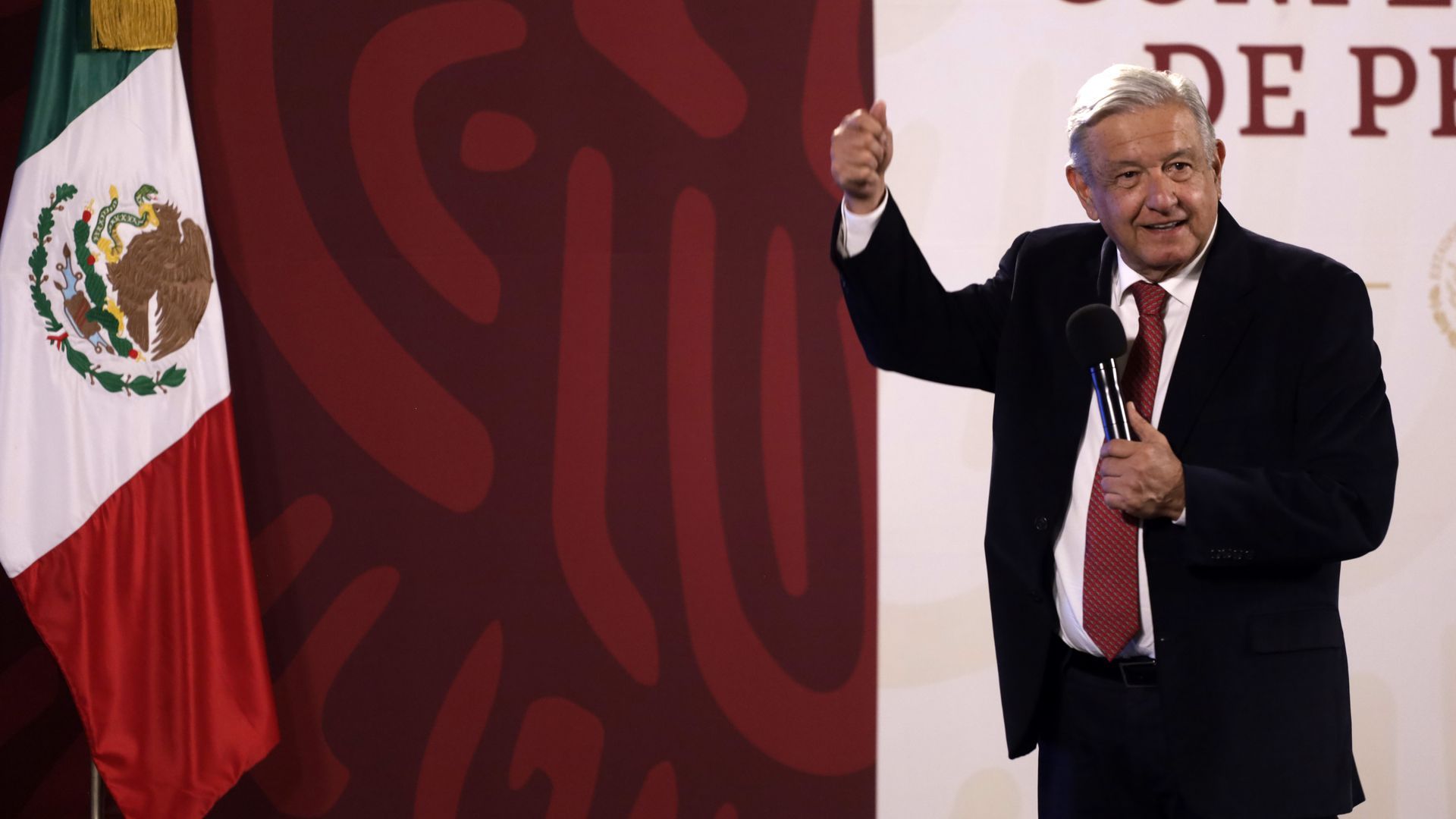
Mexican President Andrés Manuel López Obrador on Sept. 30. Photo: Luis Barron/Eyepix Group/Future Publishing via Getty Images
Despite Mexican President Andrés Manuel López Obrador’s professed opposition to his predecessor’s use of Pegasus spyware on journalists, the practice has continued since he took office, a new report says.
Driving the news: The cellphones of at least two Mexican journalists and a human rights defender were infected with the Pegasus software between 2019 and 2021, Marina writes. That's according to the report from a group of digital rights organizations, including the Network for the Defense of Digital Rights and Article 19. López Obrador’s term started in 2018.
Catch up quick: The Pegasus spyware program, made by the Israeli NSO Group, exploits flaws in operating systems and software to access cell phone content. It's only sold to governments and law enforcement agencies, NSO Group has said. NSO Group did not immediately respond to a request for comment.
- In 2017, the University of Toronto's Citizen Lab revealed the administration of former Mexican President Enrique Peña Nieto used the software to spy on the nation’s top journalists and activists.
- López Obrador was critical of Peña Nieto's use of the spyware and has said on several occasions his government wouldn’t use it.
Yes, but: The new report, published Sunday, found that several human rights activists and journalists were targets.
What they're saying: If López Obrador "did not know about this, that's major, because it'd suggest the Army is spying without authorization," Daniel Moreno, editorial director of Animal Político, said in a news conference yesterday.
- "If the president knew, that's major, because he's repeatedly said he would not use this spyware," he added.
- López Obrador said during his daily media briefing today that the government doesn't spy on people. "Adversaries will come up with anything to make a fuss," he said.
The big picture: The report follows the release of terabytes of data, including thousands of emails from the Mexican armed forces and military reports, by hacker group Guacamaya last week.
- The documents included copies of 2019 purchase orders by the defense secretary to use Pegasus, the digital rights groups say.
2. FEMA's failures in Puerto Rico
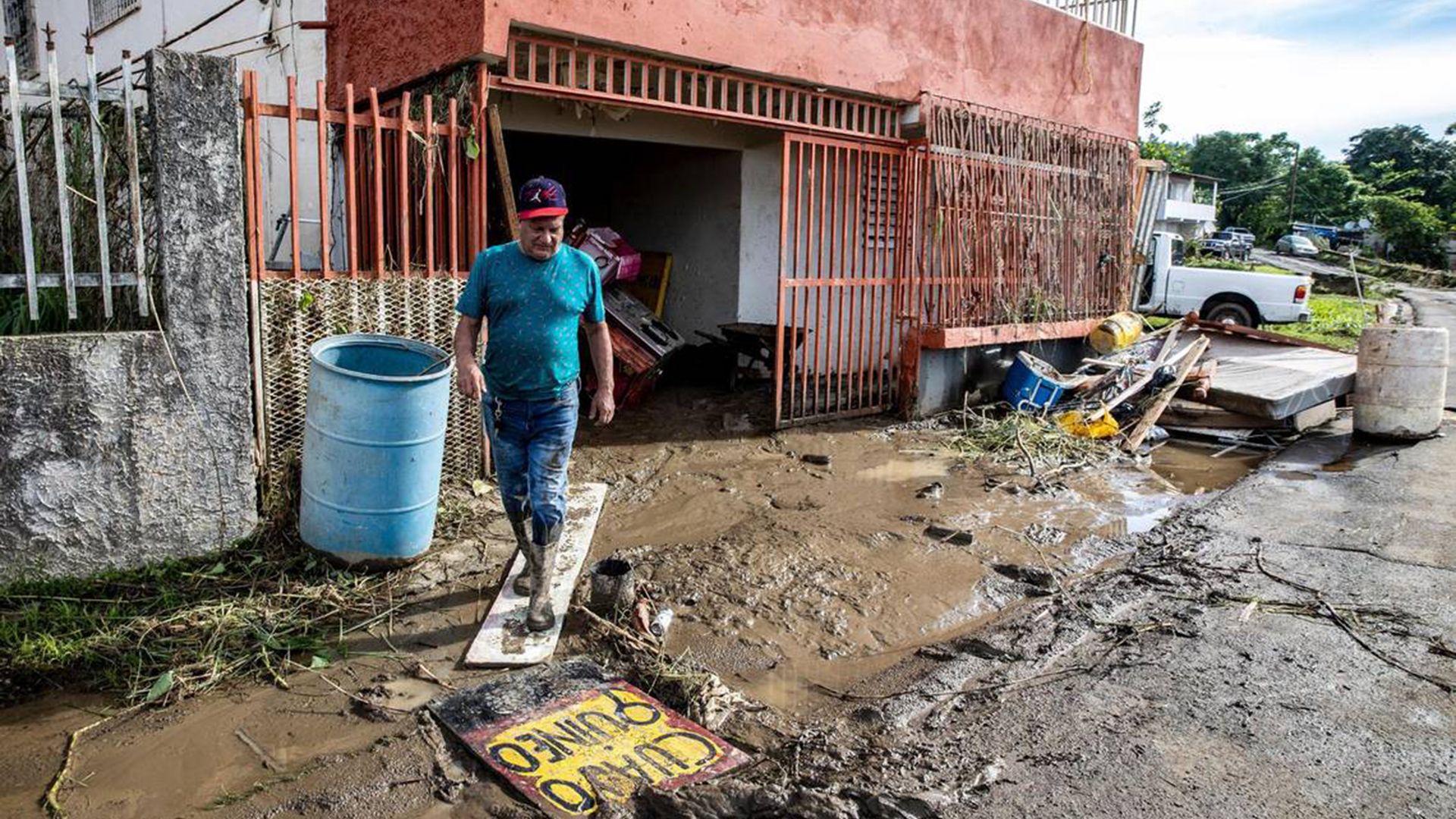
Antonio Pérez Miranda walks out of his home after Hurricane Fiona. Photo: Pedro Portal/El Nuevo Herald/Tribune News Service via Getty Images
President Biden's visit to Puerto Rico yesterday came as a new report detailed how the Federal Emergency Management Agency mismanaged millions in funds to help the island's residents after the devastating Hurricane Maria in 2017, Astrid writes.
The big picture: Puerto Rico is still reeling from destruction left by Hurricane Fiona two weeks ago.
- 92,000 homes remain without power.
- Authorities have linked 25 deaths in the island to the hurricane, CNN reports.
Driving the news: According to a report by the Department of Homeland Security's Office of Inspector General — dated Sept. 29 but released publicly yesterday — FEMA mismanaged $65 million intended to help Puerto Rico residents with disaster relief after Hurricane Maria, which killed an estimated 3,000 people and destroyed the island's power grid.
- FEMA has not responded to an Axios request for comment.
What they're saying: "It’s alarming because, as this audit correctly concludes, obviously all of these findings led to great suspicion about FEMA, but also it increased the probability that fraud has been committed and, of course, that the funds have been wasted and that they have been abused," said Lía Fiol-Matta, a senior attorney for LatinoJustice PRLDEF (Puerto Rican Legal Defense & Education Fund).
- Fiol-Matta pointed to another U.S. government report from last month that compared FEMA responses to Hurricane Harvey in the mainland U.S. and to Hurricane Maria in Puerto Rico.
- According to the report, "if you were a Puerto Rican national, you faced perceptions that you were not really Americans, where FEMA’s complete lack of preparedness to respond to Maria seemed directly proportional to that perception."
- A separate 2020 report found FEMA had lost track of nearly $257 million worth of supplies meant for hurricane recovery efforts.
3. Brazil is headed for a runoff
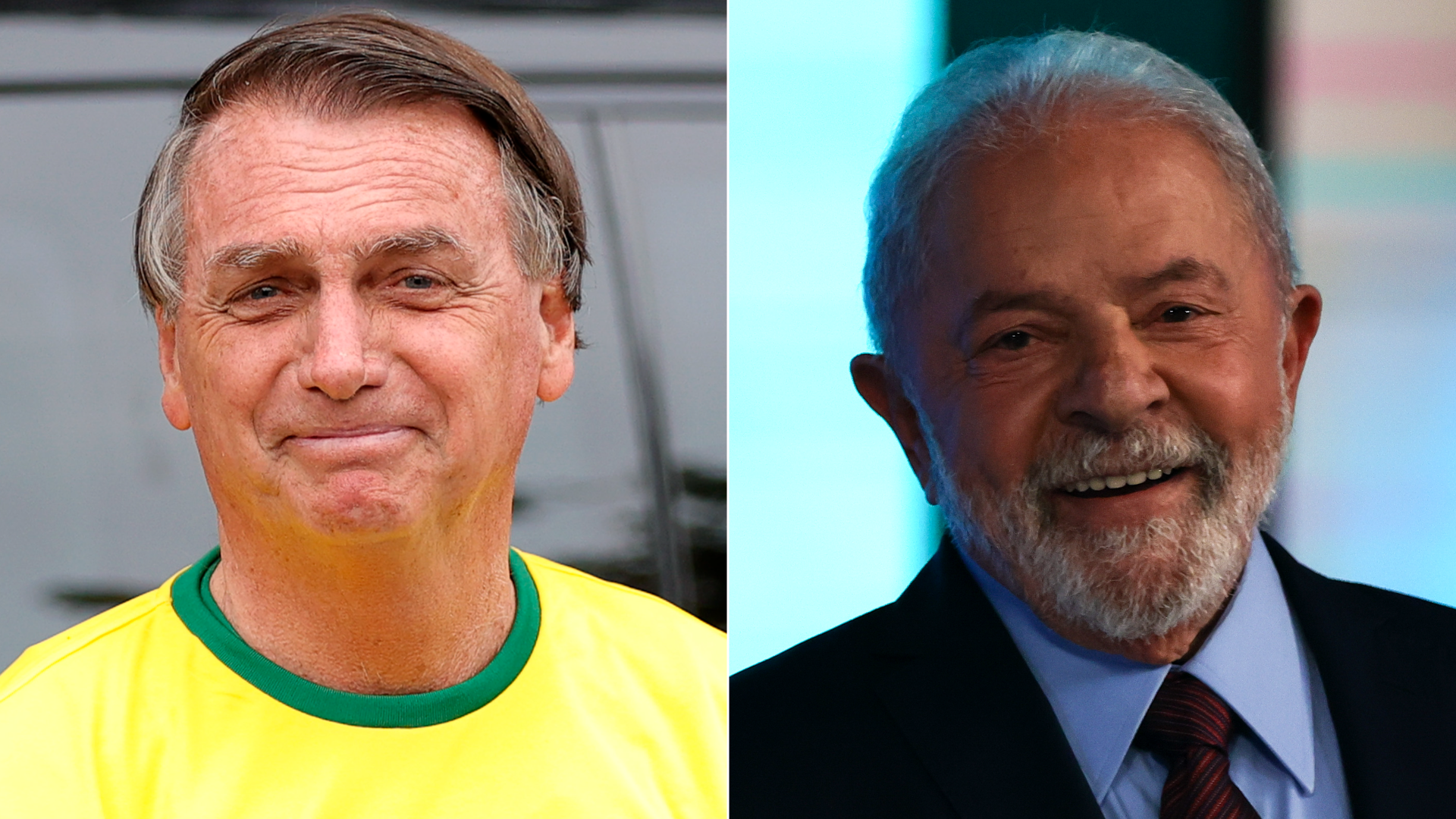
Jair Bolsonaro (left) and Luiz Inácio Lula da Silva. Photos: Buda Mendes/Getty Images
Brazil's presidential election is heading to an Oct. 30 runoff after President Jair Bolsonaro denied former President Luiz Inácio Lula da Silva the majority he needed for an outright victory, Axios World author Dave Lawler writes.
Why it matters: Bolsonaro outperformed the polls, finishing with 43.2% to Lula's 48.4%, a testament to the enduring strength of "Bolsonarismo."
- "Some people believed Bolsonaro would lose big, and he would go down in Brazilian history as a kind of aberration. That’s over now," writes Brian Winter, editor of Americas Quarterly.
- Every major poll in the week before the election showed Lula winning by at least 7 points, and a Datafolha poll had the veteran leftist up by 14.
What they're saying: Bolsonaro labeled the pollsters the "biggest losers of this election," promised to do more to overcome the concerns of poor voters, and vowed that he was on course for victory.
- Lula said he looked forward to debating Bolsonaro head-to-head, and said he was determined to win over voters "who think they don't like us."
- Bolsonaro's rightwing allies also had a strong performance in congressional elections, meaning that even if Lula is elected he will find it difficult to pass major legislation.
Between the lines: The initial shock over the results was driven in part by the order in which they were tallied, with some Lula strongholds reporting later and Bolsonaro thus appearing to be in the lead.
- Lula's 5.2% margin and his likely advantage among the 8.4% of voters who backed now-eliminated candidates make him a relatively strong favorite in the runoff.
- But the extra month of campaigning gives Bolsonaro a chance to capitalize on his momentum and raise further questions about Brazil's electoral system.
Go deeper: Brazil's markets jump on strong showing by right-wing Bolsonaro
4. China's space network raises suspicions
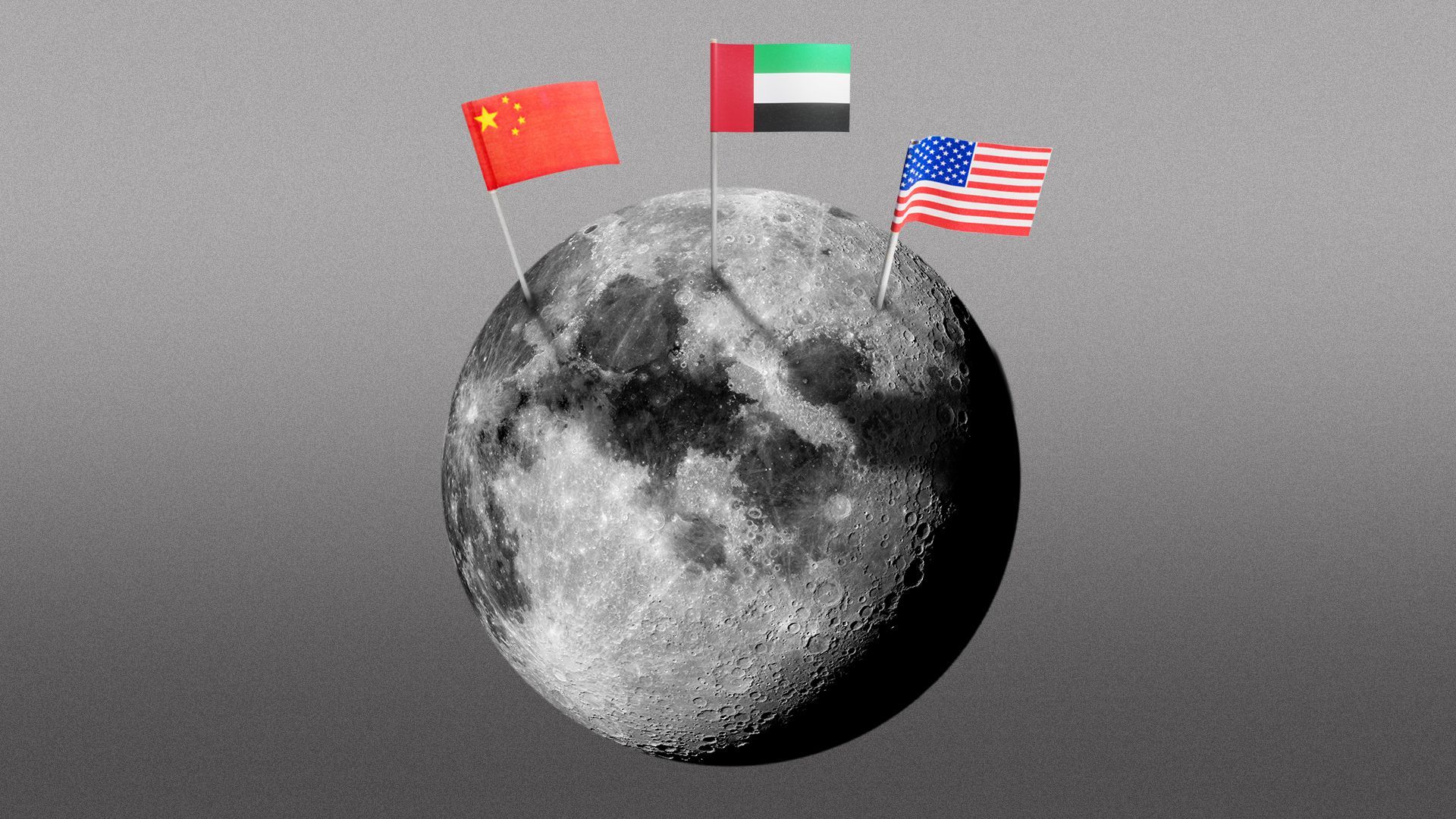
Illustration: Natalie Peeples/Axios
China has expanded its use of satellite ground stations in South America, leading multiple governments to express concern about Beijing's intentions, according to a new report.
Why it matters: China's space program has close but opaque ties to the country's military, fueling concerns that ostensibly civilian facilities could also be used for intelligence collection and surveillance, Axios’ Bethany Allen-Ebrahimian and Miriam Kramer write based on the report.
- NASA's relationship with the U.S. military, by contrast, is close but transparent and clearly delineated.
- "China's space network in South America is part of a broader push by Beijing to establish itself as a leading global space power and partner of choice in space for middle-income economies," the report released today by the Center for Strategic and International Studies, a bipartisan think tank, states.
The big picture: Satellite ground stations allow nations and companies to communicate with their spacecraft, receiving information and sending commands to change position or point in a specific direction.
- Nations aim to scatter ground stations around the world — especially near the equator — because that leads to more robust satellite coverage.
- But the proximity of the South American facilities in particular "to the United States has heightened fears that they can be used to spy on U.S. assets and intercept sensitive information," the report says.
Details: Several Chinese ground stations on the continent have come under scrutiny, the report states.
- Espacio Lejano, a ground station in Argentina, is operated by a Chinese company owned by the PLA's Strategic Support Force.
- The Argentinian government agreed to not "interfere" with or "interrupt" any activities the Chinese side carries out there, the report states.
Between the lines: Geopolitics have always been involved in ground station placement, use and control.
- China shut down its ground station in Kiribati in 2003 after the Pacific island nation established relations with Taiwan, according to the Lowy Institute.
Go deeper: China's long march to space superpower
5. Stories we're watching
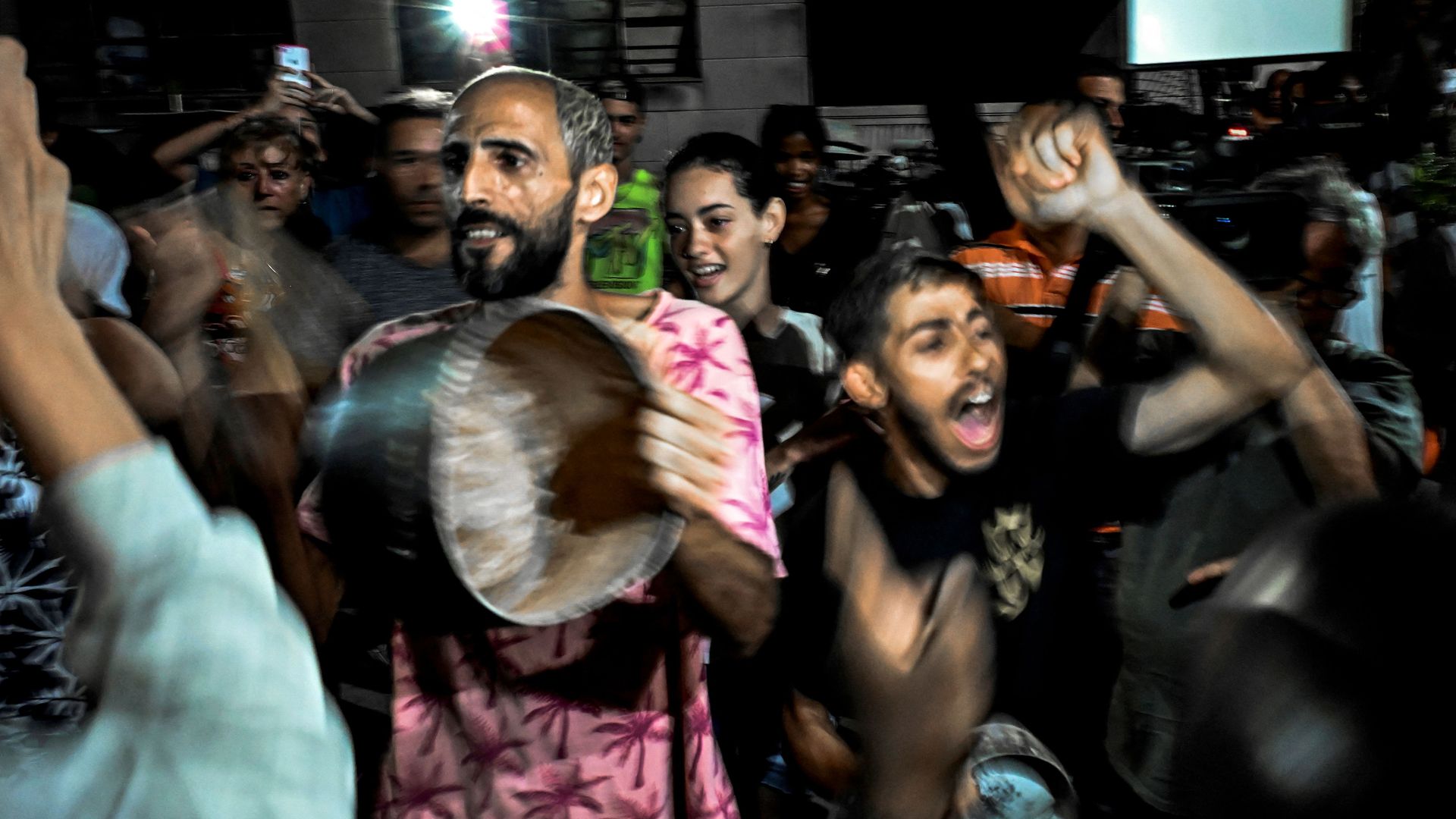
Protests in Havana during a blackout on Oct. 1. Photo: Yamil Lage/AFP via Getty Images
1. Cubans continued their protests over blackouts yesterday despite reported police violence.
- The island’s electrical grid has been failing for months, but it got worse last week when Hurricane Ian made landfall, killing five people and damaging over 100,000 homes.
- Cuban authorities have received aid from Mexico, Venezuela and Argentina, and asked the U.S. for unspecified help in recovering from Ian’s damage.
2. Hurricane Orlene struck Mexico yesterday near Sinaloa with winds of around 90 mph.
- Orlene was downgraded to a tropical storm yesterday but was expected to cause strong rains across the northern and central parts of Mexico throughout the week, causing fears of major flooding.
Thanks for joining us! And thank you to Carlos Cunha for the copy edits!
Sign up for Axios Latino

Keep tabs on the stories that most affect the U.S. Latino community on both sides of the border, a collaboration with Noticias Telemundo.