Axios Closer

December 16, 2024

Monday ✅.
Today's newsletter is 693 words, a 2½-minute read.
🔔 The dashboard: The S&P 500 closed up 0.4%.
- Biggest gainer? Broadcom (+11.2%), the semiconductor company, continued its rally from Friday after reporting better-than-expected Q4 results.
- Biggest decliner? Super Micro Computer (-8.3%), the AI server maker, was reported Friday to have tapped a financial adviser to help it raise capital.
1 big thing: SoftBank's double down
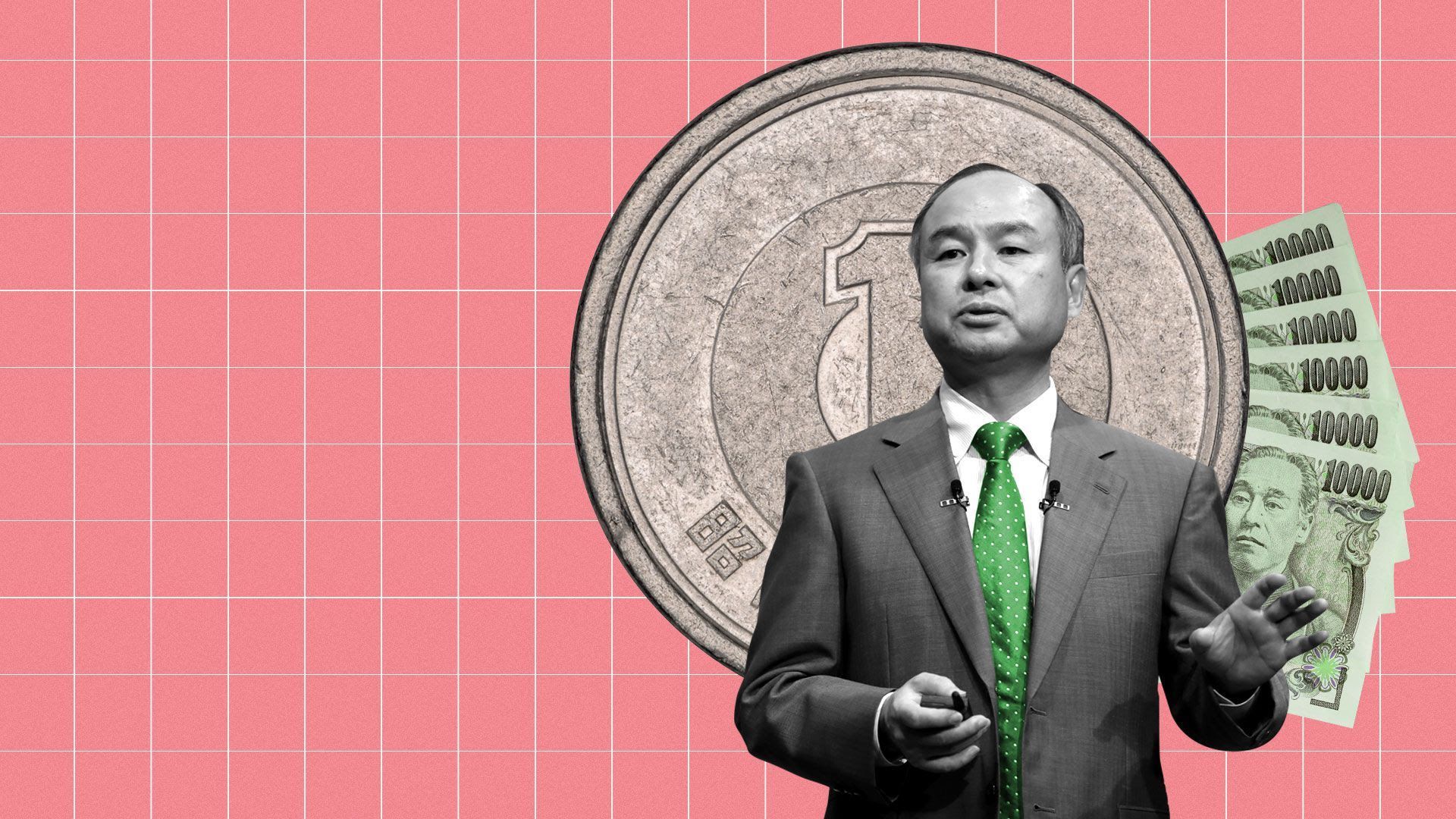
SoftBank today pledged to invest $100 billion in the U.S. over the next four years and to create 100,000 jobs.
The big picture: SoftBank founder and CEO Masayoshi Son, who joined President-elect Trump at Mar-a-Lago for the announcement this morning, is the latest tech executive to cozy up to Trump.
Driving the news: Most of SoftBank's investment will be focused on artificial intelligence and related infrastructure, such as data centers.
- "My confidence level to the economy of the United States has tremendously increased with [Trump's] victory," Son said.
- Trump called the plan a "demonstration of confidence in America's future."
Zoom in: Son, who today said he's "doubling down," is back in the Trump flattery business.
- This is very similar to what he did after Trump's prior election in 2016, then traveling to the lobby of Trump Tower to promise $50 billion of U.S. investment and the creation of 50,000 jobs.
- SoftBank met those marks, although nearly half of the money went into WeWork.
Reality check: This is a change in PR strategy more than a change in investment strategy.
- SoftBank already has been investing heavily in AI with plans to go even deeper. For example, it held pre-election discussions with Apollo about a $20 billion partnership, while Son in October talked about saving up money for his "next big move" during a conference in Saudi Arabia.
What we're watching: Consider this SoftBank's version of an inaugural donation, in the pursuit of a lighter regulatory touch for the firm and its portfolio companies. For example, SoftBank has a stake in TikTok parent company ByteDance.
2. Charted: MicroStrategy's fuel


MicroStrategy last week did what MicroStrategy does — it sold about $1.5 billion worth of shares and bought an equal amount of bitcoin.
Catch up quick: The company's been known for a while now as a publicly traded bitcoin proxy — deriving much of its value from the 439,000 coins it now owns.
- But MicroStrategy's growth this year has made even bitcoin holders jealous, prompting plenty of questions about its soaring valuation.
Between the lines: MicroStrategy's strategy is to sell shares and convertible bonds to fund more bitcoin purchases — all done in a way that, it says, makes the whole thing accretive for investors.
- Its plan, it said in October, is to raise another $42 billion for that purpose between next year and 2027.
The latest: The company will be added to the Nasdaq 100 Index on Dec. 23, which Bloomberg estimated will fuel at least $2 billion in new stock purchases from the various ETFs that follow the index.
4. Bernie takes aim at Amazon
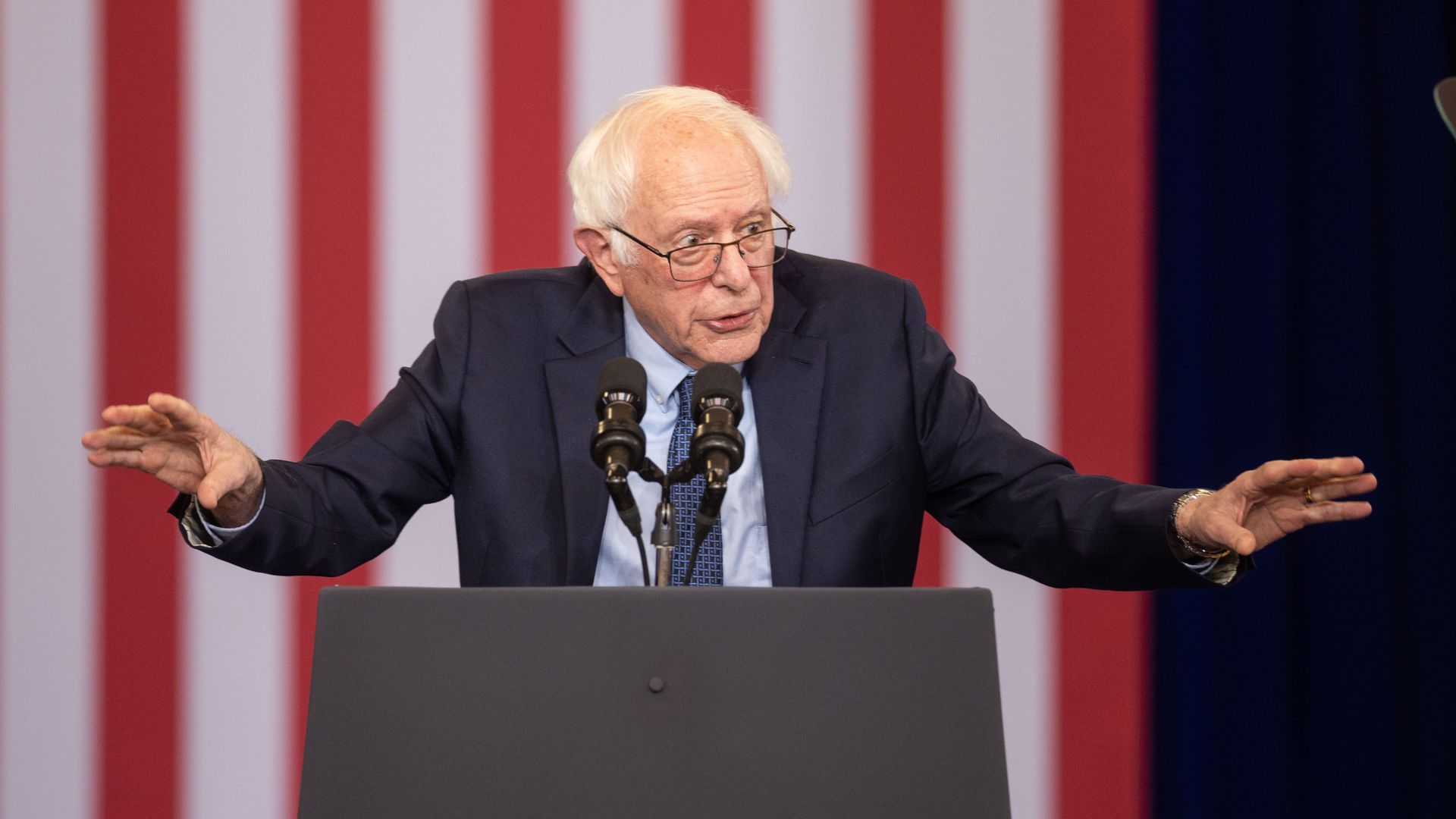
A new report from the Bernie Sanders-led Senate labor committee accuses Amazon of manipulating data on worker injuries and ignoring safety concerns.
Zoom in: The report is the result of an 18-month probe and drawn from over 130 interviews with workers and company documents.
- It alleges that Amazon cherry-picks data to obscure disproportionately dangerous facilities compared to other industry warehouses.
The other side: "There's zero truth to the claim that we systemically under-report injuries," Amazon spokesperson Kelly Nantel said in a statement.
- The company said it cooperated with the investigation and pushed back on the report's findings, calling it a "pre-conceived and one-sided narrative."
The big picture: The online retail giant has faced intense scrutiny in recent years over allegations of unsafe or grueling work conditions.
5. Apple AirTags cleared for landing
At least five airlines have now switched on a new feature to leverage Apple AirTags in their hunt to find lost luggage.
How it works: Customers who place the button-sized devices in their luggage can now share a link displaying its location directly with partner airlines — in most cases through their customer service apps.
- Apple, which announced the sharing feature last month, has worked with nearly 20 airlines to develop secure systems that work the data into their existing processes for finding mishandled bags.
The latest: United and Air Canada have already turned the feature on.
- British Airways, Iberia and Aer Lingus have it up and running too, Bloomberg reported today.
Today's newsletter was edited by Pete Gannon and copy edited by Sheryl Miller.
✏️ Was this email forwarded to you? Sign up here to get Axios Closer in your inbox.
Sign up for Axios Closer