Axios Boston

February 19, 2026

Hello, Thursday.
- Today, we dive into Moderna's flu vaccine application and a Boston Puerto Rican arts series.
🌤️ Today's weather: Mostly sunny, with a high of 38 and a low of 25.
🎂 Happy birthday to Axios Boston member Denise Denault!
Today's newsletter is 1,048 words — a 4-minute read.
1 big thing: Bringing Puerto Rican arts to Boston

Puerto Rican arts series BoriCorridor returns to Boston this year with a rallying cry: "No sueltes la bandera" — Spanish for "Don't let go of the flag."
Why it matters: It's not only a lyric in Bad Bunny's song about Puerto Rican displacement, but a call to action to keep Puerto Rico's spirit alive.
- It comes amid struggles with American imperialism and gentrification — even more than 1,600 miles away in Massachusetts.
What they're saying: "We're taking it from a Bad Bunny song, but it represents so much of what is happening," says Elsa Mosquera, the series' lead organizer and founder of Boston arts and culture firm Ágora Cultural Architects.
State of play: Boston's BoriCorridor Tour kicks off Saturday with the premiere of comedian Marisé Álvarez's film special, "Never Say Never," at CROMA Space.
- The tour, now in its third year, is introducing new audiences to traditional Puerto Rican music in its three subsequent events.
- The lineup includes concerts from saxophonist Jonathan Suazo, folk music legends Roy Brown and Zoraida Santiago, and an all-female trova ensemble known as Versos de Mujer (or Woman's Verses).
- Trova, an oral storytelling tradition typically associated with rural Puerto Rican communities, was once a male-dominated art form.
Flashback: The U.S. government criminalized possessing the Puerto Rican flag and other acts of Puerto Rican nationalism under a 1948 gag law.
- That law remained in place until it was repealed nine years later.
- That's at least partly why you may see Puerto Ricans hanging miniature flags on their car mirrors decades later in Massachusetts, which is home to one of the biggest Puerto Rican populations.
Between the lines: Part of the acclaim for Bad Bunny's album "Debí Tirar Más Fotos" (or "I Should Have Taken More Pictures") stems from songs that put a modern spin on plena, salsa and other Latin genres rarely seen on global music charts.
- For the first time, people are asking for Puerto Rican music, said Mosquera, who was born in Colombia but lived in Puerto Rico for several years before moving to Boston.
What's next: The tour continues in March with concerts by Suazo, followed by shows featuring Versos de Mujer in April and Brown and Santiago in May.
2. 💉 FDA reverses course on Moderna's flu shot

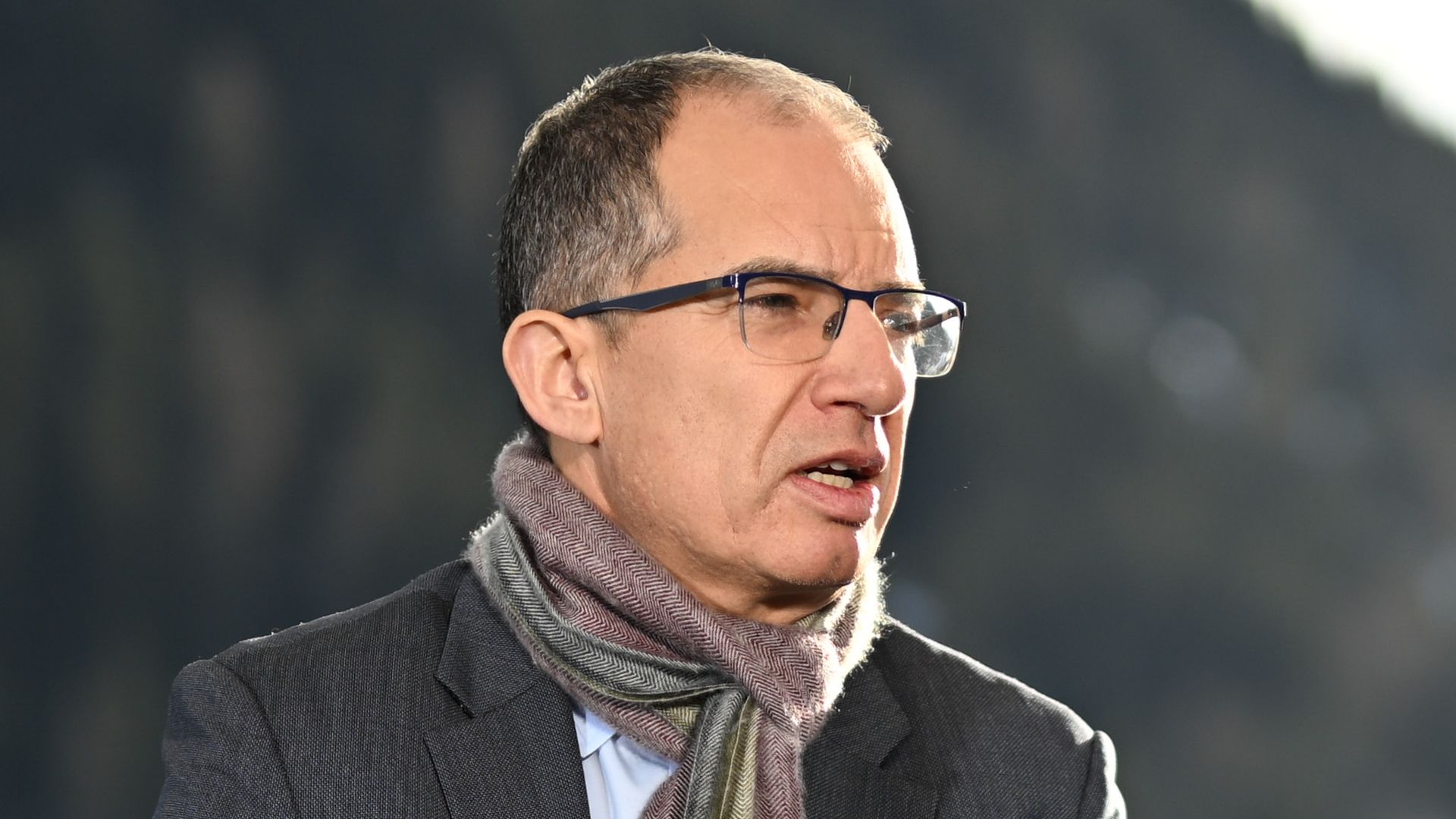
The Food and Drug Administration will review Moderna's application for a new mRNA flu vaccine, reversing the surprise refusal to evaluate the shot last week.
Why it matters: The denial sent shockwaves through the drug industry and raised new fears about the Trump administration chilling the development of new vaccines.
Driving the news: Cambridge-based Moderna said the review is proceeding after it met with regulators and amended its application.
- The new proposal seeks full approval for people age 50 to 64, and accelerated approval for those 65 and older, with a requirement for an additional study in older adults once the vaccine is on the market.
What they're saying: "We appreciate the FDA's engagement in a constructive Type A meeting and its agreement to advance our application for review," Moderna CEO Stéphane Bancel said in a statement.
- Pending FDA approval, he added, the company hopes to make the flu vaccine available later this year.
3. 🔙 BTMU: Eversource's earnings jump
📈 Eversource reported nearly $1.7 billion in earnings in 2025, more than double its 2024 earnings — all while gas and electric bills increase. (WCVB)
- An Eversource spokesperson said its 2024 earnings would have been higher, but the company lost $524 million from selling its stake in two offshore wind projects.
- The company also attributed higher revenues to rising gas and electric rates.
Elizabeth Chen, who led the state's Executive Office of Elder Affairs until she was let go in 2024, is suing the Healey administration, alleging that anti-Asian discrimination led to her dismissal. (Globe)
- An HHS spokesperson declined comment, citing the pending litigation.
Some Harvard College students are pushing for Andrew Farkas to resign as the Hasty Pudding Institute's chair, citing his close relationship with convicted sex offender Jeffrey Epstein. (Crimson)
- Epstein donated $375,000 to the Hasty Pudding, including $225,000 that hadn't been publicly disclosed before the recent batch of files was released.
4. 🌆 First look: Navan opens in the Seaport
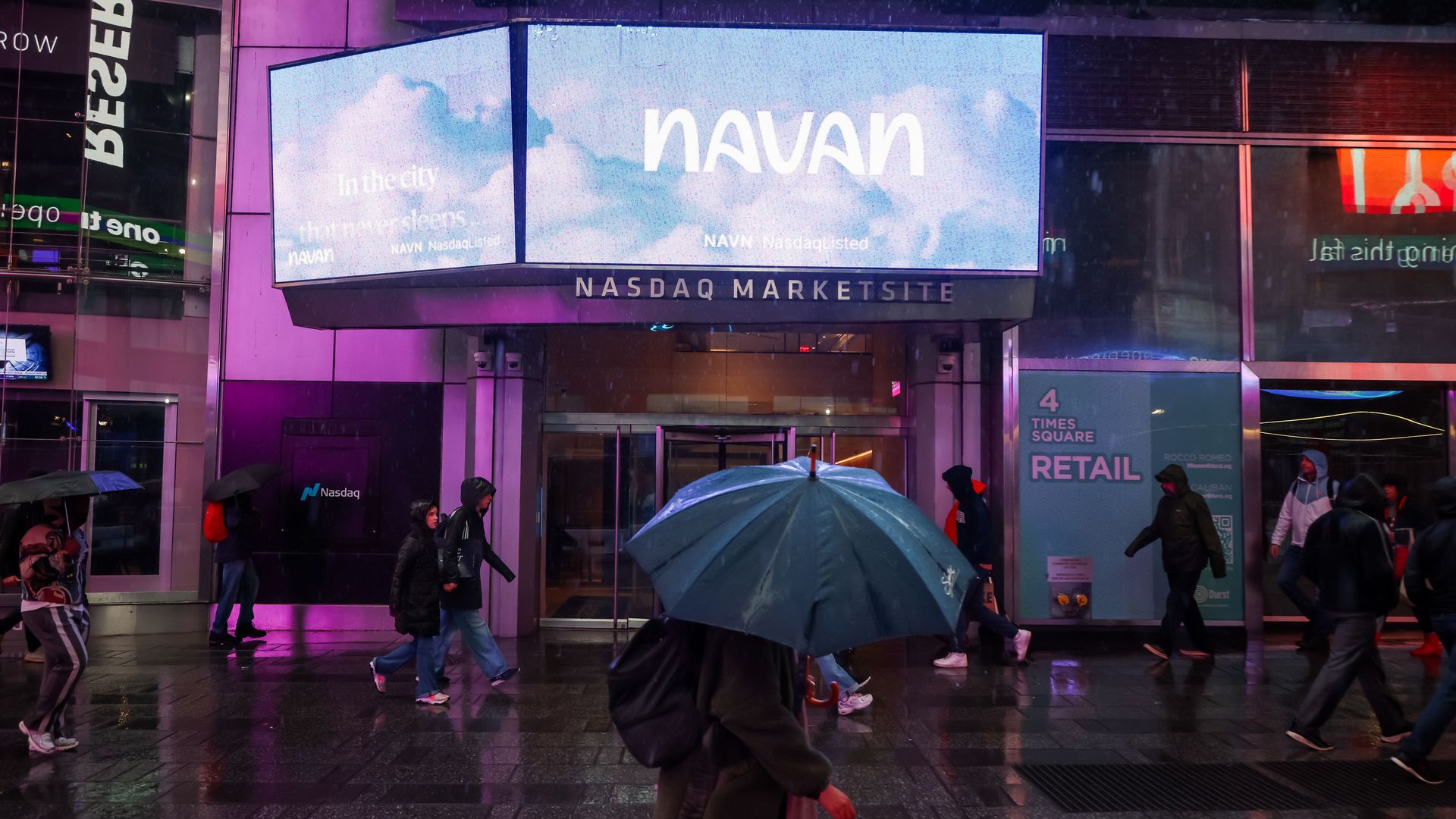
Navan, the travel and expense platform, is expanding into Boston.
Why it matters: The California-based company says the move positions it to better serve customers in the Northeast and recruit top talent from Boston-area colleges.
- Navan leaders say the state's investments supporting artificial intelligence also drew them to Boston.
Driving the news: Navan is leasing office space for 50 employees out of WeWork in the Seaport.
- The company started using the space earlier this year and plans to officially open on March 10.
Zoom in: Navan went public in October at $25 a share, giving it a market valuation of $6.2 billion.
- Some of its major clients include Zoom, Netflix, OpenAI and Anthropic, which opened an office in Cambridge.
5. Violent crime plummets across major U.S. cities


Violent crime dropped sharply across America's biggest cities in 2025, according to new data reviewed by Axios.
Why it matters: The stats were yet another sign that violent crime in the U.S. was starkly different from what President Trump cited as his reason for sending federal troops to Chicago, Portland, Washington, D.C., Memphis and cities in California.
Zoom in: In Boston, homicides increased about 29% in 2025, with 31 killings last year compared to 24 in 2024, per the Major Cities Chiefs Association (MCCA)'s annual report.
- Criminal justice experts have told Axios that the increase looks higher because the city's homicide rate is so low.
- Other major categories of violent crimes declined. Robberies fell roughly 8%, aggravated assaults dropped around 5% and reported rapes decreased around 13%, according to the survey.
The bottom line: Experts aren't sure why violent crime continues to fall.
- One study suggested that the homicide surge of 2020 was driven largely by men and teen boys who were either laid off or saw their schools close during pandemic shutdowns.
Deehan is out.
Steph hates how often the ads interrupt every time they rewatch the Benito Bowl.
This newsletter was edited by Jeff Weiner.
Sign up for Axios Boston