Axios AM

January 10, 2023

1 big thing: Biden's '24 backlash
Illustration: Allie Carl/Axios
2. Ozone layer healing
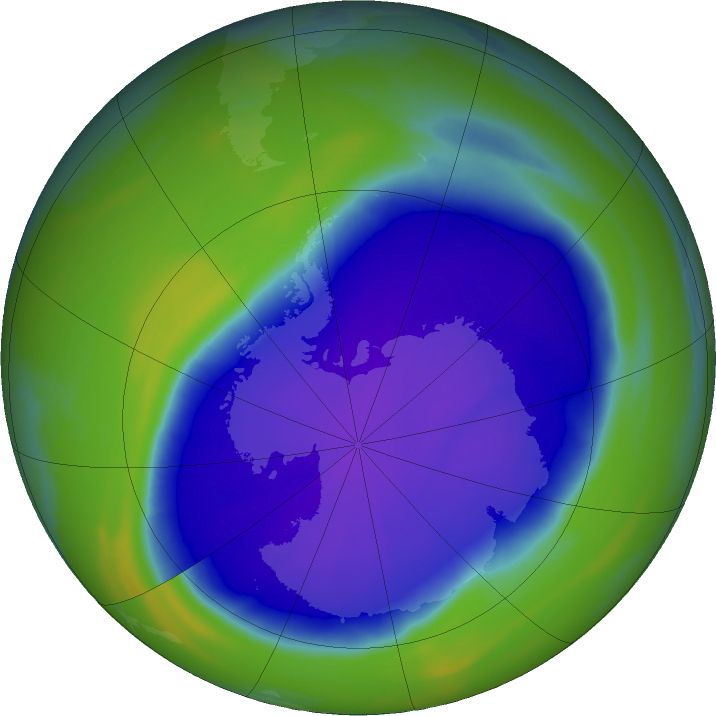
Earth's ozone layer is slowly but noticeably healing at a pace that would fully mend the hole over Antarctica in about 43 years, AP writes from a new UN report.
- "In the upper stratosphere and in the ozone hole, we see things getting better," said Paul Newman, co-chair of the once-every-four-years scientific assessment.
- Signs of healing were reported four years ago but were slight. "Those numbers of recovery have solidified a lot," Newman said.
The progress is slow, according to the report, presented yesterday at the American Meteorological Society convention in Denver.
- The global average amount of ozone — 18 miles up in the atmosphere — won't be back to 1980 pre-thinning levels until about 2040.
- It won't be back to normal in Antarctica until 2066.
🧠 What's happening: Decades ago, people could walk into a store and buy a can of refrigerants that eat away at the ozone. Now, refrigerants are banned.
- "There has been a sea change in the way our society deals with ozone depleting substances," said scientific panel co-chair David W. Fahey, director of NOAA's chemical sciences lab.
🧮 By the numbers: The two chief chemicals that munch away at ozone are in lower levels in the atmosphere.
- Chlorine levels are down 11.5% since they peaked in 1993. Bromine dropped 14.5% since its 1999 peak.
3. 📜 Biden's classified docs
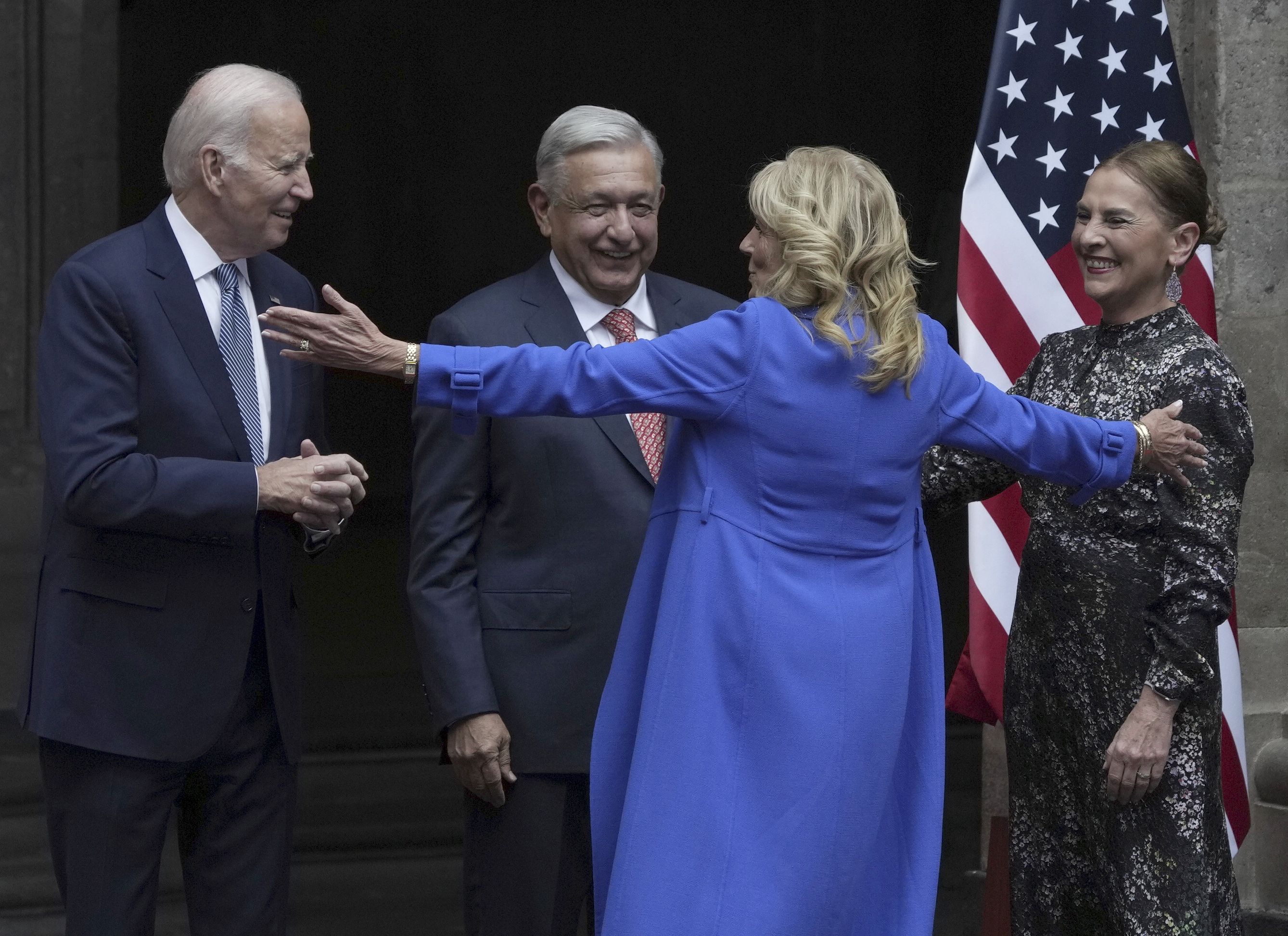
The White House said "a small number of documents with classified markings" from President Biden's time as V.P. were discovered in private office space in D.C. and turned over to the National Archives in November.
- The documents were found while Biden's personal attorneys were packing files housed in a locked closet at the Penn Biden Center, which Biden periodically used from mid-2017 until the start of his 2020 campaign, Axios' Shawna Chen and Sophia Cai write.
"On the day of this discovery, November 2, 2022, the White House Counsel's Office notified the National Archives. The Archives took possession of the materials the following morning," says a statement from special counsel Richard Sauber.
- "The documents were not the subject of any previous request or inquiry by the Archives."
The Justice Department is reviewing the documents.
- "[T]he President's personal attorneys have cooperated with the Archives and the Department of Justice ... to ensure that any Obama-Biden Administration records are appropriately in the possession of the Archives," the statement says.
4. ⚠️ 90% of California under flood watch
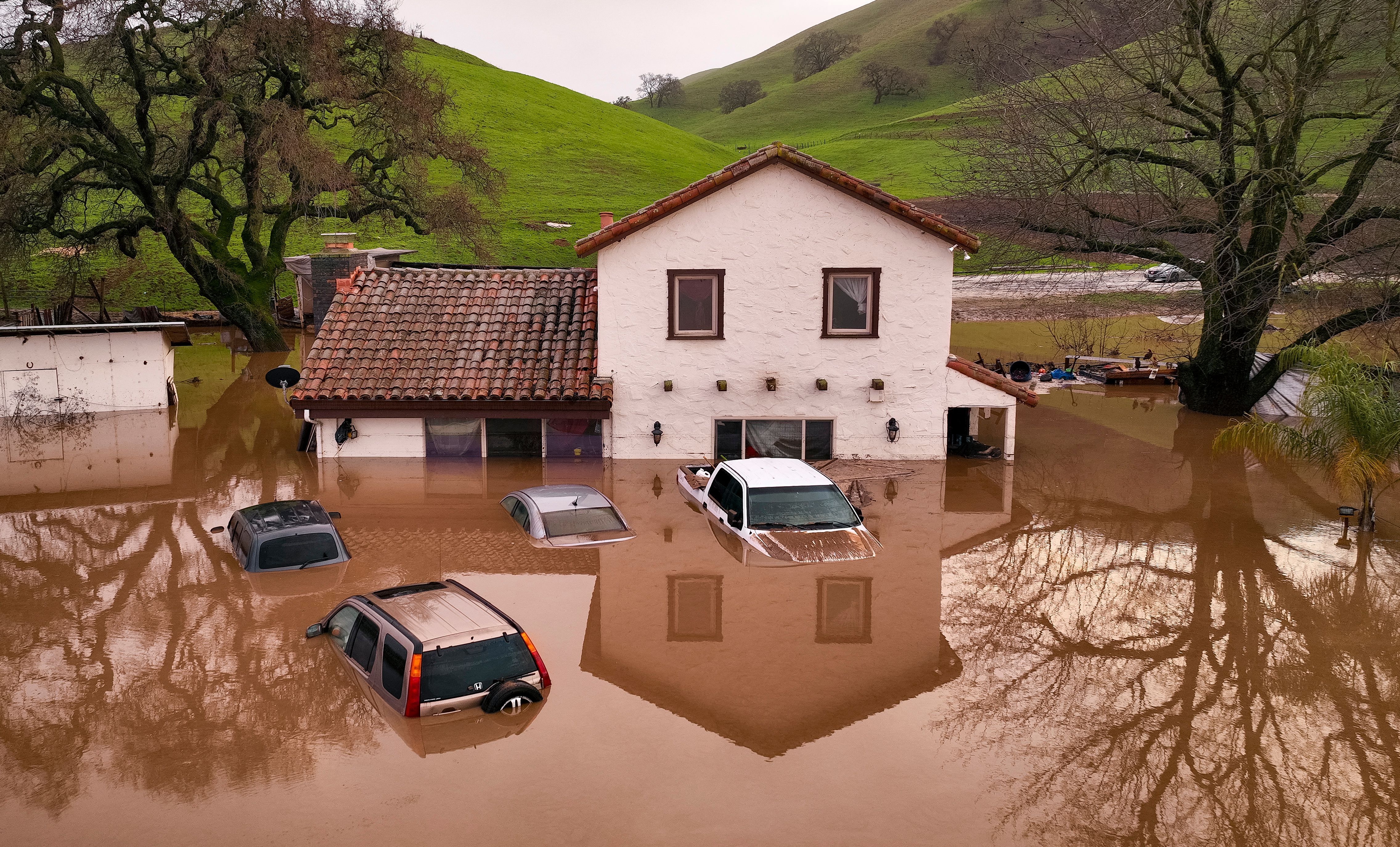
The most powerful wave in the "relentless parade" of severe storm systems pummelling California has put about 90% of the state's population — more than 34 million people — under flood watches, Axios' Andrew Freedman writes.
- This latest storm, part of a series of "atmospheric rivers," has triggered evacuations and the closure of schools and roads across California.
The National Weather Service is warning of "torrential rain, widespread flooding, rapid water rises, mudslides and landslides ... and gusty high winds."
- The death toll from the storms rose to 14.
What we're watching: The flood threat today centers on Southern California. 16 inches of rain fell in the hills of Los Angeles, Santa Barbara and Ventura counties through overnight — with more on the way.
5. 🤖 Chatbot writes malware

Illustration: Sarah Grillo/Axios
6. 📚 New book: America needs more people
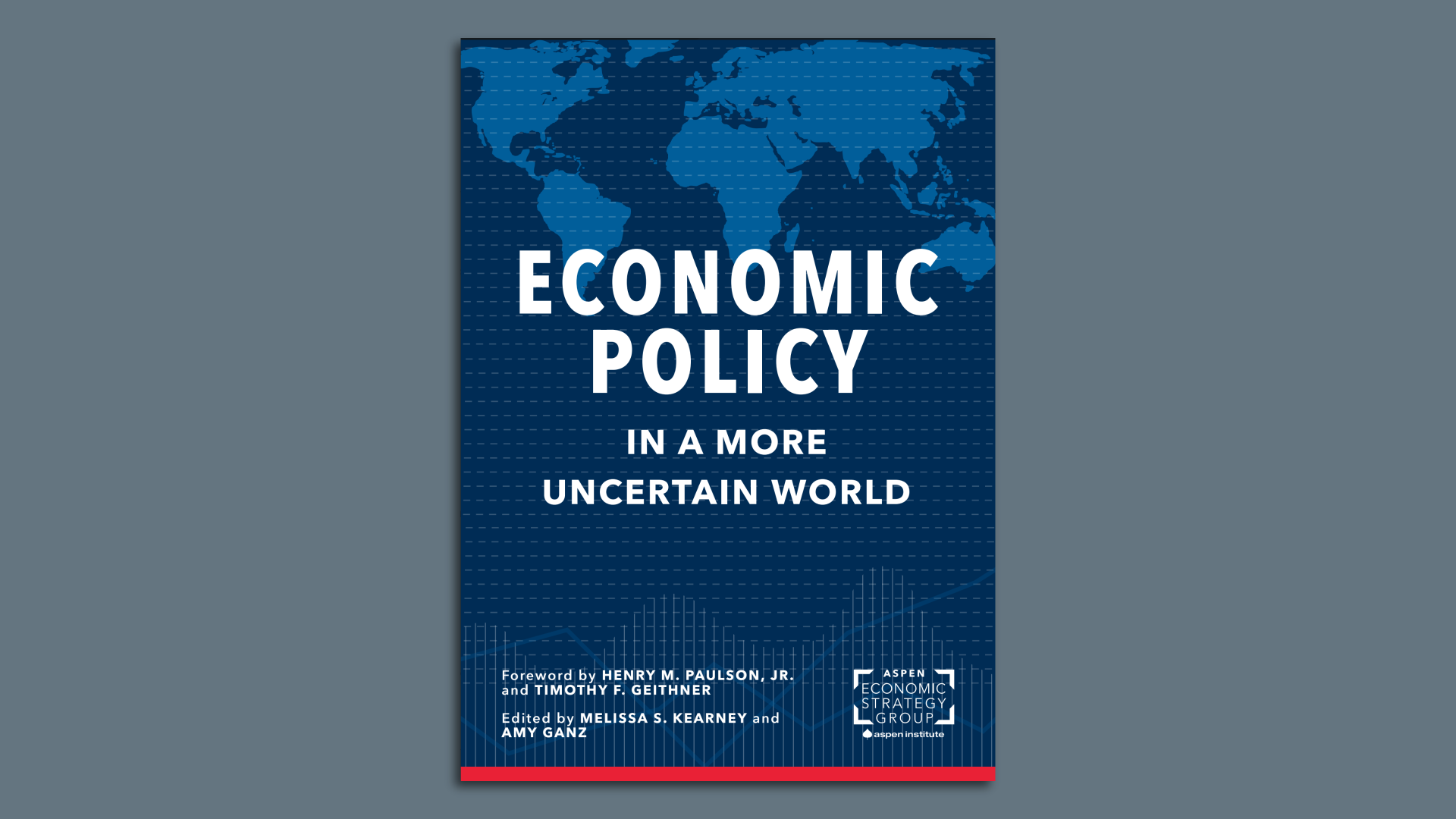
Cover: The Aspen Institute
7. 👑 Harry's memoir in 3 sentences
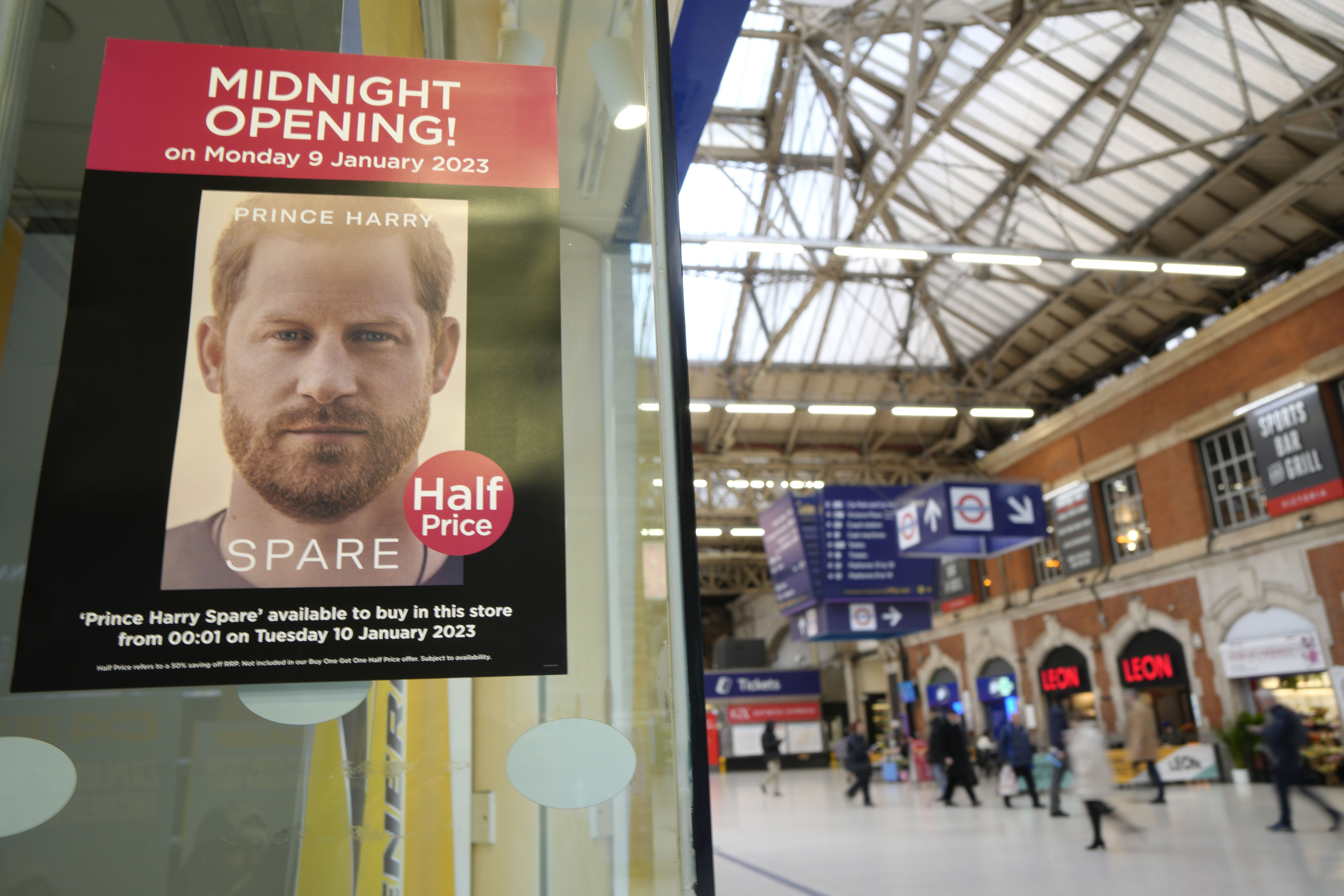
I read every story about Prince Harry's 416-page memoir, "Spare" — out today from Random House — so you don't have to. These three bits capture where the 38-year-old Californian is at:
- The Duke of Sussex remembers William ("my beloved brother, my arch nemesis") and his father saying they honestly didn't know why Harry left: "If they didn't know why I'd left, maybe they just didn't know me. At all. And maybe they never really did."
- Harry fell in love with rugby "for external pain that matched what I felt inside ... a good excuse to attack whatever comes my way ... Rugby allowed me to vent my anger. ... I didn't feel pain in the same way as the other guys, which made me a danger on the pitch ... I stopped fearing death when I was 12 years old."
- Harry, the eternal outsider, compares himself to King Henry IV, who was "exiled and then returned to annihilate every obstacle and person that stood before him ... My distant relative. My soulmate, some would say."
The bottom line: Harry on the reaction of his dad, now King Charles III, to the death of Harry's mum, Princess Diana: "Pa didn't hug me."
8. 🐶 Dawgs have their back-to-back day
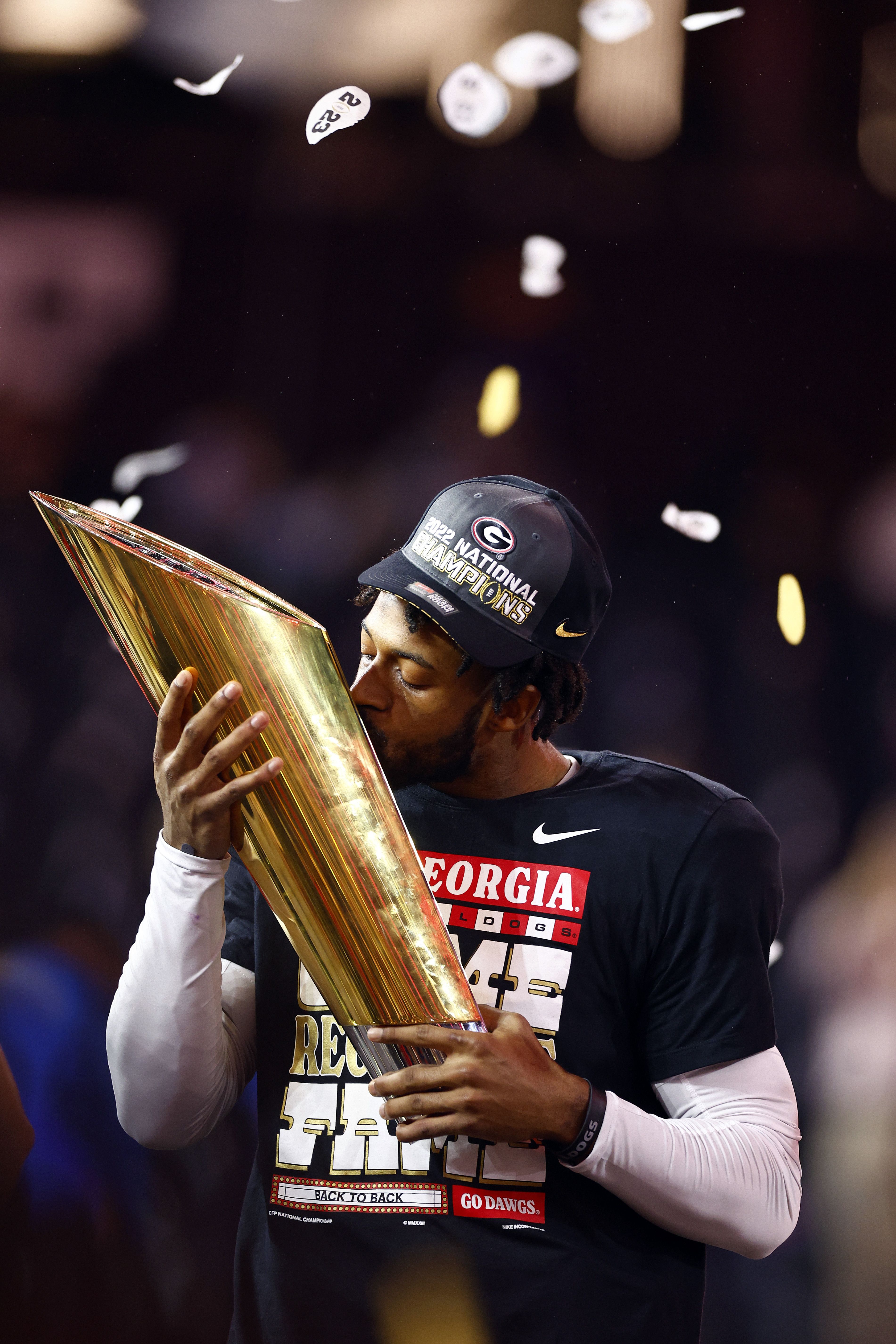
Georgia destroyed TCU, 65-7, last night to become the first back-to-back national champions of the College Football Playoff era — and just the eighth in the history of the sport, Axios Sports editor Kendall Baker writes.
- The big picture: The Bulldogs (15-0) have solidified themselves as an all-time college football dynasty, winning 29 of 30 games and two national titles over the past 16 months, while outscoring opponents 1,163-364.
Wild stat: Georgia's 58-point win is not only the biggest blowout in national championship game history — it's the largest margin of victory in any bowl game ever.
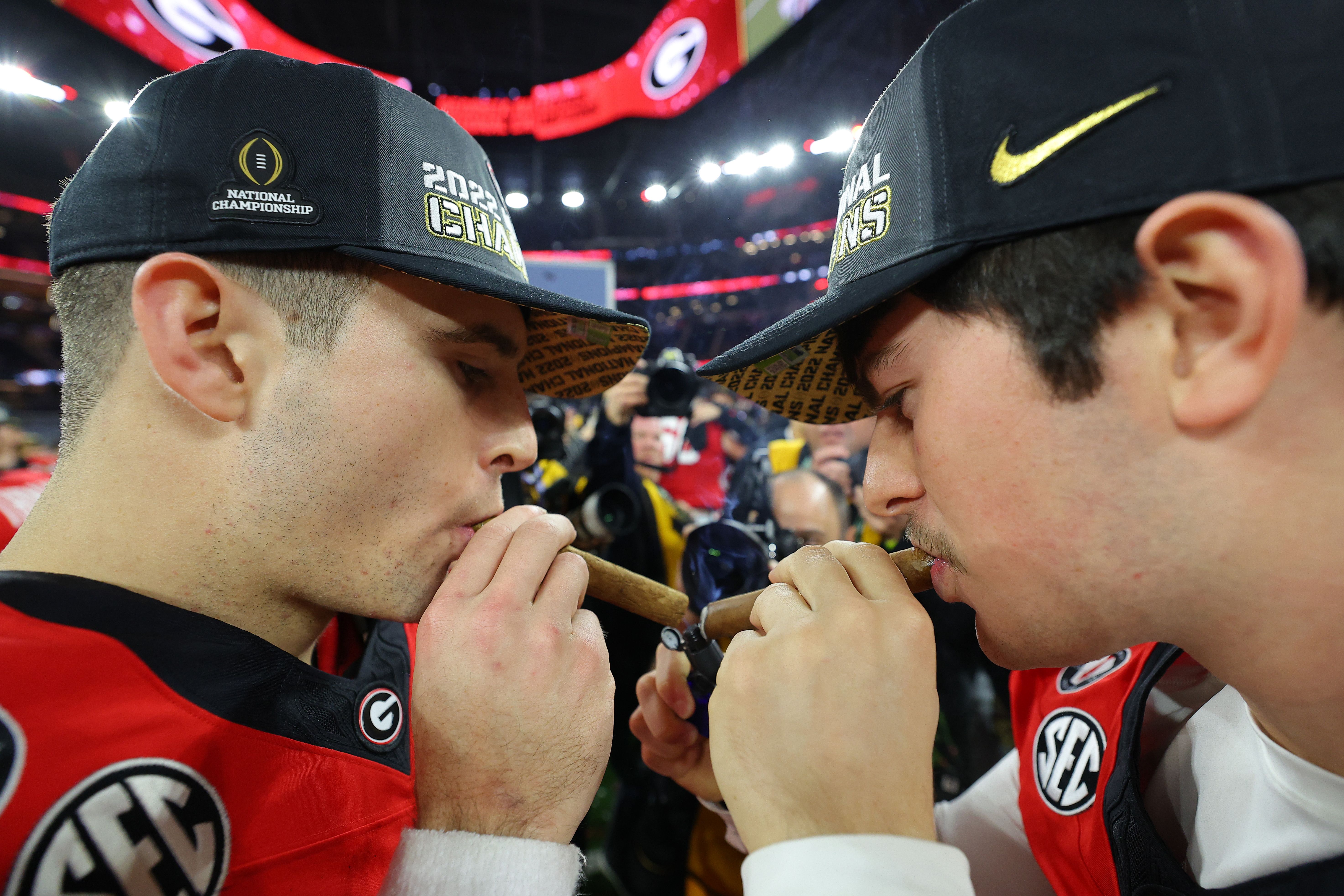
The intrigue: Georgia is the first back-to-back champ since Alabama in 2011 and 2012, when Smart was Nick Saban's defensive coordinator.
- A decade later, the apprentice has become the master.
What they're saying: "They've taken over college football," ESPN analyst (and former Bulldog) David Pollack said of Georgia during halftime — with Saban sitting feet away.
Axios AM
Catch up with the most important news of the day