Minnesotans love the outdoors, and new data proves it

Add Axios as your preferred source to
see more of our stories on Google.
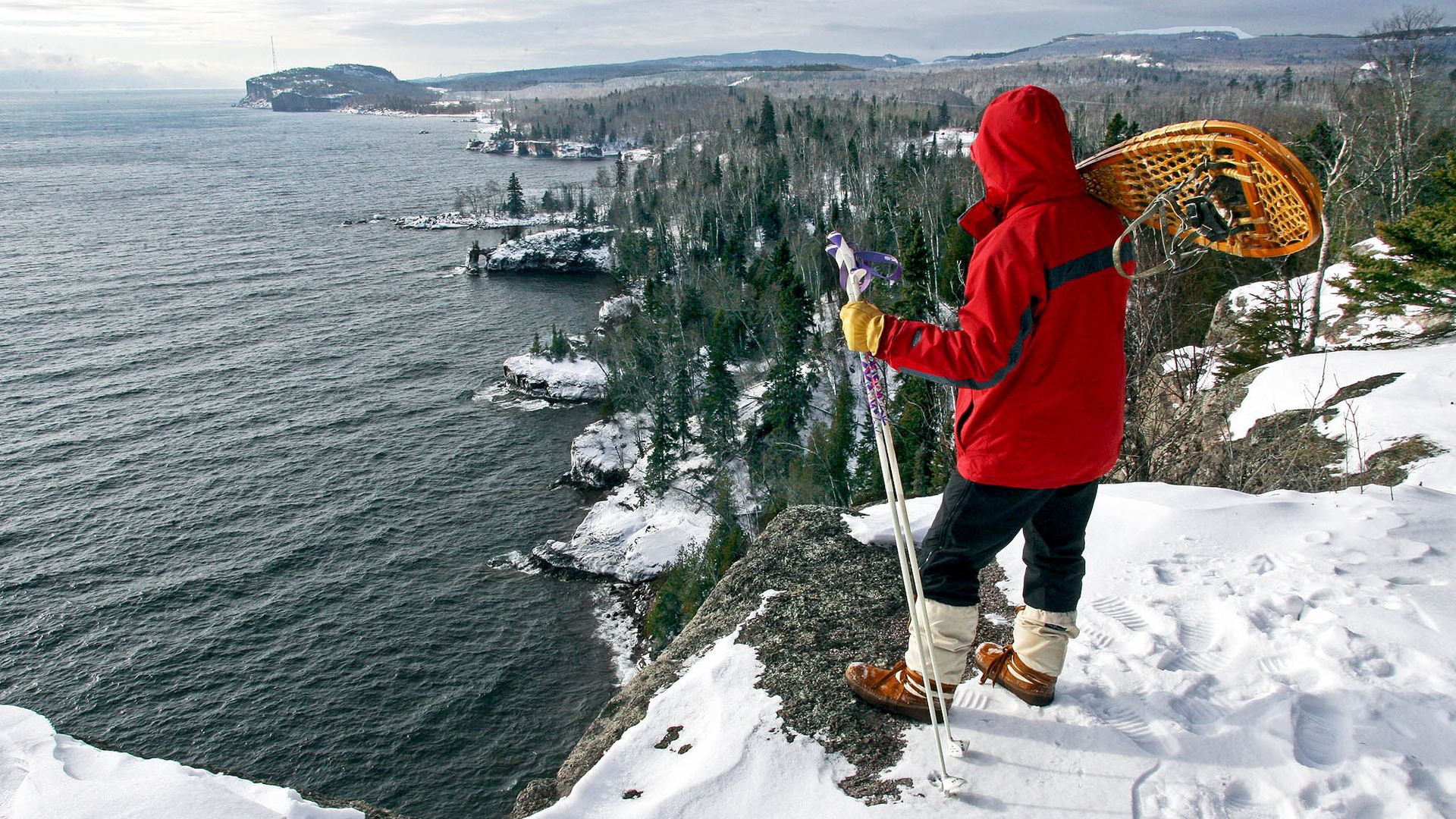
Lake Superior as seen from Tettegouche State Park's Shovel Point. Photo: Marlin Levison/Star Tribune via Getty Images
A growing number of Minnesotans' livelihoods depend on how much fun you have outdoors — and new data suggests you're having a lot of fun.
The big picture: Outdoor recreation pumped $13.5 billion into Minnesota's economy in 2023, a federal report shows.
- Minnesota's outdoor economy grew faster (+10.5% vs. 2022) and made up a bigger share of the state's GDP (2.8%) than national averages.
Plus: In 2023, Minnesota added jobs that depend on outdoor fun at a greater rate (+4.1%) than any other Midwest state.
Why it matters: Outdoor recreation isn't just a "nice-to-have, or an amenity," Explore Minnesota deputy director Randolph Briley tells Axios.
- This data "demonstrates that the outdoor recreation sector in Minnesota is critical to our economy and our quality of life."


Zoom in: The report attempted to track spending on everything from hiking boots to the gas bought to drive to a trail and the victory beer bought at the end.
- It also reflects earnings at Minnesota companies that supply this gear to other states.
🛶 Boating and fishing accounted for $1.1 billion in economic value, driven by the earnings of manufacturers like Alumacraft and Lund and Crestliner, plus tackle companies like the U.S.-based subsidiary of Rapala.
🦌 Minnesota's hunting, trapping and shooting sector ranked in the top five states by total dollars added to GDP, fueled by the state's strong hunting tradition and companies like Anoka ammo manufacturer Federal Premium.
🚲 Bicycling also contributed greatly to Minnesota's GDP, reflecting interest in mountain biking and the metro's highly-rated cycling infrastructure.
🚐 RVing is headed in the wrong direction as companies like Eden Prairie-based Winnebago Industries come off a pandemic-aided sales boost.
❄️ The snow activities sector grew as snowmobile-makers Polaris and Arctic Cat took advantage of 2023's snowy winter, Briley says.
- Yes, but: Briley fears 2024's wimpy winter may hurt this sector — which also includes skiing and snowboarding — in the next round of numbers.
The intrigue: Climate change is an industry-wide concern, says Briley, who leads an interagency partnership focused on growing Minnesota's outdoor economy.
- It's more than just snow-related industries that are worried. For example, shorter winters like last year mean fishing companies sell fewer ice fishing huts.
- Warmer summers also mean more costly heat-related cancellations, like that of the 2023 Twin Cities Marathon.
The bottom line: The amount of time people are spending outdoors has leveled off since a COVID-era spike.
- This latest economic data suggest Minnesota is "weathering this return to normal better than some other states," Briley says.