Undocumented students could soon lose access to public higher ed in Florida

Add Axios as your preferred source to
see more of our stories on Google.
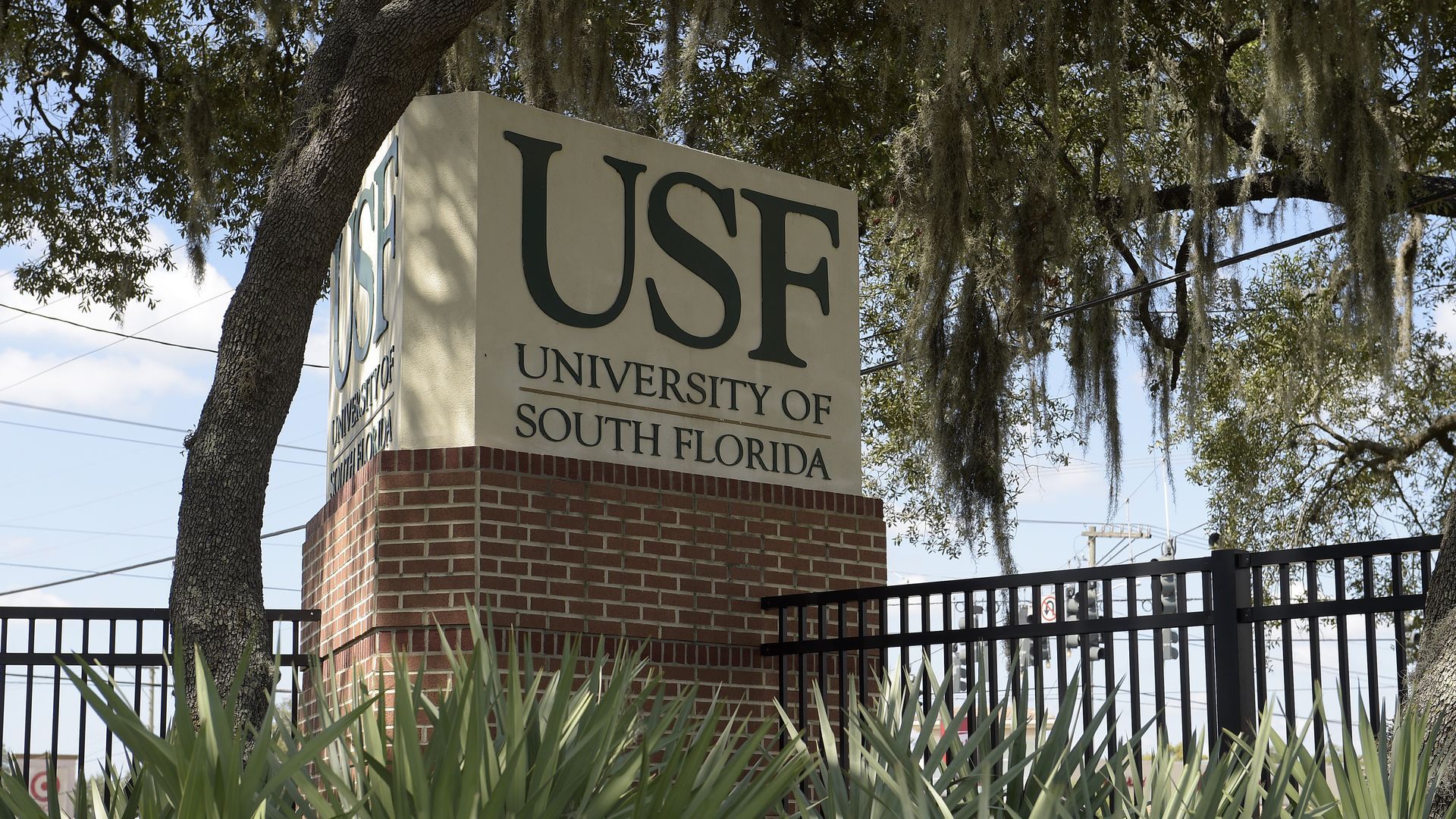
Photo: Phelan M. Ebenhack/Bloomberg via Getty Images
The Florida Board of Governors will take up a proposal on Wednesday that would bar undocumented students from enrolling in state universities that don't accept all "academically qualified" students.
Why it matters: It is the latest effort by the state to make higher education inaccessible to undocumented immigrants, many of whom were brought to Florida as children through no choice of their own.
- An estimated 8,000 undocumented students graduate from the state's high schools each year, per the Higher Ed Immigration Portal.
Driving the news: The proposal would take effect in the 2027-28 academic year and would affect universities that, for the past two years, have not admitted all eligible and qualified applicants.
- Among those schools is the University of South Florida, which, on its admissions page, describes itself as "very competitive" and acknowledges that even those who meet its criteria may be denied admission.
- The proposal comes just a week before the state Board of Education is set to consider a new rule that would prohibit undocumented immigrants from attending public colleges in Florida.
The big picture: DeSantis signed a bill last year eliminating in-state tuition for undocumented immigrants, closing off a key path to higher education for students who cannot receive federal financial aid or legally work.
- Since then, USF has raised out-of-state tuition twice, meaning undocumented students would now have to pay at least $8,000 per semester, a 317% increase from what they had been paying.
- Now, even those able to afford the higher cost may soon be barred from admission. And should the state Board of Education follow, Hillsborough College and St. Petersburg College would also be off-limits.