American oystercatcher chicks survive Madeira Beach roof collapse

Add Axios as your preferred source to
see more of our stories on Google.
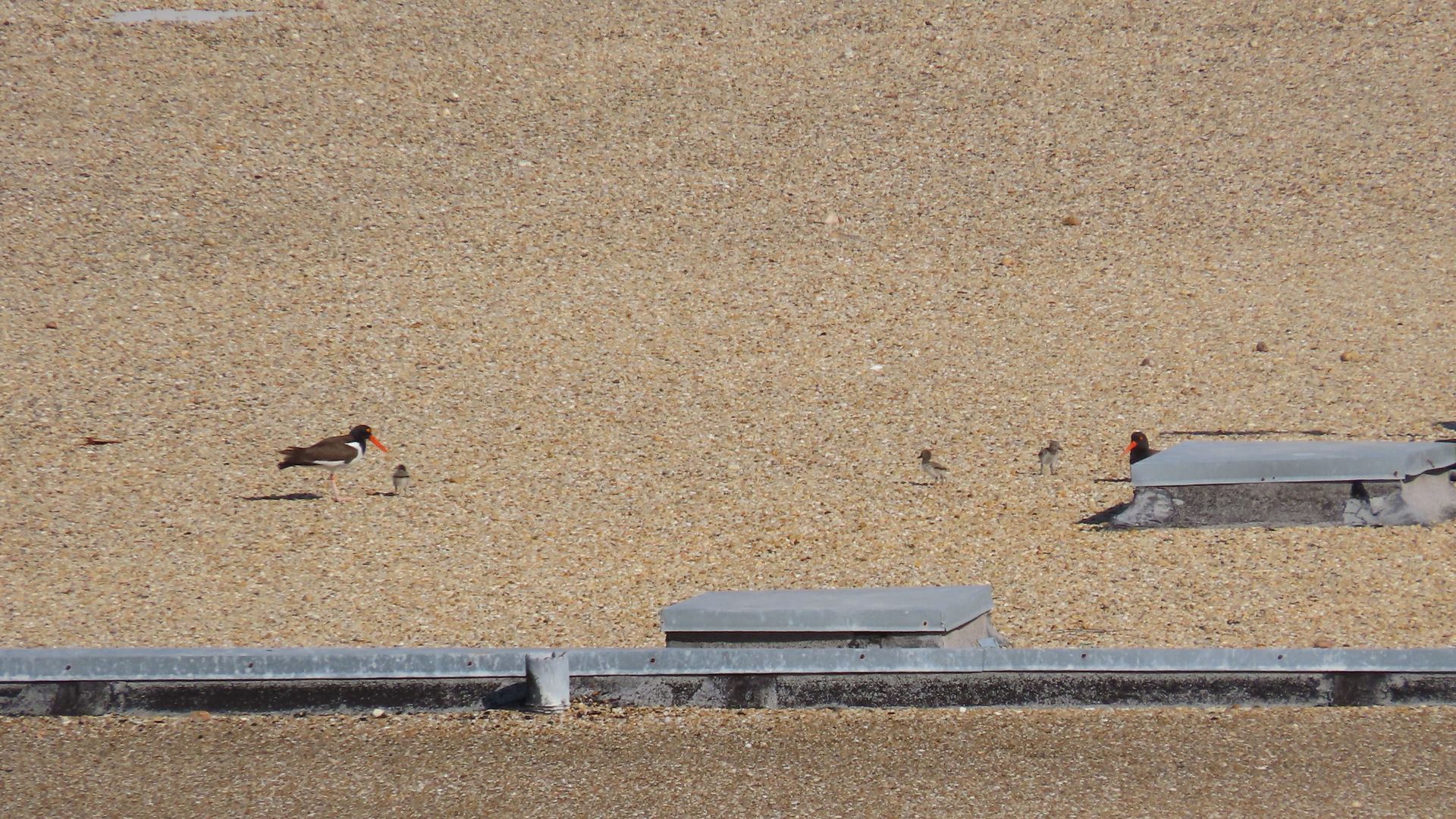
American oystercatchers X16 and W35 with their three chicks on the roof of an old Winn-Dixie. Photo: Courtesy of Abby McKay
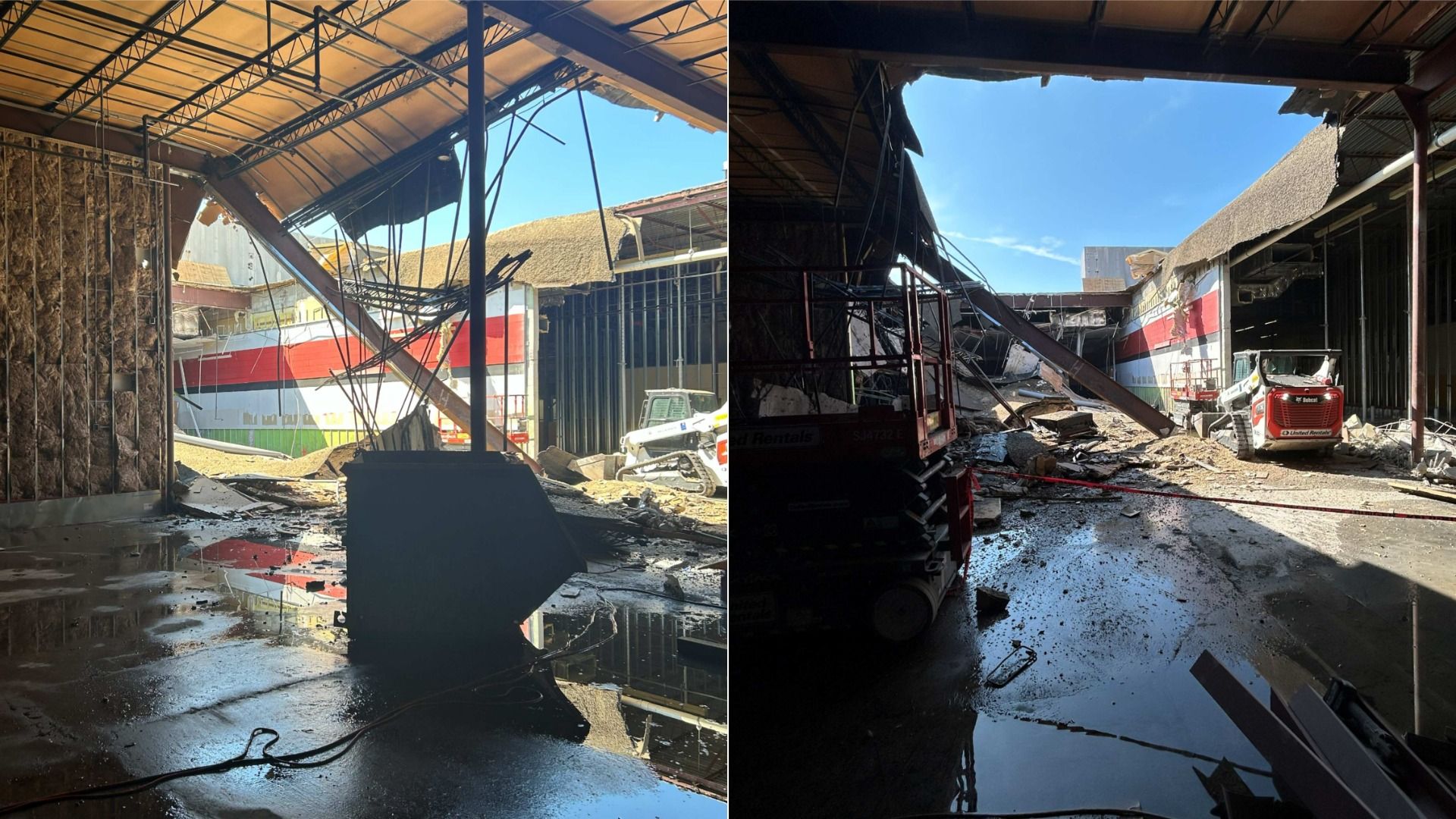
Last Friday, a gaping chunk of a former Winn-Dixie's roof collapsed in Madeira Beach during construction to convert it into an Aldi. No one was hurt.
- But that night, after seeing the news, Audubon Florida biologist Abby McKay called the city, the fire department — anyone who could pass on the message that threatened shorebirds were nesting up there.
Why it matters: It's a dramatic example of the many perils sea and shorebirds encounter when nesting on developed, crowded coastlines — and the challenges faced by scientists and volunteers who monitor them.
- For the last seven years, an American oystercatcher and her mate have settled on the rooftop to lay eggs, contributing new chicks to the state-threatened population.
The big picture: Habitat loss is why species including oystercatchers, least terns and black skimmers turned to flat, gravel rooftops in the first place. Beaches packed with tourists, children and dogs don't help.
- Eggs and newly hatched chicks blend into their surroundings, protecting them from predators but also making them hard for beachgoers to spot.
Threat level: Gravel rooftops have a similar vibe to shelly beaches without all the distractions, but eggs are still vulnerable to predators like gulls and crows, and wayward chicks can fall off the edges.
- That style of roof is also being phased out with modern construction.
- McKay, Audubon's rooftop program coordinator, monitors fewer than 60 roofs known to host nesting birds across several counties, including Pinellas. Her predecessor managed close to 150.
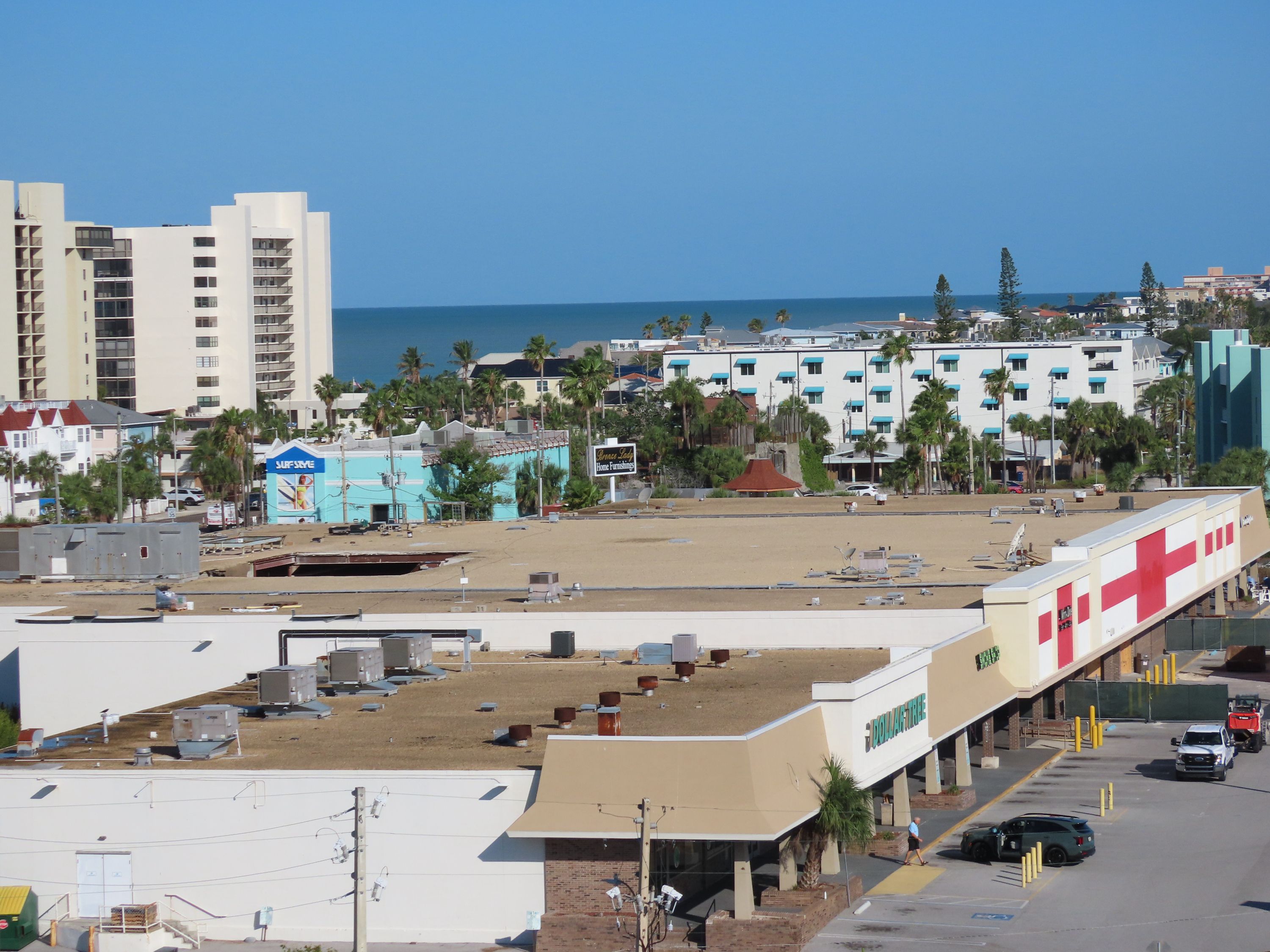
State of play: The morning after the collapse, McKay and a volunteer headed to a nearby hotel with a view of the roof to learn of the birds' fate.
- Some least terns that had been scoping it out for nesting were gone, likely spooked by the chaos.
- But the pair of oystercatchers — X16 and W35, as they were known by the tracking bands on their legs — were still there, along with two fuzzy little surprises
What they're saying: McKay guesses the first chick hatched the same day as the collapse, a small miracle. But her excitement quickly gave way to concern about the danger they were facing.
- "They're so teeny tiny that so much can happen to them already," McKay told Axios. "Now there's a hole in the roof that they can fall into, into an active construction zone."
What's next: City officials put the contractor in touch with state wildlife regulators to get approval to work on the roof while the birds are there, per the city.
- A monitor will watch and help protect the nest through construction, McKay said.
They'll be watching a family of five. By Sunday, X16 and W35 had welcomed a third chick into the world.