San Francisco's raccoons are evolving to be more like pets


Add Axios as your preferred source to
see more of our stories on Google.
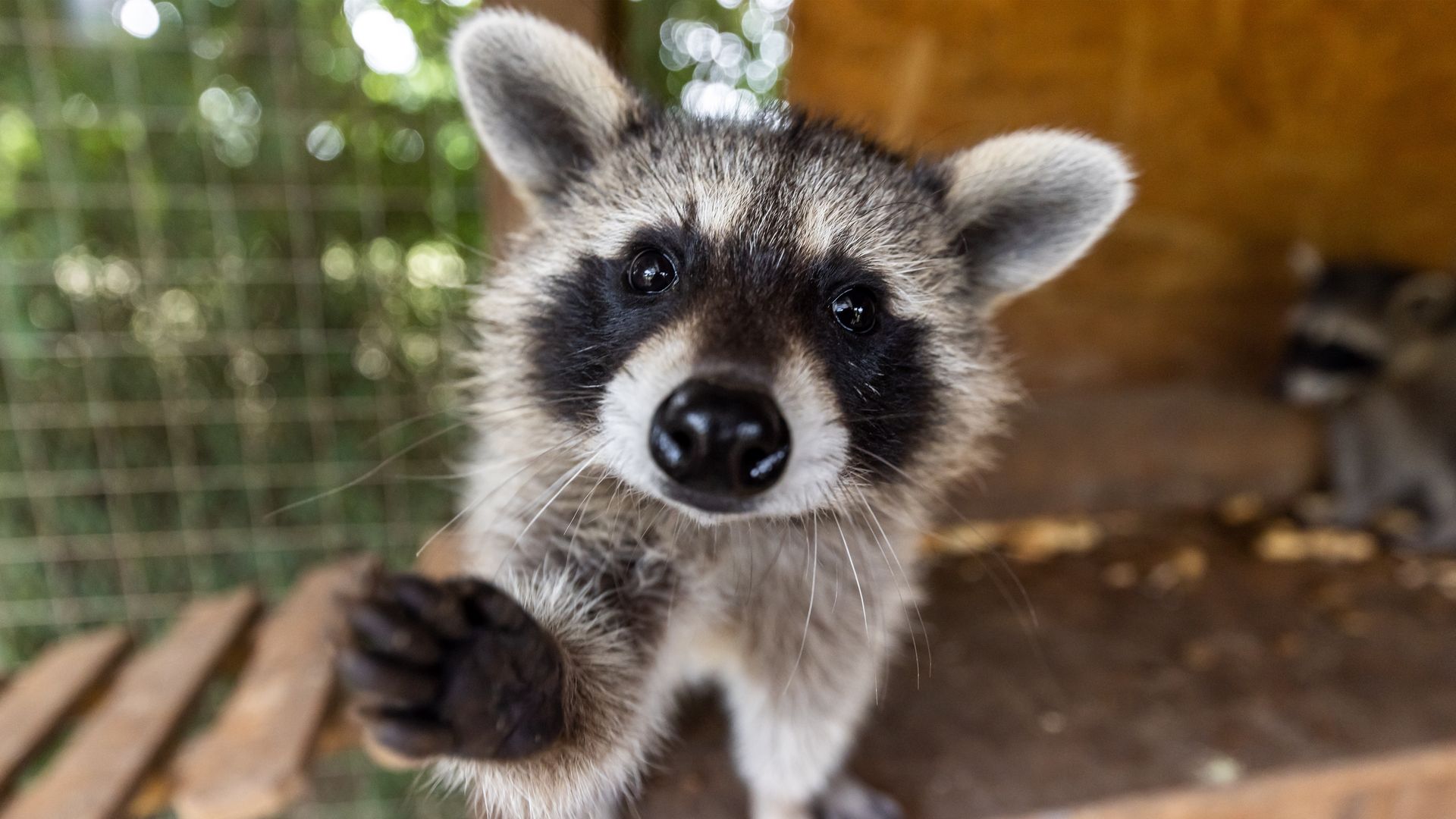
If San Francisco's raccoons are starting to look a little cuter and less wary, it may not be your imagination.
The big picture: Scientists say city raccoons are evolving to live more comfortably around people.
Driving the news: The same evolutionary forces that turned wolves into domesticated dogs over thousands of years may now be reshaping urban raccoons, per a recent study in the journal Frontiers in Zoology.
- Raccoons living near people develop snouts about 3.5% shorter than their rural cousins, along with smaller heads, floppier ears, softer features and lighter fur or white patches — all hallmarks of domestication.
- The researchers analyzed roughly 20,000 raccoon photos from cities across the U.S. that were uploaded to iNaturalist — a science platform created at UC Berkeley.
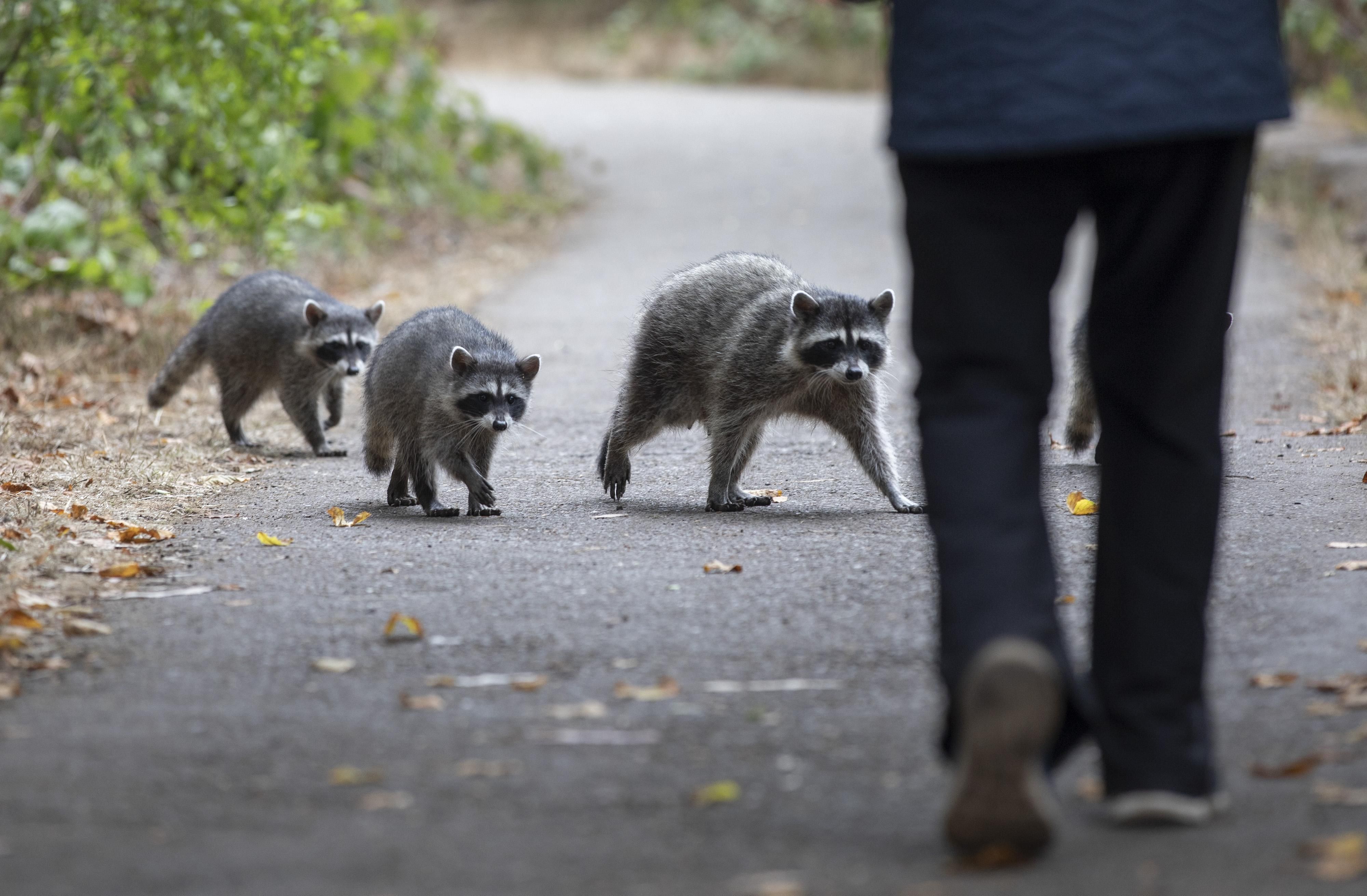
How it works: This urban domestication starts with trash, according to the study's co-author, Raffaela Lesch of the University of Arkansas at Little Rock.
- Easy food rewards the bolder, calmer raccoons — the ones willing to hang around people in a less aggressive way so they don't become a nuisance.
- That tolerance for us may subtly reshape their bodies and temperaments over generations.
What they're saying: City raccoons have learned to be "bold enough to raid garbage cans but polite enough" to avoid altercations with people, said Marcie Logsdon, an associate professor at Washington State University's College of Veterinary Medicine.
- That mix, she said, helps them live longer and raise more offspring, reinforcing the subtle physical changes scientists are now spotting.
Zoom in: San Francisco's year-round food availability and abundant green spaces, including Golden Gate Park and the Presidio, have made the city an especially welcoming environment.
- Raccoon populations are highest — and most visible — in late summer and early fall, per SF Animal Control & Control.
The bottom line: Logsdon said raccoons may be adapting to city life, but no matter how cute those masked bandits get, they don't belong in the house.
- They can carry diseases and their behavior remains unpredictable.
- People should also avoid feeding them.