Why San Antonio's warm winter is hard on allergies

Add Axios as your preferred source to
see more of our stories on Google.
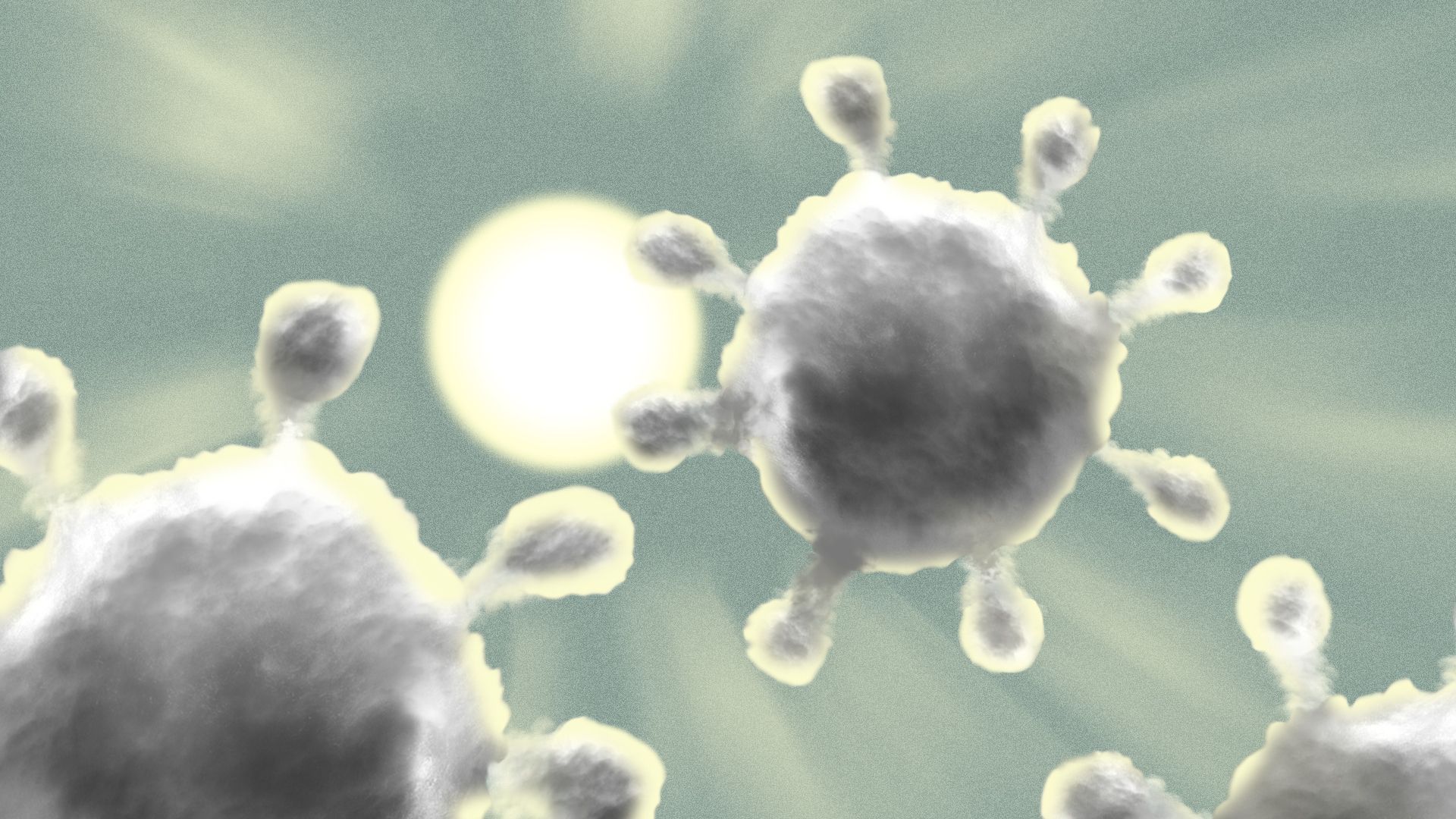
Illustration: Brendan Lynch/Axios
San Antonio's winter has so far felt a little more like spring, and the city has not yet seen freezing temperatures — an anomaly that doesn't seem to be changing anytime soon, even with a cold front on the way.
Why it matters: A hard freeze, while not always welcome news in cold-averse San Antonio, can be beneficial for allergy sufferers who have been having a hard time this cedar fever season.
Catch up quick: The average high temperature so far this January is about 79°, per NWS data. It would normally be about 63.
- In December, the average high was close to 5 degrees above normal.
Zoom out: Research shows that climate change makes unusual heat events more likely.
The latest: A cold front expected to hit San Antonio on Friday night will bring more seasonal temps, but we likely still won't see a freeze, Emily Heller, a meteorologist in the National Weather Service's Austin/San Antonio office, tells Axios.
- The forecast lows this weekend are around 39° and 40°, while the highs will be in the low 60s.
- Pollen levels are expected to dip on Friday but remain high through the weekend.
State of play: San Antonio typically sees its first freeze around Dec. 1.
- "It's not normal for it to be this late," Heller says.
Yes, but: It does happen. The first freeze in the 2021-22 winter season came on Jan. 2, per Heller.
- In the 2015-16 season, San Antonio didn't get a freeze until Jan. 23.
Stunning stat: In 1931-32, the first freeze of the season didn't actually arrive until March 8.
How it works: Plants will continue to release pollen in the air until there is a hard freeze, which is bad news for allergy sufferers.
- Some plants can even bloom in the spring-like weather we've had so far this month, David Rodriguez, horticulturist with the Texas A&M AgriLife Extension Service in Bexar County, tells Axios.
- Plus, when there's a mix of cold and warm fronts, the air carries pollen from other parts of the country — including from Ashe juniper trees in West Texas, per David Corry, an allergy expert at Baylor College of Medicine. That's how we end up with cedar fever season in San Antonio.
What's next: San Antonio remains in a La Niña weather pattern, Heller says, which tends to produce warmer and drier air. That's favored to continue for another month or two.
- Texas has a high chance of being hotter than average through March, per the National Oceanic and Atmospheric Administration (NOAA).
The bottom line: "There's still plenty of winter to go," Heller says. "We can certainly get a cold system to come down and give us a freeze."