Selena's killer Yolanda Saldívar is up for parole after 30 years in prison

Add Axios as your preferred source to
see more of our stories on Google.
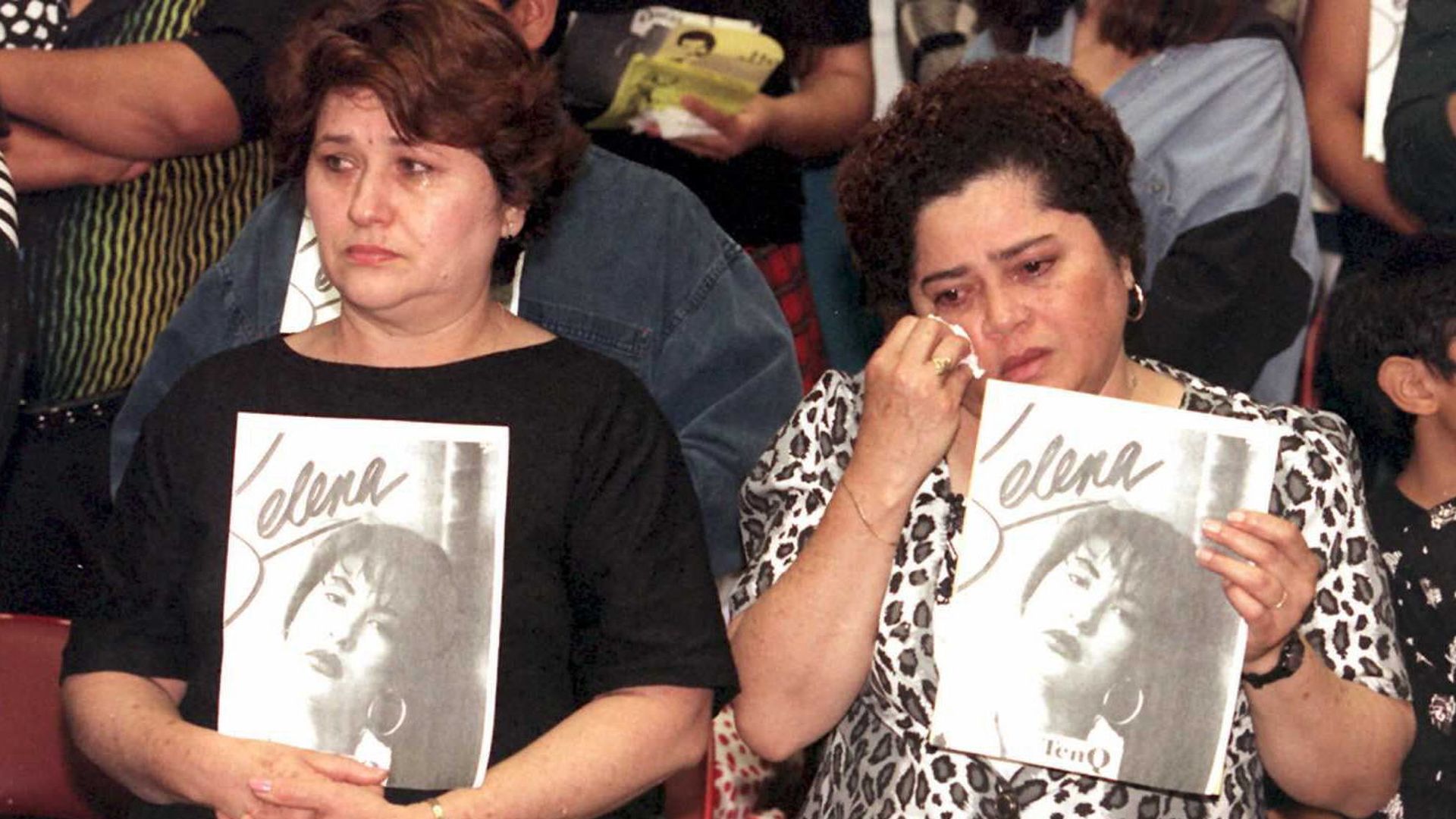
Estella Leak (right), sitting next to her sister Olivia, wipes away tears during a memorial for Selena in 1995. Photo: Jeff Haynes via Getty Images
Yolanda Saldívar, the San Antonio woman convicted of murdering Tejano superstar Selena Quintanilla in 1995, is nearing her parole eligibility date after 30 years behind bars.
Why it matters: Selena's murder remains one of the highest-profile cases in Texas history, and any parole decision for Saldívar is expected to draw significant public interest.
- Saldívar's parole eligibility date is on Sunday, one day shy of the 30th anniversary of Selena's death.
Flashback: Saldívar, 64, was sentenced to life in prison on Oct. 26, 1995, with the possibility of parole after 30 years.
- Saldívar shot Selena in a Corpus Christi hotel room after the 23-year-old singer confronted her over embezzlement allegations related to her fan club and boutiques.
- Saldívar has maintained that the shooting was accidental — a claim most recently revisited in the docuseries "Selena and Yolanda."
The latest: Saldívar was automatically placed into parole review roughly six months before her eligibility date, as required under Texas law, Rachel Alderete, director of support operations at the Texas Board of Pardons and Paroles, tells Axios.
How it works: An institutional parole officer will interview Saldívar and prepare her file for review by a panel, Alderete explains.
- The panel will assess factors including seriousness of the offense, criminal history, institutional behavior and support or protest letters from the public and officials.
- Parole would come with strict supervision conditions, including reporting to a parole supervisor, prohibition of owning a weapon, obtaining permission to change residence or travel and compliance with all laws.
- The panel does not have a set date for when they will make a decision, Alderete says.
What's next: If denied, Saldívar's case will be reevaluated in one to five years.
- Should she be released, the board has the discretion to impose conditions — but it's unclear what protections, if any, would be granted.
Between the lines: Saldívar has remained a source of ire for Selena fans since the murder, and many have long expressed outrage over the possibility of her release. That backlash flared up again recently with the release of the docuseries.
- Online forums, tribute pages and social media feeds regularly revisit the case, with many questioning whether Saldívar could safely reenter public life.
What they're saying: "The board has the statutory authority and responsibility to impose any condition of (parole or mandatory) supervision they deem appropriate and that serves in the best interest of protecting the community and rehabilitating the parolee," Alderete says.