How Selena continues to influence LGBTQ+ communities

Add Axios as your preferred source to
see more of our stories on Google.
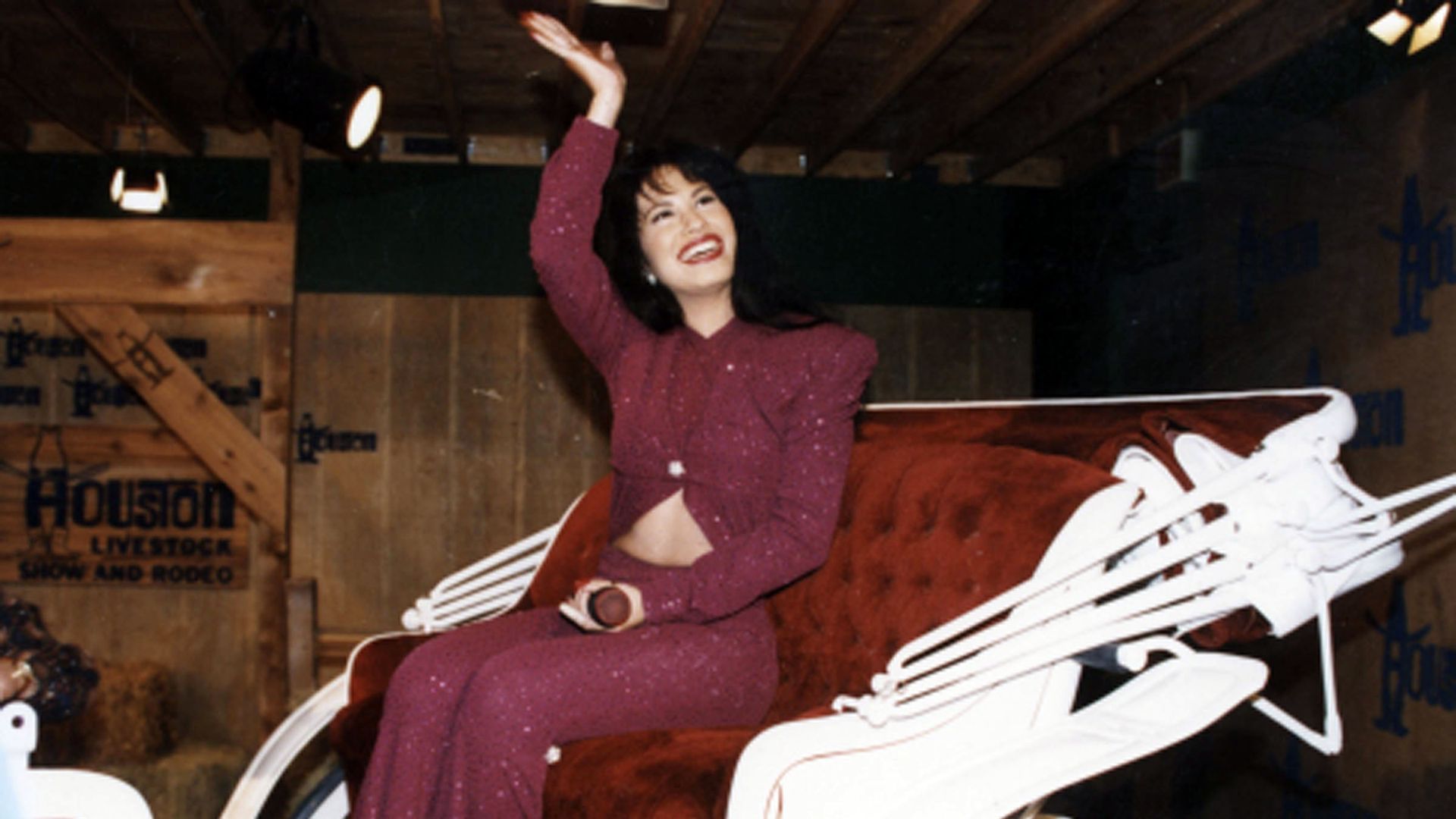
Selena waves at a performance at the Houston Livestock Show and Rodeo in 1995. Photo: Arlene Richie/Getty Images
Selena's elaborate outfits, music that unites people in cumbia circles, and inviting personality have solidified her as a gay icon who continues to be celebrated throughout the LGBTQ+ community.
Why it matters: Selena's persona and artistry continue to promote inclusivity and celebrate diverse forms of expression and identity nearly 30 years after her death.
Context: Selena Quintanilla's Tejano performances are widely celebrated in gay spaces during drag performances and tribute nights, in fashion, and at Pride parades.
The big picture: Columbia University professor Deborah Paredez, who wrote "Selenidad: Selena, Latinos, and the Performance of Memory," tells Axios that the gay community connects deeply with Selena's "larger than life" style and diva persona.
- Her struggle as a Mexican American woman in Texas and in a male-dominated genre resonated with queer communities of color.
- Selena's high femme image and performances inspire drag shows celebrating Latina identity, Paredez says.
- Despite her marriage being well-known, Selena was still viewed as belonging to everyone, making her seem accessible and endearing to her fans.
Between the lines: Selena's cross-generational appeal provided a shared point of identification for gay people and their families, Paredez adds.
- "She provided a way that they could go home in some sort of literal and metaphorical way. She became a conduit for coming together," she says.
What they're saying: Honey Andrews, a Corpus Christi-based drag performer who's been portraying Selena for around 20 years, says it was Selena's seemingly limitless potential that drew her in at a young age.
- Andrews remembers spending an entire day trying to find a copy of "Amor Prohibido" in Monterrey when she was 9 years old.
- "She broke barriers. There were hardly any women in the Tejano music industry. When it comes to the LGBTQ+ community, she represents girl power," Andrews says. "And she wasn't big-headed, she was barrio, she was one of us."
The bottom line: "I think the fact that she continues to live in queer communities has to do with the long history of diva worship within those communities, with Selena being a sort of cultural heirloom we pass on in these ongoing difficult times," Paredez says.