Yellow-legged hornets have NC beekeepers on alert

Add Axios as your preferred source to
see more of our stories on Google.
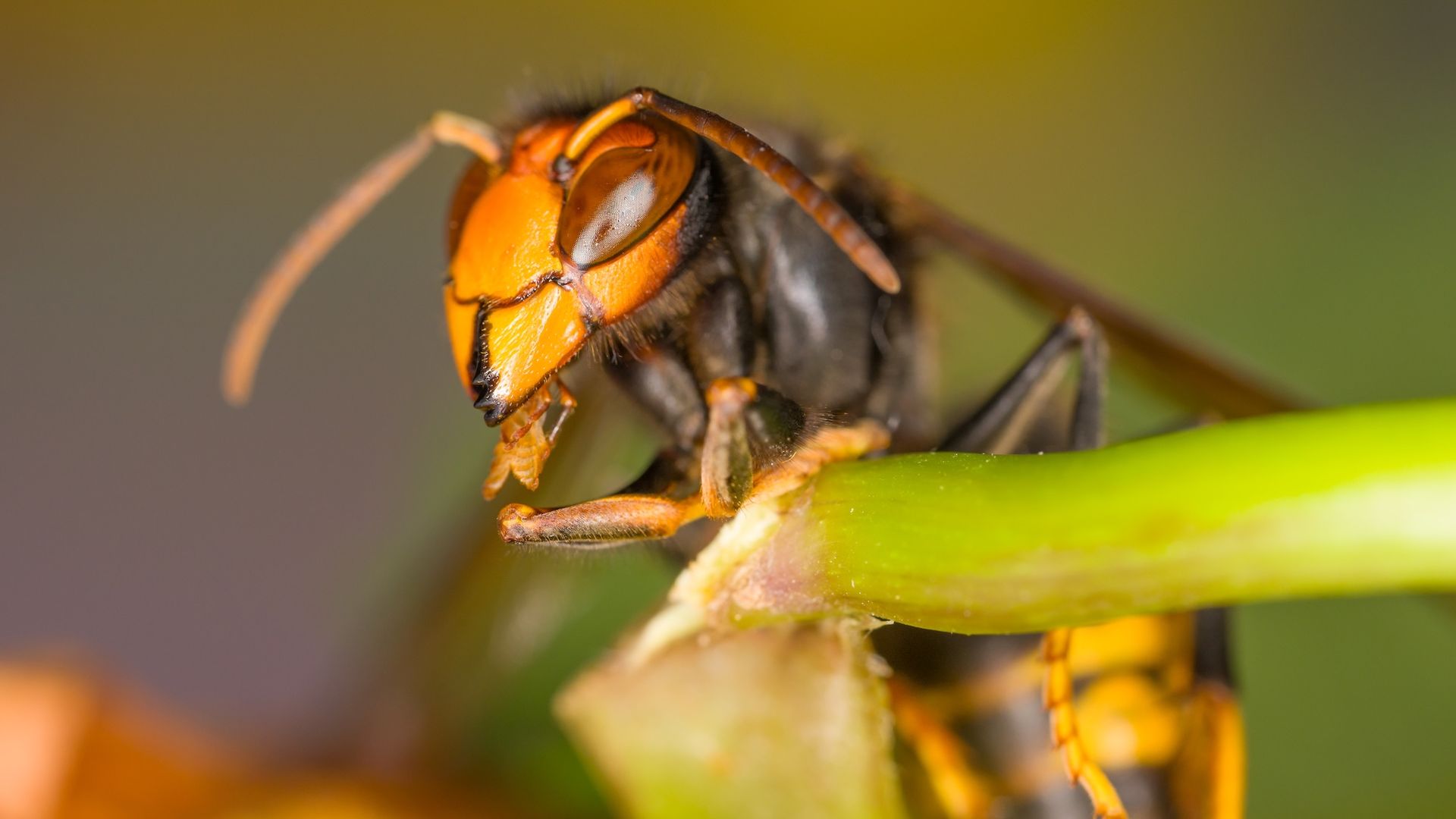
A yellow-legged hornet in Belgium last year. Photo: Jonathan Raa/NurPhoto via Getty Images
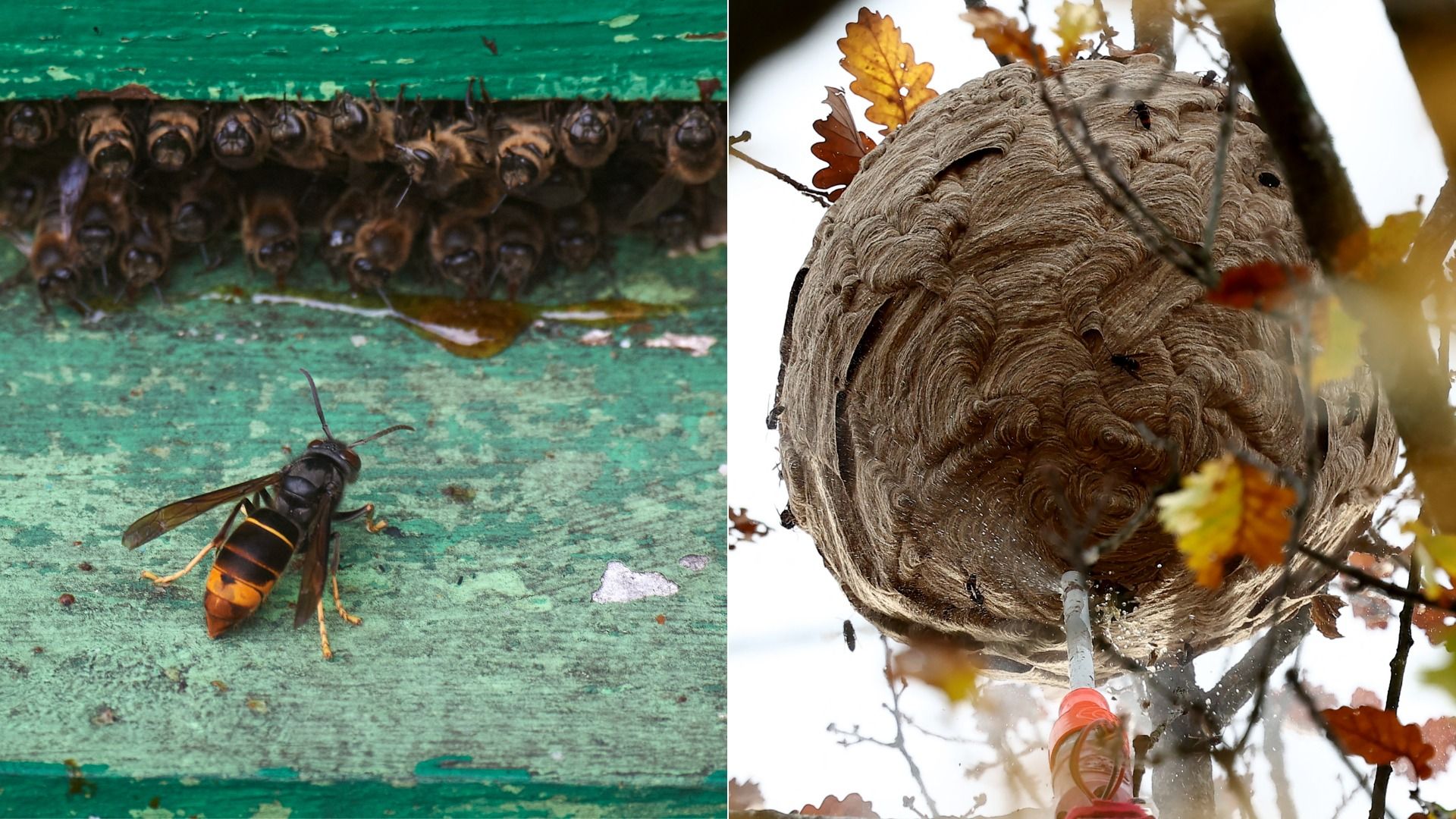
Yellow-legged hornets are spreading across the South, leaving North Carolina beekeepers bracing for their arrival.
Why it matters: North Carolina's agriculture industry depends on pollinators, and yellow-legged hornets can collapse honeybee colonies essential to food production while preying on native insects.
State of play: Donald Hopkins, North Carolina's apiary inspection supervisor, said that none have been documented in the state yet.
- "We are actively searching in order to intercept any incursion here," Hopkins said in an email.
- "It’s only a matter of time unfortunately. Just one more [thing] beekeepers have to deal with," N.C. State professor and extension apiculturist David Tarpy said, also by email.
Zoom in: Now is the time of year when hornets begin predation and expand their nests, which are typically found high in the trees, according to the Georgia Department of Agriculture.
- Georgia has been aware of yellow-legged hornets' presence since summer 2023, and has eliminated 161 nests since then, the state reports.
- Most of South Carolina's cases are clustered in the Lowcountry between Savannah and Charleston, according to Clemson University. Several nests have also been found south of Charlotte.
- South Carolina has removed over 345 nests this year alone, The New York Times reported.
Catch up quick: Researchers have documented the Asian species spreading rapidly through western Europe since 2004, wiping out significant numbers of honeybee colonies in several countries.
- The effect on other insects and broader ecosystems is still being studied.
- It's a different species from the so-called murder hornets that made headlines when they appeared in Washington state in 2019. That species was eradicated in 2024.
The bottom line: As insect populations decline globally, North Carolina farmers and beekeepers may soon face another invasive threat to pollination.