North Carolina startup Plantd bets on grass to cut construction emissions

Add Axios as your preferred source to
see more of our stories on Google.
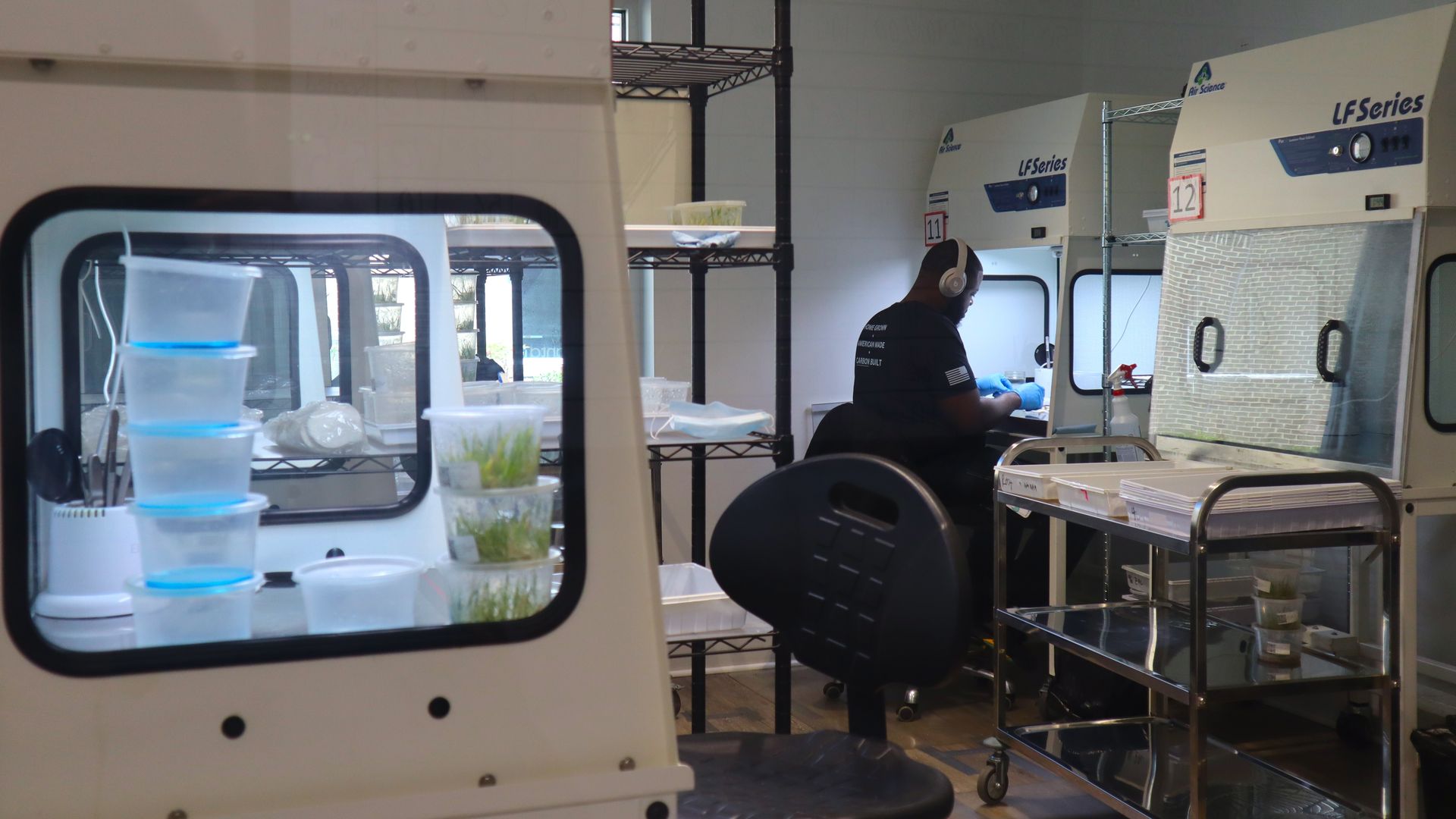
A Plantd lab worker uses a scalpel to divide plant clones. Photo: Mary Helen Moore/Axios
North Carolina company Plantd is raising big bucks to scale up production of a carbon-negative building material made with its own crop of fast-growing grasses.
Why it matters: Globally, the buildings and construction industry is "by far" the largest emitter of greenhouse gases, according to the United Nations Environment Programme.
The big picture: Most progress so far in cutting construction emissions has come from reducing heating, cooling and lighting costs, UNEP reported in 2023.
- Decarbonizing the actual building materials is considered the next frontier.
What they're saying: "I want to take over the entire lumber industry," Plantd co-founder and CEO Nathan Silvernail tells Axios.
- "The way that we build all infrastructure for the planet is silly, right? You have a huge amount of emissions when you produce steel, concrete and lumber," he says.
How it works: The first traditional timber product Plantd is targeting is oriented strand board (OSB), the engineered wood panels widely used in residential construction.
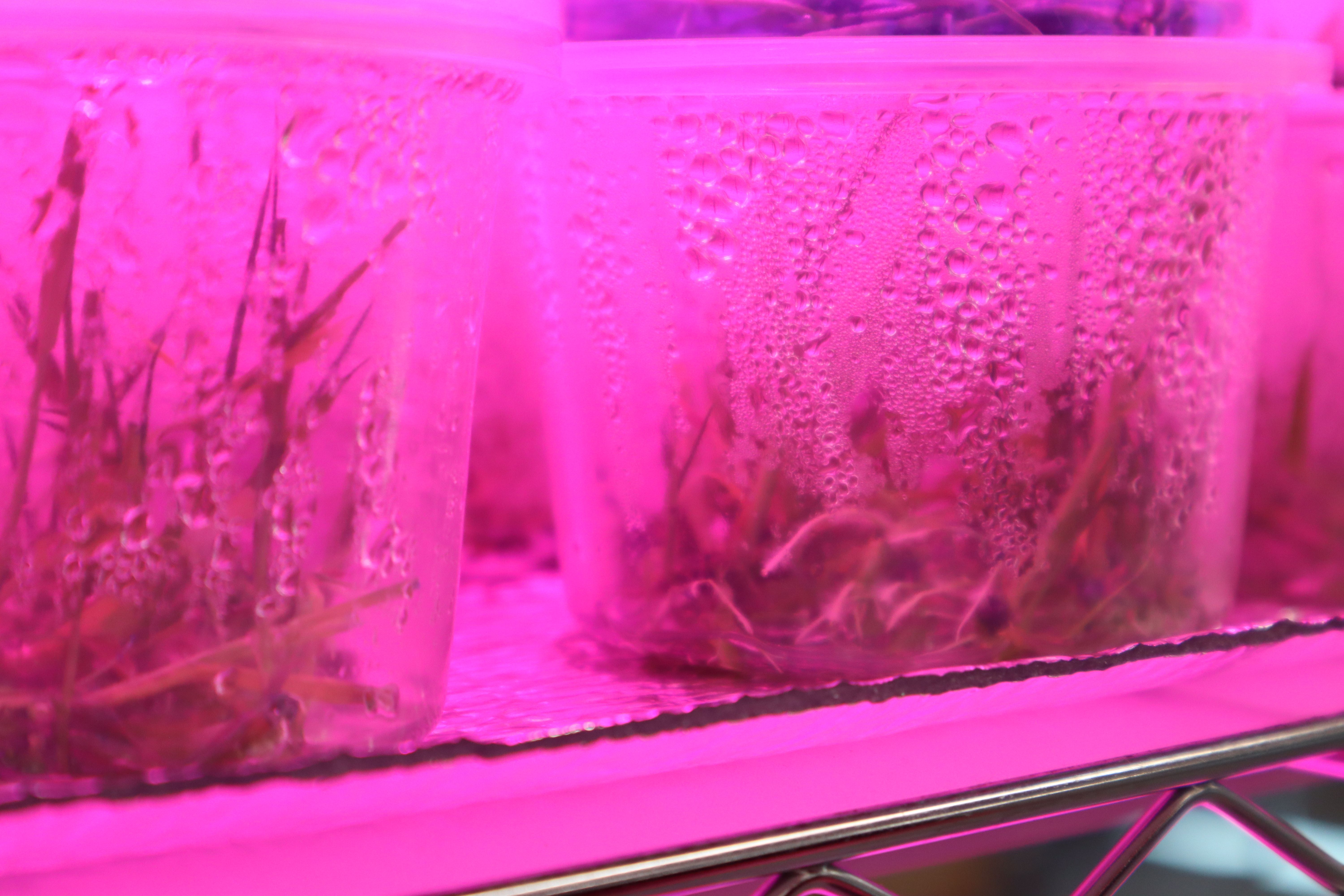
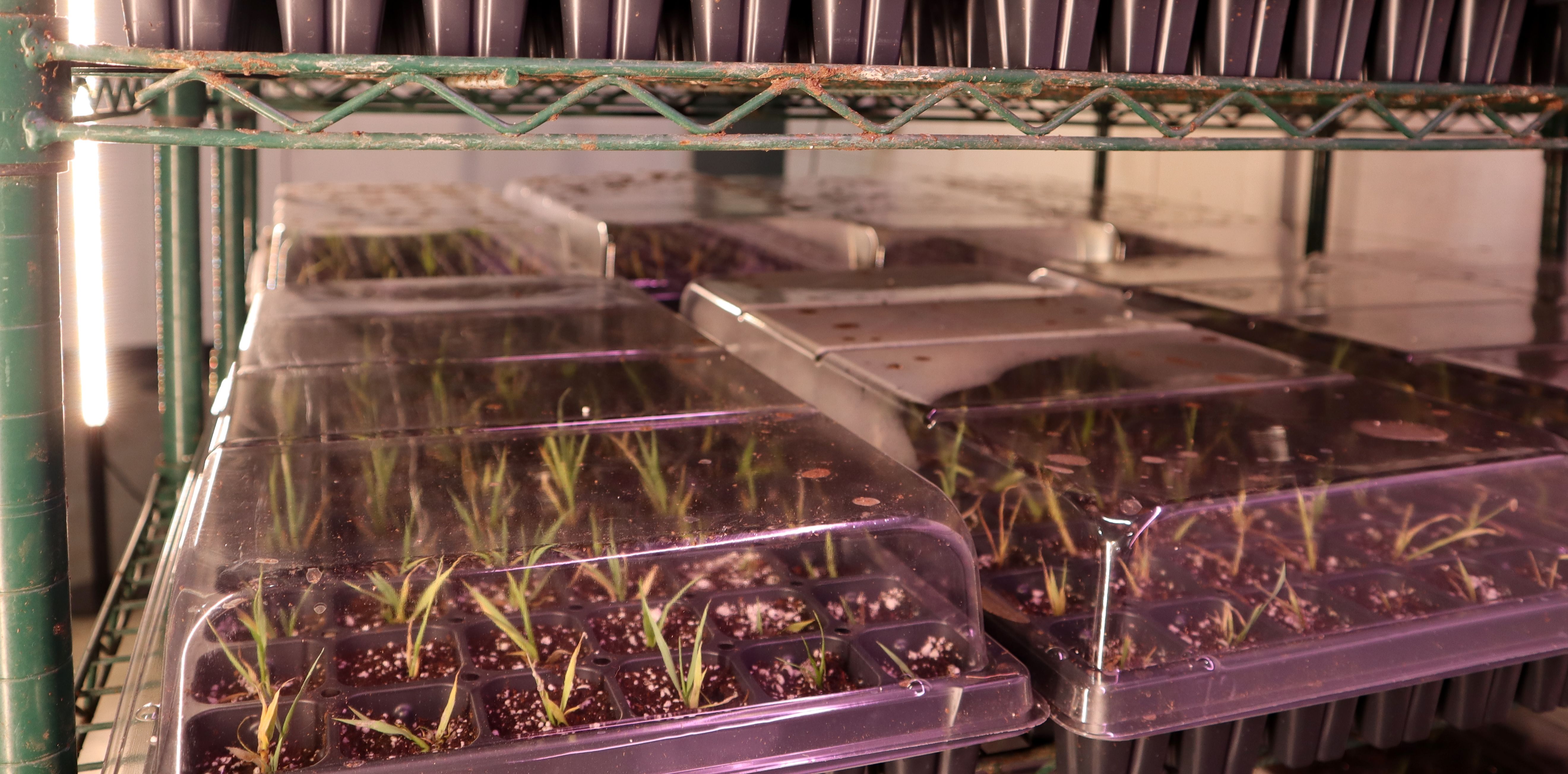
- Plantd's panels are made instead with compressed cuttings of fast-growing grasses that the company clones at its headquarters in Oxford, North Carolina, about 30 miles northeast of Durham.
- The grass, whose exact species is proprietary — agriculture director Janel Ohletz calls it "biomass" — grows year-round into 20-foot-tall stalks that resemble sugarcane. It can be mowed down for harvest several times a year.
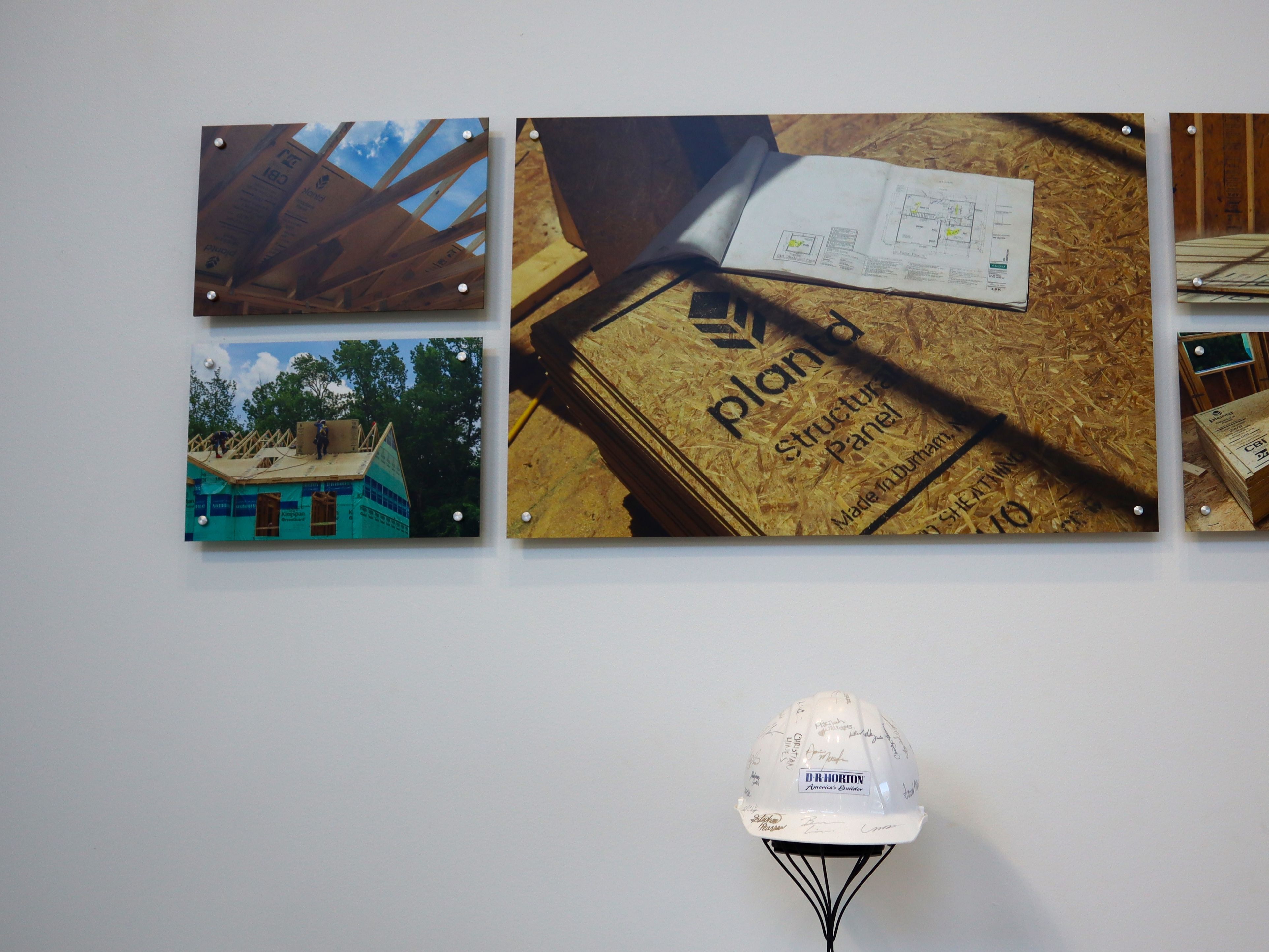
Zoom in: The boards are cut to the same dimensions as and are interchangeable with traditional OSB.
- "That's key, so that you can get mass adoption," Silvernail says. "It weighs the same, it looks the same. You put nails through it the same." He adds that Plantd's materials are stronger and warp less when exposed to moisture.
- "That's what won D.R. Horton over," he says.
- D.R. Horton, the largest U.S. homebuilder, is in a multiyear deal to purchase 10 million Plantd panels, enough to build 90,000 homes. That's more than the company reported selling in all of 2025. A housing development built entirely with Plantd materials is underway.
Flashback: Silvernail spent most of his engineering career in space travel, working on rockets at SpaceX for around a decade.
- He moved on because he felt they were not "necessarily solving a really large problem for humanity, for the Earth."
- He founded Plantd in 2021 with chief technology officer Huade Tan, another former SpaceX engineer, and Josh Dorfman, who guided early business strategy and now heads up marketing.
State of play: After securing USDA permission to grow an invasive species, the company picked North Carolina because it was the most "willing to try it out."
- Local farmers were receptive, too, especially those who lost money pivoting from tobacco to hemp. Hemp carried promise a decade ago, but it has extensive regulatory burdens and wound up being far less lucrative than most growers expected.
Between the lines: "A lot of people blame agriculture for a lot of the environmental degradation, and this is a way to be able to use it as a solution," says Ohletz, the plant scientist.
By the numbers: The Oxford-headquartered company has harvested more than 100 metric tons of grass since late fall and has raised $47.5 million in capital.
- That includes a new investment from North American building material supplier Amrize, the company first told Axios, to co-engineer more sustainable materials.
- More than two-thirds of Plantd's 70 employees are engineers or techs, Silvernail says.
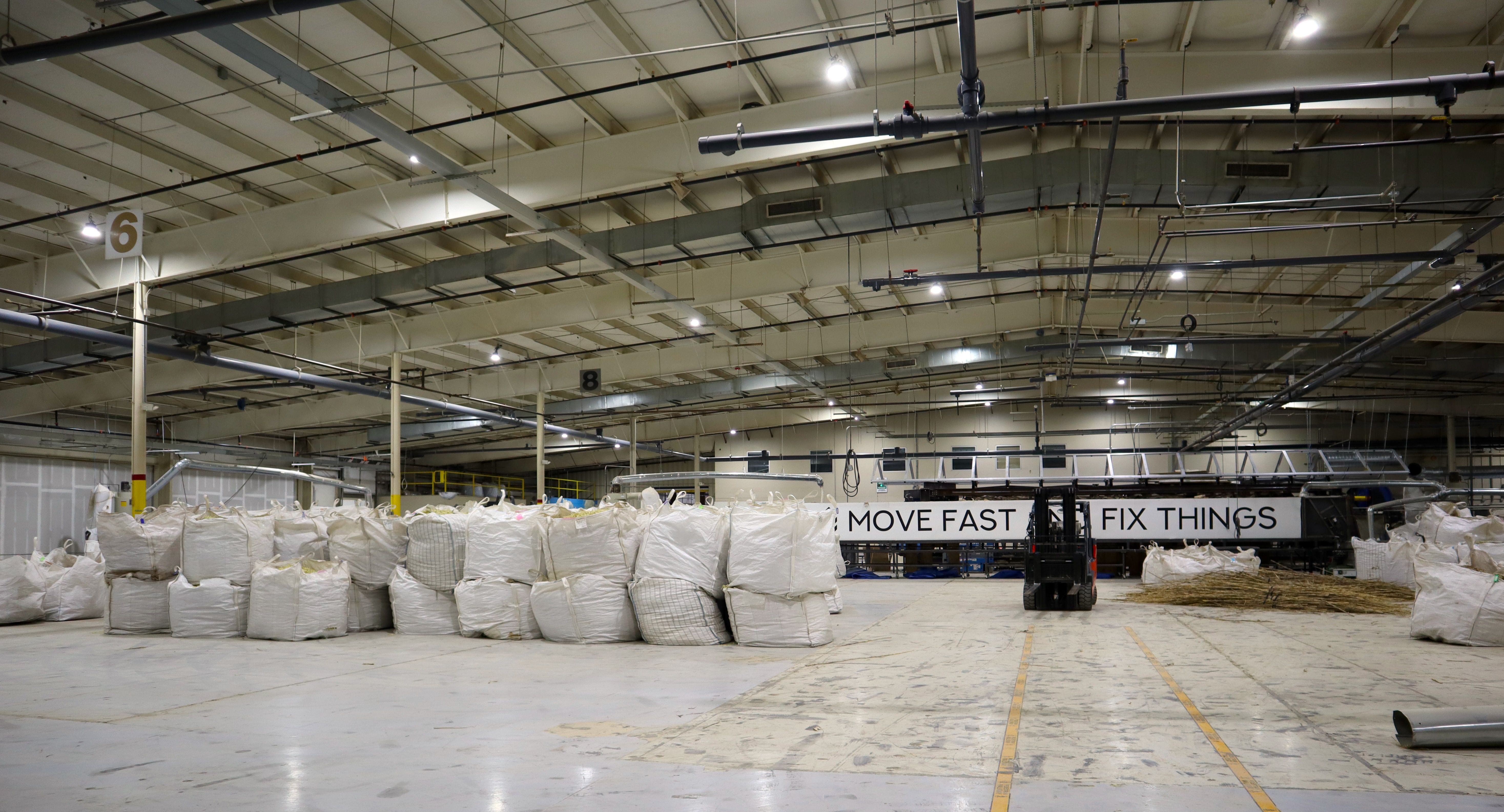
What's next: Standing up a new supply chain requires custom machinery — and also, in this case, farmland. Plantd is acquiring agricultural land in North Carolina and surrounding states to scale up operations.
- It's working to produce a wider range of products — including some designed for the furniture industry — and entering new international markets like Australia, where most timber products are imported.
Editor's note: This story was corrected to reflect that Oxford is 30 (not 45) miles northeast of Durham and that the 100 metric tons of grass were harvested since late fall (not over the past five years).