North Carolina farmers are in tariff limbo

Add Axios as your preferred source to
see more of our stories on Google.
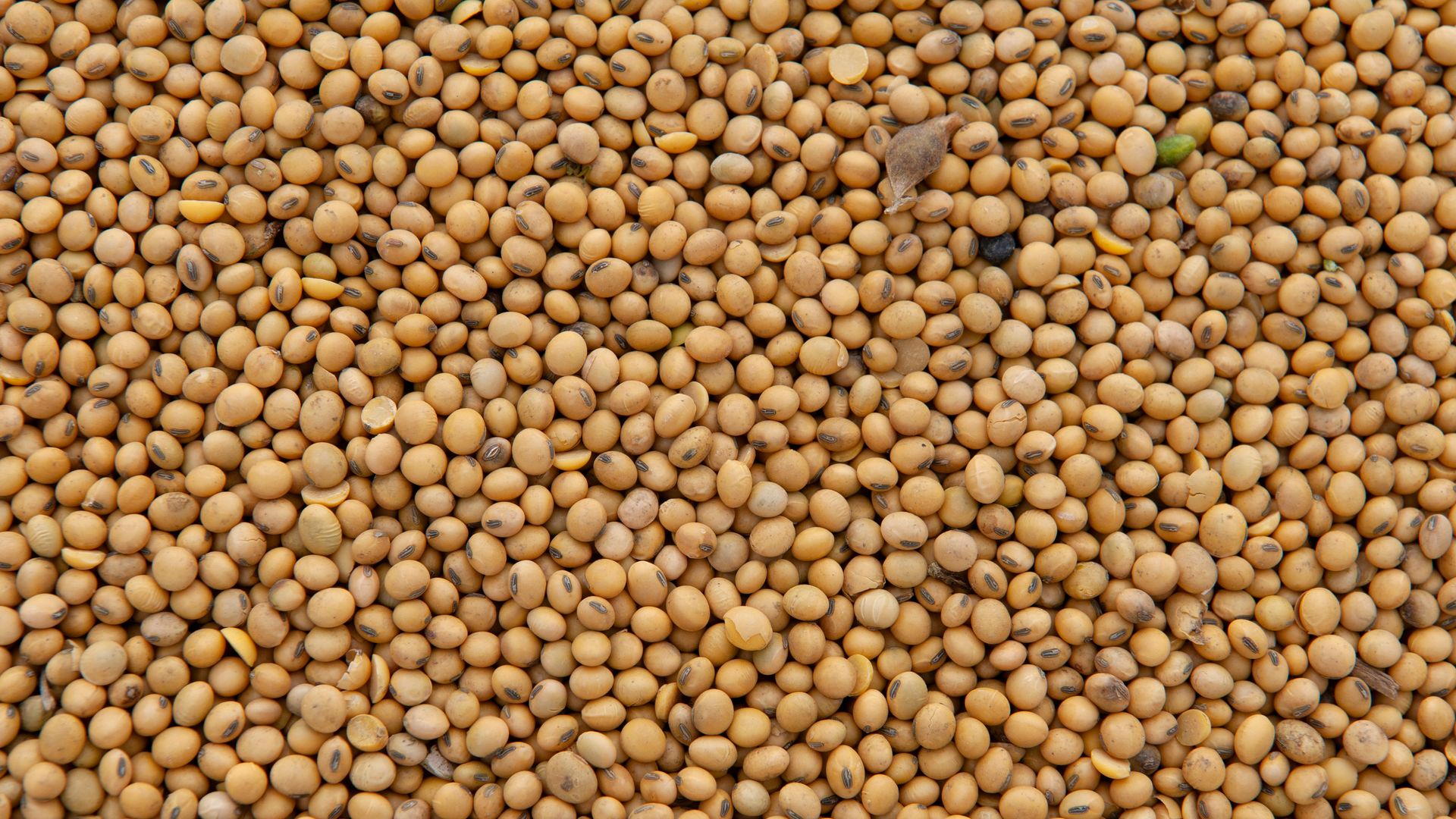
Harvested soybeans. Photo: Rory Doyle/Bloomberg via Getty Images
North Carolina farmers are grappling with renewed uncertainty after the U.S. Supreme Court struck down many of the Trump administration's sweeping global tariffs.
Why it matters: North Carolina farmers of soybean and corn, the state's two biggest crops by acreage, are stuck in a cost-price squeeze that has been elevated by tariffs, said Charles Hall, the executive director of the N.C. Soybean Producers Association.
- In other words, farmers are paying more for equipment and other inputs — in part because of tariffs — than they're earning from crop sales.
- "There's probably even less clarity now than there was before" on tariffs, Hall told Axios.
Driving the news: That's due in part to the Trump administration moving immediately to a different tactic to implement the tariffs it would like to see. This is likely to draw more litigation, Axios' Courtenay Brown writes.
- For its part, the N.C. Soybean Producers Association and its national counterpart are calling on the Trump administration to refrain from imposing tariffs on agricultural inputs such as fertilizer, equipment and pesticides.
What's happening: Hall said the costs of those key inputs, especially fertilizer, are making it more expensive to plant their key crops, and haven't come down since the pandemic.
- At the same time, prices for soybeans and corn have not tracked those input increases, making it unprofitable for many farmers.
- China's unpredictable buying of soybeans because of its trade disputes with the U.S. is keeping prices down, and experts are predicting a third year of losses for soybean farmers.
Zoom out: North Carolina paid out an estimated $3.5 billion in tariffs last year under the International Emergency Economic Powers Act, a previously untested law.
Context: In a good year, soybeans and corn generate more than $1 billion for North Carolina farmers. They also support other vital industries in the state, including pork and poultry.
The big picture: Rising prices are causing a "winnowing of farmers" in North Carolina every year, as farmers have to decide whether to plant or not, Hall said.
- Many of them, Hall said, aren't even able to make the choice themselves. Banks, he noted, won't lend to them, given the way prices are and the previous losses they might be carrying.
- "We're losing good farmers," he said. "It's a stressful period for them all."