A "de-extinction" startup wants to save North Carolina's red wolves from collapse

Add Axios as your preferred source to
see more of our stories on Google.
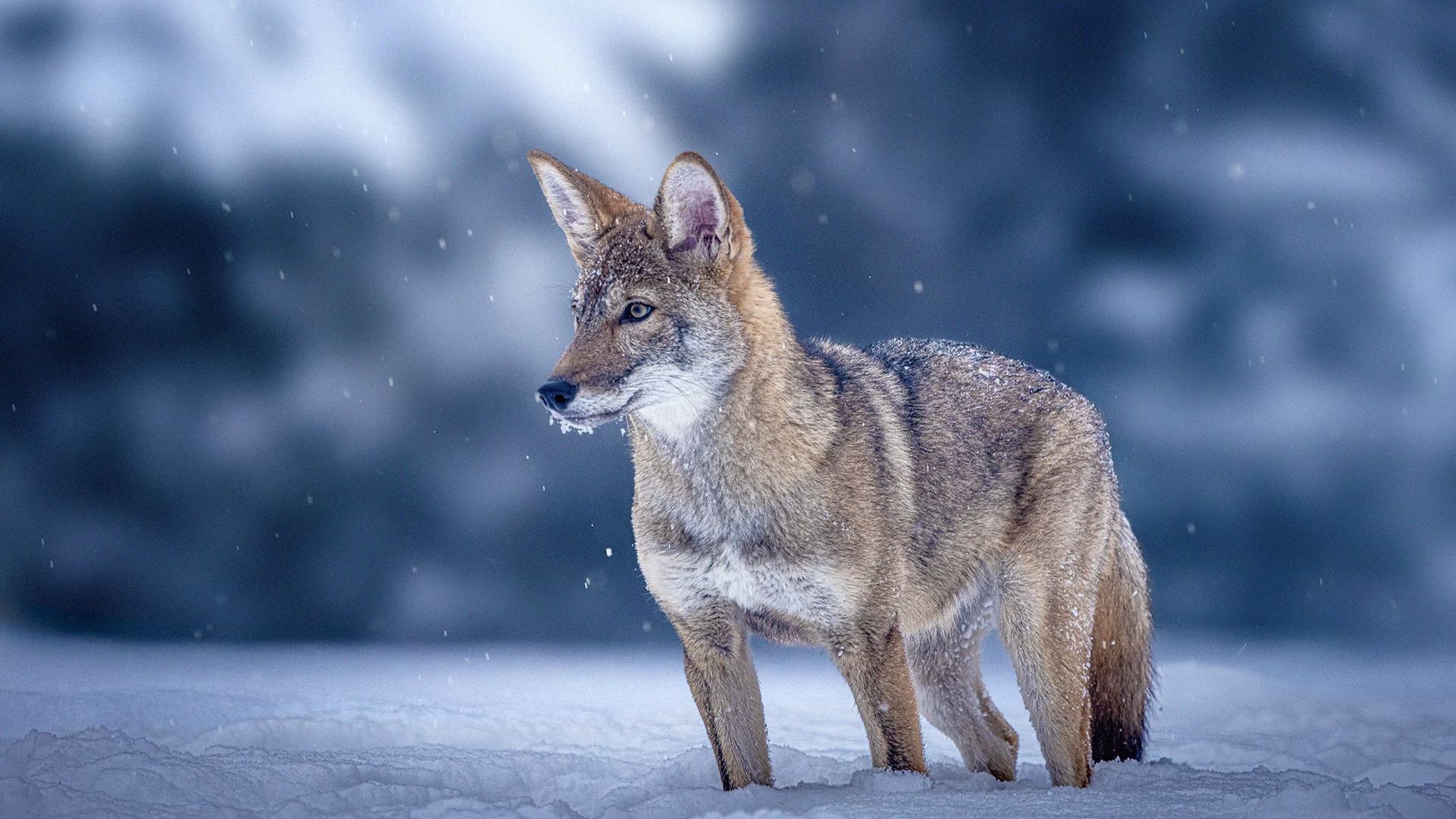
One of Colossal Bioscience's red wolves. Photo: Courtesy of Colossal Biosciences
Colossal Biosciences, a Texas company attempting to bring back extinct animals such as dire wolves and woolly mammoths, believes its technology could also help endangered species, including North Carolina's red wolves, from population collapse.
Why it matters: The red wolf, which once roamed most of the eastern and southern portions of the U.S., is one of the world's most endangered wolves, according to the U.S. Fish and Wildlife Service.
- A little more than 200 red wolves live in captivity, but fewer than 20 exist in the wild — all in a rural five-county section of northeastern North Carolina.
- But their numbers continue to fall, with many being hit by cars or being shot.
Driving the news: This week, Colossal announced that it was able to revive the extinct dire wolf — or something similar to a dire wolf, given that some scientists disagree these should be called dire wolves — using ancient DNA and gene editing technology to implant edited embryos into surrogate dog mothers.
- While the dire wolves got most of the headlines, the company also revealed it had cloned four red wolf-coyote hybrids — taking out most of the coyote DNA along the way — that it believes could be key to helping the dwindling red wolf population.
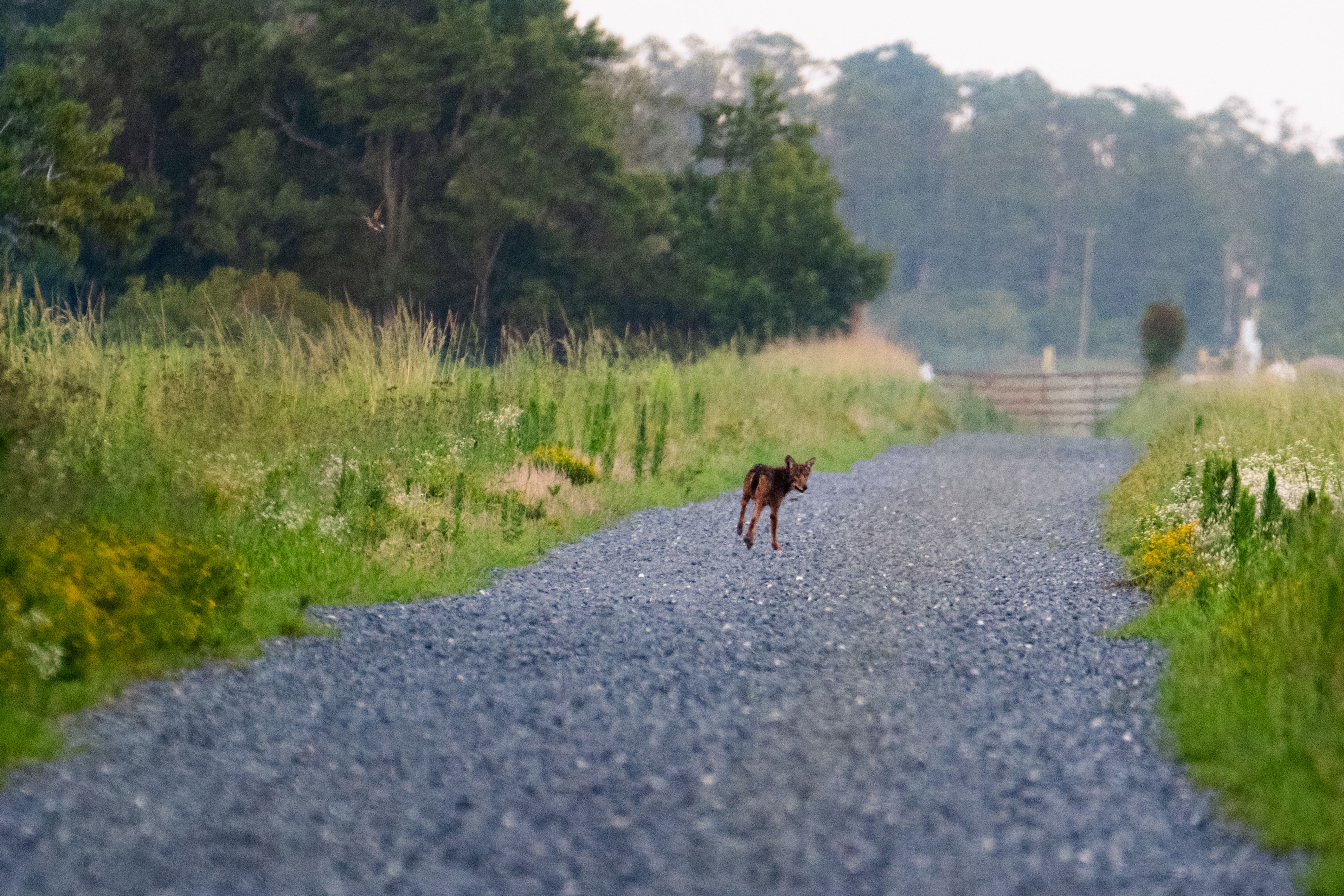
Zoom in: The company believes these clones — or future clones and offspring — could bring genetic diversity to the captive breeding population of red wolves.
- In 2023, the U.S. government settled a lawsuit to allow for the release of captive red wolves into the wild again after pausing the program in 2015.
Between the lines: The company hopes North Carolina could be one of its future partners — though Marshall Sandman, a Raleigh native and early investor in the company, said the company is still "steps" away from being ready to do that.
- Sandman, the managing partner of Animal Capital, a venture capital firm that has an office in Raleigh, told Axios he introduced the company to contacts in North Carolina government to see whether the company could work with the state on its red wolf conservation effort.
- Sandman added that Colossal is still several steps away from being ready to do that — but he said the company is considering opening an office in the Triangle.
What they're saying: The state's Department of Natural and Cultural Resources confirmed to Axios that it had met with the Colossal team but said it does not have a partnership with the company.
- "The department met with them as we do with many organizations related to issues and programming under our purview," Michele Walker, a spokeswoman for DNCR said in an email.
Still, Matt James, chief animal officer at Colossal, said in a statement that he was encouraged by meetings with the state.
- "The conservation and repopulation of the red wolf population have been a priority in our community since the 1960s, and we have a once-in-a-generation opportunity to make significant strides," James said. "We hope we can maintain this momentum and contribute directly to this initiative as soon as possible."