99 hospitals opt into N.C. medical debt relief program

Add Axios as your preferred source to
see more of our stories on Google.
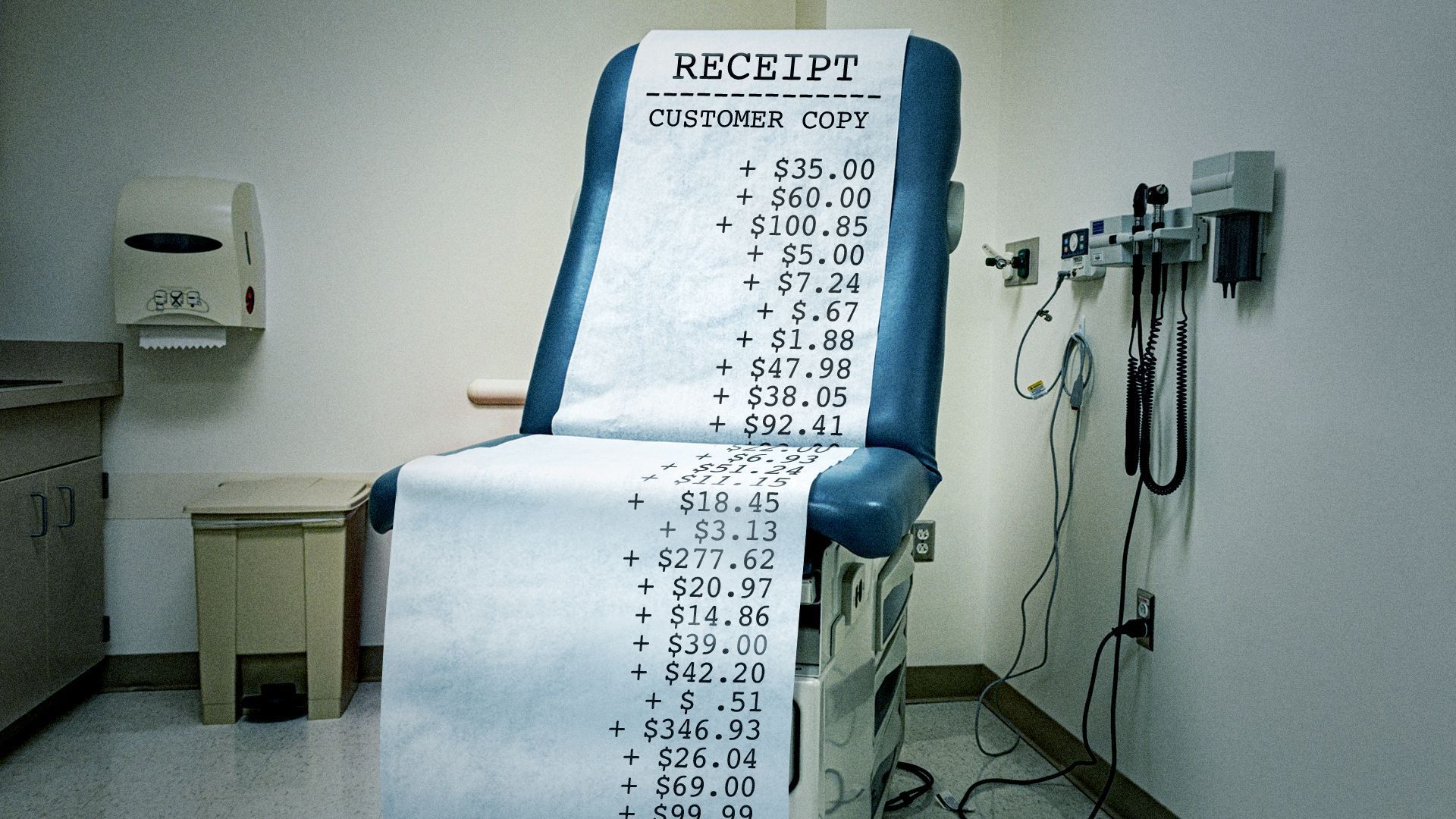
Illustration: Shoshana Gordon/Axios
All 99 of North Carolina's eligible hospitals have agreed to wipe $4 billion in medical debt and start automatically enrolling low-income patients in charity care. The agreement, announced Monday, is part of a first-in-the-nation plan spearheaded by Gov. Roy Cooper and state health department Sec. Kody Kinsley.
Why it matters: By July 1 of next year, acute care hospitals across the state must begin forgiving medical debt for an estimated 2 million low- and middle-income North Carolinians with eligible medical debt dating back to 2014.
- Also beginning next year, patients will no longer have to enroll in charity care during a medical crisis or as they're recovering from one.
- Some hospitals have already started forgiving debt for Medicaid recipients, Kinsley said in a press conference Monday.
- "Medical debt is not a choice, and it's monumental to have North Carolina hospitals committing to be part of eliminating medical debt for their patients," Cooper said in a release.
The big picture: North Carolina had the nation's third-highest percentage of patients with medical debt between 2019 and 2021, at around 13.4%.
- That's far higher than the national average of around 8.6%, per a study from the Peterson Center on Healthcare and KFF released in February.
- Medical debt is a leading cause of personal bankruptcy and a threat to public health.
How it works: Those eligible for relief dating back a decade will include:
- Non-Medicaid recipients who have debt deemed uncollectible and incomes below 350% of the federal poverty line or debt worth more than 5% of their annual income.
- Medicaid recipients.
Catch up quick: North Carolina asked the federal government to approve a proposal to provide hospitals with additional Medicaid dollars if they relieve existing debt and move to prevent some future medical debt, Kinsley and Cooper announced in July.
- The feds approved the plan late last month.
The latest: The next step was for hospitals to opt into the program to receive additional federal dollars.
- As of Monday, all 99 eligible hospitals had done so, a move that's projected to bring an estimated $4 billion in federal dollars into the state this fiscal year and $6.3 billion in the next year, per the state health department.
Going forward, hospitals will also need to:
- Discount medical bills on an income-based sliding scale for those with incomes below 300% of the federal poverty line, or $93,600 for a family of four.
- Implement a policy to automatically enroll patients in financial assistance, also known as charity care, rather than requiring patients to apply for assistance.
- Commit to not selling the medical debt of patients with income below 300% of the federal poverty line.
- Commit to not reporting certain patients' debt to credit reporting agencies.
- Cap interest rates on medical debt at 3%.
Editor's note: This story has been updated with further information from a press conference Monday.