Phoenix welcomes new NIH facility to downtown

Add Axios as your preferred source to
see more of our stories on Google.
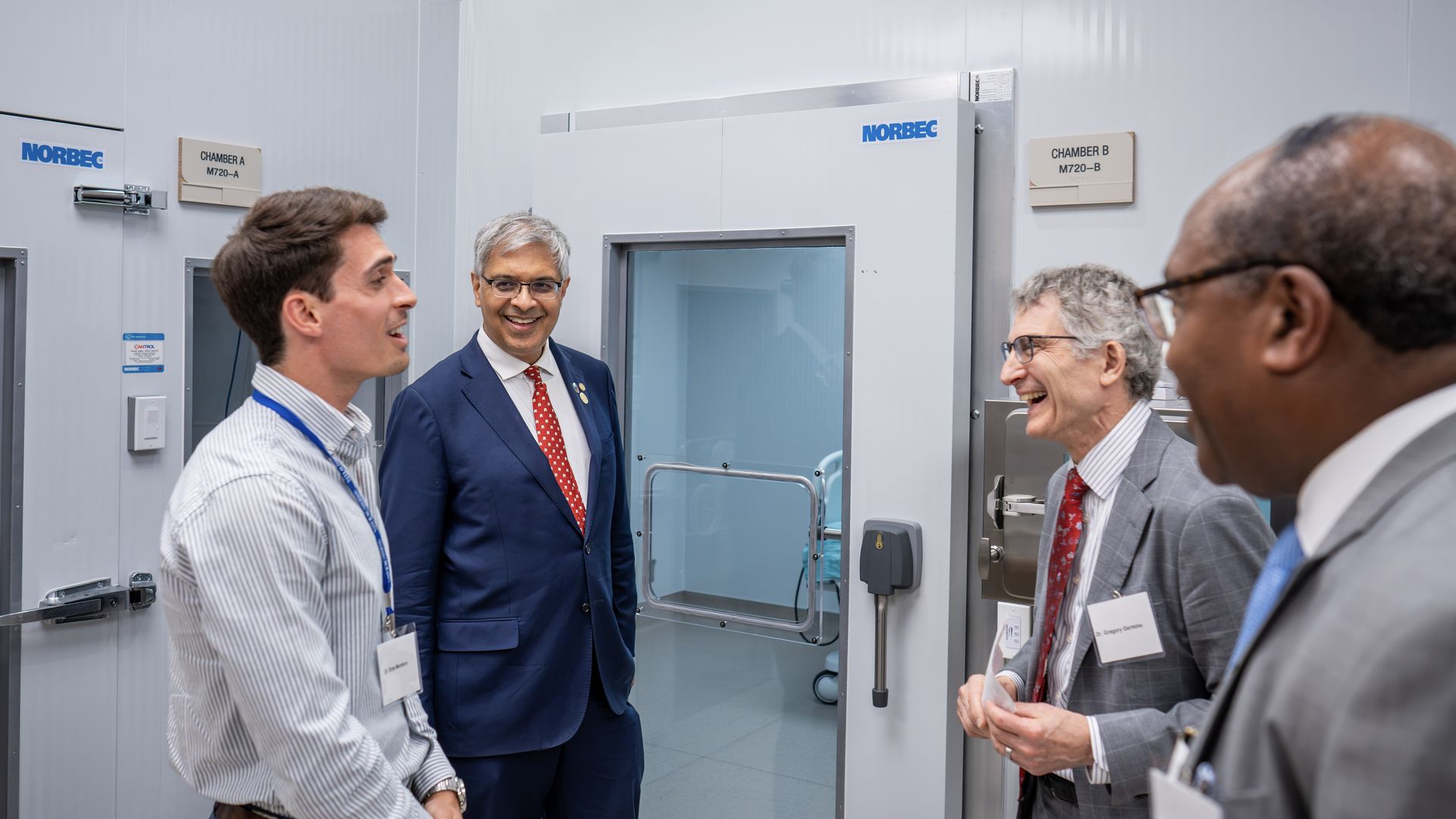
NIH Director Jay Bhattacharya and other officials tour the new metabolic chambers. Photo: Courtesy of the City of Phoenix
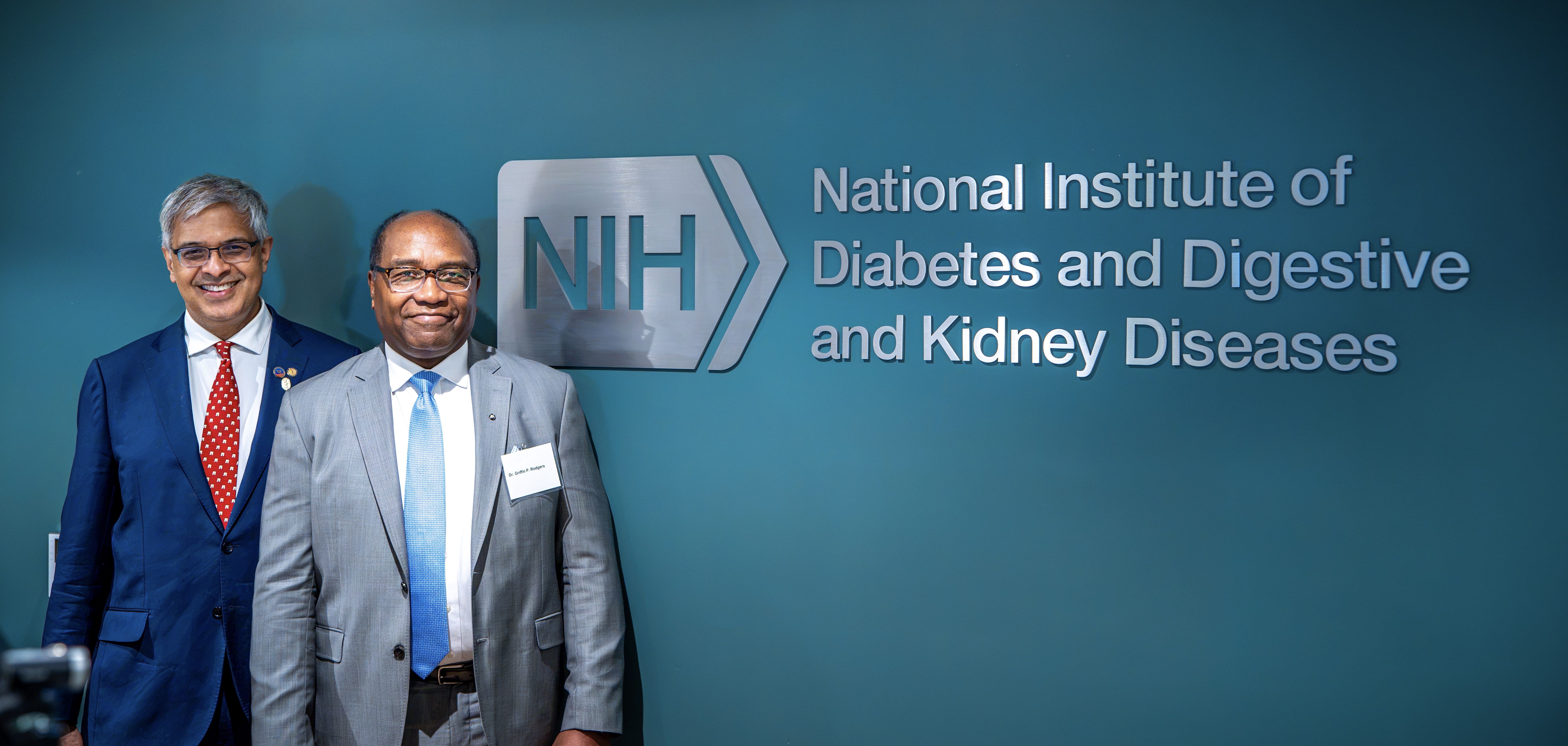
Phoenix's downtown bioscience core welcomed a new member on Friday, as the National Institutes of Health unveiled a new clinical research unit dedicated to the study of diabetes and other diseases.
Why it matters: In its new 35,000-square-foot facility, the National Institute of Diabetes and Digestive and Kidney Diseases (NIDDK) will work to advance our understanding of such conditions while also bringing more intellectual firepower to downtown Phoenix.
Catch up quick: Since 1965, NIDDK has worked with local communities in Phoenix — particularly the Gila River Indian Community — to conduct research on diabetes and other ailments.
- The branch's previous home at the Phoenix Indian Medical Center "isn't in very good shape," acting branch chief Leslie Baier tells Axios, so NIDDK started looking for a new home a few years ago.
Context: That home wound up being the seventh floor of the city's bioscience building at 850 N. Fifth St. in downtown Phoenix. The area has become a biomedical hub over the last two decades.
What they're saying: "Investments like this strengthen our economy, attract world-class talent and, most importantly, advance discoveries that can improve lives in Phoenix and around the world," said Phoenix City Councilmember Kevin Robinson in an emailed statement.
What's inside: The facility features four of what Baier calls "cutting-edge" metabolic chambers, which are sealed testing rooms that allow researchers "to study how our bodies use air, food and water under different conditions," according to the NIH.
- There are 11 "domiciles," where study participants stay overnight or even for days or weeks.
- Hallways, conference rooms and lounges are decorated with archival photos from the NIDDK and the Gila River Indian Community, as well as original artwork from local Indigenous artists.
Friction point: NIDDK first thought it would need to attach itself to another hospital or medical center because it would be housing overnight study volunteers.
- Former Phoenix branch director Clifton Bogardus tells Axios that NIDDK initially had trouble convincing the city that it wouldn't be housing sick people, which held up the ability to keep study participants overnight.
- "But once we convinced them we don't have sick people and everyone is able to leave the building on their own power, then it became possible," Bogardus says.
The latest: Staff moved into the new facility in January and NIDDK has conducted outpatient research for the last two months, though the facility is not yet open for inpatient research because it lacks enough staff to operate 24 hours a day.
- Baier says the branch "lost all our night nurses" back when "the government was doing the DOGE thing," and it's still trying to address that shortage.
What's next: Once fully operational, the new facility will allow NIDDK to further its research into several areas of inquiry, including research on overeating and a long-term study following women and children from pregnancy through the child's 18th birthday.
What we're watching: Whether the new NIH facility further attracts biomedical companies and facilities to downtown, and the extent to which NIH can collaborate with them.
- "Things need to be done differently now," Baier says. "We're no longer in a silo. We really need to integrate with what's around us here."
Editor’s note: This story has been updated to clarify why NIDDK initially thought it would need to attach itself to a hospital.