Zipline bringing autonomous drone deliveries to Phoenix area

Add Axios as your preferred source to
see more of our stories on Google.
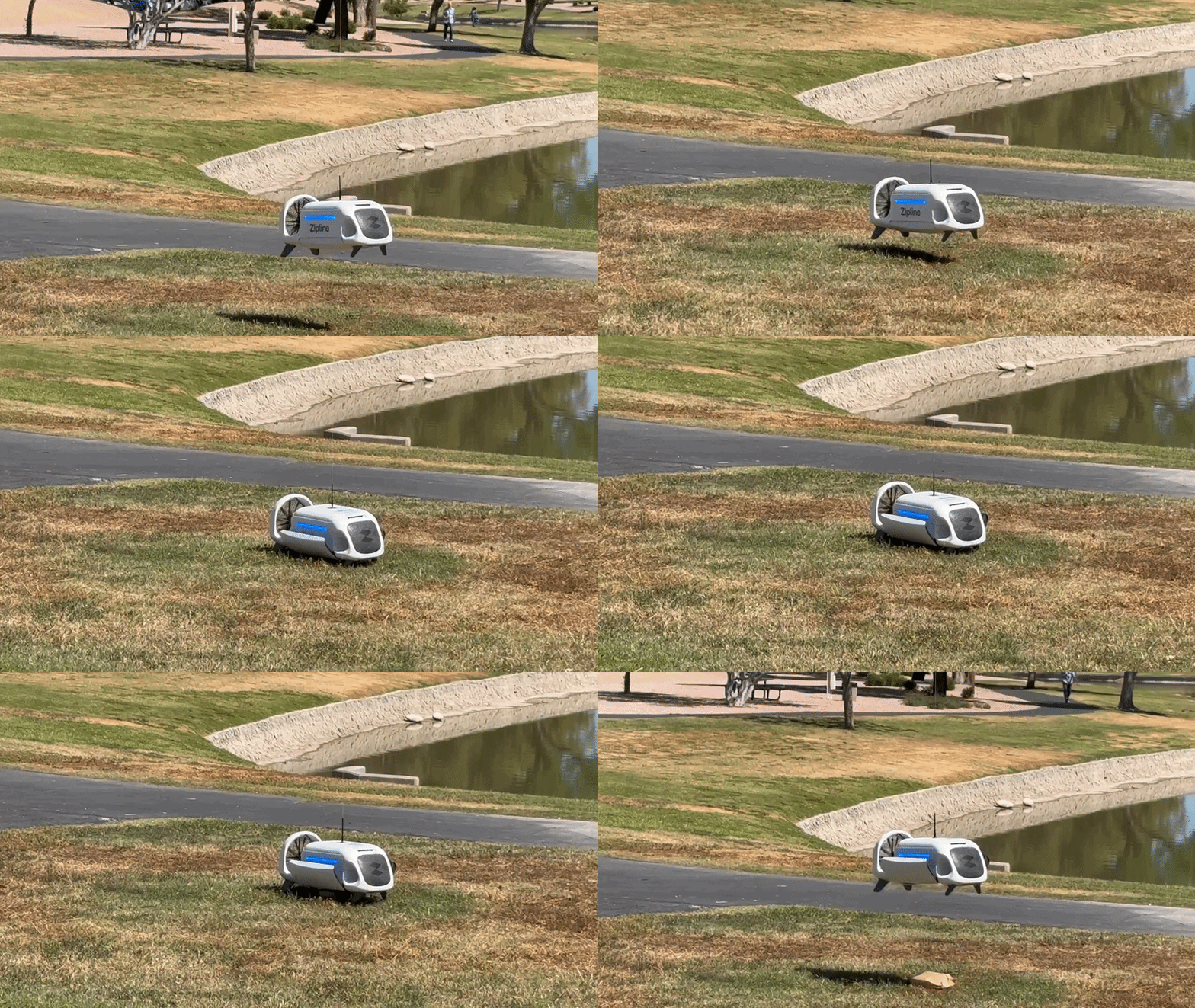
Later this year in the Valley, you'll be able to get dinner or a prescription delivered via autonomous drone, courtesy of San Francisco-area tech company Zipline.
Why it matters: The expansion of Zipline's service to Phoenix takes no-contact delivery to a whole new level.
- They can also provide deliveries to people for whom it's not safe to be out because of dangerous conditions or illness.
State of play: Zipline hopes to be operational in the Valley by the middle of the year.
- The company hosted a demonstration of its drone delivery at Arizona State University's Research Park on Wednesday.
- The company is working with the FAA and cities throughout the Phoenix metro area and hopes to operate Valleywide.
- Zipline plans to partner with various Phoenix-area businesses.
How it works: The autonomous drones hover about 300 feet in the air and use a cable to lower a container called a droid or "delivery zip," which carries the package, to the ground.
- Their range is up to 10 miles, though they won't necessarily go the full radius at first, Zipline spokesperson Zach Hill told Axios.
- Zipline drones currently carry deliveries of up to 5.5 pounds in Dallas, and could potentially transport up to 8 pounds in the Valley.
- The aircraft are based at docking and charging stations and can pick up deliveries from kiosks or "zipping points" at businesses.
Zoom out: Zipline is already operating in the Dallas area and northwest Arkansas, and is expanding to Houston this year.
- The company also delivers in Ghana, Rwanda, Nigeria, Kenya, Côte d'Ivoire and Japan.
The company has made 2.3 million drone deliveries globally with no incidents of property damage or human injury, Zipline's Shane Conley told reporters at Wednesday's demonstration.
- If problems arise, the drones can abort their missions and return to their docks. They're also monitored by pilots who can make those calls.
- As a last resort, they can deploy parachutes and float to the ground.
- Hovering at 300 feet and delivering via cable keeps the aircraft out of people's yards and reduces noise for people on the ground, Hill said.