Phoenix is slowly sinking, study finds


Add Axios as your preferred source to
see more of our stories on Google.
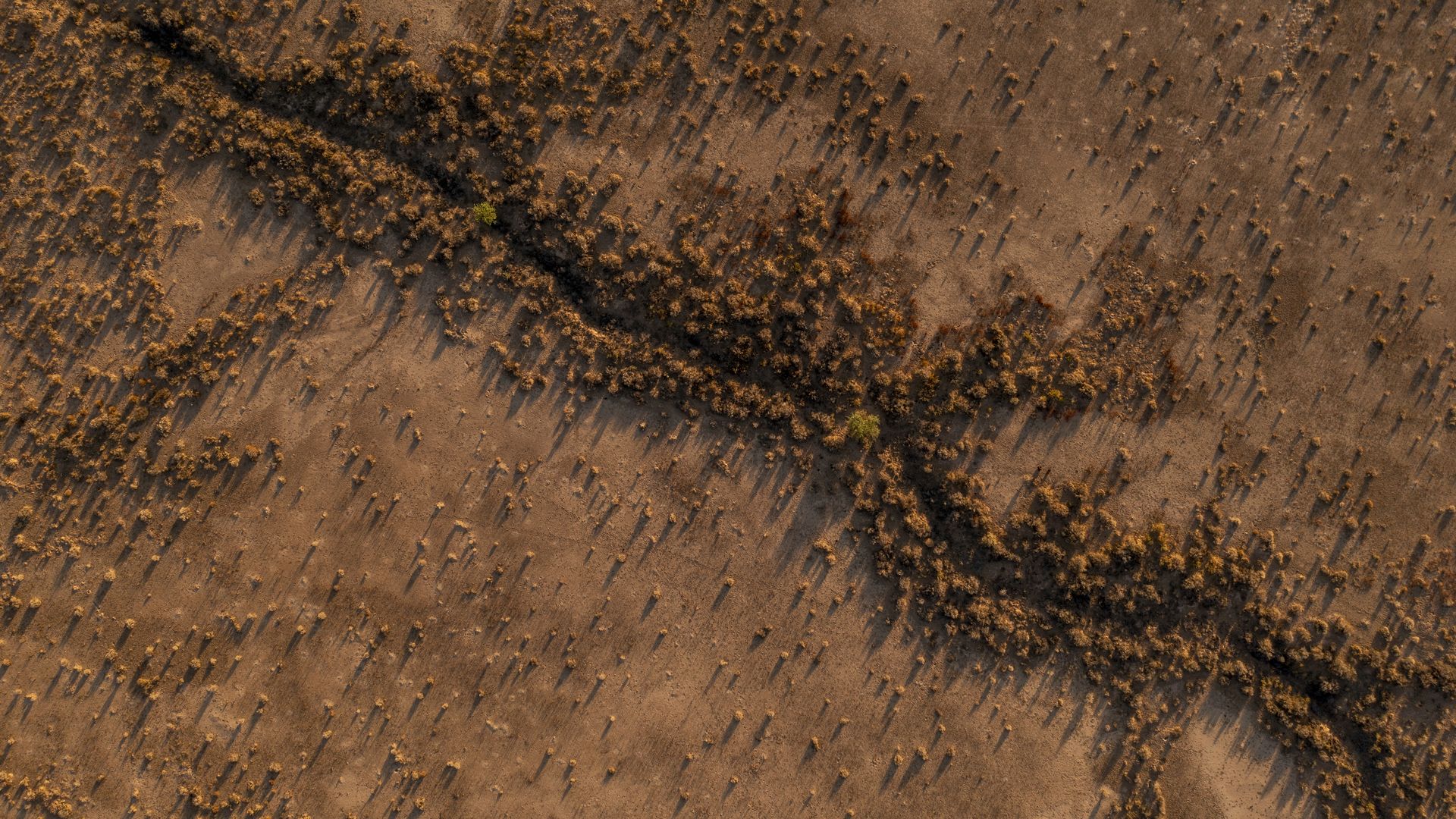
A fissure seen north of Kingman, Arizona. Photo: David McNew/Getty Images
Phoenix is sinking — millimeter by millimeter — leaving our infrastructure at risk of crumbling, a new study found.
Why it matters: Even modest levels of sinking can damage the structural integrity of roads, buildings, bridges and dams, researchers warned.
The big picture: While sinking (or land subsidence) is typically a concern associated with coastal cities that must also contend with rising sea levels, a new peer-reviewed study published in Nature last week found that 25 of the 28 most populous U.S. cities are subsiding.
- This affects more than 33 million people — over 10% of the U.S. population.
Threat level: Land subsidence can lead to fissures, or giant cracks in the Earth — sometimes a mile long and 10-plus feet deep — that pose significant danger to people and livestock.
- There are already several fissures in metro Phoenix, including one in Queen Creek that had been backfilled but reopened during a 2007 monsoon storm. A horse died after falling into the opening.
Zoom in: Phoenix is sinking about one millimeter per year, with some parts of the city falling into a "medium" risk category for infrastructure damage, per the analysis.
- That's much less than other major metros like New Orleans and Houston, but still a cause for concern.
State of play: Groundwater extraction is the primary cause of land subsidence nationwide and in Phoenix, according to the report.
- When water is removed from the ground, the pressure in aquifers decreases and can lead to surface-level sinking.
Flashback: In 1980, Arizona instituted groundwater management districts in Phoenix and other communities, enacting conservation rules that significantly reduced groundwater usage.
- Between the 1950s and 1990s, Phoenix's elevation dropped 18 feet — a far cry from the single millimeter loss we now see each year, the New York Times reported.
Yes, but: There's no way to undo subsidence caused by groundwater pumping, ASU geotechnical engineering professor Edward Kavazanjian told KJZZ last year.
- Some communities pump treated wastewater back into aquifers, which can halt settlement but won't reverse it, he said.
- Kavazanjian also warned that areas of the state that don't fall into a groundwater management district have few restrictions on pumping and are at higher risk of subsidence.
What's next: Researchers urge cities to factor subsidence into zoning, infrastructure upgrades and flood planning.
- They also call for long-term ground monitoring and public outreach to ensure communities are prepared for slow but damaging shifts.
The bottom line: "We need to start treating subsidence like the slow-moving disaster it is," researcher Manoochehr Shirzaei told New Scientist.