Why Phoenix scorpions are waking up earlier this year

Add Axios as your preferred source to
see more of our stories on Google.
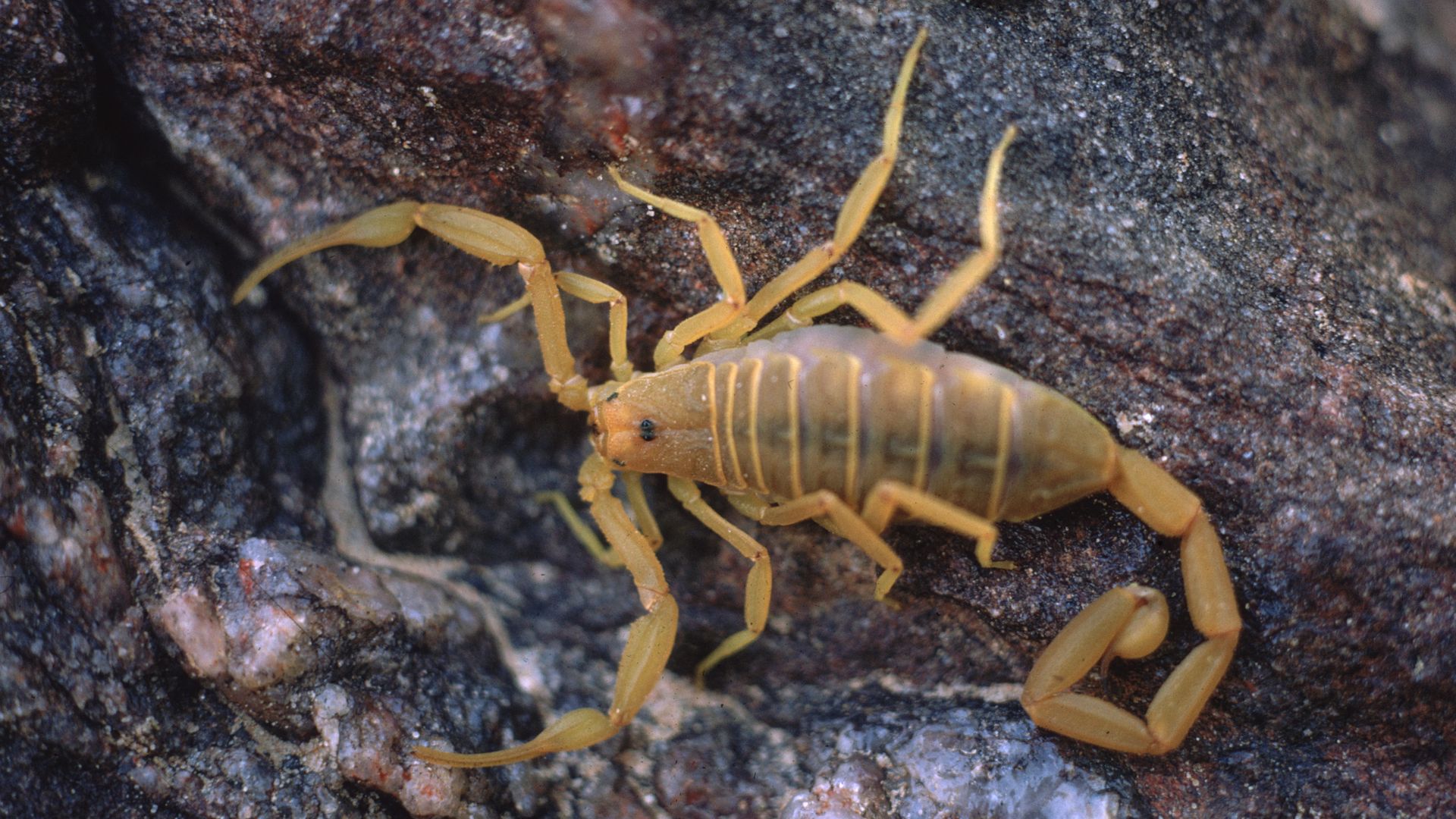
Scorpions are already awake in Phoenix. Photo: Ernst Haas/Getty Images
Valley scorpions are waking up from their winter slumbers earlier this year and wasting no time as they sneak into our homes.
Why it matters: Though scorpions won't seek human confrontation, the chance of accidental stings greatly increases if scorpions get indoors, Mike Boyle of Burns Pest Elimination tells Axios.
- Stings are painful and can cause serious medical issues for children and older adults.
- Symptoms include breathing issues, nausea and vomiting, and high blood pressure. In rare cases, scorpion stings can be life-threatening.
Driving the news: Boyle said his company received about a half dozen scorpion calls in January and about 20 in February.
- Those calls typically don't come in until mid-April, he said.
State of play: We can thank the warm weather for the scorpions' early arrival, Boyle told Axios.
- When soil temperatures drop below 67℉, scorpions enter a state of dormancy called diapause, which typically continues through late spring.
- But with temperatures warming earlier (we almost hit 90℉ this week), scorpions have been triggered to wake up.
Threat level: These newly awakened critters are hungry, and they're following their prey (crickets and other insects) to moisture.
- With hardly any rainfall this winter, the allure of damp towels and other human-created puddles is bringing them inside, Boyle said.
The intrigue: Scorpions can flatten their bodies to the width of a credit card, allowing them to easily squeeze through gaps beneath doors and windows, per Boyle.
- They also find gaps in stucco homes and climb into attics, at which point they roam until they come upon an opening (typically a light fixture) and drop into houses, he said.
Between the lines: There are two ways to prevent scorpions from getting inside, Boyle said.
- Physical barriers: Seal any slits near doors, windows and light fixtures to minimize scorpion access.
- Chemical barriers: Poison sprays can kill scorpions, though Boyle recommends consulting a professional. Scorpions walk on "tiptoes," so spraying the ground in hopes they'll crawl across it won't be enough to kill them. You need someone to find their hiding spots and hit them directly.
What we're watching: Now that scorpions are awake, they're also mating earlier. With a gestation period of seven to nine months, that could lead to a major summer surge of baby scorpions, which is already the busiest season for the pests, Michael Golleher of Seal Out Scorpions told 12 News last week.
The bottom line: "The good news is scorpions have no interest in us. They're terrified of us," Boyle said.
- Almost all stings are accidental and can be avoided by wearing shoes inside and keeping damp towels and other items off the ground.
- "If you follow those steps, you're never going to get stung," he said.