She lost $1 million gambling. More Pennsylvania women are seeking help

Add Axios as your preferred source to
see more of our stories on Google.

Photo: Joel Ryan/PA Images via Getty Images
Carla Brandoff has spent much of her career making deals. At the height of her gambling addiction, she was especially good at making them with herself.
- She could explain away almost every warning sign on the Gamblers Anonymous checklist — until she reached question No. 13.
"Did gambling make you careless of the welfare of yourself or your family?"
Why it matters: As online gambling has exploded in popularity, some experts fear the U.S. is flirting with another addiction epidemic rivaling those fueled by tobacco and opioids.
- One group getting lost in the conversation: women.
- And the financial toll can be severe. A recent Bloomberg Law analysis found that women accounted for about a quarter of last year's bankruptcy filings, which listed some of the country's biggest online sportsbooks as creditors.
The big picture: Brandoff — a Philadelphia resident and former Wall Street trader now working in real estate — underwent gambling treatment four years ago.
- She now spends one day a week listening to people calling into Pennsylvania's problem gambling hotline.
- Men call most often, but every once in a while, a woman is on the other end of the line.
- Brandoff knows many women suffer silently, hoping to have the same realization she did about the toll gambling was taking on her family.
"When they call me and they're, like, at the very bottom and, like, no, you don't know, then I'll share that," she tells Axios.
State of play: Last year, women made up 35% of online sports gamblers, up from 26% in 2022, per the American Gaming Association.
- Gambling rates among men and women are virtually the same. Some studies show women who start gambling later in life tend to progress more quickly toward problem gambling than men — a pattern known as a "telescoping effect."
- Yet, problem gambling research has focused more heavily on men, leaving researchers with less understanding of how to best help and reach women.
- Case in point: Women are mentioned only a handful of times in a Joint State Government Commission's 106-page report on sports betting.
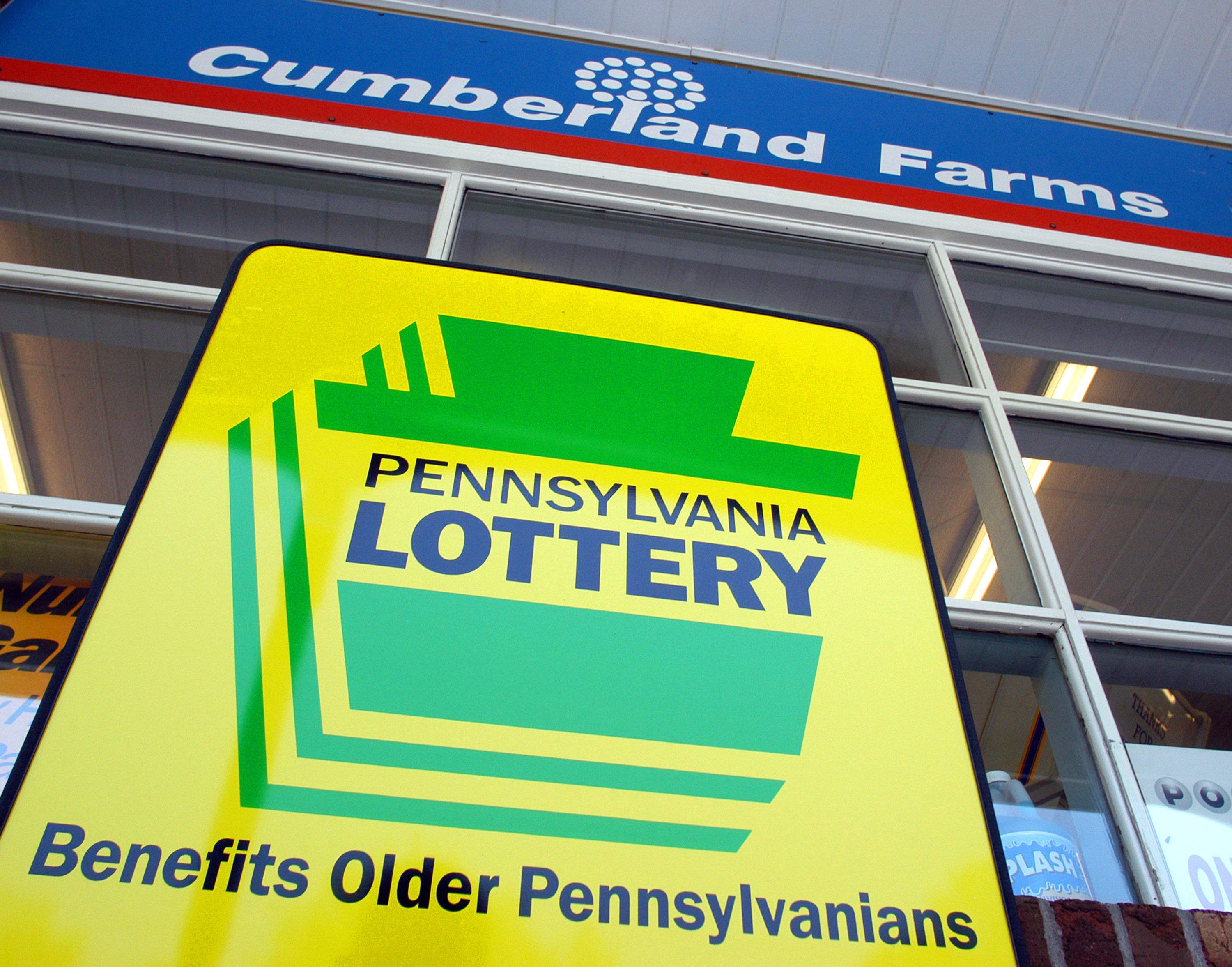
Zoom in: Among women dialing Pennsylvania's problem gambling hotline, calls were highest among those ages 45 to 54, according to data from the Council on Compulsive Gambling of Pennsylvania shared with Axios.
- More women now report struggling with online slots rather than casino slots, part of a broader shift toward online gambling, the council's executive director, Josh Ercole, tells Axios.
Between the lines: Therapists who treat gambling addiction say the profile of women seeking their help is changing.
- The longstanding stereotype of a female gambler is an older woman playing slots or bingo at a casino or buying lottery tickets.
- Jennifer Levitt, a Philly-area therapist specializing in gambling addiction, tells Axios she's increasingly treating career women, new moms and younger women who don't fit that mold.
- Women now constitute a third of her clients, up sharply from just a few years ago. Some are CEOs, lawyers or therapists.
- Levitt says some women also gravitate toward strategy-driven games such as poker and blackjack, counter to another stereotype: that women primarily prefer more "passive" forms of gambling.
"One thing I am seeing: late-night gambling, because that's the only 'me time' [they're] getting," Levitt says.
- "Once you pick up the phone, you dissociate, and all of a sudden at 1 or 2 o'clock in the morning ... you don't realize how much time" you've spent playing.
Zoom out: Gambling companies are also finding new ways to reach potential customers.
- Prediction markets, for example, let users wager on everything from words that'll appear in President Trump's speeches to when Travis Kelce and Taylor Swift would tie the knot.
- Ercole says prediction markets can draw in people by letting them wager on subjects they're already interested in.
Meanwhile: A recent lawsuit filed in Philadelphia against FanDuel and DraftKings alleges the sportsbooks encourage addicted gamblers to keep playing through microbets, promotions, push notifications and VIP perks.
- Among those perks was a personal video message from Phillies star Bryce Harper, who has said he wasn't aware how the video was used.
- Lawmakers have since called on baseball to ban players from having marketing deals with sportsbooks that they say are engaged in "predatory promotion."
- FanDuel and DraftKings have asked a judge to dismiss the lawsuit, arguing they have "no duty of care to protect customers from their own lawful wagering," per the Inquirer.

Online gambling "is not something that's going away," Ercole says. "It's not something that's getting better without intervention."
Flashback: Brandoff says treatment helped her recognize how her Wall Street career may have paved the way for her gambling addiction.
- She thrived in a high-pressure environment of big transactions and big money. One year in her late 20s, she earned $850,000.
- Brandoff believes the appetite for risk and action that served her professionally also made gambling appealing.
Yes, but: Brandoff didn't develop what she describes as a gambling addiction until her 30s.
- Shortly after the pandemic lockdowns, Brandoff left her job on Wall Street and says she spiraled, estimating she lost about $1 million over four years.
- Some weeks, she says, she stayed in her bedroom — unshowered and wearing the same clothes from the day before — trading stocks on one computer screen while playing blackjack on another.
When casinos reopened, she sometimes returned home at sunrise, hoping not to disturb her sleeping children, only to return to the blackjack table hours later.
- "The dealers would be like, 'Oh, you're back?' And I'd be like, 'Yeah, I'm back.'"
Flash forward: Sitting outside a West Philadelphia cafe, Brandoff goes through the same yellow Gamblers Anonymous pamphlet she once used to rationalize her behavior.
- Her demeanor changes as she reaches question No. 13.
- Even today, she says, that question hits harder than the $17,000 she once lost in a half-hour playing blackjack.
"I like seeing gray in everything," she admits. But when it comes to her family's suffering, she sees it black and white.
Catch up quick: A friend eventually booked Brandoff a flight to Prescott, Arizona, where she entered Algamus Recovery Services, which specializes in treating gambling addiction.
- Women make up about 20% of the center's clients, founder Rich Benson tells Axios.
- Benson believes family responsibilities can make it harder for some women to leave home for a five-week program.
Brandoff says she hasn't gambled since leaving the program in October 2022.
- She no longer trades stocks, doesn't buy raffle tickets and has someone manage her money.
"The whole cost was, like, plane tickets and all, $6,000," Brandoff says. "I would blow that in two nights. It was the best money I ever spent in my life."
The bottom line: Researchers and treatment providers say more study and outreach are needed to understand and address gambling addiction among women.
- "I know what it's like to look in the mirror and be like, 'I hope I get hit by a bus,'" says Brandoff, who will begin leading a Gamblers Anonymous meeting in West Philly in October. "Those were real thoughts that I had. And I don't have them anymore."