Why Pennsylvania is worried about the screwworm threat


Add Axios as your preferred source to
see more of our stories on Google.
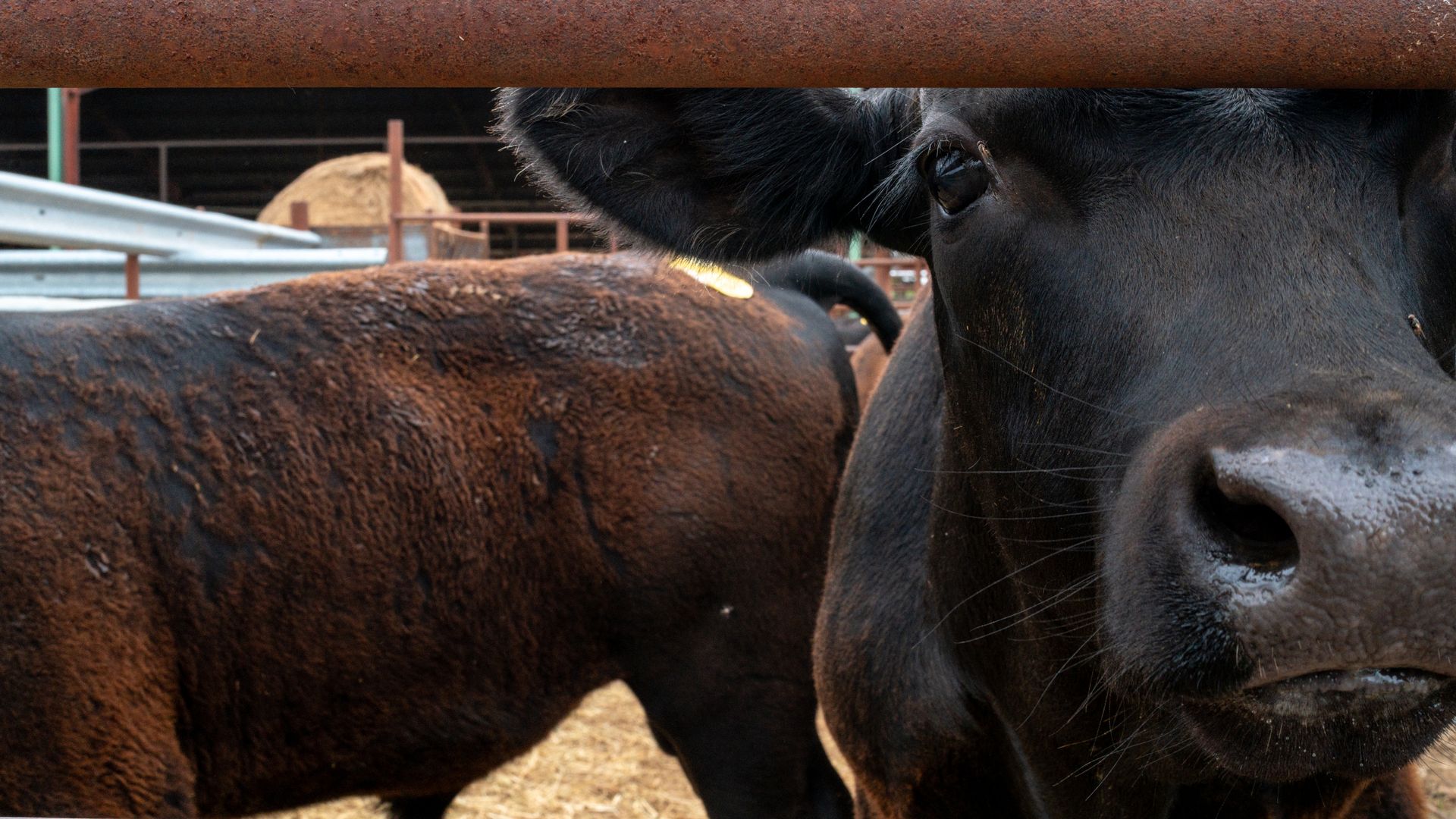
Cattle in a stable in Texas after the U.S. confirmed it had detected New World screwworm. Photo: Brandon Bell/Getty Images
The screwworm has arrived in the U.S., and Pennsylvania is taking steps to guard against a creeping invasion.
Why it matters: The parasite is threatening the nation's cattle, a $700 million industry in Pennsylvania.
The big picture: The Department of Agriculture is gearing up for a $1 billion+ fight against the screwworm, AP reports.
- It'll cost about $750 million to set up a plant to produce and release 300 million sterile male screwworms every week.
- This technique — in which the males mate with wild females, preventing reproduction — has long been the gold standard for eradicating the pest.
Driving the news: Pennsylvania has no confirmed cases of the screwworm, but has ordered a quarantine.
- It prohibits livestock and other susceptible animals from entering or staying in Pennsylvania from states affected by the screwworm.
- The quarantine, which took effect this month, is intended to protect the health of 1.6 million cattle throughout the state.
- The order requires veterinarians to examine animals under movement restrictions and confirm they're healthy.
Threat level: The first case of screwworm in the U.S. was detected in South Texas on June 3.
- There are now 12 confirmed cases in the U.S. — mostly in cattle — including 11 in Texas and one in New Mexico.
Between the lines: The outbreak comes with beef prices near record highs and the cattle herd at its lowest level in 75 years, depressed by a prolonged drought.
- "Given that this possible screwworm outbreak could lead to a larger supply shock on top of an existing supply shortage, prices could increase further," Brandon Parsons, an economist at Pepperdine Graziadio Business School, told CNBC this week.
Reality check: The screwworm's arrival in the U.S. hasn't measurably affected beef prices so far.
- But its spread in Mexico has reduced cattle imports and added to price pressures.
Zoom in: The arrival of the pest on U.S. soil comes a year after the USDA's Animal and Plant Health Inspection Service lost more than 2,100 employees — roughly 25% of its workforce — as part of the administration's sweeping federal workforce cuts.
- That's the agency that monitors and responds to threats like the screwworm.
- Before the first case was discovered, Texas Agriculture Commissioner Sid Miller called the federal response "slow" and "bureaucratic."
The backstory: For decades, the screwworms had been contained in Panama, but starting in 2023, cases began popping up farther north, until they crossed onto U.S. soil this month.