Parker's new tax plan hits short-term rentals harder than hotels

Add Axios as your preferred source to
see more of our stories on Google.
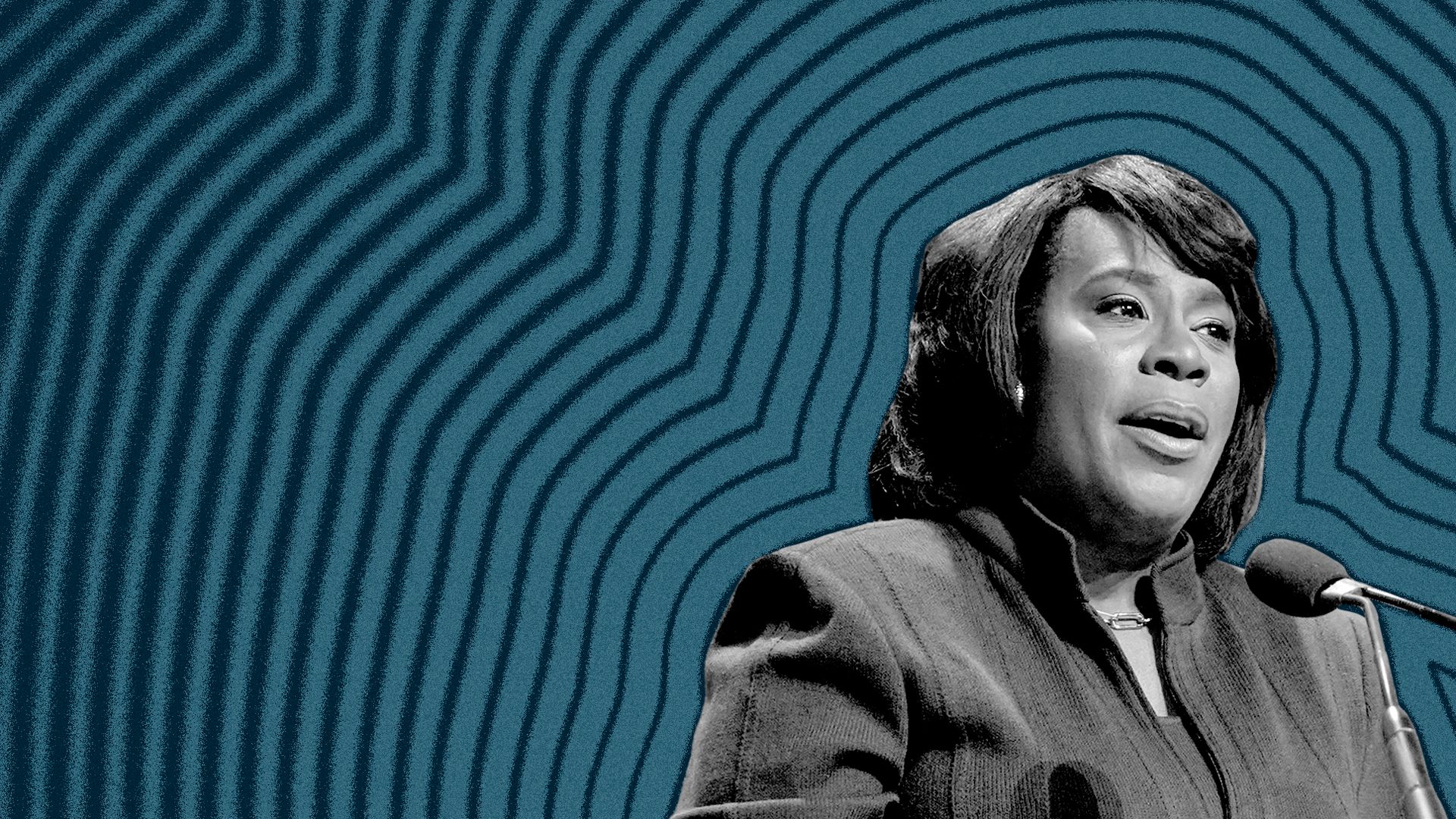
Photo illustration: Axios Visuals; Photo: Marla Aufmuth/Getty Images for Pennsylvania Conference for Women
Philadelphia short-term rentals would see a big tax hike under Mayor Cherelle Parker's new proposal to help pay for initiatives to reduce homelessness.
The big picture: Parker is increasingly targeting app-based companies to fund her city agenda.
- She's proposing new taxes on rideshare and retail delivery companies — think Uber, Amazon and Gopuff — to help address a looming school district deficit.
State of play: The new proposal would levy a 6-percentage-point tax increase on short-term rentals like Airbnb, the administration revealed Thursday.
- Under the plan, these rentals would face a 21.5% combined city and state tax — amounting to a roughly 40% increase compared with the existing tax (15.5%).
- The result: Short-term rental hosts and guests would pay more as the industry is already under strict regulations in the city.
Meanwhile, traditional hotels would see a 0.6-percentage-point tax increase under Parker's new plan.
Worth noting: The increased taxes on short-term rentals and hotels would end after five years.
Context: It's a switch-up from the 2-percentage-point tax hike on hotels and short-term rentals that Parker originally proposed in her $7 billion budget.
- City Council will soon vote on the budget ahead of a July 1 deadline.
By the numbers: The Parker administration forecasts the new taxes would raise $15 million annually, which would pay for more shelter space, substance-use recovery services and other related programs.
What they're saying: A Parker spokesperson tells Axios in a statement that tech companies "have an obligation to the city and its taxpayers to pay their fair share."
- The spokesperson adds that the new tax proposal was negotiated with the hotel industry.
Michael Blaustein, Airbnb's policy lead in the region, calls the new tax proposal a "hotel handout" from the mayor.
- "This tax is nothing more than an attack on everyday homeowners disguised as policy — all the while leaving critical tax revenue on the table by not taxing big hotels at the same rate," Blaustein tells Axios in a statement.
Ed Grose, executive director of the Greater Philadelphia Hotel Association, tells Axios that the new tax plan is not a carve-out for hotels.
- Hotels, Grose says, face significantly higher costs to operate than short-term rentals — like hiring staff and paying the wage tax.
- Hotels also help attract big-ticket events to the city, which he says ultimately benefits the short-term rental industry.
Reality check: The plan's fate is out of Parker's hands.
- Beyond City Council's approval, state lawmakers must also sign off — a likely tall order in a Republican-controlled Senate that has a long history of balking at Philly's tax proposals.