Trump's executive orders stoke calls for action in Philadelphia

Add Axios as your preferred source to
see more of our stories on Google.
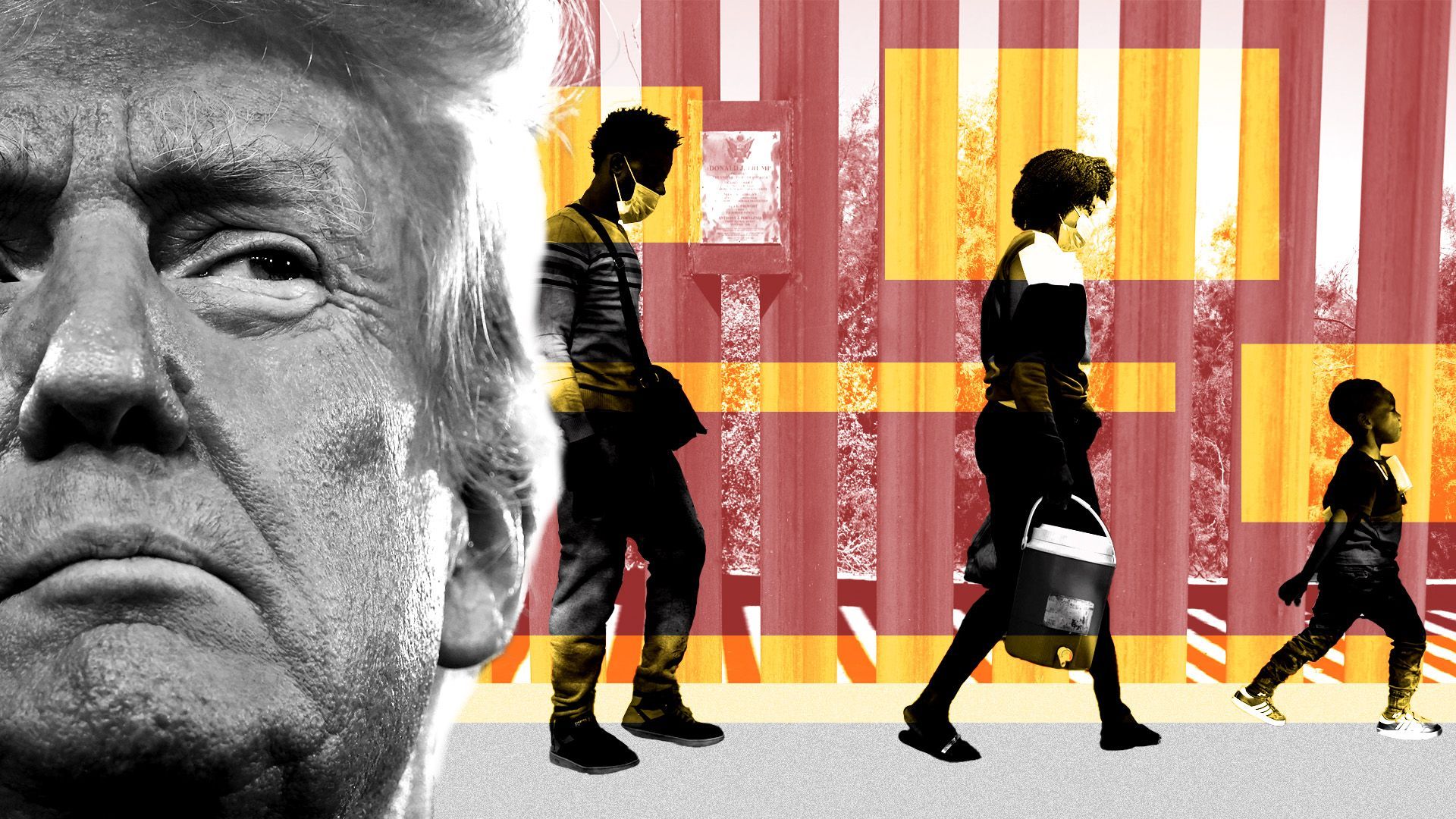
Photo illustration: Sarah Grillo/Axios. Photos: Patrick T. Fallon/AFP, Drew Angerer, and Daniel Cardenas/Anadolu Agency via Getty Images
President Trump is moving swiftly to restrict immigration and roll back protections for transgender people. Philadelphia councilmembers and advocacy groups want to know what the city is going to do about it.
The big picture: Mayor Cherelle Parker has affirmed Philly's status as a sanctuary city, but the administration has yet to say more about its approach. That's raised eyebrows from some city leaders and community members.
- "My biggest concern is our own preparedness, particularly given the lack of information we've heard coming from the administration regarding their approach to Trump," Councilmember Kendra Brooks said at a City Council hearing on Wednesday focusing on preparedness for potential Trump administration policies.
State of play: City solicitor Renee Garcia said at the hearing that her office is still assessing Trump's executive orders to understand which ones could apply to Philadelphia.
- "I cannot speak to what changes will be made ... but more information will be forthcoming at the appropriate time," Garcia said.
Several groups, including the city's public defenders, are calling on the city to expand protections and resources.
- The Defender Association of Philadelphia wants to create a new, 13-person immigration legal defense team.
- The office, which currently has two immigration attorneys and a specialist, told city lawmakers it would request an additional $800,000 during upcoming budget negotiations for the effort.
Threat level: The Justice Department has ordered federal prosecutors to probe local and state officials who they believe are interfering in Trump's immigration crackdown, the Associated Press reports.
- The agency is threatening criminal charges against those who don't cooperate.
Between the lines: Philly police do not enforce federal immigration law, per a 2023 city news release. And the city doesn't give U.S. Immigration and Customs Enforcement (ICE) access to city records of people in custody.
What they're saying: Philadelphia District Attorney Larry Krasner, a Democrat, said in a statement Wednesday that his office will "continue to uphold the U.S. Constitution and the rule of law."
- "Arrests and prosecutions are based on probable cause, not on whether you agree or disagree with a political position," Krasner said.
Krasner plans to deploy more legal strategies aimed at limiting Trump's reach and power in Philly, his deputy first assistant Robert Listenbee said during the hearing Wednesday. But Listenbee couldn't yet discuss those plans.
Zoom in: Steven Larin, deputy director of immigrant services group Nationalities Service Center, said during Wednesday's hearing that Trump's recent directive allowing immigration officials to raid schools and churches has stoked "growing fear" among Philly's undocumented immigrants.
- The organization was flooded with calls this week, including from parents concerned they're putting themselves at risk of being deported by simply dropping off their children at school, Larin said.
Meanwhile, members of Philly's LGBTQ+ communities told Axios they're worried about what's to come after Trump signed an executive order saying the federal government only recognizes two sexes, male and female.
- Drag performer AnDrea VanCleefe, aka Tiffany Thee Stallion Uma Mascara, fears a potential repeal of gender-affirming care could delay her timeline for fully transitioning by several years.
- "It seems like a pick-off game," the 24-year-old tells Axios. "Who's going to be the last one standing?"
- Drag performer Ebony Ali, 35, aka Icon Ebony-Fierce, worries Philadelphia could lose its identity as one of the "most accepting places on earth" if action isn't taken.
Councilmember Rue Landau, the chamber's first openly LGBTQ member who organized the hearing, says Philly must be prepared to fight "in the courts, on the streets and in our homes" to protect people "pushed to the edges of society."