Ranking: Economic diversity at Philly-area colleges

Add Axios as your preferred source to
see more of our stories on Google.
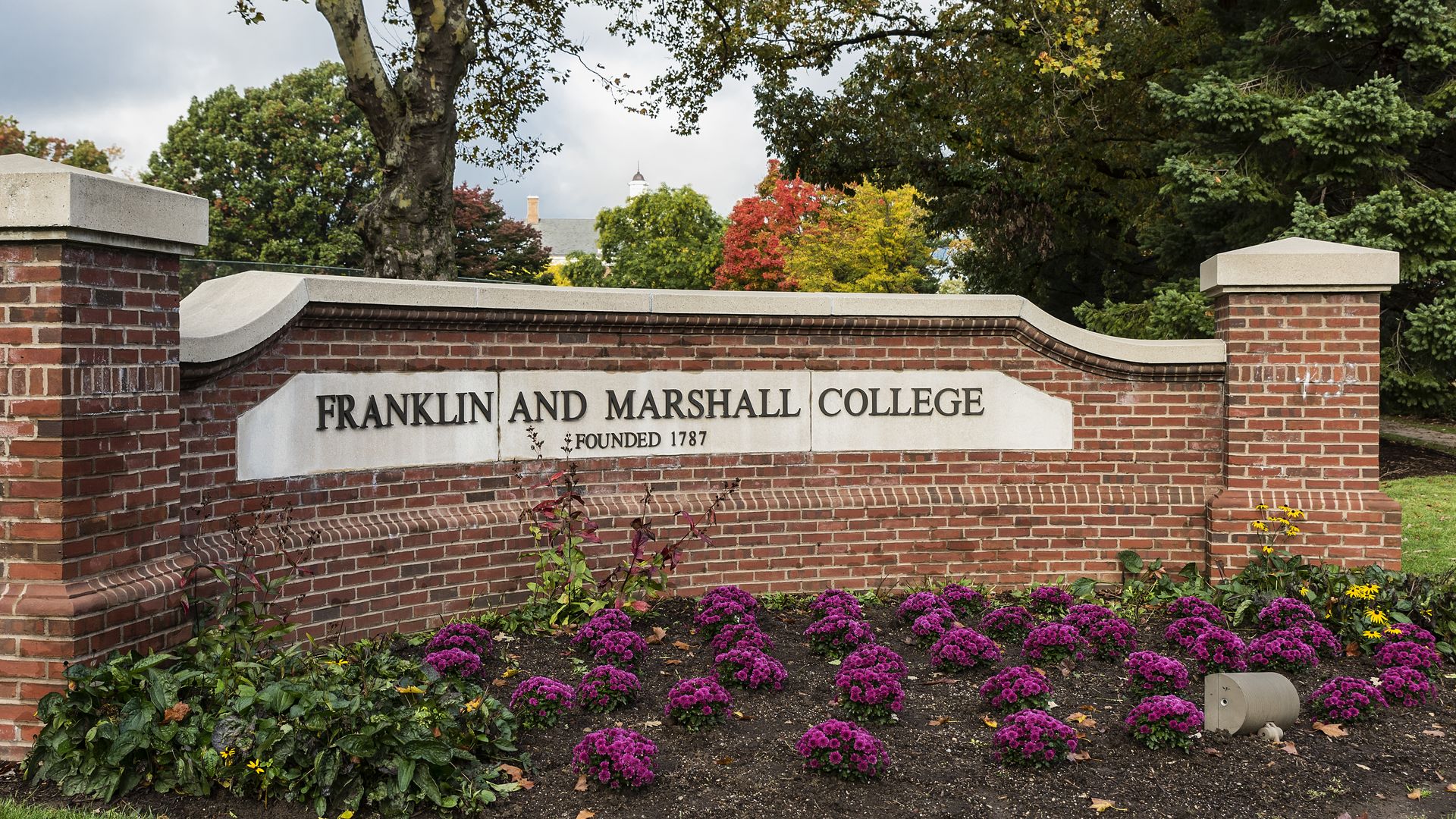
Photo: John Greim/LightRocket via Getty
Pennsylvania's most selective private and public colleges have an economic diversity problem.
- That's according to the latest College-Access Index, published by the New York Times.
Why it matters: Economic diversity is becoming a key metric for colleges to create racially diverse classes since the U.S. Supreme Court struck down race-based affirmative action this year.
How it works: The index measured the share of freshmen students receiving Pell Grants in 2020-21 at 286 of the nation's most selective U.S. colleges.
- Pell Grants are awarded to undergraduates with exceptional financial need.
What's happening: 18 Pennsylvania colleges were included in the index. None of them had a share of Pell recipients higher than 33%.
Here's how they ranked:
- #32: Allegheny College — 33%
- #71: Franklin & Marshall College — 25%
- Tied for #71: Susquehanna University — 25%
- #100: Swarthmore College — 22%
- #133: Gettysburg College — 20%
- Tied for #133: Dickinson College — 20%
- Tied for #133: Muhlenberg College — 20%
- #149: Lehigh University — 19%
- Tied for #149: University of Pennsylvania — 19%
- #166: Ursinus College — 18%
- #186: Bryn Mawr College — 17%
- Tied for #186: University of Pittsburgh — 17%
- #207: Haverford College — 16%
- #230: Carnegie Mellon University — 14%
- #248: Pennsylvania State University — 13%
- #257: Villanova University — 12%
- #271: Bucknell University — 10%
- Tied for #271: Lafayette College — 10%
The intrigue: Franklin & Marshall and Muhlenberg increased their economic diversity the most between 2011 and 2021 (+12%), while Haverford stayed flat.
- Bryn Mawr, Bucknell, Penn State and Ursinus all saw economic diversity decrease during that time.
Of note: Temple, Drexel, St. Joe's and Thomas Jefferson universities didn't make the index.