Libertarian candidate Jeff Wadlin runs for U.S. Senate

Add Axios as your preferred source to
see more of our stories on Google.
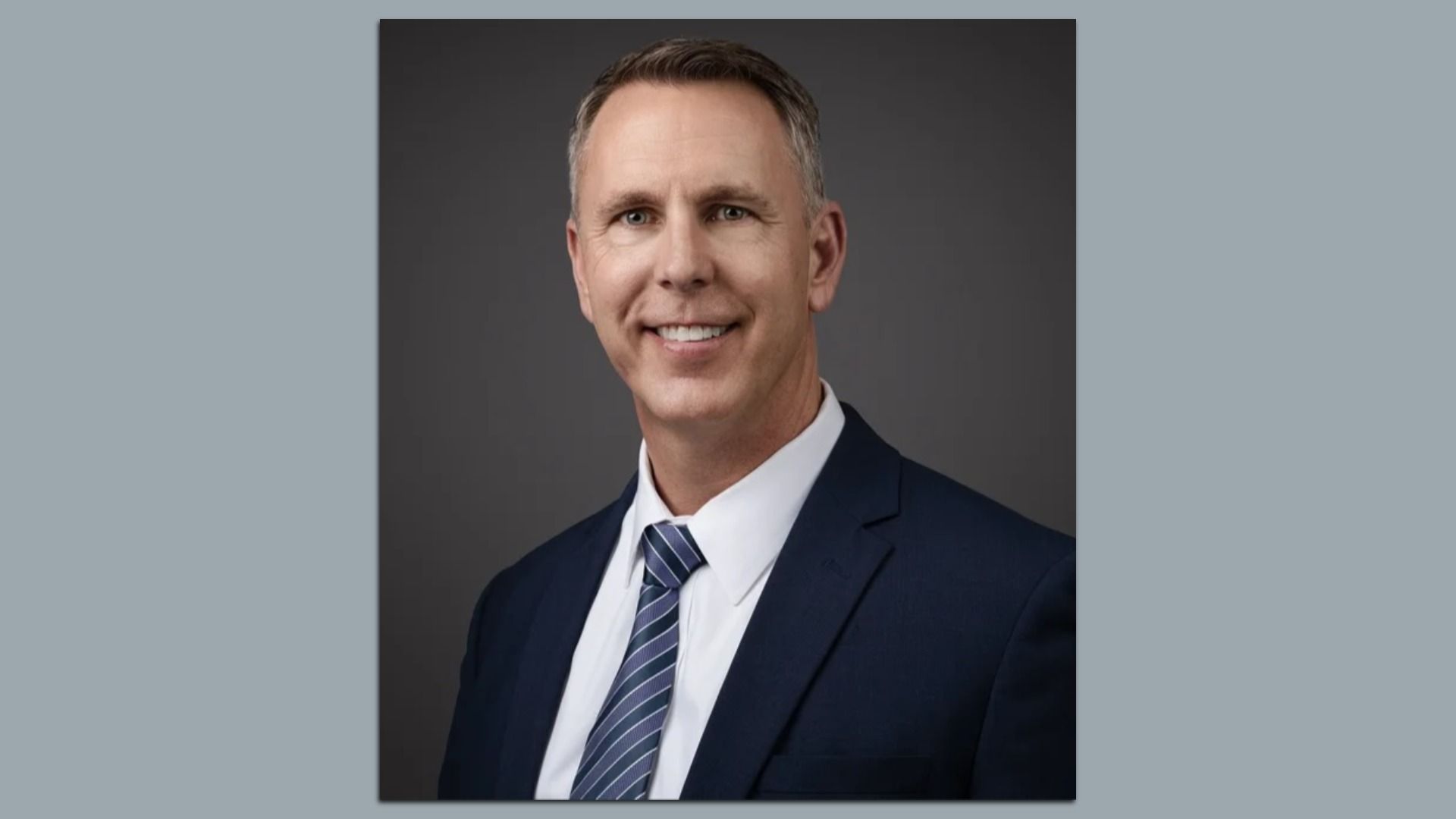
Libertarian candidate Jeff Wadlin. Photo: IVOS Photography
Libertarian Jeff Wadlin's pitch to voters is an "us" campaign for U.S. Senate, arguing affordability and stronger communities matter more than party loyalty or Washington's culture wars.
State of play: We sat down with Wadlin ahead of the election and asked why members of either party should send him to Congress.
The big picture: Wadlin is courting independents, pragmatic Democrats and Republicans dissatisfied with U.S. Sen. Tom Cotton, casting himself as a centrist rather than a Libertarian purist.
- "It's not us versus them; it's just us," Wadlin told Axios.
Context: Wadlin is an engineer with an MBA. He has worked at Caterpillar, Capital One and Sam's Club and now runs a strategy and marketing consulting firm in Bentonville.
Friction point: He supports balanced budgets and gun rights alongside universal health coverage, progressive taxation, gradual minimum-wage increases and tougher antitrust enforcement.
On the economy: Wadlin said that broad tariffs, the Iran war, federal borrowing and loose monetary policy have squeezed household budgets.
- He supports a balanced-budget amendment and stricter rules for the Federal Reserve, plus eliminating broad tariffs while preserving targeted tariffs against specific unfair trade practices.
- He wants federal, state and local leaders to assess communities' workforces, utilities and other assets, then recruit businesses, retirees and tourists. Smaller factories, tourism and retirement communities could help struggling towns diversify, he said.
On defense: Wadlin supports a military strong enough to deter attacks but says capability, not spending, should measure its strength.
- He credits Cotton with directing defense investment to Arkansas and says weapons might as well be built here if the country will produce them.
- Wadlin supports reducing unnecessary overseas bases, restoring Congress' war powers and prioritizing drones, cyber capabilities and lower-cost weapons.
On Iran: He opposes the war and criticized Cotton for helping lead opposition to the Iran nuclear agreement, which the U.S. withdrew from in 2018.
- Diplomacy, inspections, targeted sanctions and allied pressure should have been exhausted before military action, Wadlin said.
Agriculture: Wadlin opposes broad tariffs that increase input costs and invite retaliation against Arkansas exports.
- In his campaign platform, Wadlin write he supports "strong crop insurance and a durable Farm Bill" and that "repeated bailouts are evidence that the underlying system is failing."
- Wadlin also supports right-to-repair protections for farm equipment and stronger antitrust enforcement in the seed, fertilizer, equipment, meatpacking and processing industries.
Health care: Wadlin supports universal coverage through a public-private system, but not Medicare for All.
- He wants to cut health spending roughly in half while expanding coverage, but his campaign does not detail how it would achieve that.
- For rural Arkansas, he favors local clinics and telehealth for routine care, regional hospitals for advanced treatment and local facilities capable of stabilizing emergency patients.
- Wadlin supports "reasonable" Medicaid work requirements but says compliance should be verified automatically when possible to prevent paperwork-related coverage losses.
Immigration: Wadlin's platform calls for border enforcement, faster asylum decisions, more immigration judges, workplace verification and removing people who pose security risks or commit serious crimes.
- He also calls for due process, humane treatment and penalties for companies that knowingly employ undocumented workers.
AI: Wadlin wants independent oversight of AI developers and greater scrutiny of autonomous systems, and believes there should probably be policies keeping AI disconnected from critical systems such as nuclear silos or virus-research labs.
- He says local communities should decide whether to accept data centers and should not subsidize their power, water or infrastructure costs.
More from Axios: