National summit targets disaster gaps

Add Axios as your preferred source to
see more of our stories on Google.
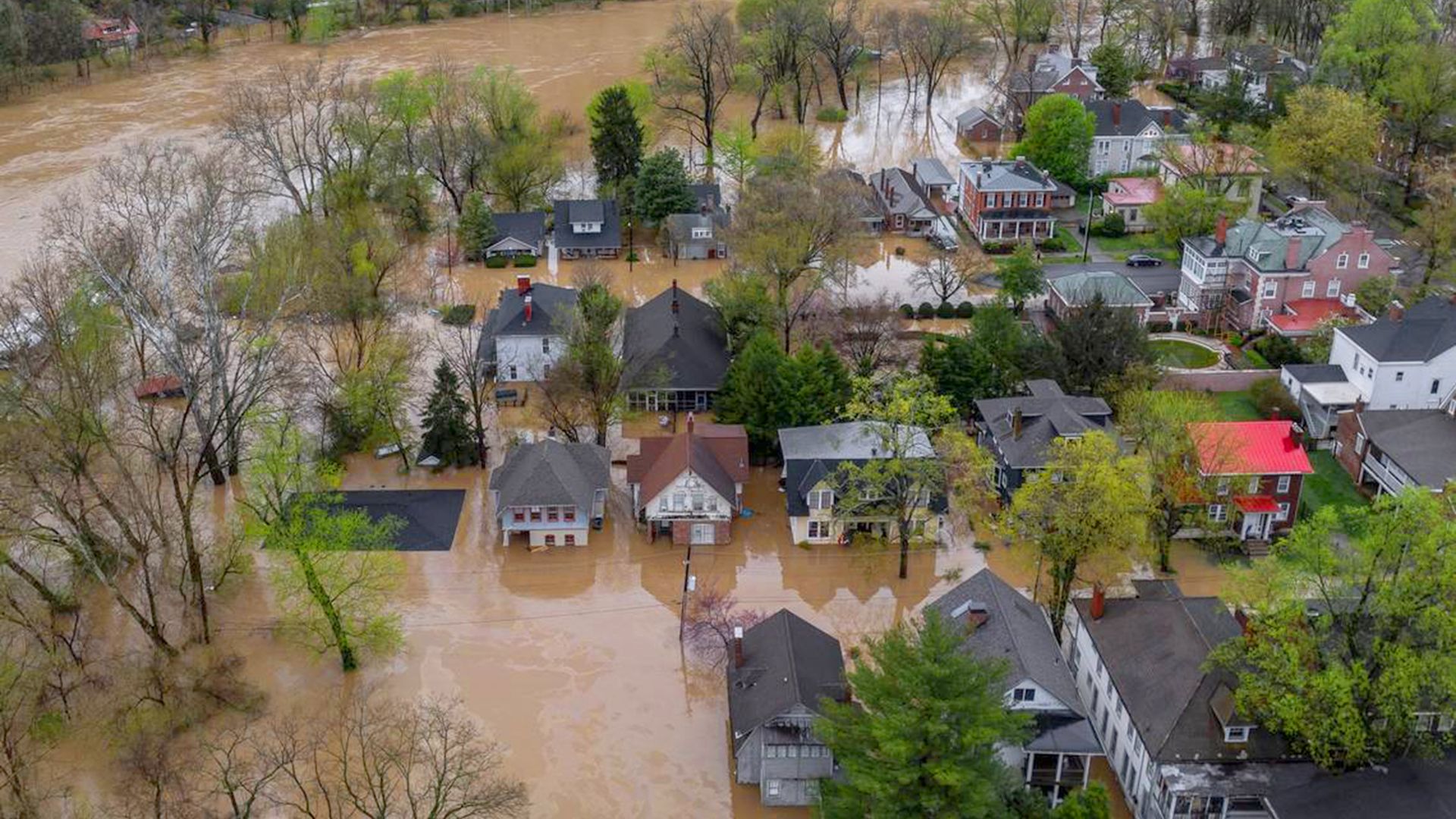
April's Kentucky River floods in Frankfort, Kentucky. Photo: Ryan C. Hermens/The Lexington Herald-Leader/Tribune News Service via Getty Images
National disaster leaders gathered in Bentonville this week with a blunt message: Communities cannot keep responding to bigger, more complex crises with fragmented systems and siloed aid.
Why it matters: As disasters stack up and federal disaster capacity is thinner than it was before, summit speakers warn, emergency response will increasingly hinge on whether businesses, governments and nonprofits know how to work together before the next storm — or cyber attack or fire — hits.
Driving the news: The two-day Disaster Resilience Summit at Walmart's home office brought together about 200 emergency managers, business executives, nonprofit leaders and government officials from all over the U.S. to review lessons from the last decade of disasters and start building a 2030 road map for public-private coordination.
- The summit was organized by the U.S. Chamber of Commerce Foundation, (USCCF) with support from Walmart, to rethink how communities prepare for and recover from crises.
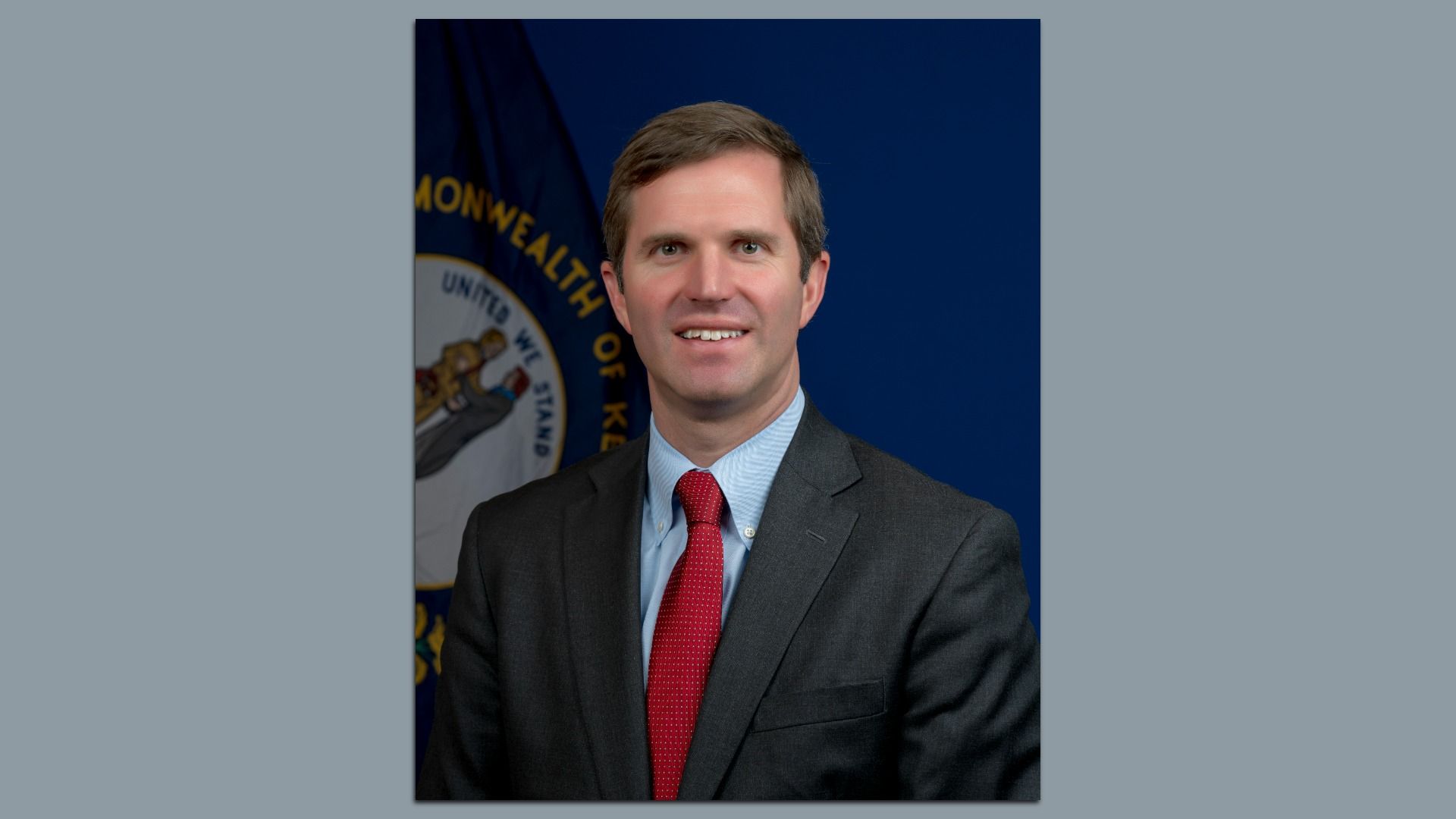
Inside the room: Kentucky's Democratic Gov. Andy Beshear, who held a daily press briefing for about 15 months during the COVID-19 pandemic, was the keynote speaker on Wednesday morning.
- In six and a half years as governor, Beshear has led Kentucky through 15 federally declared weather disasters, the pandemic and other emergencies, including a UPS plane crash at a Louisville airport in November, he said.
- "There was no playbook for a once-in-a-lifetime pandemic," Beshear said. But the crises that followed taught the state how to move through four distinct phases: preparation, emergency response, stabilization and rebuilding.
Between the lines: Beshear warned that disaster response too often focuses on immediate mechanics, such as debris removal, without thinking far enough ahead.
- "A real disaster response, as we evolve, ought to start thinking about that family standing in front of what used to be their home when nothing is left," he said. "How do they restart their lives?"
He also cautioned that "intense competition" among nonprofits and aid groups can dilute impact if money and services are not better coordinated.
Zoom in: Bentonville was not just the backdrop. Walmart executives pointed to the company's disaster-response role in places like Joplin, Missouri; Chico, California; and flood-ravaged Kentucky communities, where stores, parking lots, pharmacies and logistics networks joined the emergency response.
- The company recently donated $10.8 million to help Ohio-based Matthew 25: Ministries purchase response trailers.
What's next: The Chamber Foundation expects to turn ideas gleaned from the summit into a road map within about 45 days, Rob Glenn, vice president of global resilience at USCCF, told Axios.
- The plan will include recommendations for coordination, supply chains, information-sharing and technology.
- "In a disaster context, you're competing against the disaster to help people," Glenn said. "We want people to be aligned with each other."