My cat went nuclear — for her health

Add Axios as your preferred source to
see more of our stories on Google.

Illustration: Sarah Grillo/Axios
A radioactive cat sounds like a sidekick in a superhero cartoon. But recently, it was my feline sidekick, Shirley.
Reality check: It's exactly how it sounds.
- Shirley was radioactive following a radioactive iodine treatment for hyperthyroidism and had to spend two weeks away from home, left to be cared for by professionals who I picture wearing HazMat suits to avoid exposing me to radiation.
Why it matters: I write this not only to share one of the more ridiculous things that's happened to anyone lately, but also because this treatment probably saved my cat's life.
- Let this serve as a reminder to take your cat to the vet if you notice sudden behavior changes.
- Untreated hyperthyroidism, where the thyroid produces too much of a hormone, can lead to organ failure and eventually death.
Flashback: My husband, Trenton, and I became alarmed when Shirley started harassing our other cat, Bea, in April. Bea is a perfect angel of a cat, and Trenton woke up in the middle of the night to find Shirley growling at Bea Who Can Do No Wrong and backing her into a corner.
- Shirley has not been needlessly aggressive in the nearly nine years I've known her, so this was a big change. Weight loss is also a common sign.
- "She cannot treat Bea this way," Trenton told me the next day, urging me to take Shirley to the vet immediately. He has a no-bullying policy.
After visiting my local vet, my option around here was to treat — not cure — the problem by giving my cat medication twice a day for the rest of her life. No, thank you.
- Radiation seemed the way forward, but I could not find a single veterinarian in Northwest Arkansas who does this treatment, the gold standard for a not-exactly-rare condition in an extremely common household pet.
- The closest option I could find was Feline Specialties Veterinary Hospital in Tulsa, so Shirley and I took a little road trip. The actual procedure is just an injection, but then the patient has to hang out until their radiation levels drop to a safe level.
Zoom out: The U.S., and especially Arkansas, has a veterinary care shortage.
- And apparently, the radioactive iodine treatment requires extensive certification and they have to (or should) keep the cat for up to two weeks. It's just a lot.
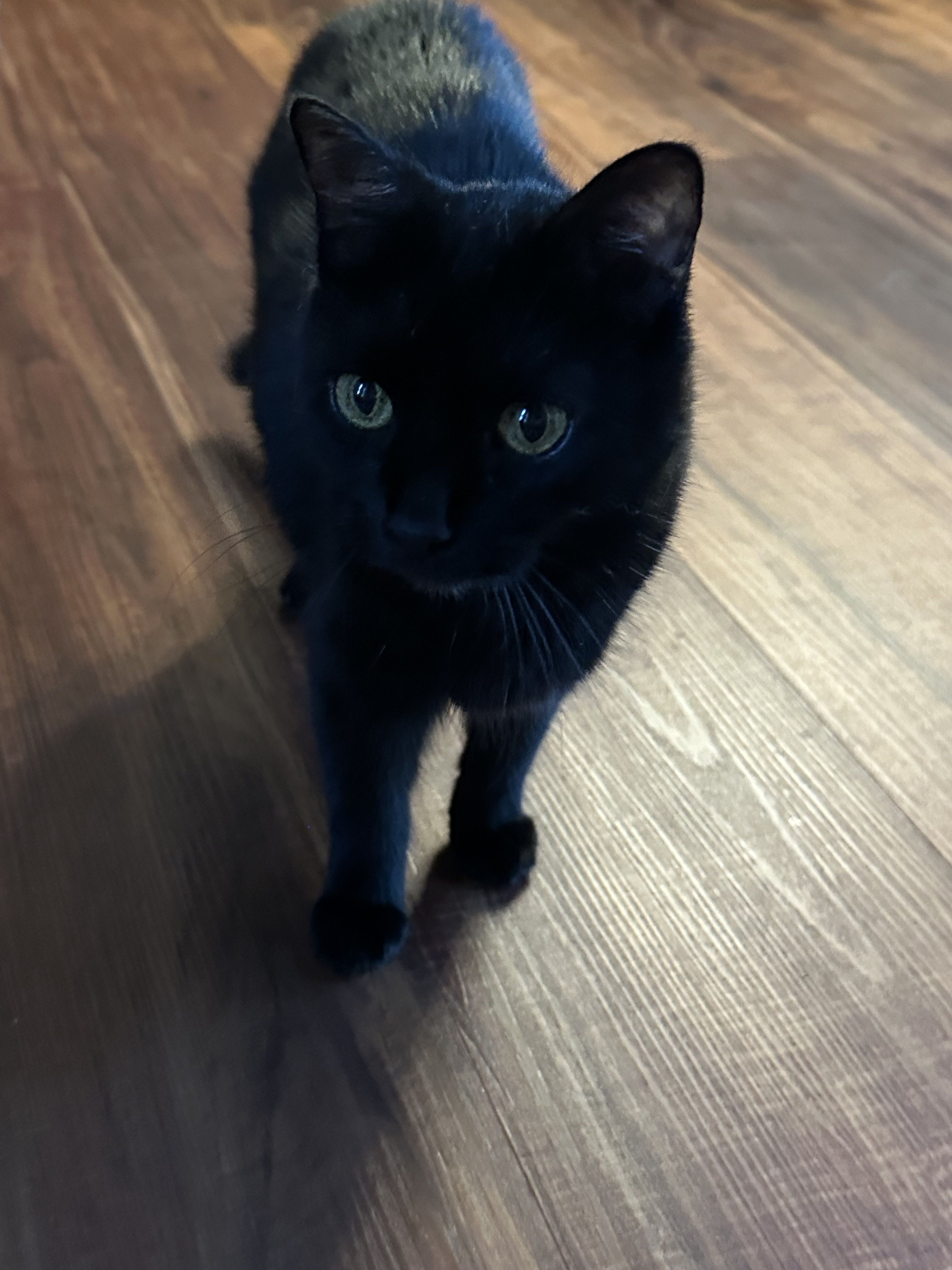
The bottom line: Shirley and her thyroid levels are just fine now, although I got an earful of meows on the two-hour drive home from Tulsa.
- She's back to snoozing at her leisure, snacking on Fancy Feast and receiving attention on demand.
- But Shirley still hasn't offered to get a job to cover her medical bills.