"Silent Fallout" exposes Oppenheimer's unintended U.S. legacy

Add Axios as your preferred source to
see more of our stories on Google.
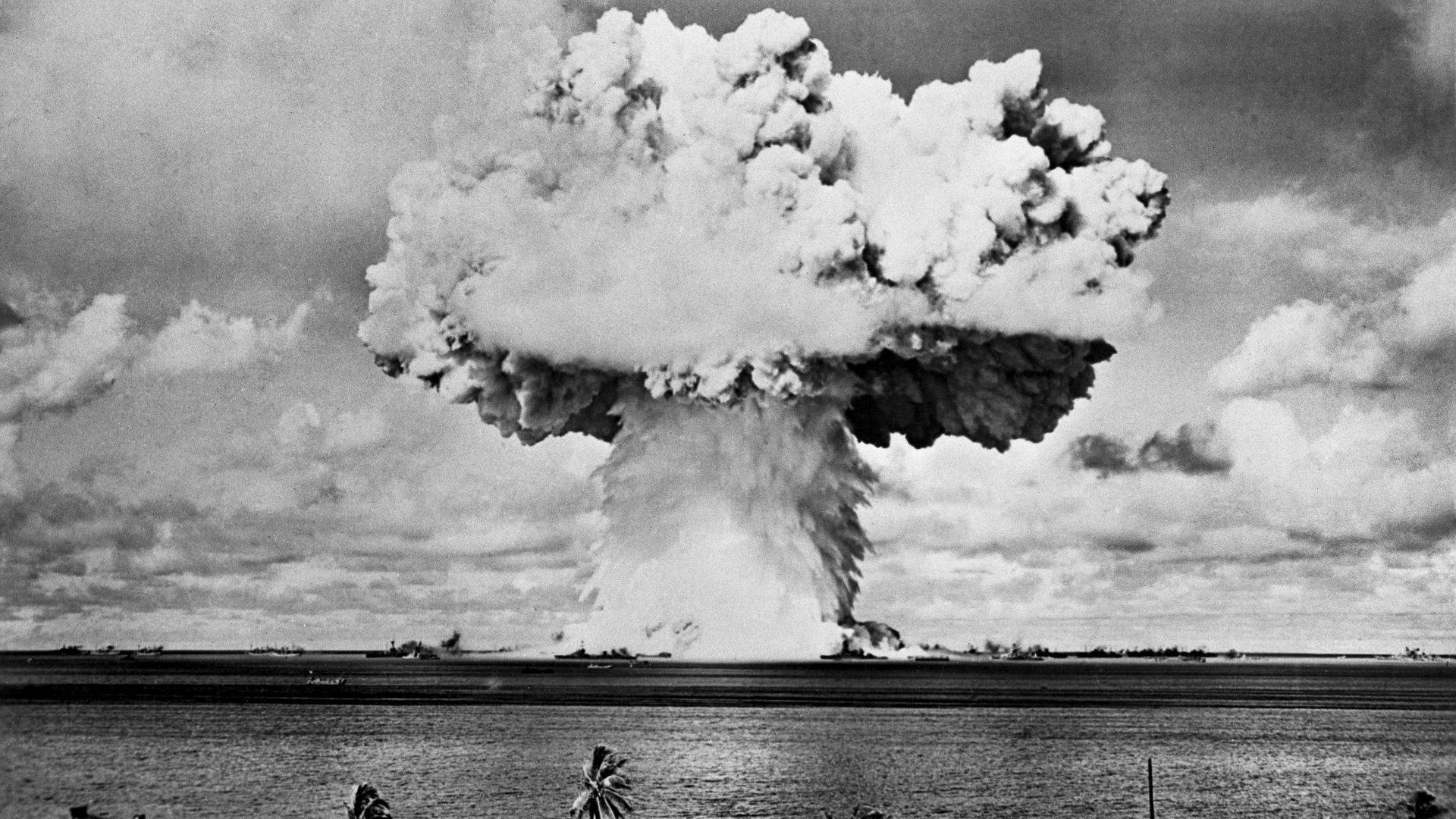
Atomic bomb explosion on Baker Day — July 25, 1946 — in the Marshall Islands. Photo: Bettmann Archive/Getty Images
Japanese director Hideaki Ito's latest film probes the human toll of nuclear explosions — not on his countrymen, but on unsuspecting Americans.
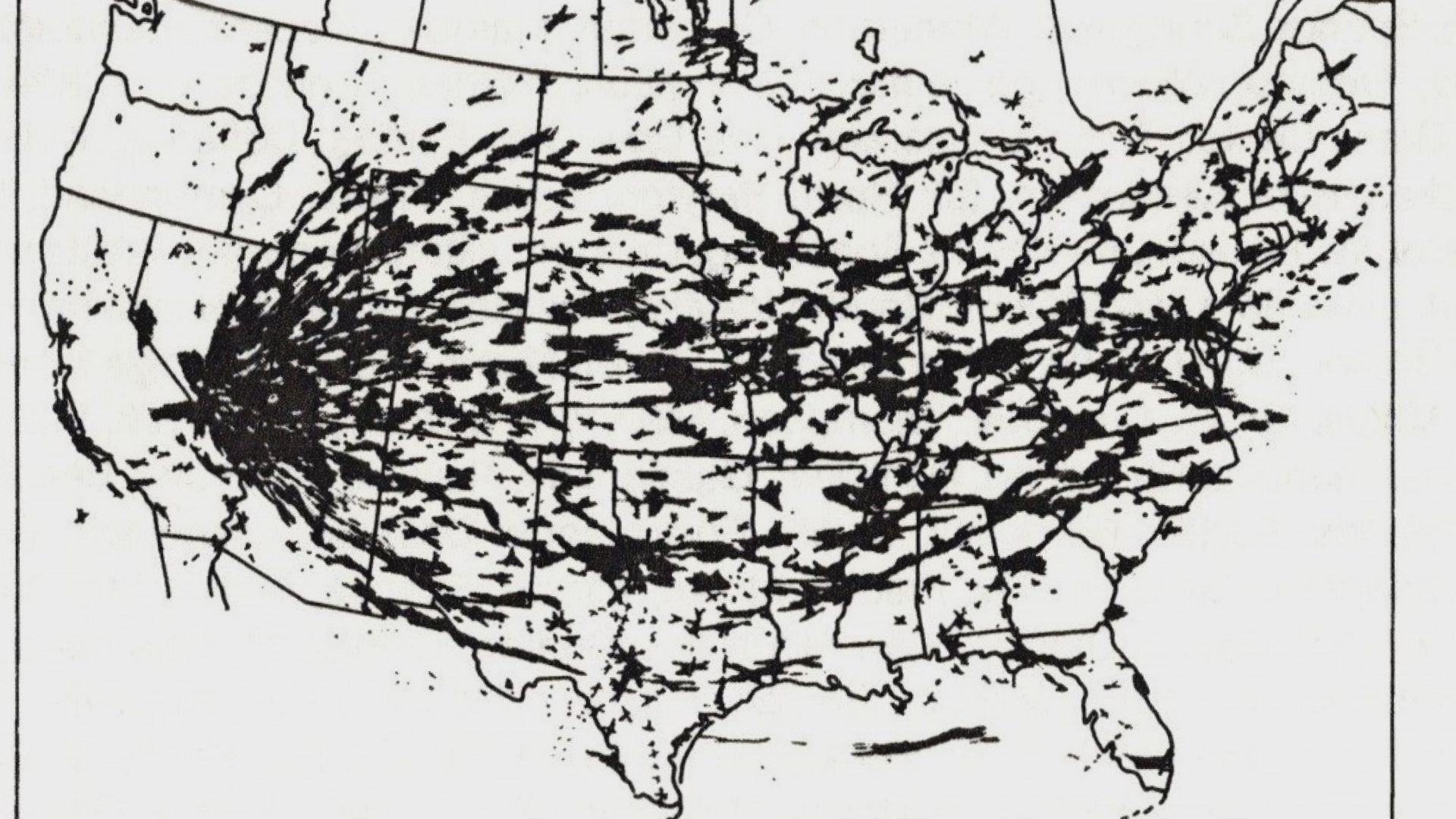
Why it matters: The Cold War, it seems, claimed friendly-fire casualties decades after fallout from Nevada nuclear tests in the 1950s swept eastward across the U.S., affecting families in most of the country, according to Ito.
Driving the news: "Silent Fallout," narrated in English by actor Alec Baldwin, will be screened tomorrow, 5-7pm, at the Jones Center in Springdale. It's the premiere for a national tour.
- The event is free, but registration is required.
- Benetick Kabua Maddison of the Marshallese Educational Initiative will moderate a discussion with Ito after the film.
Between the lines: In addition to the Nevada experiment, the U.S. conducted 67 nuclear tests in the Pacific's Marshall Islands from 1946 to 1958.
- Springdale is home to an estimated 12,000 Marshallese, the largest concentration in the continental U.S.
The intrigue: In the late 1950s through 1970, U.S. researchers sought to understand why many children were suddenly falling ill. They launched their study in 1958 using the teeth of infants living within a 150-mile radius of St. Louis.
- Levels of strontium 90 were found to be as much as 50 times greater than children born in 1950.
- In 1963, President Kennedy implemented the Limited Test Ban Treaty, which stopped above-ground tests where fallout could be carried by the atmosphere.
What they're saying: "I wanted people in the U.S. to know that they are exposed to radiation in the process of making nuclear weapons," Ito replied to Axios' questions through a translator via email.
- "The radiation contamination of the continent means that the people living there are also "hibakusha'" — the Japanese term for atomic bomb survivors.
The bottom line: "It is time for the world to recognize the immense environmental annihilation caused by radiation on a global scale."
- "Otherwise, we won't be passing down a beautiful Earth to the 22nd century," Ito said.
Go deeper: Ito and the film will tour the U.S. through mid-August, screening in cities including Washington, D.C.; New York City; Boston; Salt Lake City; and Berkeley, California.