Lafitte Greenway turns 10

Add Axios as your preferred source to
see more of our stories on Google.
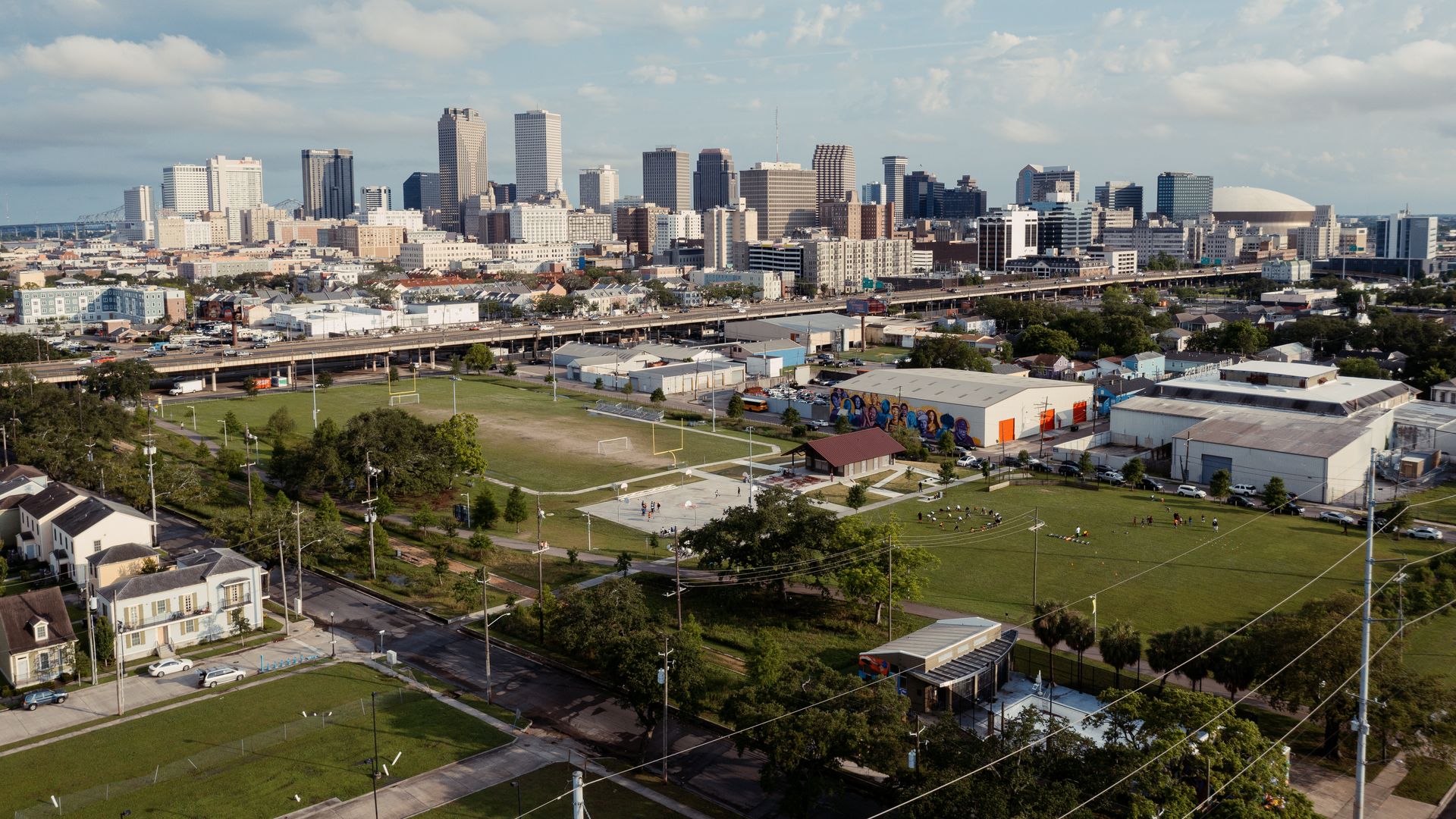
The Lafitte Greenway as seen from above in 2021. Photo: Bryan Tarnowski/Bloomberg via Getty Images
The Lafitte Greenway turns 10 this week.
Why it matters: The strip of green space at the heart of New Orleans became a launchpad for economic development, served as a core talking point for water management and bike advocacy, established a key recreation hub and transformed the way many people get around.
The latest: Voters will decide in the Nov. 15 general election whether to back a bond proposition funding, in part, the greenway's extension to Canal Boulevard, making the full stretch a little over 3 miles long.
- Voters already approved $800,000 in funding for the project's design, according to Lafitte Greenway Partnership spokesperson Alexis Marceaux. The new bond proposition would earmark $4 million for its construction.
What they're saying: "The greenway wasn't a foregone conclusion that it would even be here," says Jason Neville, the executive director of the Lafitte Greenway Partnership, which manages the property.
- "It could have been like many of the other ideas after Katrina that didn't go very far, and now ... people have a hard time remembering what it was like before the greenway."
- "It means it's a beloved space, and there's no turning back."
Catch up quick: A post-Katrina project primarily funded by federal disaster grants, the Lafitte Greenway officially opened Nov. 6, 2015.
- The 2.6-mile-long bike path connected Mid-City with the top of the French Quarter while knitting together recreational space and local businesses through the Treme.
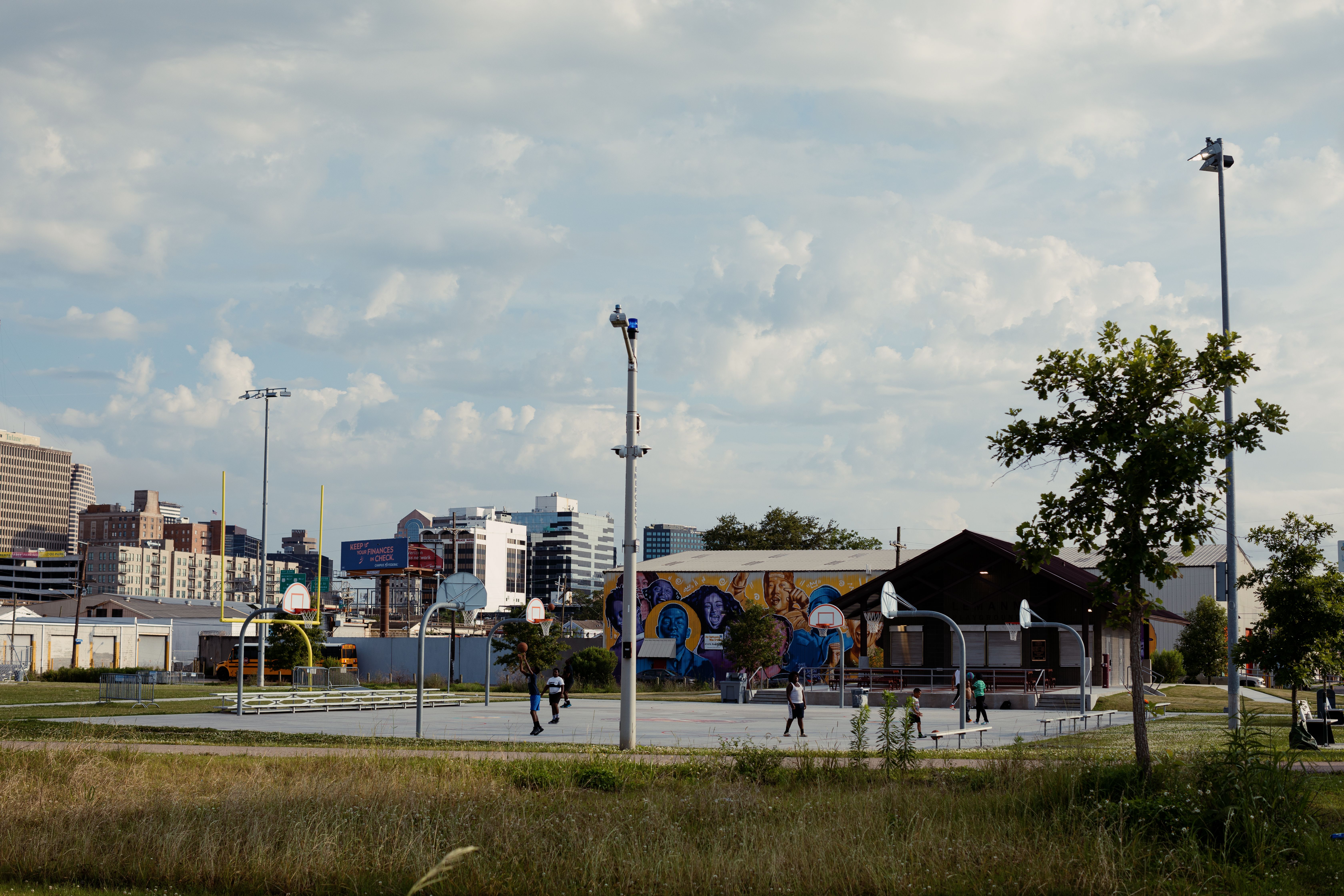
By the numbers: The greenway attracts around 1,000 people a day, according to the partnership.
- During Mardi Gras or Jazz Fest, that jumps to about 4,000 people daily.
- Since its completion, Neville says, about $360 million in new development has poured into the adjacent neighborhoods.
Zoom in: Altogether, the greenway lands at just under 54 acres, Neville tells Axios New Orleans. Although it all helps, 7 of those acres play an active role in stormwater management for connecting neighborhoods.
- "We help manage and pilot new things like rain gardens and bioswales and tree planting," Neville says, to reduce flooding. Put simply, "the more green infrastructure we can do in the greenway, the more flooding will be reduced in neighborhoods adjacent to it."
What we're watching: The greenway's latest master plan, released in 2024, calls for a completed expansion to the RTA's Canal/Cemeteries transit center by December 2026.
What's next: The greenway will celebrate its 10th anniversary with its annual Supernova light-based art exhibit and festival Dec. 11-13.