What should come next after Nottoway Plantation burned down

Add Axios as your preferred source to
see more of our stories on Google.
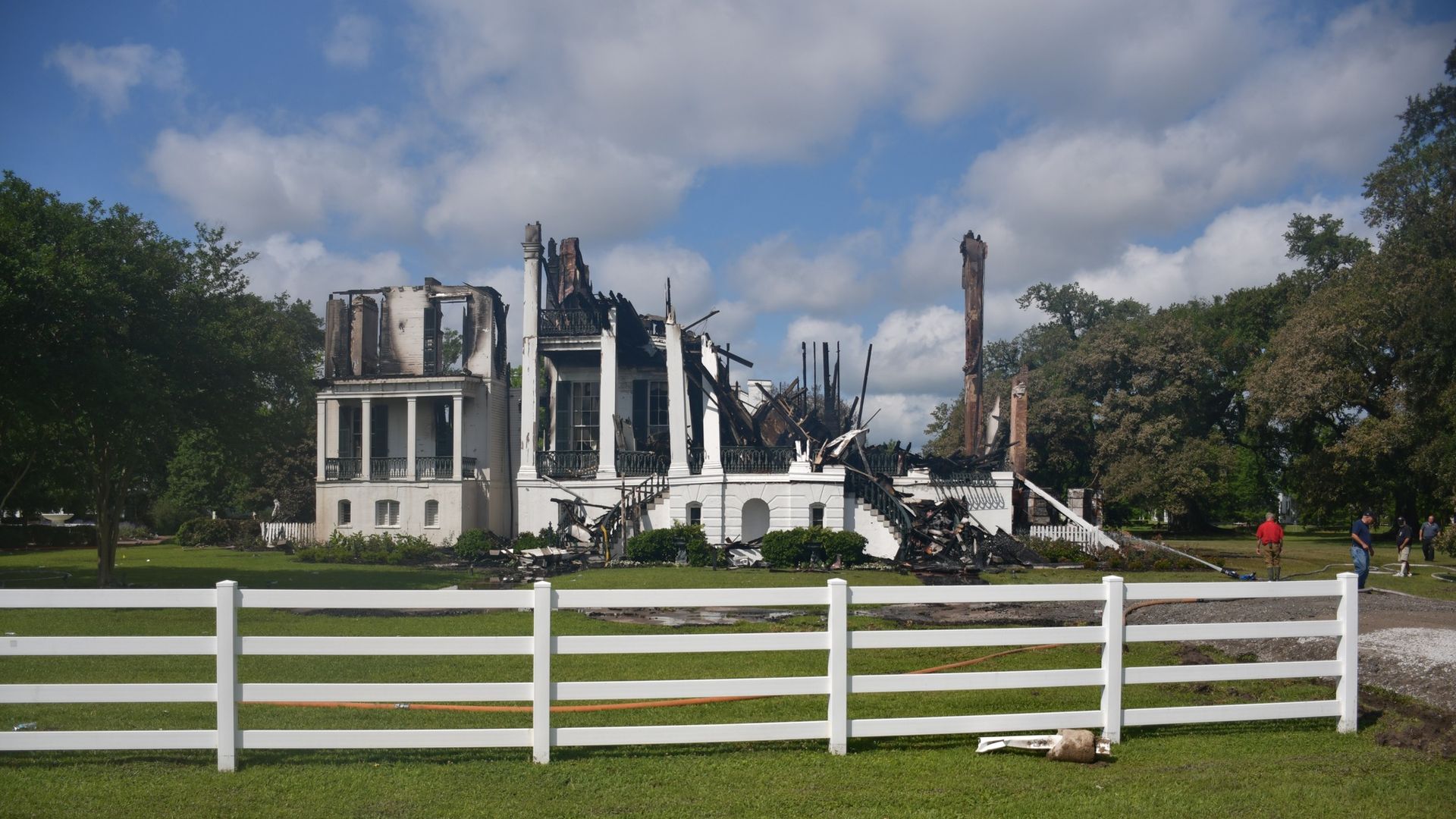
The remains of Nottoway Plantation after a May fire. Photo: Courtesy of Louisiana State Fire Marshal
When Nottoway Plantation went up in flames last month, the destruction of a place rooted in the nation's history of enslavement sparked a range of reactions as some celebrated its demise and others mourned the loss of a rural Louisiana tourism engine.
Why it matters: That reaction, say sisters Joy and Jo Banner, who are the first Black women to own a Louisiana plantation, shows just how much generational trauma this community still has left to process.
What they're saying: "I hope it's opening up conversations about how as a society we can do more, but if it ends at, 'We're so mad at plantations and we're glad when they burn down,' then … that's not nearly enough,'" Joy Banner tells Axios New Orleans.
Catch up quick: The Nottoway Plantation, rebranded by its ownership to the Nottoway Resort in recent years, caught fire early May 15.
- It took hours before first responders were able to get the fire under control, and it ended up burning to the ground. The ATF is investigating its cause.
- The 64-room mansion was the largest antebellum mansion remaining in the South. Just south of Baton Rouge, it was built in the 1850s by enslaved people for cotton and sugar plantation owner John Hampden Randolph.
When it burned, online reaction was swift and effusive. Some regretted the destruction of a historical Louisiana home, while others commented that ancestors of enslaved people must be celebrating.
- Some even suggested that a "haunted" doll on display in New Orleans at the time was to blame for the fire.
- Joy Banner said the gallows humor is a common coping mechanism for processing and surviving "danger and white supremacy."
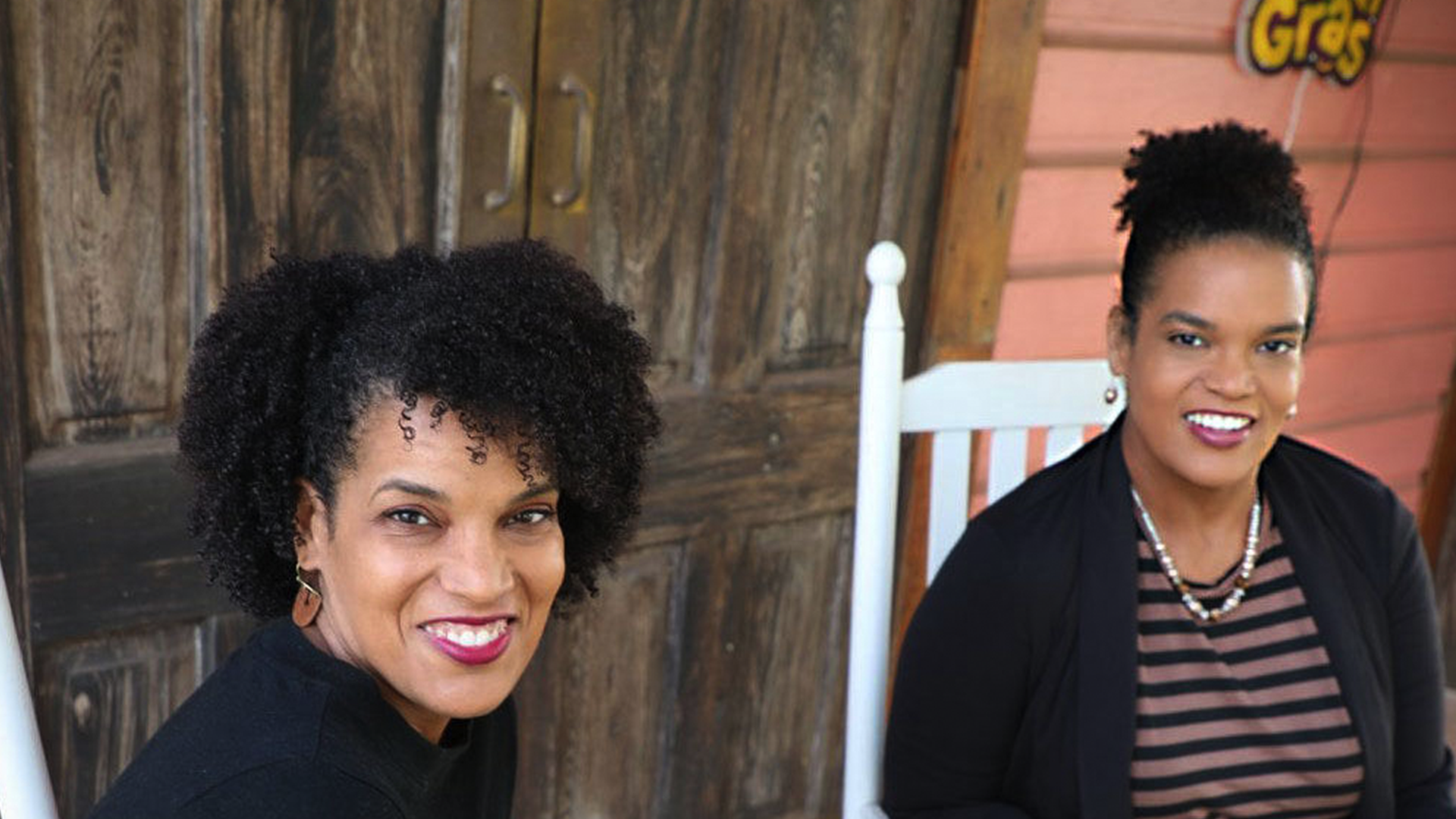
Zoom in: The Banner sisters say their own reaction has shifted in the weeks since the fire.
- "I'm not going to say I wasn't laughing in community with the larger Black community, but I also understand this anger, and the focus behind it means there's so much unprocessed and not healed," Joy Banner says.
That starts with being honest about the history of homes like Nottoway, says Jo Banner.
- "The plantation narrative is not the same as the plantation fact," she says, adding that the state would do better to rethink how lighthearted tourism of these spaces is allowed to continue.
- It's still common for former plantations to host weddings and other celebratory events. (The Whitney Plantation is a notable exception to this trend.) And, for another example, an undated video reportedly from a Nottoway tour recirculated after the fire, showing a tour guide saying enslaved people were "treated fairly well" on the property.
The big picture: That's the narrative the Banner sisters are working to counteract with the Woodland Plantation in LaPlace, which was the site of the largest slave revolt in American history.
- There, they're working with fellow descendants of local enslaved people to create programming and exhibitions for what they plan to one day open as a permanent tourist attraction.
- Part of their work includes activism, which they say connects the history of enslavement to what they describe as environmental racism along the stretch of Louisiana known as "Cancer Alley."
What's next: The sisters' Descendent Project will host "July-Teenth" on Woodland Plantation on July 19.
- Juneteenth commemorates the day when enslaved people learned of their emancipation in Galveston, Texas, in 1865, 2½ years after it was legally effective.
- But people in St. John the Baptist Parish learned of their freedom in July 1864, so the Banner sisters will recognize that date instead.
Go deeper: Read Jo Banner's essay about the Nottoway Fire for the Lens.